
*Some rides are about mountains.
*Some rides are about destinations.
*This one is about transition.
Eastern Hills Explorer isn't about reaching one famous place. It's about watching Nepal evolve around you — road by road, village by village, hill after hill. Architecture changes. Roadside food changes. The rhythm of roads changes. Somewhere east of Kathmandu, the country starts feeling different. And that feeling becomes the ride.
The Route
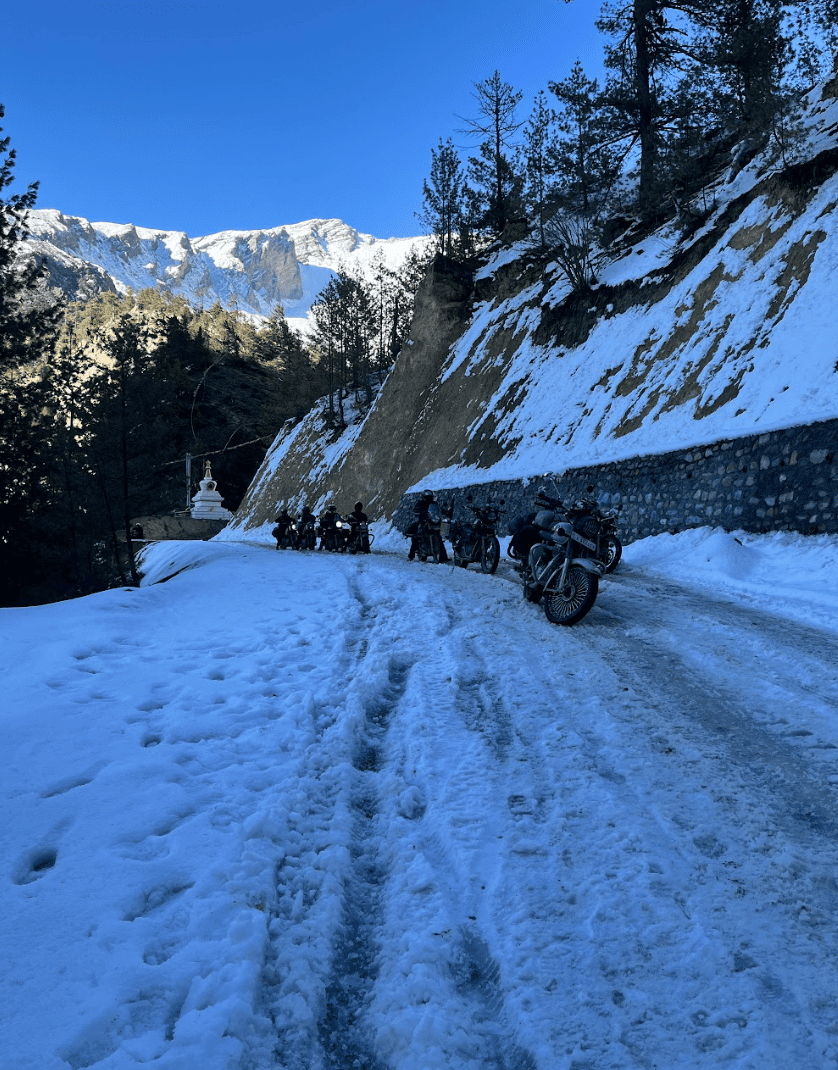
- Kathmandu: Depart early, cross the Valley rim
- Dhulikhel: First Himalayan panorama of the journey — breakfast with a view
- Hile & Dhankuta: Bazaar towns perched on ridges, old trade route atmosphere
- Bhojpur: Hilltop district HQ, known for its khukuri blades — rarely visited by riders
- Ilam: Nepal’s tea capital — rolling gardens, colonial-era bungalows, cool air
- Kanyam: Finish on the most scenic tea ridge in the country
What makes this ride
Tea country at its best
Ilam and Kanyam are Nepal's finest tea-growing highlands — riding through them in the morning mist is something you don't forget.
Genuine off-the-map roads
Bhojpur sees almost no tourist traffic. The roads here are raw, the welcome is real, and the khukuri market is unlike anything else.
Himalayan views without the altitude
Kanchenjunga and the eastern massif fill the horizon on clear days — no permit, no acclimatisation needed.
Best riding season
October-November and February-April. The east stays greener longer than the rest of Nepal — and the tea harvest in spring is special.
This ride is for you if: you want to see Nepal beyond the trekking corridors, enjoy roads that feel discovered rather than packaged, and don't mind trading altitude drama for long green ridges and strong local tea.
"I ride to see Nepal change."
This ride attracts a particular kind of rider — one who notices the details others miss, who crosses regions rather than ticking destinations off a list, and who believes travel becomes memorable when landscapes slowly shift beneath the wheels.
- You notice how villages look different every 50km
- You enjoy long scenic days more than short hard ones
- You ride for perspective, not just views
- Photography is part of how you travel
- Local culture matters as much as the roads
- Quiet > famous
Why Eastern Nepal?
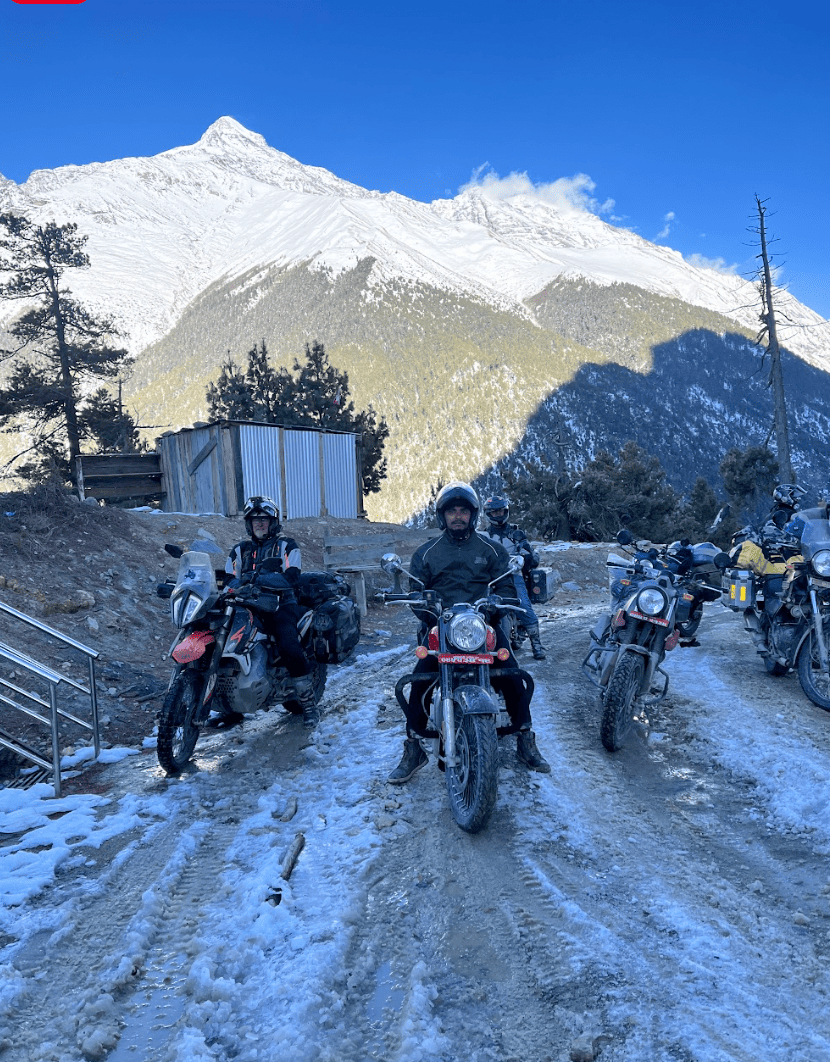
Most motorcycle tours stop far before this side of the country. Many riders head north. Some head west. Few continue east — and that creates something special. Roads become quieter. Tourism fades. Local life becomes more visible. The landscapes soften, the hills turn greener, and the roads become more personal.
Every day feels different
One day: hill highways and valley roads. The next: remote settlements. Then: rolling tea landscapes and cool mist. This route never settles into one mood.
Historic hill towns
Dhulikhel, Hile, Bhojpur — places many travelers have heard of but few actually explore. Connected by roads that still feel authentic.
Roads with story value
These aren't roads people ride because Instagram told them to. They're roads people remember because they unexpectedly became favorites.
Eastern Nepal atmosphere
Terraced hills. Cool air. Green valleys. The farther east you ride, the more the landscape shifts into something softer and entirely its own.
The Route, Day by Day
Five rides, one long day, and a return route that leaves you with a completely different impression of Nepal than when you started.
Kathmandu → Dhulikhel
Leave the valley behind
Trade Kathmandu's traffic for the first hill roads. Dhulikhel introduces the first transition — the Himalayan wall widens, roads begin curving, and city energy disappears behind you. A gentle opening day that sets the tone.
Dhulikhel → Hile
The rhythm settles in
Ride deeper east through changing hill landscapes. Roads become more enjoyable, stops become slower. This is where touring replaces travel — you're not rushing to anywhere, you're riding through somewhere.
Hile → Bhojpur
The quiet one
Roads narrow. Surroundings quieten. Bhojpur carries a classic eastern hill atmosphere — traditional communities, mountain culture, almost no tourism. Known for its hand-forged khukuri blades, it's a stop most riders will talk about for years.
Bhojpur → Ilam
Eastern Nepal reveals itself
The hills turn greener, temperatures cool, roads grow increasingly scenic. You begin entering Nepal's tea country — the landscape softness entirely replaces the day one everything.
Ilam → Kanyam
Slow down. This day is the point.
Ride through: tea gardens, rolling roads, hill viewpoints, quiet villages. Morning mist and evening light on the Kanyam ridge often become the memories riders talk about.
The Alpine Lakes & Solitude
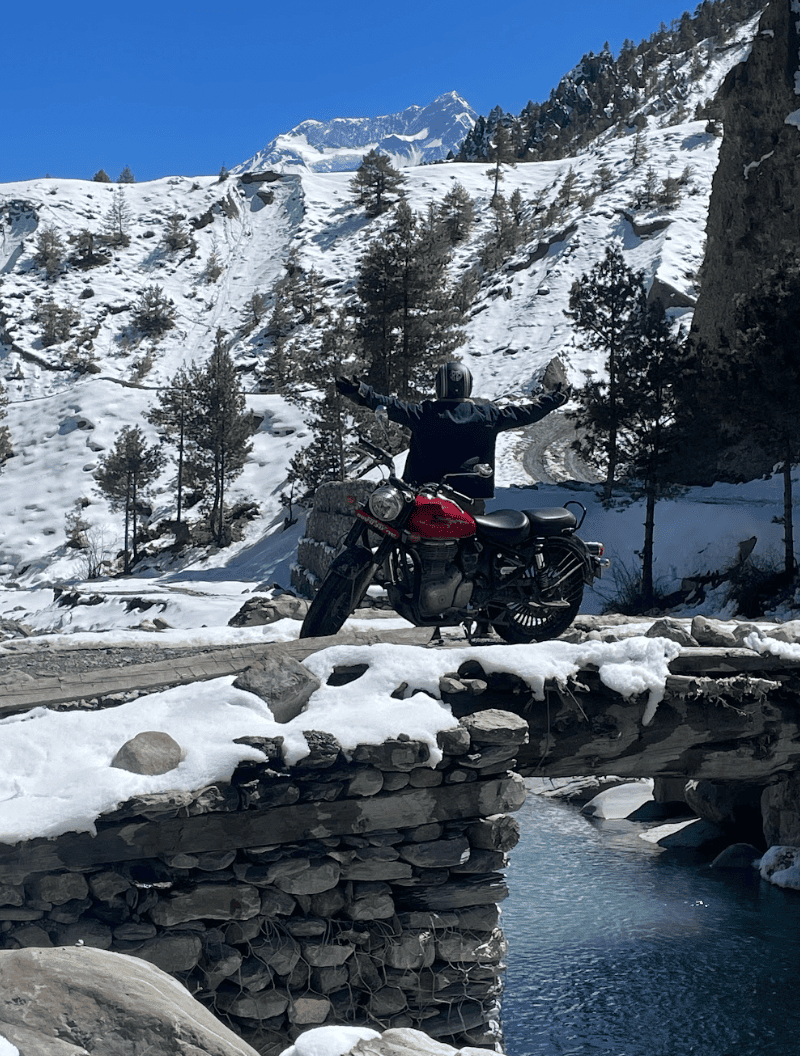
As you climb higher, the valleys open up into vast alpine meadows, ringed by snow-capped giants. Ride alongside turquoise lakes, feel the crisp mountain breeze, and experience the ultimate solitude of the high passes.
From tea hills to rocky mountain tracks, Eastern Nepal shows its raw and majestic side in equal measure.
Is this ride for you?
GOOD FIT
- ✓ You enjoy discovering overlooked regions
- ✓ Photography matters to how you travel
- ✓ You appreciate local culture over landmarks
- ✓ Long scenic riding days appeal to you
- ✓ You like roads with constantly changing scenery
- ✓ Quiet, more personal experiences over crowds
NOT IDEAL IF
- ✕ You want high-altitude Himalayan riding
- ✕ You want aggressive off-road terrain
- ✕ Famous tourist destinations every day
- ✕ You prefer short, intense riding days
Choose Your Bike
All three handle the eastern hills well. Your choice depends on how you like to ride.

Royal Enfield Himalayan
Comfortable for long scenic days with luggage

Royal Enfield Scram
Light and playful on twisting hill roads

Honda CRF
Perfect if you want occasional unpaved detours
Nepal doesn't change all at once. It changes slowly — through roads, through people, through landscapes. Ride far enough east, and you begin seeing a Nepal many travelers miss entirely.
This route has its own personality too.
Not Mid-Hills discovery.
Not Tea Hills calm.
Not Ridge Roads horizons.
Eastern Hills Explorer = changing cultures + long hill roads + feeling like you're crossing into another version of Nepal.
Our Accreditation
Nepal Moto Tours is a fully registered and government-licensed tour operator, so you can ride with complete peace of mind.
Government of Nepal
Registered company under the laws of Nepal
Ministry of Industry, Commerce & Supplies
Licensed tour & travel operator

Nepal Tourism Board
Officially recognised by the national tourism authority
We Are Also On
Find and book our tours on the world's leading travel platforms.