Ride Report — Ride to Jiri

Ride Report — Ride to Jiri

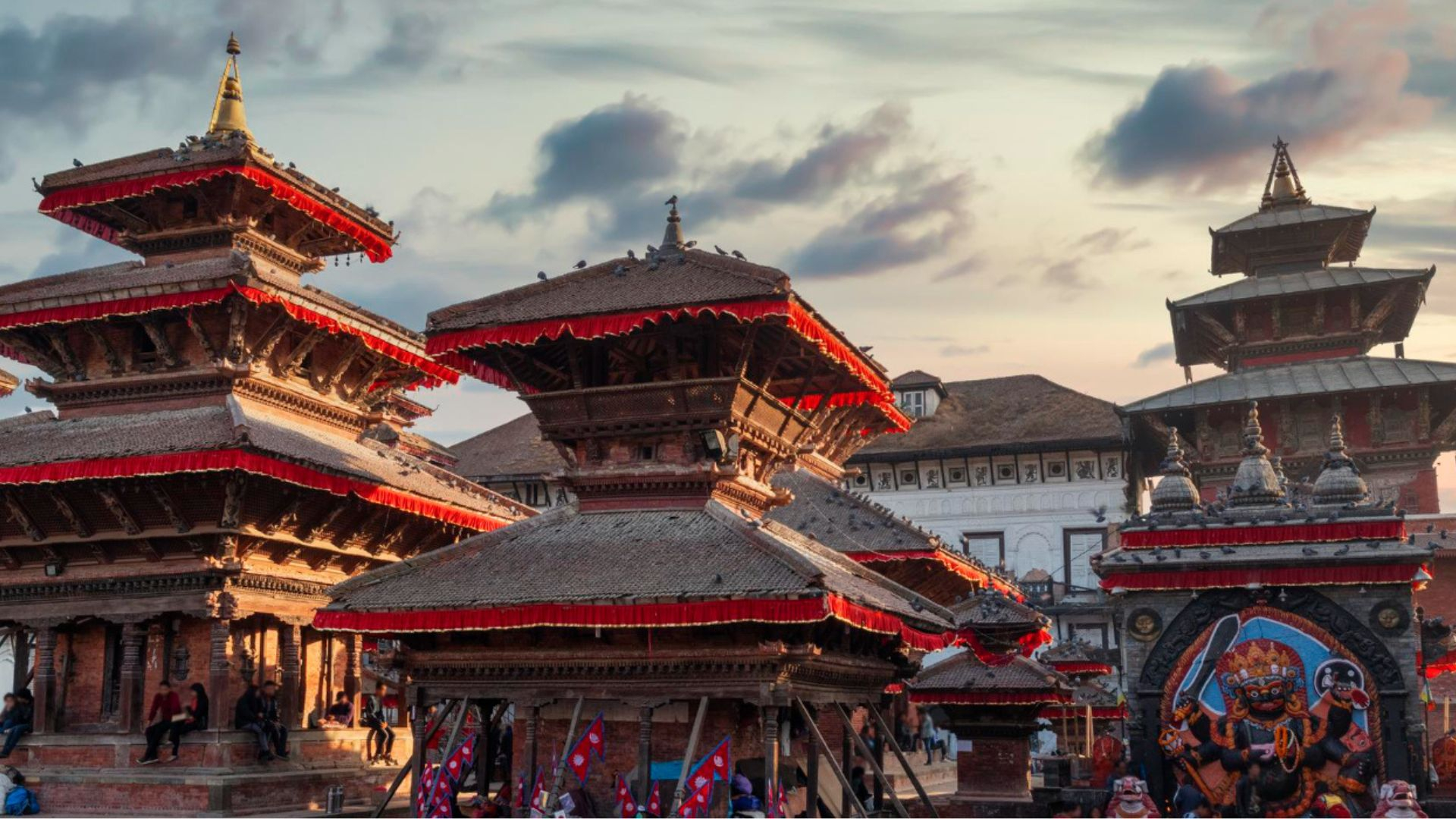
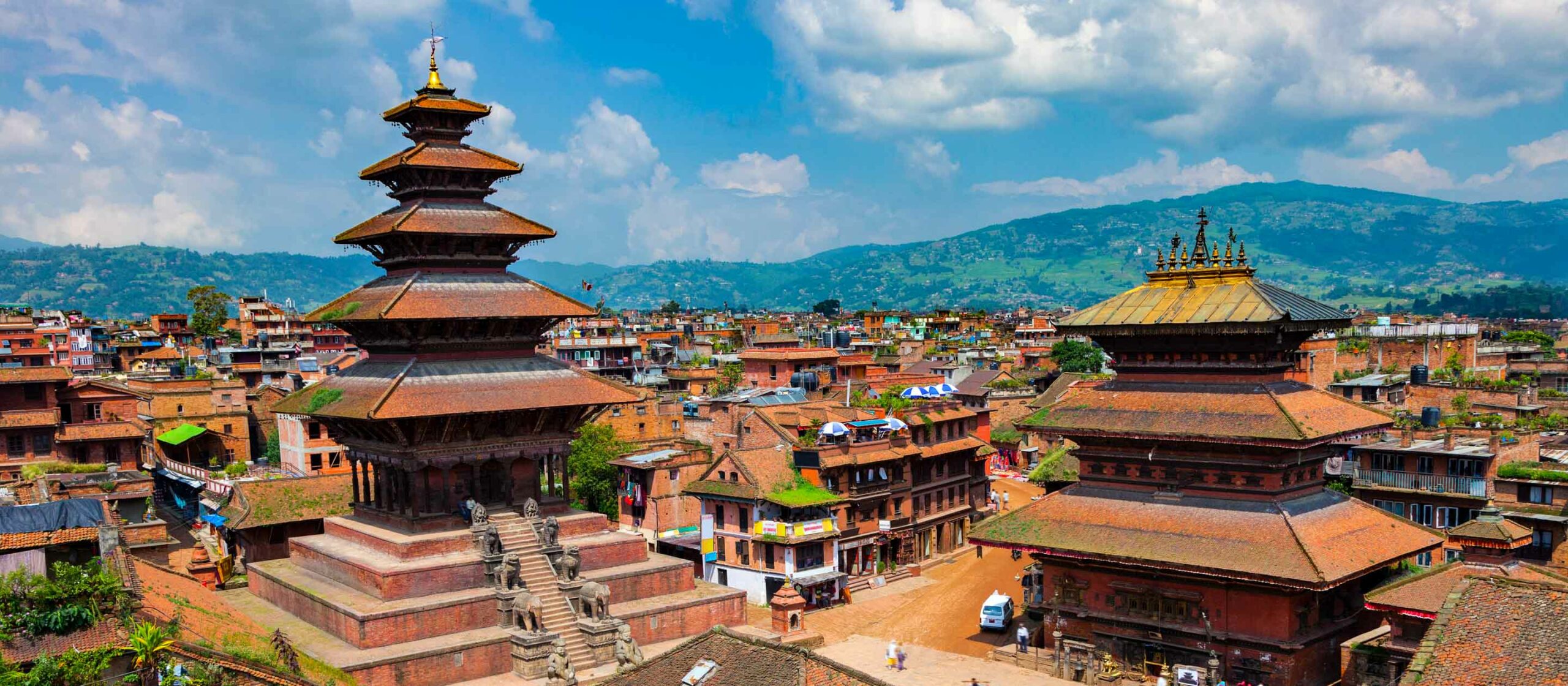
Ride to Jiri The Gateway to Everest  •  Motorcycle Ride Report Nepal Moto Tours Ride Report by Prabhash Thakur Overview Field Details Ride Dates Weekend — Saturday & Sunday (suggested: any clear weekend) Duration 2 days / 1 night Start / End Point Kathmandu (loop) Total Distance ~380 km (outbound via Charikot; return via Dhulikhel) Daily Riding Time 5–6 hours / day Riding Style Road / Hill Adventure Difficulty ★★☆☆☆ — Easy to Moderate Overall Rating ★★★★★ Some roads carry more history than others. The route from Kathmandu to Jiri follows the exact path that Edmund Hillary and Tenzing Norgay travelled on their way to Everest in 1953 — a road that was, at the time, a footpath through forest and hill villages. Today it is a paved two-lane road through some of the most beautiful middle-hill country in Nepal, dropping into river valleys and climbing through rhododendron forest to a quiet Sherpa and Jirel town that the rest of the trekking world largely abandoned when Lukla airport opened. Jiri's loss is the motorcycle rider's gain. The Route At a Glance Day Segment Distance Accommodation Day 1 Kathmandu → Bhaktapur → Dhulikhel → Dolalghat → Lamosangu → Charikot → Jiri ~190 km Hotel Sherpa / Jiri Lodge, Jiri Day 2 Jiri → Charikot → Tama Koshi Bridge → Lamosangu → Dolalghat → Dhulikhel → Kathmandu ~190 km Kathmandu Suite Homes The Jiri loop uses the same road in both directions but offers a fundamentally different experience each way — morning and afternoon light transform the river valleys and the mountain views, and the return direction makes Dhulikhel a proper lunch stop rather than an early transit. Total distance is approximately 380 km over two days of easy-to-moderate riding. Day 1 — Kathmandu to Jiri (~190 km | 5–6 hrs) The ride begins on the Araniko Highway, Nepal's eastern artery. Leave Kathmandu before 7am if possible: the road through Bhaktapur and Banepa builds with truck traffic after 8am and the early window is significantly more pleasant. Bhaktapur's brick lanes edge up to the highway and the smell of morning incense drifts across the road — even at speed, this ancient city asserts itself. Banepa is a lively market junction; Sanga above it has a massive white statue of Shiva visible from the road. The ridge climbs steadily. Dhulikhel at 1,550m is the first proper stop: a ridge-top town with an extraordinary mountain panorama on clear days. The lineup runs from Langtang through Dorje Lakpa, Choba Bamare, Gaurishankar, Numbur and across to the eastern Himalaya — a sweep of white peaks above the terraced hill country below. The old Dhulikhel bazaar is a short detour and worth five minutes of exploration even at a stop-and-go pace. Then the descent begins. The road drops from Dhulikhel in long, confident curves through terraced farmland to Dolalghat at 634m — the lowest point of the entire route and one of the most visually dramatic. This is where the Indravati and Bhote Koshi rivers join to form the Sun Koshi: a wide, green, muscular river that has earned its name ('River of Gold') honestly. The fish from these confluences is famously good; the dhabas at Dolalghat bridge serve grilled mahaseer and sahar that arriving kayakers and rafters rave about. Stop, order fish with rice, eat with the river in front of you. This is one of the finest simple meal stops near Kathmandu. From Dolalghat the road runs east along the Sun Koshi, joined briefly by the Bhote Koshi thundering down from Tibet. At Khadichaur — where the Tama Koshi (the Copper River) meets the Sun Koshi from the south — the Araniko Highway continues north toward Tibet and your road turns east. Note the colour of the water at the junction: the Tama Koshi runs visibly different from the Sun Koshi for a stretch downstream of the confluence, the two mixing gradually. This is one of those small river details that the road puts directly in front of you and that stays in the memory. The climb from Khadichaur to Charikot is approximately 40 km of sustained ascent from ~500m to 1,370m. The tarmac is good and the road is well-engineered — a series of switchbacks and long traverses through increasingly forested terrain, villages appearing at intervals on the hillsides, prayer flags marking the ridgeline temples above. Gaurishankar (7,134m) first appears above the eastern ridgeline approximately 15 km before Charikot and it is a startling sight: a huge double-headed summit completely unexpected in what has been a middle-hill landscape until that moment. It gets more dramatic as you climb. Charikot is the district headquarters of Dolakha — a proper hill town with a bazaar, fuel stations, several dhabas and the finest roadside Gaurishankar view on the route. This is the natural lunch stop and the place to make decisions about continuing: the 38 km to Jiri from here goes via the Tama Koshi gorge and a long forest climb, and you want to arrive in Jiri with daylight remaining. Fuel up here regardless. The descent from Charikot to the Tama Koshi bridge is one of the most spectacular sections of road in eastern Nepal: a tight, switchbacking descent into a deep gorge with the copper-green river visible far below and Gaurishankar's summit occasionally framed in the gaps between ridges. The bridge at the bottom is a photographic stop that rewards. Then the road climbs again, entering the pine and rhododendron forest belt that surrounds Jiri. In spring, the rhododendron bloom on this section is extraordinary: dense red and pink above the road and across the valley walls. The final approach to Jiri through the forest on a narrow paved road, with the temperature dropping and the air becoming genuinely alpine, is the finest riding of the day. Jiri at 1,905m: a small market town at the end of a long road and the beginning of a legendary walk. The bazaar is compact, the guesthouses are simple and friendly, the evening is quiet in the way that only towns at the end of roads can be. Walk to Hanumante Hill above the bazaar for the last of the daylight and the mountain views. The Gaurishankar–Numbur–Jugal Himal panorama from here, with the valley below and the forest all around, is the payoff for the day's riding. Day 2 — Jiri to Kathmandu via Charikot and Dhulikhel (~190 km | 5–6 hrs) Early morning in Jiri rewards the early riser. Walk up to Hanumante Hill before breakfast for the sunrise over Gaurishankar and Numbur — the hills are completely quiet at this hour and the light on the peaks is extraordinary. The Swiss Cheese Factory opens at 9am; buy a wheel of local hard cheese for the road before departing. It is excellent and it travels well. The return descent to the Tama Koshi is as good going down as up — different light, different views in every corner. Stop at the bridge again: the morning river is different from the afternoon river, the gorge shadows not yet lifted. From Khadichaur the road rejoins the Sun Koshi valley and runs west through Dolalghat and up to Dhulikhel. Dhulikhel is the lunch stop on the return. The town has several proper terrace restaurants and cafes that cater to day-trippers from Kathmandu — a different universe from the Jiri guesthouses, but well-positioned for a final rest before the capital. The Himalayan panorama from the Dhulikhel ridge on the return is often better than the morning view on Day 1: afternoon light on the peaks in autumn and spring has a particular quality. Sit on a terrace, order something proper, and take your time. The return through Bhaktapur and into Kathmandu will encounter traffic. Budget an extra 45 minutes beyond the riding time for the city approach. Back in Kathmandu by late afternoon. Tour complete. The Bike Field Details Motorcycle Royal Enfield Himalayan 450 Engine 450cc Loaded Weight ~195 kg Tyre Setup Stock Modifications Luggage rack Bike Performance Notes The Jiri route is a road rider's route. The Himalayan 450 is substantially more machine than the road demands — a 200cc would manage the loop without difficulty. What the Himalayan brings is the comfort of long-distance highway ergonomics on the Araniko section, effortless pull on the sustained Charikot and Jiri climbs, and the assurance of a bike that treats the occasional rough patch with complete indifference. No mechanical issues; the bike performed without any note-worthy event throughout. One observation: the descent from Charikot to the Tama Koshi bridge involves prolonged braking on tight switchbacks. Monitor brake temperature on loaded descents in hot weather; take the descent patiently rather than quickly. The road rewards controlled descent with extraordinary views, not hurried ones. Road & Trail Conditions Section Surface Notes Kathmandu → Bhaktapur → Banepa Paved — busy The Araniko Highway begins here. Bhaktapur is slow and congested; clear it before 8am. Banepa onwards the road narrows and thins pleasantly Banepa → Dhulikhel Paved — good A beautiful ridge road climbing to 1,550m. Himalayan views on clear days; popular photo stop. The Old Dhulikhel loop adds 5 minutes and is worth it Dhulikhel → Dolalghat Paved — winding descent The road drops ~900m to the Sun Koshi confluence at Dolalghat (634m). Long sweeping bends, terraced fields, excellent visibility Dolalghat → Lamosangu → Khadichaur Paved — river road Fast, flat road along the Sun Koshi then Bhote Koshi / Tama Koshi confluence at Khadichaur. The rivers are spectacular throughout Khadichaur → Charikot Paved — uphill climb Turn east at Khadichaur. A sustained, winding climb of ~40 km to Charikot (1,370m). Good tarmac, beautiful hill scenery, Gaurishankar emerging above the ridgeline Charikot → Tama Koshi Bridge → Jiri Paved / narrow — winding Descent to the Tama Koshi river, then a steady climb through pine and rhododendron forest to Jiri (1,905m). The final 38 km from the bridge is the finest riding of the route The Kathmandu–Jiri route is entirely paved throughout. This is one of the few routes in the Nepal Moto Tours programme with no mandatory off-road sections — the challenge is entirely in the sustained climbing, the winding sections and the occasional blind corner on the forest road above the Tama Koshi. Road maintenance is generally good, though minor pothole sections appear on the Khadichaur–Charikot climb and on the forest road approaching Jiri. Nothing that requires significant caution; standard road awareness is sufficient. Weather & Conditions Factor Details Best Season Spring (Mar–May) and Autumn (Sep–Nov). Both seasons deliver clear skies and comfortable riding Spring Rhododendron bloom between Charikot and Jiri (March–April). Forest sections are vibrant pink and red; mountain views sharp. Recommended window Autumn Post-monsoon clarity; Gaurishankar exceptionally defined from Charikot. Harvest season adds golden terraced-field colour Summer/Monsoon Possible but road surfaces can be wet and slippery on the forest climbs. Gaurishankar usually cloud-covered. Not recommended Winter (Dec–Feb) Cold evenings in Jiri (can drop to 0°C overnight); clear mountain views frequent. Gear up well for the Charikot–Jiri section Altitude Dhulikhel: 1,550m | Charikot: 1,370m | Jiri: 1,905m | Highest point en route: ~2,000m in the forest above Jiri The Jiri route is highly weather-dependent for its best experience: Gaurishankar is the visual centrepiece of the ride and it requires a clear day to reveal itself. Spring mornings (March–May) and autumn days (September–November) are the most reliable windows. The rhododendron bloom between Charikot and Jiri in March and April is a specific seasonal highlight that justifies the timing. Avoid riding this route in the afternoon if you want the mountain view at Charikot — morning clarity is almost always better. Permits Required Item Details Permits No permits required for Jiri or Dolakha district. No conservation area or restricted zone entry Entry Fees No national park or heritage site entry fees on this route Documents Motorcycle registration papers as standard. No checkpoints or special documentation beyond Lamosangu Fuel & Logistics Location Fuel Available Notes Kathmandu ✅ Yes Fill up before departing Banepa ✅ Yes Top up option on the Araniko Highway Dolalghat ✅ Yes Junction town; fuel available Lamosangu ✅ Yes Reliable fuel stop before the Khadichaur turn-off Charikot ✅ Yes Fill up here before the Jiri climb; fuel available in the bazaar Jiri ✅ Yes Basic fuel available in the bazaar. Confirm before arriving in the evening Fuel logistics are the simplest of any Nepal Moto Tours route. Petrol is available in every major town on the Araniko Highway and at Charikot and Jiri. The only practical fuel discipline: fill up in Charikot before the Jiri descent, and confirm Jiri availability on arrival in the evening if planning an early departure on Day 2. Highlights The Jiri route rewards in a way distinct from Nepal's high-altitude rides: the pleasure is cumulative, layered, and built from river confluences, mountain views, forest roads and the quiet satisfaction of arriving somewhere that most Nepal visitors never reach by road. Stop Why It Matters Bhaktapur (Kathmandu exit) The Araniko Highway passes through the edge of this UNESCO World Heritage city. A pre-dawn or early morning transit avoids traffic and offers atmospheric brick-lane views Dhulikhel Viewpoint (1,550m) The ridge above Dhulikhel gives one of the most accessible Himalayan panoramas near Kathmandu: Langtang, Dorje Lakpa, Gaurishankar, Numbur and more. A mandatory early-morning stop on clear days Dolalghat (634m) The lowest point of the route and one of the most dramatic: the Indravati and Bhote Koshi meet to form the Sun Koshi here, a wide, green confluence at the bottom of a deep valley. The fish from these rivers is famous — stop for tea and grilled fish if time allows Khadichaur junction The Araniko Highway turns north to Tibet here; your road turns east to Jiri. The Tama Koshi joins the Sun Koshi just above this point, its copper-coloured water meeting the green Sun Koshi in a visible confluence from the bridge Charikot (1,370m) District headquarters of Dolakha and the finest roadside view of Gaurishankar (7,134m) on the entire route. A proper lunch stop; the bazaar has good dhabas and the mountain appears from the main street on clear days Dolakha Bhimsen Temple 5 km from Charikot, the ancient Bhimsen Temple is one of the most important Hindu temples in eastern Nepal. The resident deity is believed to bleed when national calamity approaches — a deeply held local belief going back centuries Tama Koshi Bridge (below Charikot) The descent from Charikot to the Tama Koshi river is spectacular — a deep gorge with the copper-green river below and Gaurishankar disappearing behind the ridgeline above. The bridge is a natural stop and photograph Jiri Bazaar (1,905m) The original Everest Base Camp trek gateway, unchanged in essential character since Hillary and Tenzing passed through in 1953. A genuine Sherpa and Jirel hill town with a weekly bazaar, Swiss-built agricultural projects and a refreshing calm Jiri Swiss Projects The Swiss Development Corporation established a cheese factory, yak farm and agricultural development centre in Jiri in the 1970s – 80s. The cheese factory still operates and produces Nepal's best-regarded hard cheese. Buy some Hanumante Hill viewpoint A short hike above Jiri bazaar gives a panorama of the valley, the surrounding Mahabharat Range and — on clear days — Gaurishankar, Numbur and Jugal Himal. Excellent at dawn on Day 2 before departure The first sight of Gaurishankar above the Dolakha ridgeline — a double-headed 7,134m summit appearing with no warning above what has been hill country for hours. This is the defining visual moment of the route and it arrives entirely unexpectedly The Tama Koshi gorge between Charikot and Jiri: deep, copper-green river below, switchbacking descent, rhododendrons overhead in spring. The finest riding section of the route and one of the most beautiful middle-hill roads in Nepal Arriving in Jiri in the evening with the valley below and the forest quiet. This town has been the gateway to Everest for 70 years and it carries that history without drama, going about its business with the same calm it always has Dolalghat fish stop at the Sun Koshi confluence. Grilled river fish, the river in front of you, and the knowledge that you are at the lowest and the most geologically raw point of a route that started 900m above in Kathmandu Dhulikhel viewpoint at dawn or in the clear afternoon: a mountain panorama accessible within 90 minutes of Kathmandu that includes peaks across five separate Himalayan ranges Lowlights & Challenges The Bhaktapur and Banepa traffic on departure can be genuinely frustrating. Leave Kathmandu by 6:30–7:00am to stay ahead of the trucks; the reward is a clear run all the way to Dolalghat The road from Khadichaur to Charikot is a sustained climb with multiple blind hairpin bends and occasional gravel on the exit of corners. Not technically difficult but requires sustained concentration — there is no cruise-control section on this road Gaurishankar can be cloud-covered by midday in spring; the view from Charikot is better in the morning. If arriving at Charikot after 11am, the mountain may already be obscured. Plan your Day 1 timing accordingly Jiri is a small town with limited evening entertainment and basic accommodation. This is a feature, not a fault — but riders expecting a Pokhara Lakeside experience will be disappointed. Expect simple food, early evenings and genuine quiet The return from Jiri on Day 2 is the same road in reverse — slightly faster but not dramatically different in character. The route does not offer a meaningfully different return option the way the Nuwakot or Mustang loops do Jiri ATMs can be unreliable on weekends. Carry sufficient cash from Charikot Notable Stops Along the Way Stop Why It Matters Bhaktapur (Kathmandu exit) The Araniko Highway passes through the edge of this UNESCO World Heritage city. A pre-dawn or early morning transit avoids traffic and offers atmospheric brick-lane views Dhulikhel Viewpoint (1,550m) The ridge above Dhulikhel gives one of the most accessible Himalayan panoramas near Kathmandu: Langtang, Dorje Lakpa, Gaurishankar, Numbur and more. A mandatory early-morning stop on clear days Dolalghat (634m) The lowest point of the route and one of the most dramatic: the Indravati and Bhote Koshi meet to form the Sun Koshi here, a wide, green confluence at the bottom of a deep valley. The fish from these rivers is famous — stop for tea and grilled fish if time allows Khadichaur junction The Araniko Highway turns north to Tibet here; your road turns east to Jiri. The Tama Koshi joins the Sun Koshi just above this point, its copper-coloured water meeting the green Sun Koshi in a visible confluence from the bridge Charikot (1,370m) District headquarters of Dolakha and the finest roadside view of Gaurishankar (7,134m) on the entire route. A proper lunch stop; the bazaar has good dhabas and the mountain appears from the main street on clear days Dolakha Bhimsen Temple 5 km from Charikot, the ancient Bhimsen Temple is one of the most important Hindu temples in eastern Nepal. The resident deity is believed to bleed when national calamity approaches — a deeply held local belief going back centuries Tama Koshi Bridge (below Charikot) The descent from Charikot to the Tama Koshi river is spectacular — a deep gorge with the copper-green river below and Gaurishankar disappearing behind the ridgeline above. The bridge is a natural stop and photograph Jiri Bazaar (1,905m) The original Everest Base Camp trek gateway, unchanged in essential character since Hillary and Tenzing passed through in 1953. A genuine Sherpa and Jirel hill town with a weekly bazaar, Swiss-built agricultural projects and a refreshing calm Jiri Swiss Projects The Swiss Development Corporation established a cheese factory, yak farm and agricultural development centre in Jiri in the 1970s – 80s. The cheese factory still operates and produces Nepal's best-regarded hard cheese. Buy some Hanumante Hill viewpoint A short hike above Jiri bazaar gives a panorama of the valley, the surrounding Mahabharat Range and — on clear days — Gaurishankar, Numbur and Jugal Himal. Excellent at dawn on Day 2 before departure Food & Tea Houses The Jiri route passes through some of the most food-culturally diverse districts in eastern Nepal: Newar towns on the Araniko Highway, Tamang villages in the Bhote Koshi valley, Chhetri and Brahmin hill settlements above Khadichaur, and Sherpa and Jirel communities in Jiri itself. Each has its own culinary character and the road puts them all in front of you. Stop What to Eat / Experience Bhaktapur (early transit) Juju dhau — the famous Bhaktapur king curd in clay pots — is available from early morning at roadside shops near the old city. A classic Kathmandu Valley exit ritual Dhulikhel tea stop Roadside canteens on the ridge serve strong milk tea and sel roti (sweet fried bread) in the mornings. The mountain view from these tea shop benches is the best in the eastern valley Dolalghat fish stop The confluence town is well-known for fresh river fish (mahaseer, sahar). Several small restaurants by the bridge serve fried fish with rice and dal. Order it; it is excellent Charikot dhabas The best lunch stop on the route. A row of local dhabas along the bazaar main street serve dal bhat tarkari of genuinely high quality. Charikot also has a few Newari-style tea houses serving beaten rice snacks Jiri lodges / guesthouses Dal bhat is the dominant offering and it is very good here. Hotel Sherpa is known for reliable food. The local millet raksi (grain spirit) is available in the evening and is not to be underestimated Jiri Cheese Factory Not exactly a food stop but a unique experience: locally produced hard cheese, apple products and yak butter from the Swiss-legacy farm operation. Buy cheese for the road Dhulikhel on return Dhulikhel has a small collection of good restaurants and cafes catering to day-trippers from Kathmandu. A final proper lunch stop before the city. Try Cafe de Peacock or similar terrace cafe for mountain views with food One specific note on Jiri: the Dal Bhat in the guesthouses here is made with locally grown rice, seasonal vegetables from the farm terraces and lentils that have come up the road on the same bus as the trekkers. It is wholesome in the truest sense. Eat it here; it is better than the same dish in Kathmandu by a considerable margin. Accommodation Location Where We Stayed Jiri (Night 1) Hotel Sherpa or Jiri Lodge, Jiri Bazaar — both clean, well-regarded, and within walking distance of the bazaar and Hanumante Hill trailhead Kathmandu (return night) Kathmandu Suite Homes Hotel Sherpa in Jiri is consistently recommended by riders and trekkers using the old Everest route — clean rooms, reliable kitchen and a location in the upper bazaar area with good valley views. Jiri Lodge is a slightly smaller alternative with a similarly good reputation. Book ahead on weekends and during the spring/autumn trekking windows; Jiri receives more visitors than its size suggests. Both guesthouses are walking distance from Hanumante Hill and the bazaar market. Tips for Riders Planning This Route Leave Kathmandu by 6:30–7:00am to clear Bhaktapur and Banepa before heavy truck traffic builds. The Araniko Highway's first 30 km is dramatically better before 8am Stop at Dhulikhel on the way out for the mountain view — even 10 minutes. The ridge panorama is the best accessible viewpoint on the eastern highway and it sets the tone for a day that ends at Gaurishankar country Do not skip Dolalghat fish. The mahaseer from the Sun Koshi confluence is genuinely special. Budget 30 minutes at the bridge Fill fuel at Charikot without fail before the Jiri descent. Confirm Jiri availability on arrival if planning an early Day 2 start Aim to reach Charikot before 11am for the best Gaurishankar view. The mountain typically clouds by midday in spring Take the Charikot–Tama Koshi descent slowly. The views are best when you are not focused entirely on the road. Use the wider bends to look, and keep concentration on the tighter ones Book Jiri accommodation ahead for weekend stays. Hotel Sherpa and Jiri Lodge both fill on Friday–Saturday nights in season Visit the Swiss Cheese Factory on Day 2 morning before departure. It opens at 9am and the local hard cheese is worth buying — genuinely good, unique to Jiri and something that cannot be found in Kathmandu Walk Hanumante Hill on both mornings if you can manage one before dinner on Day 1 and one at dawn on Day 2. The views are meaningfully different at different times and neither is worse than the other Respect the Dolakha Bhimsen Temple protocol: remove riding boots, no photography inside the inner sanctum without permission, allow devotees priority in the space Emergency & Practical Information Item Details Mobile Signal Good throughout on Araniko Highway and in all towns. NTC and Ncell both reliable in Charikot and Jiri. Some patchy sections in the Tama Koshi gorge ATM ATMs available at Banepa, Dhulikhel, Charikot and Jiri bazaar. Carry sufficient cash; Jiri ATMs can occasionally be unreliable on weekends Medical District hospital in Charikot (Dolakha); health post in Jiri. Kathmandu is 5–6 hours from Jiri. Carry a standard first-aid kit and any personal medications Fuel Fuel available at all major towns. No concerns on this route; see Fuel section for details Road Hazards The Charikot–Jiri forest section has tight bends, occasional loose gravel on corners and some cliff-edge sections above the Tama Koshi. Blind corners throughout the entire route require sustained attention and correct road positioning Final Verdict Would we recommend this ride? Fully and without qualification. The Jiri route is Nepal motorcycle tour at its most historically resonant. You are following the only road to Everest that existed before Lukla airport was built — the same route that Hillary and Tenzing used, that every Everest expedition used for the first thirty years of the climbing era. The road is paved now and the journey is two days rather than two weeks, but the landscape is essentially unchanged: the same river valleys, the same forest climbs, the same sudden emergence of Gaurishankar above the Dolakha ridge that would have stopped every expedition party in its tracks. What the Jiri route offers that Nepal's high-altitude circuits cannot is middle-hill riding at its finest. This is not about altitude or physical endurance — it is about the quality of a road, the character of the towns it passes through, and the particular satisfaction of arriving somewhere genuinely off the tourist trail. Jiri is Nepal undisturbed: a small bazaar town at the end of a good road, with a cheese factory built by the Swiss, a weekly market, a view of Gaurishankar from the tea shop, and the knowledge that this was once the gateway to the highest point on earth. Ride it on a clear spring morning. Stop at Dolalghat for fish. Arrive in Charikot before Gaurishankar clouds. Descend to the Tama Koshi when the rhododendrons are out. Push through the forest to Jiri as the air cools. Walk Hanumante Hill at sunset. There are better-known Nepal motorcycle routes. There are none with more history under the wheels. ★★★★★ Ride Report by Prabhash Thakur | Nepal Moto Tours
Ride to Nuwakot

Ride to Nuwakot

Ride Report Ride to Nuwakot The City of Nine Hills  •  Motorcycle Ride Report Nepal Moto Tours Ride Report by Prabhash Thakur Overview                                                                 Field Details Ride Dates Weekend — Saturday & Sunday (suggested: any clear weekend) Duration 2 days / 1 night Start / End Point Kathmandu (loop) Total Distance ~160 km (loop via Kakani outbound, Trishuli/Galchi return) Daily Riding Time 3–4 hours / day Riding Style Road / Leisure Adventure Difficulty ★★☆☆☆ — Easy to Moderate Overall Rating ★★★★★ Not every great Nepal ride goes high. Sometimes the most satisfying routes stay close to home — in the middle hills, where the roads wind through pine forest and red-clay terraces, where an ancient palace sits above a river confluence, and where a 45-minute climb from Kathmandu deposits you in a completely different world. The Nuwakot ride is the perfect two-day weekend escape: easy enough for all riders, rich enough in history and scenery to stay with you for weeks. The Route At a Glance                                                                                                Day Segment Distance Accommodation Day 1 Kathmandu → Kakani → Nuwakot Durbar → Bidur / Trishuli ~80 km The Famous Farm, Nuwakot Day 2 Nuwakot Durbar (morning) → Devighat → Galchi → Kathmandu ~80 km Kathmandu Suite Homes   The classic Nuwakot loop uses two different roads for maximum variety: outbound via Kakani for the mountain views and forest riding; return via the Trishuli river valley for the scenery and the easy fast road home. The two routes are roughly equal in distance but completely different in character — the combination makes a far better ride than either direction alone. Day 1 — Kathmandu to Nuwakot via Kakani (~80 km | 3–4 hrs) Leave Kathmandu from Balaju, heading north-west on the Trishuli Highway. The city noise fades within 20 minutes as the road begins its climb. This is one of the most underrated sections of riding near Kathmandu — the pine trees close in quickly above Mudkhu, the air cools, and the smog of the valley vanishes in the mirror. The road through the Shivapuri National Park corridor is well-surfaced and entirely free of the lorry traffic that makes the Prithvi Highway so unpleasant. Monkeys sit on the roadside walls. Birdsong is actually audible through the helmet. Kakani appears at 2,073m after about 23 km: a small village, a few tea houses and a viewpoint that stops most people in their tracks. On a clear morning — and spring mornings here are very often clear — the panorama runs from Dhaulagiri in the far west through Annapurna, Manaslu, Ganesh Himal, Langtang, and on to Shishapangma across the Tibet border. This is one of the finest accessible mountain panoramas within an hour of Kathmandu and it costs nothing but the ride up. Sit with tea, let it register, and resist the urge to spend the whole morning photographing it. From Kakani the road descends toward the Trishuli valley. The descent to Nuwakot is the most technically demanding riding of the tour — narrow lanes, tight bends with limited sightlines, and the occasional oncoming vehicle requiring a full stop on the edge of the road. It is not difficult, but it demands attention. The views opening down the valley below make it one of the most scenic descents near Kathmandu regardless. Nuwakot Durbar sits on a hilltop above the Trishuli and Tadi river valleys, reached by a short climb from the bazaar below. The seven-storey palace — Saat Tale Durbar — is Nepal's finest example of Shah-era palace architecture outside Kathmandu. Built between 1744 and 1762 by King Prithvi Narayan Shah as his military headquarters for the Nepal unification campaign, the palace is a physical monument to the moment Nepal became Nepal. The intricately carved wooden windows, the layered pagoda-style floors and the commanding hilltop position above two river valleys are extraordinary. The Chinese-led restoration completed in recent years has brought the main tower and surrounding temples back to excellent condition. Spend the afternoon in Nuwakot: walk the Durbar complex without rushing, wander into the Bhairavi and Taleju temples, sit in the old bazaar lanes below the palace and watch the town operate at its own unhurried pace. Check in at The Famous Farm before dark, eat whatever the kitchen is offering that evening, and sit on the terrace with the Trishuli valley spread out below. This is what the ride is for. Day 2 — Nuwakot Durbar, Devighat & Return via Trishuli (~80 km | 3–4 hrs) Early morning at the Durbar before the day-trippers arrive from Kathmandu. The palace complex in the morning light, with mist in the valleys below and the hills still quiet, has a quality that the afternoon crowds never see. Walk up, spend an unhurried hour, and return to the farm for breakfast. The detour to Devighat is 6 km from Bidur and is not optional. The confluence of the Trishuli and Tadi rivers at Devighat is one of the most historically charged landscapes in Nepal: this is where King Prithvi Narayan Shah died in 1775, where his cremation was performed, and where the Jalpa Devi Temple has stood in his memory ever since. The confluence itself — two rivers of slightly different colours meeting in a wide arc — is genuinely beautiful at any time of day, and the riverside atmosphere is calm and contemplative in a way that busy pilgrimage sites rarely achieve. It is also a very good motorcycle photograph. The return route from Bidur follows the Trishuli River south to Galchi, where it joins the Prithvi Highway for the run back to Kathmandu. This is the reward leg: a wide, well-surfaced road with the river always in view to the right, flanked by red-clay terraced hillsides and the occasional suspension bridge swaying over the water. The riding is easy, the speed is higher, and the scenery rewards sustained attention. Stop for lunch at one of the Trishuli Bazaar dhabas before Galchi — dal bhat at a riverside canteen with the green water running past is one of Nepal's simple pleasures. Back in Kathmandu by mid-afternoon. The Bike      Field Details Motorcycle Royal Enfield Himalayan 450 Engine 450cc Loaded Weight ~195 kg Tyre Setup Stock Modifications Luggage rack Bike Performance Notes The Himalayan 450 is significantly more machine than this route strictly requires — a 150cc would complete the loop without drama. What the Himalayan brings is comfort on the sustained Kakani climb, effortless torque through the winding descent sections, and the confidence of a bike that handles the occasional rough patch on the Nuwakot lanes without complaint. The luggage rack carried overnight bags for two comfortably. No mechanical issues; the bike performed flawlessly throughout. For riders on smaller machines: the Nuwakot loop is equally rewarding on a 125cc–200cc. The roads are not technical and the distances are modest. This is a ride that is about what you see and where you stop, not what is under you. Road & Trail Condition                                                                            Section Surface Notes Kathmandu → Kakani (via Balaju, Trishuli Hwy) Mostly paved; some winding curves 23 km. The climb from Balaju to Kakani (2,073m) is sustained but smooth. Pine forest sets in quickly above Mulpani. Some tight switchbacks near the top Kakani → Nuwakot Durbar Paved; narrow & winding The descent from Kakani toward Trishuli then right to Nuwakot is scenic but tight — narrow lanes, sharp bends, and occasional oncoming vehicles. Take it steady Nuwakot → Bidur / Trishuli Bazaar Paved Short 7 km link connecting Nuwakot village to the main Trishuli valley road. Easy riding Devighat (Day 2 detour) Paved / compact gravel A 6 km detour from Bidur along the Tadi River to the Trishuli–Tadi confluence. Worth every metre Bidur → Galchi → Prithvi Highway Paved — excellent The return leg follows the Trishuli River south; wide, well-surfaced and fast. Beautiful red-clay hill scenery flanking the river. Joins Prithvi Highway at Galchi for Kathmandu This is the most road-friendly route in the Nepal Moto Tours portfolio. No mandatory off-road sections, no river crossings, no altitude-related hazards. The one section that merits genuine care is the Kakani descent — narrow, winding, with limited visibility around corners and local vehicles driving with confidence that visitors rarely share. Ride at walking pace through the tightest sections and let the view compensate for the speed lost. Weather & Condition                                                                                                                                             Factor Details Best Season Year-round — the low altitude makes Nuwakot rideable in all seasons except peak monsoon Spring (Mar–May) Ideal: warm, clear skies, mountain views sharp, rhododendrons on the hillsides above Kakani. Recommended window Autumn (Sep–Nov) Excellent: post-monsoon clarity, terraced fields golden at harvest, cool riding Summer/Monsoon Possible but caution required: road surfaces can become muddy/slippery, particularly the Kakani descent. Dramatic green but lower visibility Winter (Dec–Feb) Cold mornings on the Kakani ridge (~8–10°C); gear up for the climb. Clear mountain views frequent on winter mornings Altitude Kakani: 2,073m | Nuwakot Durbar: ~900m | Bidur / Trishuli: ~500m Nuwakot's low altitude (the Durbar sits at ~900m, Bidur at ~500m) makes this the most seasonally flexible destination in the Nepal Moto Tours programme. The Kakani section at 2,073m is the only point where weather matters much — morning clarity is best for the mountain panorama, so an early departure is rewarded. The spring window (March–May) is the authors' recommendation: warm valley air, clean post-winter mountain visibility and the beginning of blossom on the surrounding hillsides. Permits Required No permits are required for the Nuwakot loop. The Shivapuri-Nagarjun National Park boundary runs along the Kakani road corridor but the road itself does not require a park entry fee for motorcycle transit. The Nuwakot Durbar charges a small entry fee (NPR 100–200) for the palace complex. Motorcycle registration papers should be carried as standard practic No ACAP, TIMS or restricted area permits required Fuel & Logistics Fuel is not a logistical concern on this route. Petrol stations are available in Kathmandu before departure, in Trishuli Bazaar (Bidur) on Day 1, and at Galchi on the return. A full tank from Kathmandu comfortably covers the entire 160 km loop with reserve. No need to carry spare fuel. Highlights Nuwakot punches well above its distance from Kathmandu. The highlights concentrate a remarkable amount of Nepalese history, natural beauty and genuine culture into a two-day loop.       Stop Why It Matters Kakani Viewpoint (2,073m) Panoramic views of Langtang, Ganesh Himal, Annapurna, Dhaulagiri, Manaslu and Shishapangma from a single ridge. Nepal's best accessible mountain panorama within an hour of Kathmandu Shivapuri National Park corridor The Kakani road passes along the park boundary: dense pine and broadleaf forest, clean air, monkeys, deer, and 318 bird species — an instant escape from Kathmandu's smog Nuwakot Durbar (Saat Tale Durbar) The iconic seven-storey palace-fortress built by King Prithvi Narayan Shah (1744–1762 AD). Seat of Nepal's unification campaign. Now fully restored with extraordinary carved windows, roof struts and a commanding hilltop position above the Trishuli valley Bhairavi Temple (Nuwakot) Adjacent to the Durbar; an important ancient temple to Bhairavi with intricately carved woodwork and an atmosphere of quiet devotion Taleju Temple (Nuwakot) One of several royal-era temples in the Durbar complex; similar in character to the Taleju shrines of Kathmandu and Bhaktapur Nuwakot Bazaar lanes The old bazaar below the Durbar hill is a living Newari settlement — tightly packed brick houses, narrow lanes, local tea stalls and a slowness that the capital has completely lost Devighat (Trishuli–Tadi confluence) Sacred river confluence 6 km from Bidur. Where King Prithvi Narayan Shah died in 1775 and was cremated. Jalpa Devi Temple, the confluence itself and the quiet riverbank make this one of the most atmospherically powerful stops in the Nuwakot district Trishuli River valley (return) The return route along the Trishuli is one of the finest easy river-road rides near Kathmandu: wide green river, red-clay terraced hillsides, suspension bridges and a fast, smooth road back to the Prithvi Highway The Famous Farm An 18th-century restored farmhouse guesthouse in Nuwakot; beautifully positioned above the Trishuli valley with organic farm-to-table food and the best views in the district for an overnight stay The Kakani mountain panorama at dawn — Manaslu, Ganesh Himal, Langtang and the Tibetan peaks all in one sweep, less than an hour from Kathmandu. There is no other viewpoint this accessible and this complete in the valley Walking the Durbar complex alone in the early morning before the day-trippers arrive. The carved wooden windows, the quiet temples and the hilltop position make Nuwakot Durbar one of the finest and most undervisited heritage sites in Nepal    Sitting on The Famous Farm terrace in the evening with a glass of something and the Trishuli valley going gold below. The quality of quietude here is something Kathmandu cannot offer Devighat confluence at any time of day — two rivers meeting, prayer flags on the trees, an ancient temple and the knowledge that this is where the man who built Nepal drew his last breath The Trishuli river road on the return — fast, smooth, beautiful and completely free of the anxiety that the Kakani descent carries. The ride home from Nuwakot is as good as the ride in Lowlights & Challenges  The Kakani descent toward Nuwakot is genuinely narrow. Oncoming traffic (jeeps, buses, motorcycles with full confidence) requires constant attention. Do not let the view distract during the descent sections — stop at a wide point to look, then continue The Trishuli valley return road carries some lorry traffic, particularly near Galchi. Standard highway riding awareness required  Nuwakot is a small, quiet town — there are limited eating options in the evening beyond The Famous Farm. This is not a criticism; it is a warning for riders expecting a restaurant strip. The Famous Farm kitchen is excellent and reservation for dinner is advised  The Durbar complex entry fee is small but the site can be crowded with domestic day-trippers on weekends, particularly on public holidays. Arrive early or late in the afternoon for the best experience The Kakani-to-Nuwakot road is not recommended in heavy rain: the surface becomes slippery and visibility in mountain mist drops quickly. Check the morning forecast before departing Notable Stops Along the Way             Stop Why It Matters Kakani Viewpoint (2,073m) Panoramic views of Langtang, Ganesh Himal, Annapurna, Dhaulagiri, Manaslu and Shishapangma from a single ridge. Nepal's best accessible mountain panorama within an hour of Kathmandu Shivapuri National Park corridor The Kakani road passes along the park boundary: dense pine and broadleaf forest, clean air, monkeys, deer, and 318 bird species — an instant escape from Kathmandu's smog Nuwakot Durbar (Saat Tale Durbar) The iconic seven-storey palace-fortress built by King Prithvi Narayan Shah (1744–1762 AD). Seat of Nepal's unification campaign. Now fully restored with extraordinary carved windows, roof struts and a commanding hilltop position above the Trishuli valley Bhairavi Temple (Nuwakot) Adjacent to the Durbar; an important ancient temple to Bhairavi with intricately carved woodwork and an atmosphere of quiet devotion Taleju Temple (Nuwakot) One of several royal-era temples in the Durbar complex; similar in character to the Taleju shrines of Kathmandu and Bhaktapur Nuwakot Bazaar lanes The old bazaar below the Durbar hill is a living Newari settlement — tightly packed brick houses, narrow lanes, local tea stalls and a slowness that the capital has completely lost Devighat (Trishuli–Tadi confluence) Sacred river confluence 6 km from Bidur. Where King Prithvi Narayan Shah died in 1775 and was cremated. Jalpa Devi Temple, the confluence itself and the quiet riverbank make this one of the most atmospherically powerful stops in the Nuwakot district Trishuli River valley (return) The return route along the Trishuli is one of the finest easy river-road rides near Kathmandu: wide green river, red-clay terraced hillsides, suspension bridges and a fast, smooth road back to the Prithvi Highway The Famous Farm An 18th-century restored farmhouse guesthouse in Nuwakot; beautifully positioned above the Trishuli valley with organic farm-to-table food and the best views in the district for an overnight stay Food & Tea Houses The Nuwakot loop is not a culinary adventure in the way the high-mountain routes are — but what it offers is authenticity. The food stops on this route are embedded in living communities, not positioned for trekker trade. A dal bhat at a Nuwakot bazaar bhatti is cooked by someone who has cooked it every day of their life, for people from the village, not for passing foreigners. That matters.                                                     Stop What to Eat / Experience Kakani tea houses Strong Nepali tea and biscuits at the ridgetop. Several small canteens cater to weekend bikers and day-trippers from Kathmandu. Order tea, sit on the terrace and watch the mountains Nuwakot Bazaar stalls Dal bhat at a local bhatti (informal tea house) in the old bazaar. The Tamang and Newari cooking here is simple and genuine. Try sel roti (sweet fried bread) if it is being made The Famous Farm Organic farm-to-table meals using produce from the property: fresh vegetables, local honey, homemade cheese, buffalo curd, and rice from the terraced fields. The evening meal with mountain views is the highlight of the entire tour Devighat tea stalls Small tea houses at the Jalpa Devi Temple area serve tea, beaten rice (chiura) and fried snacks. The riverside setting makes simple food taste exceptional Trishuli Bazaar dhabas Lively roadside dhabas along the river road. Good place for lunch on the return day; order dal bhat tarkari or noodle soup and watch the river go by Galchi / Prithvi Hwy stop The junction where the Trishuli road meets the Prithvi Highway has several standard highway canteens. A final stop before Kathmandu — nothing special, but convenient One specific note on The Famous Farm: the property is an authentically restored 18th-century farmhouse whose owner has taken considerable care to source food from the farm itself and the surrounding community. The evening meal there is not just dinner — it is the best available expression of what Nuwakot actually tastes like. If you are spending one night in the district, spend it here. Accommodation                                                          Location Where We Stayed Nuwakot (Night 1) The Famous Farm, Nuwakot — the best and most atmospheric option in the district Kathmandu (return night) Kathmandu Suite Homes The Famous Farm is the standout accommodation option in Nuwakot district — an 18th-century farmhouse beautifully restored and positioned on the hillside above the Trishuli valley, roughly 10–15 minutes' walk from Nuwakot Durbar. The rooms are comfortable, the organic farm kitchen is genuinely excellent, and the terrace views are the best in the area. Book ahead at weekends: Nuwakot has become a popular Kathmandu weekend escape and The Famous Farm fills quickly on Friday and Saturday nights. For riders on a budget: there are several basic but clean guesthouses in Bidur/Trishuli Bazaar that serve perfectly well for an overnight stop, with the Durbar accessible as a short morning ride from there. Tips for Riders Planning This Route Leave Kathmandu early on Day 1 — not for road reasons, but for the mountain view at Kakani. The panorama is sharpest before 10am; afternoon haze builds as the day warms Take the Kakani descent slowly. The road is narrow and confidence-inspiring it is not. Budget extra time rather than extra speed   Book The Famous Farm at least a week ahead for weekend stays. It fills consistently and there is no equivalent alternative in Nuwakot village  Visit Nuwakot Durbar twice: once in the afternoon of Day 1 to orientate yourself, and once in the early morning of Day 2 before the crowds arrive. The early morning version is the better experience Do not skip Devighat. It is only 6 km from Bidur and most riders who cut it miss the most historically interesting stop on the route The return via Trishuli–Galchi is faster and more enjoyable than returning via Kakani — the river road is a genuinely different experience and the loop format is the right format for this ride  Carry cash from Kathmandu. ATMs in Bidur exist but are not always reliable; the Kakani tea houses and Nuwakot bazaar stalls are cash-only Respect the Durbar complex and adjacent temples: remove riding boots at temple entrances, photograph with awareness of who is in frame, and allow space for local devotees who are there to pray, not to be photographed    Spring and autumn are both excellent. If choosing between them: spring for the mountain view clarity and autumn for the harvest-season valley colours and post-monsoon freshness This is the ideal introductory ride for someone new to Nepal motorcycle touring, or the perfect palate-cleanser between longer expeditions. It rewards the same attention and gives back generously Emergency & Practical Information                                              Item Details Mobile Signal Good throughout the route; NTC and Ncell both work in Nuwakot, Bidur and along the Trishuli valley ATM Bidur/Trishuli Bazaar has ATMs. Carry some cash for the Kakani stops and Nuwakot old bazaar where card payment is uncommon Medical Bidur has a district hospital; Kathmandu is 1.5 hours away. This is a low-risk route — standard first-aid kit sufficient Fuel Kathmandu, Kakani, Trishuli Bazaar (Bidur) and Galchi all have petrol stations. No fuel concerns on this route Road Hazards The Kakani descent (narrow, blind bends, oncoming vehicles) and the Trishuli valley road (lorry traffic) require focused riding. No technical difficulty but no place for inattention Final Verdict Would we recommend this ride? Unreservedly and particularly to riders who think Nepal is only about altitude. The Nuwakot loop is the proof that great motorcycle tour in Nepal does not require high passes, off-road carnage or days of physical endurance. It requires a good road, something worth stopping for, and time to actually stop. This tour has all three: the Kakani ridgeline panorama is one of the finest mountain views in Nepal, full stop. Nuwakot Durbar is a world-class heritage site that receives a fraction of the attention it deserves. Devighat is haunting and beautiful in equal measure. The Trishuli river road home is pure riding pleasure. Kathmandu riders know about this route the way they know about their favourite dal bhat spot — it is not glamorous or far, but it is reliably excellent and they keep going back. For visiting riders, Nuwakot is the answer to the question that sometimes forms after a week in the high mountains: is there a ride near here that is just beautiful and easy? Yes. It is 80 kilometres north-west. It takes two days. Take it. ★★★★★ Ride Report by Prabhash Thakur | Nepal Moto Tours Tags: Nuwakot • Nuwakot Durbar • Kakani • Trishuli • Devighat • Nepal Weekend Ride • Nepal Heritage Motorcycle Tour
KATHMANDU TO MANANG

KATHMANDU TO MANANG

Ride Report — Kathmandu to Manang Ride Report Kathmandu to Manang Motorcycle Ride Report Nepal Moto Tours  •  March 8–13, 2026 Ride Report by Prabhash Thakur Overview Field Details Ride Dates March 8–13, 2026 Duration 6 days Start / End Point Kathmandu (full loop) Total Distance ~820 km Daily Riding Time Approx. 5–8 hours / day Riding Style Adventure / Extreme Off-road Difficulty ★★★★☆ — Challenging Overall Rating ★★★★★ The road to Manang has a reputation that precedes it. Riders call it 'the deadliest road to paradise' — 99 kilometres of raw off-road ascent from Besisahar to a 3,519-metre Tibetan valley encircled by some of the highest mountains on earth. March brings the opening of the riding season: snow retreating, gorge waterfalls full and thundering, rhododendrons burning red on the lower hillsides, and the Annapurna massif in its most photogenic pre-monsoon clarity. This is one of the most demanding and most rewarding motorcycle tours in Nepal. The Route Day-by-Day Breakdown Day Date Segment Accommodation Day 1 Mar 8 Kathmandu → Besisahar (via Prithvi Hwy, Dumre) Hotel in Besisahar Day 2 Mar 9 Besisahar → Tal (Syange, Jagat, Chamje) Guesthouse, Tal Day 3 Mar 10 Tal → Chame (Dharapani, Timang, Thonje) Hotel / Lodge, Chame Day 4 Mar 11 Chame → Manang (Bhratang, Pisang, Braga) Hotel Manang / Yak Hotel Day 5 Mar 12 Exploration Day — Manang, Braga, Gangapurna Lake Hotel Manang / Yak Hotel Day 6 Mar 13 Manang → Besisahar → Kathmandu Kathmandu Suite Homes Day 1 — Kathmandu to Besisahar (~220 km | ~6–7 hrs) Depart Kathmandu early — the Prithvi Highway out of the valley is manageable before 7am and a slow-moving trial of patience after it. Once past Naubise and the switchback descent towards the Trisuli, the road opens and the rhythm of a long highway day sets in. The river runs alongside for most of the first half, jade-green in the March morning light, the valley walls steepening as you go. Mugling junction is the halfway point and the mandatory dal bhat stop — Thakali roadside canteens here have been feeding travellers since the highway opened and they have perfected the format. The turnoff at Dumre is 22 km beyond Mugling: a right-hand junction onto the road that heads north to Besisahar. From Dumre, the character of the ride changes completely. The Marsyangdi valley begins to reveal itself through the windscreen: terraced fields on steep hillsides, smaller villages, less traffic, the first glimpses of Himalayan snow on the ridges above. Besisahar arrives after 55 km of winding but manageable road. Fill the fuel tank here — this is the last fuel station before Manang, 170 km of rough mountain track away. Check in, rest, and review the route with locals in the evening. The road condition update from guesthouse staff is invaluable in March — they will know exactly what lies ahead. Day 2 — Besisahar to Tal via Syange, Jagat, Chamje (~55 km | ~6–7 hrs) This is where the route earns its reputation. From Besisahar, the pavement disappears within a few kilometres of heading north, and the Marsyangdi gorge takes over. The first section to Jagat (34 km) is the most technically demanding of the entire route: a single-lane rocky track carved along the cliff face above the river, interspersed with waterfalls that cross the road directly, narrow sections where two vehicles cannot pass, and sheer drops to the turquoise Marsyangdi below. In March the river runs cold and fast from snowmelt; it is spectacular. Syange sits at the true entrance to the gorge, where the valley narrows to a slot and the rock walls close in overhead. The suspension bridges here are a recurring feature — some wide enough for the bike, some requiring the bike to be walked across. Jagat was an ancient customs post on the Tibet salt trade route; Bhotiya (Tibetan) traders still inhabit the stone houses that line its narrow lanes. A brief chai stop here is a chance to absorb the atmosphere before continuing. Chamje is a small village where a waterfall thunders directly opposite the road — one of the most memorable visual moments of the lower gorge. From Chamje, a final push brings you to Tal: a sudden, beautiful widening of the valley onto a flat river plain surrounded on three sides by cliff walls, with a major waterfall visible across the valley. Tal is one of the finest tea house stops on the route and a perfectly-placed overnight stop after an exhausting Day 2. Arriving here as the afternoon light hits the waterfall is the reward. Day 3 — Tal to Chame via Dharapani, Timang, Thonje (~65 km | ~5–6 hrs) From Tal the road climbs consistently. The gorge slowly relaxes its grip above Dharapani as the valley widens into the lower Manang district, and the scale of the surrounding peaks begins to register properly. Timang at around 2,200m offers a first clear view of the Annapurna massif to the south — a moment that stops most riders in their tracks. The road through Thonje is rough but not technical; the main hazard in early March is shaded bends where overnight frost has left a thin glaze on the stone track. Progress carefully on north-facing sections. Chame (2,670m) is the administrative headquarters of Manang district: a small but functional town with proper guesthouses, a police post, ACAP checkpoint, and — remarkably for this altitude — some decent food options. The views of Lamjung Himal from Chame are extraordinary, the 6,983m peak rising directly above the village. This is the designated acclimatisation stop before the final push to Manang. Spend the evening at Chame rather than pushing on — the altitude gain from Besisahar to Chame in a single day is significant, and the body needs time. Day 4 — Chame to Manang via Bhratang, Pisang, Braga (~31 km | ~4 hrs) The short distance is deceptive — this day packs in more visual spectacle per kilometre than anywhere else on the route. Leaving Chame the road curves through a dramatic granite wall section where the Marsyangdi cuts a narrow canyon and the track is blasted directly into the rock face. Then the Bhratang apple forest appears: a dense grove of wild apple trees through which the road winds for several kilometres. In March the trees are still bare-branched and atmospheric, their twisted forms silhouetted against the pale blue sky and snow peaks above. By April they will be in full blossom. Above Bhratang, the valley opens into the extraordinary Annapurna plateau. The riding changes character entirely: wide gravel track, open desert-like terrain, massive peaks dominating every sightline. Pisang at 3,200m is a two-tiered village; the upper village (accessed via a short steep climb) offers arguably the finest panoramic view of the full Annapurna massif on the entire circuit — Annapurna II, III, IV, Gangapurna and Pisang Peak all visible simultaneously. Allow thirty minutes here. Braga is 2 km before Manang: a cluster of traditional flat-roofed stone houses climbing a rock slope, with a 500-year-old monastery (Braga Gompa) perched above them. Inside the gompa, hundreds of clay statues of Buddhist deities line the walls from floor to ceiling, thangka paintings hang in the half-dark, and butter lamps flicker. The caretaker monk will usually open for visitors; a small donation and respectful behaviour is the appropriate response. Braga is one of the most atmospheric stops on the entire Nepal motorbike circuit. Manang itself arrives like a scene from a different planet. Flat-roofed stone houses, yaks wandering the main street, prayer flags stretched between every rooftop, and four of the world's highest peaks filling the southern horizon: Gangapurna (7,455m), Annapurna III (7,555m), Annapurna IV (7,525m), and Tilicho Peak (7,134m). At 3,519m the thin air is immediately noticeable. Settle in, hydrate, eat, and do not push further on Day 4. Day 5 — Exploration Day: Manang, Braga, Gangapurna Lake An acclimatisation rest day is not optional at this altitude — it is the reason the route works. Manang's surroundings offer extraordinary day excursion options that gain altitude without overexertion. Gangapurna Lake is 20 minutes on foot from the centre of Manang — a glacial lake at the base of the Gangapurna Icefall, its water shifting between milky turquoise and deep grey-blue depending on the light and time of day. In March the lake edge may still carry ice from the winter; Gangapurna's glacier calves directly into it and the backdrop is extraordinary. This is the easiest and most rewarding short walk from Manang — do it in the morning when the light is best. In the afternoon, walk back to Braga for a second, slower visit to the monastery. The HRA (Himalayan Rescue Association) clinic in Manang holds altitude briefings in the late afternoon during season — highly recommended for any rider planning to explore higher. The clinic staff have seen every altitude-related condition possible and their practical guidance is genuinely useful. For those with energy and no altitude symptoms: the hike to Ice Lake (4,620m) is a full-day commitment and the finest acclimatisation hike in the area, offering a 360-degree panorama of the Annapurna range that is simply not accessible from any road in Nepal. This is optional and only for riders in strong physical condition with no AMS symptoms whatsoever. Day 6 — Manang to Besisahar to Kathmandu (~370 km | 9–10 hrs) A long final day that starts early. The descent from Manang through Pisang, Bhratang and Chame is faster going down — the terrain is familiar, the altitude is dropping, and the body feels the relief of returning oxygen. The gorge section from Tal back through Jagat and Syange to Besisahar requires full concentration in both directions; it does not become less technical on the return. Besisahar for a late lunch and fuel — then the Dumre junction and the Prithvi Highway for the long run home. Mugling for a final dal bhat stop if time and appetite allow. Kathmandu by evening. The Trisuli valley in the fading light on the return leg has a particular quality — the day's riding still in the legs, the altitude still faintly in the head, and the city beginning to reassert itself. Tour complete. The Bike Field Details Motorcycle Royal Enfield Himalayan 450 Engine 450cc Loaded Weight ~195 kg Tyre Setup Stock Modifications Bash plate, luggage rack, hand guards Bike Performance Notes The Manang route is the hardest test this bike will face in Nepal short of the Upper Mustang off-road sections. The 99 km from Besisahar to Manang is 80% unpaved, with sustained rocky sections, multiple water crossings, steep inclines on loose stone and narrow cliff-edge passages that demand both machine reliability and rider confidence. The Royal Enfield Himalayan 450 handled all of it without mechanical complaint. The bash plate is not optional on this route — it absorbed several significant rock strikes on the Besisahar–Jagat section. Hand guards proved their value in the tight gorge sections where overhanging rock is a constant hazard. No mechanical failures on this trip; the bike reached 3,519m and returned without issue. One note: the altitude above 3,000m does affect carburetion and engine response even in a fuel-injected machine. Power delivery above Pisang felt noticeably reduced compared to the lower valley. Ride accordingly — smooth throttle, no aggressive power applications on loose surfaces. Road & Trail Conditions Section Surface Notes Kathmandu → Dumre (Prithvi Hwy) Paved — excellent 200 km of fast highway; follow the Trisuli river from Naubise. Heavy lorry traffic on the first stretch from Kathmandu Dumre → Besisahar Mostly paved 55 km from the Prithvi Hwy turnoff; winding but manageable. Traffic thins considerably Besisahar → Jagat Rocky single-lane track The true off-road begins. 34 km of stone track, occasional waterfalls, sheer drops to the Marsyangdi. The toughest section in pure technical terms Jagat → Tal → Dharapani Rock, gravel, mud Narrow gorge track with multiple river crossings and waterfalls. The road is carved directly into cliff faces in several places Dharapani → Chame Gravel / rocky track 65 km total (Besisahar to Chame). Gradual altitude gain. Forested mountain corridor; occasional snow patches on shaded bends in early March Chame → Pisang → Manang Gravel / compact dirt 31 km. Better maintained than lower section. Bhratang apple forest, open plateau views. Snow likely on upper exposed sections in March As of 2024, approximately 80% of the Besisahar–Manang route remains unpaved. Road construction is ongoing in sections but the mountain terrain means meaningful tarmac coverage is years away. Early March can bring residual ice on shaded bends above 2,500m and occasional snow on the Chame–Pisang section. Check conditions with locals in Besisahar and Chame before proceeding. The gorge between Syange and Chamje is the most technically demanding section regardless of season and should be treated with maximum caution. Weather & Conditions Factor Details Season Ridden Early Spring (March) — opening of the riding season Kathmandu / Besisahar Warm and pleasant; 18–25°C daytime. Rhododendrons beginning to bloom on south-facing hillsides Marsyangdi Gorge Cool valley air; 10–18°C. Waterfalls full and dramatic in early spring Chame (2,670m) Cool to cold; 5–12°C daytime, near 0°C at night. Light frost possible Manang (3,519m) Cold; daytime 2–6°C, nights −5 to −9°C. 25% chance of snow/precipitation on any given day in March Snow Risk Possible on shaded bends above Chame and on the Manang plateau. Confirm conditions with locals before the Chame–Manang push Visibility Excellent — pre-monsoon spring clarity with sharp mountain definition. Annapurna II, III, IV and Gangapurna in extraordinary focus from Manang Best Time to Ride March–May and October–November March is the opening of the Manang riding season and sits at the cusp of winter and spring. The lower valley (Besisahar to Jagat) is already warm and green; the upper plateau around Manang is emerging from its coldest months and carries residual snow on the higher terrain. The compensation is extraordinary: March in Manang brings some of the clearest mountain visibility of the year, with Gangapurna and the Annapurna peaks in razor-sharp definition against deep blue pre-monsoon skies. Night temperatures in Manang will be genuinely cold (−5 to −9°C) — proper sleeping gear and layering are essential. Permits Required Talking about permits for Manang, No restricted area permit is required for Manang. The ACAP permit covers the entire Annapurna Conservation Area including the Marsyangdi corridor from Besisahar to Manang. Permit Cost (approx.) Where to Obtain ACAP (Annapurna Conservation Area Permit) NPR 3,000 TIMS office, Kathmandu (Bhrikuti Mandap) or Pokhara TIMS Card NPR 2,000 TIMS office, Kathmandu or Pokhara There are 4–5 active ACAP checkpoints between Besisahar and Manang; all require passport and permit presentation. Fines are levied for missed checkpoints — this is enforced seriously Arrange permits at the TIMS/ACAP office in Kathmandu (Bhrikuti Mandap) or Pokhara Lakeside before departure. Allow one morning Motorcycle registration papers must be carried at all times Fuel & Logistics Location Fuel Available Notes Kathmandu ✅ Yes Fill tank completely at departure Dumre ✅ Yes Highway junction; top up if needed Besisahar ✅ Yes LAST fuel station before Manang. Fill completely without exception Jagat / Tal ⚠️ Rare Occasionally available in bottles from local homes. Never rely on it Chame ❌ No No fuel station. Plan from Besisahar Manang ❌ No No fuel. Himalayan 450 has good range; plan accordingly from Besisahar (~170 km return to Besisahar) The Himalayan 450 has a 17-litre tank and consumes approximately 3–3.5L/100km on rough terrain. The return trip from Besisahar to Manang is approximately 170 km. A full tank from Besisahar covers the ascent comfortably with reserve. Carry 2 litres of spare fuel for peace of mind regardless of calculation. Do not risk running short in the gorge section. Highlights This route is defined by constant, layered revelation. Every 10 km brings a different world: subtropical gorge, thundering waterfalls, forested mountain corridor, open Tibetan plateau, ancient monastery, glacial lake. The highlights are not moments — they are sustained experiences. Stop Why It Matters Manakamana Temple (Mugling area, Day 1) Cable car access from the highway. Hindu temple on the ridgeline — an atmospheric optional detour before the mountains begin Khudi / Bhulbhule (Besisahar vicinity) First proper Annapurna Circuit villages. Gentle green foothills and warm welcomes mark the gateway to the valley Syange Gorge entry The Marsyangdi narrows to a slot gorge and the real riding begins. The colour of the river changes to glacial turquoise in early spring Jagat (1,300m) Ancient customs post on the old Tibet salt trade route; Bhotiya (Tibetan) traders still live here. A fascinating cultural waypoint Tal (1,700m) Beautiful flat valley opening surrounded by a dramatic waterfall and the widening Marsyangdi. The visual arrival in the valley is a genuine reward Chame (2,670m) District HQ of Manang; good guesthouses, the first views of Lamjung Himal, and a final checkpoint before the serious altitude begins Bhratang apple forest The road cuts through a dense wild apple forest between Chame and Pisang. Bare-branched in March but atmospheric and completely unexpected Pisang Village (3,200m) Two-tiered Tibetan village; upper Pisang offers dramatic views of the entire Annapurna massif and Pisang Peak. Worth the short detour up Braga (3,470m) 30 minutes from Manang; 500-year-old monastery clinging to a rock slope with hundreds of clay deity statues, ancient thangkas, and butter lamps Gangapurna Lake 20-minute walk from Manang; glacial lake in milky-turquoise against the Gangapurna Icefall. One of the most photogenic spots on the entire Annapurna Circuit Manang Village (3,519m) The destination. Flat-roofed stone houses, prayer flag forests, yaks in the streets and four 7,000m+ peaks visible from the main square The first sight of Manang village from the approach road — flat roofs, prayer flags, yaks and four 7,000m peaks simultaneously visible. This is the image that stays with you Riding the Marsyangdi gorge on Day 2 — the combination of technical challenge, raw geology and turquoise river is unmatched on any Nepal motorcycle route Braga Gompa interior: hundreds of ancient clay statues in the dim butter-lamp light, centuries of Buddhist devotion concentrated in a single room. One of the finest monastery experiences in Nepal Gangapurna Lake at dawn on Day 5 — the glacier calving quietly into milky-blue water, complete silence, the icefall glowing in the first light Pisang upper village panorama: the full Annapurna massif visible in a single sweep. There is no better mountain view accessible by motorcycle anywhere in Nepal Lowlights & Challenges The Besisahar–Jagat section is the hardest riding on the route and should not be underestimated. Single-lane cliff track, waterfalls crossing the road, and zero margin for error. Take it seriously and take it slowly March snow is a real possibility above Chame. The Chame–Pisang section can carry ice on shaded north-facing bends. Check conditions with locals before proceeding; do not dismiss their advice Altitude at Manang (3,519m) will affect most riders to some degree. Headaches, disrupted sleep and reduced appetite are normal. A proper acclimatisation day (Day 5) is not negotiable The return descent (Day 6) at ~370 km is genuinely tiring. Start by 6am to arrive in Kathmandu before dark Cold nights in Manang (−5 to −9°C in March) are brutal without proper sleeping gear. Thin guesthouse blankets are not enough — bring a sleeping bag liner or a proper 0°C-rated sleeping bag Mobile signal in the gorge is essentially absent. For multi-day riding, this is fine — but inform someone of your itinerary before leaving Besisahar The Day 6 descent is fast and familiar but equally unforgiving. Gorge fatigue is real; the rocks do not get softer on the return Notable Stops Along the Way Stop Why It Matters Manakamana Temple (Mugling area, Day 1) Cable car access from the highway. Hindu temple on the ridgeline — an atmospheric optional detour before the mountains begin Khudi / Bhulbhule (Besisahar vicinity) First proper Annapurna Circuit villages. Gentle green foothills and warm welcomes mark the gateway to the valley Syange Gorge entry The Marsyangdi narrows to a slot gorge and the real riding begins. The colour of the river changes to glacial turquoise in early spring Jagat (1,300m) Ancient customs post on the old Tibet salt trade route; Bhotiya (Tibetan) traders still live here. A fascinating cultural waypoint Tal (1,700m) Beautiful flat valley opening surrounded by a dramatic waterfall and the widening Marsyangdi. The visual arrival in the valley is a genuine reward Chame (2,670m) District HQ of Manang; good guesthouses, the first views of Lamjung Himal, and a final checkpoint before the serious altitude begins Bhratang apple forest The road cuts through a dense wild apple forest between Chame and Pisang. Bare-branched in March but atmospheric and completely unexpected Pisang Village (3,200m) Two-tiered Tibetan village; upper Pisang offers dramatic views of the entire Annapurna massif and Pisang Peak. Worth the short detour up Braga (3,470m) 30 minutes from Manang; 500-year-old monastery clinging to a rock slope with hundreds of clay deity statues, ancient thangkas, and butter lamps Gangapurna Lake 20-minute walk from Manang; glacial lake in milky-turquoise against the Gangapurna Icefall. One of the most photogenic spots on the entire Annapurna Circuit Manang Village (3,519m) The destination. Flat-roofed stone houses, prayer flag forests, yaks in the streets and four 7,000m+ peaks visible from the main square Food & Tea Houses The tea houses of the Marsyangdi valley and Manang district are among the most atmospheric in Nepal. This is the classic Annapurna Circuit corridor and the lodge culture is deeply embedded — the Gurung and Bhotiya communities running these guesthouses have been hosting travellers for decades and the warmth is genuine. March brings the beginning of the trekking season: tea houses are open and staffed, but not yet crowded. You are likely to have the dining room largely to yourself on any given evening. Location What to Eat / Experience Mugling (highway Day 1) The legendary Mugling dal bhat stop. Thakali canteen cooking at its roadside best. Non-negotiable lunch ritual Besisahar guesthouses Clean, simple guesthouses well-used to early-season motorcycle groups. Good dal bhat, egg dishes and noodle soup. Ask about road conditions above before departing Jagat tea houses Small Bhotiya-run lodges; warm, simple and authentic. Try the Tibetan butter tea here for the first time if you have never had it Tal guesthouses Beautiful setting above the river. Order the vegetable thukpa (noodle soup) and sit on the terrace watching the waterfall across the valley Chame lodges Chame has the best lodges between Besisahar and Manang — actual heated rooms in March are available at some places. Good kitchen facilities; try the lentil soup with tsampa bread Pisang tea houses Small, simple stops; dal bhat and basic western options. Sit in the upper village for views while you eat Manang village lodges Yak Hotel and Hotel Manang are the best-regarded options; reliable kitchen, hot meals, and staff experienced with altitude-affected guests. Try the apple cider (local Manang variety), yak cheese omelette, and tsampa porridge in the morning Braga tea houses A handful of small options near the monastery. Worth a tea stop after the monastery visit; the gompa caretaker sometimes shares butter tea with visitors The HRA clinic in Manang occasionally holds community dinners or informal cultural evenings during the shoulder season. If one is happening during your rest day, attend. The interaction with the Manangi community — people who spend their winters trading in Asia and return to live in a 3,500m valley — is one of the most interesting conversations you will have in Nepal. Accommodation Location Where We Stayed Besisahar (Day 1) Hotel at Besisahar (standard guesthouse; several options in the main bazaar) Tal (Day 2) Local Guesthouse, Tal Chame (Day 3) Hotel / Lodge, Chame Manang (Days 4 & 5) Yak Hotel or Hotel Manang, Manang Kathmandu (final night) Kathmandu Suite Homes Yak Hotel in Manang is consistently recommended by experienced riders and trekkers — reliable kitchen, reasonably warm rooms and staff who understand altitude-affected guests. Hotel Manang is a solid alternative. Book ahead if arriving after March 10, when the early spring trekking season begins to build. In Tal and Chame, options are more basic but clean and well-heated. Besisahar has several decent mid-range guesthouses in the main bazaar that cater well to motorcycle groups. Tips for Riders Planning This Route Get ACAP permit and TIMS card in Kathmandu before Day 1. Do not rely on obtaining them en route — they are not available beyond Besisahar Besisahar fuel is the most critical logistics point on the entire tour. Fill completely, carry 2 litres spare, and do the maths before leaving town Bash plate is mandatory. Hand guards are strongly recommended. The gorge section will find any unprotected component Do not rush Day 2. Besisahar to Tal covers only 55 km but takes 6–7 hours in normal conditions. Plan time, not distance Overnight at Chame (Day 3) before pushing to Manang. The acclimatisation stop is what makes Day 4 enjoyable rather than miserable Carry Diamox and know how to use it. Consult a doctor before the trip; the HRA clinic in Manang can advise on-site during your rest day Check ACAP checkpoints carefully. There are 4–5 between Besisahar and Manang and fines for missed check-ins are real and enforced Download OsmAnd or Maps.me offline maps for the full Marsyangdi valley before departing Kathmandu. Signal disappears in the gorge Bring a 0°C sleeping bag or liner for Manang in March. Guesthouse blankets alone will not be warm enough at −9°C nights Ice Lake (Day 5 optional hike) is only for those with no AMS symptoms, good fitness, and full acclimatisation. If in any doubt, skip it and walk to Gangapurna Lake instead Respect checkpoint officers and monastery customs. This is a deeply Buddhist region and the communities are warm but proud. Remove helmets and riding gloves before entering monasteries Carry mule awareness: the gorge track is shared with supply mules. When mules approach on narrow cliff sections, always press yourself to the uphill rock wall — never wait on the downhill side Emergency & Practical Information Item Details Mobile Signal Good on Prithvi Highway and in Besisahar. Sporadic in the gorge (Jagat, Tal). NTC signal available in Chame and Manang but unreliable ATM Besisahar has ATMs — last reliable cash access before Manang. Carry enough for the entire Chame–Manang segment Medical Health post in Chame; Himalayan Rescue Association (HRA) clinic in Manang (staffed March–November). Nearest hospital: Kathmandu. Carry Diamox and a basic first-aid kit Altitude Tal: 1,700m | Chame: 2,670m | Pisang: 3,200m | Manang: 3,519m | Ice Lake (day hike): 4,620m Checkpoints 4–5 active ACAP checkpoints between Besisahar and Manang. Carry ACAP permit and passport at all times; fines apply for missed checkpoints Rescue Helicopter evacuation is possible from Humde airstrip (3km east of Manang) in emergency. Adequate travel insurance with helicopter cover is essential Final Verdict Would we recommend this ride? Yes — and without reservation for experienced off-road riders who are prepared for what the route demands. The Kathmandu to Manang motorbike tour is categorically different from the Mustang routes. This is not a dusty desert plateau with wide gravel roads — this is a deep gorge assault up one of the steepest and most spectacular river valleys in the Himalayas, through ancient trade-route villages, past thundering waterfalls, through a forest, across a plateau, and into a Tibetan high-mountain valley that most of the world will never see. The route demands genuine off-road competence, altitude awareness and physical fitness. It returns an experience so varied and so visually overwhelming that six days barely feels sufficient. March riding adds a specific quality: the gorge waterfalls are at full force from snowmelt, rhododendrons are beginning on the lower hillsides, and Manang at pre-season quietude has an intimacy that October's trekking crowds never allow. The cold at altitude is real and the snow risk is real — but the mountain clarity is extraordinary and the tea houses are warm. You are among the first riders of the season to reach Manang. That means something. Standing in Manang's main square at sunrise on Day 5, with Gangapurna glowing pink to the south-east and the valley completely silent except for prayer flags snapping in the morning wind, is one of those rare moments that recalibrate your sense of what is possible on a motorcycle. The road back is just as hard as the road in. Both are worth every metre. ★★★★★ Ride Report by Prabhash Thakur | Nepal Moto Tours | Published March 2026 Tags: Manang • Marsyangdi Gorge • Annapurna Circuit • Besisahar • Braga • Pisang • Nepal Motorcycle Tour • Himalayan Off-road

Lower Mustang & Muktinath

Lower Mustang & Muktinath

Overview Field Details Ride Dates April 4–11, 2025 Duration 8 days Start / End Point Kathmandu (full loop) Total Distance ~1,100 km Daily Riding Time Approx. 5–7 hours / day Riding Style Adventure / Off-road Difficulty ★★★☆☆ — Moderate to Challenging Overall Rating ★★★★★ Lower Mustang and Muktinath in April is one of great motorcycle routes in Nepal. The gorge is at its most lush, the apple trees in Marpha are in full blossom, and the mountain clarity on the upper plateau is extraordinary. No restricted area permit required. Just the open road, the world's deepest gorge, and a sacred 3,800-metre shrine that stops you in your tracks.   The Route Day Date Segment Accommodation Day 1 Apr 4 Kathmandu → Pokhara Hotel City Inn, Pokhara Day 2 Apr 5 Pokhara → Tatopani (via Beni, Ghasa) Local Guesthouse, Tatopani Day 3 Apr 6 Tatopani → Kalopani (via Rupse Falls, Lete) Kalopani Guesthouse Day 4 Apr 7 Kalopani → Muktinath (via Jomsom, Kagbeni) The Face Resort, Muktinath Day 5 Apr 8 Exploration Day — Muktinath & Kagbeni The Face Resort, Muktinath Day 6 Apr 9 Muktinath → Tatopani (via Marpha, Jomsom) Local Guesthouse, Tatopani Day 7 Apr 10 Tatopani → Pokhara Hotel City Inn, Pokhara Day 8 Apr 11 Pokhara → Kathmandu Kathmandu Suite Homes     Day 1  —  Kathmandu to Pokhara  (~200 km | ~6 hrs) Departure from Kathmandu early morning — the Prithvi Highway is at its best before the trucks wake up. The road descends from the valley rim at Nagdhunga and unfolds in a series of long river-valley swoops that track the Trisuli for much of the first half. April hillsides are green and alive; rhododendron forests on the upper slopes are still burning red and pink above Naubise. Stop at Malekhu for a cup of milk tea and watch the rafters pushing off into the Trisuli below. The junction town of Mugling is a classic lunch stop — dal bhat at a Thakali canteen, the way it should be done. The road flattens after Mugling, the Marsyangdi joins from the north, and Pokhara announces itself with the first glimpse of Machapuchare's impossible fish-tail peak. Check in, walk the lakeside, rest. The real riding starts tomorrow.   Day 2  —  Pokhara to Tatopani via Beni  (~120 km | ~5 hrs) Leave Lakeside by 7am. The road south-west to Beni is good tarmac following the Modi Khola, and the Annapurna range rides the skyline on your left for most of it. Kusma's dramatic suspension bridge is worth a slow pass. Beni is the last town with reliable fuel — fill the tank completely, without exception. From here the transformation is instant: tarmac ends, the Kali Gandaki takes over, and the Mustang corridor begins. The 45 km of mountain track from Beni to Tatopani is the hardest riding of the entire route. The road hugs cliff faces above the river, squeezes through rockfall debris, crosses gravel fans and cuts through narrow mud-walled sections where only one vehicle fits. April brings the occasional muddy stretch from overnight showers, but generally this is a good-condition window. By the time Tatopani's hot spring steam appears ahead, the arms are tired and the grin is wide. Check in, then head straight to the springs. The sulphur pools at Tatopani on a cool April evening, with the gorge walls rising above you, are not something you forget.   Day 3  —  Tatopani to Kalopani via Rupse Falls, Ghasa, Lete  (~65 km | ~5 hrs) Depart Tatopani early and the morning light is extraordinary — long shadows in the gorge, cool air, and the road climbing steadily. Rupse Waterfall appears around a bend near Ghasa: a powerful single-drop cascade tumbling directly to the road. Stop, stand under it briefly if you want, and continue. The road surface improves slightly through Ghasa and Lete but remains off-road in character — loose rock sections, gravel on blind bends, and the constant presence of the Kali Gandaki to the right. The gorge walls close in spectacularly between Ghasa and Lete — this is the narrowest and most dramatic section of the Kali Gandaki canyon. Kalopani at 2,530m is a revelation: suddenly the gorge opens, the valley widens, and two of the world's 8,000m peaks appear directly in front of you. Dhaulagiri (8,167m) dead ahead; Nilgiri (7,061m) to the right. The village viewpoint is one of the finest roadside mountain panoramas in Asia. Overnight in Kalopani — allow time to acclimatise before the push to Muktinath tomorrow.   Day 4  —  Kalopani to Muktinath via Jomsom & Kagbeni  (~85 km | ~5 hrs) An early start is critical today — the Kali Gandaki afternoon wind is ferocious above Jomsom, and you want to be off the exposed plateau before it arrives. Through Tukuche and into Marpha the landscape transforms: the gorge widens into a broad desert plateau, the trees thin out, and the road becomes a fast gravel track through increasingly arid terrain. Marpha deserves a proper stop: wander the flagstone alleys, step into the Samteling Monastery at the top of the village, and eat something — the apple pie here is genuinely exceptional. The apple trees are in full blossom in April, white flowers against pale blue sky and brown rock. One of those scenes. Jomsom is 7 km north: the district capital of Mustang, with a tiny airstrip, ATMs, fuel, cafes, a police post and the Jomsom viewpoint tower. Fuel up and draw cash — these are your last chances before Muktinath. Then ride north 12 km to Kagbeni. The town emerges at a river confluence like something from a different era entirely: ochre-walled monastery perched on a bluff, dark medieval alleys, prayer wheels and yaks. Allow thirty minutes to walk the village before climbing to Muktinath. The 22 km from Kagbeni to Muktinath is the most striking stretch of the entire tour — the road zigzags steeply up the western face of the valley through a landscape that is pure Himalayan high desert. By the time the Ranipauwa plateau appears and the temple complex comes into view, you are at 3,800m and every breath feels earned. Visit the temple before sunset if possible.   Day 5  —  Exploration Day: Muktinath & Kagbeni A full, unhurried day at altitude. Muktinath Temple rewards slow attention: the 108 stone water spouts of Mukti Dhara emerge from the cliff face and cascade into the courtyard — Hindus believe bathing under all 108 brings liberation, and even if you do not complete the full circuit, standing among pilgrims filling vessels, monks lighting butter lamps at the adjacent Buddhist gompa, and the total silence of the high plateau beyond — it is one of the more quietly powerful experiences Nepal offers. The eternal flame of Jwala Mai burns from a natural underground gas vent, remarkable for its altitude and what it means to the thousands who come here. Afternoon: ride or walk back to Kagbeni for a deeper exploration of its medieval quarter. The Red Monastery (Kag Chode Thupten Samphel Ling Gompa) holds religious festivals and art worth seeing. The Kali Gandaki riverbed running north into Upper Mustang territory is visible from the edge of town — a provocative horizon for those who have already done Upper Mustang motorbike tour, or a preview for those yet to go. Return to Muktinath for the night.   Day 6  —  Muktinath to Tatopani via Marpha & Jomsom  (~107 km | ~5-6 hrs) The descent is a different ride entirely — different light, different vantage points, different air. The Muktinath plateau in the early morning is breathtakingly still before the wind arrives. Drop back through Kagbeni quickly and stop again in Marpha — this time for the brandy. The local distillery has been producing apple-based spirits since the 1960s horticultural farm was established, and a small bottle makes for an excellent souvenir that fits in a jacket pocket. The descent south from Marpha through Tukuche, Kobang and Lete offers different views of Dhaulagiri's south face and the upper gorge before it tightens again past Ghasa. Reach Tatopani by late afternoon for a final soak in the hot springs.   Day 7  —  Tatopani to Pokhara  (~120 km | ~5 hrs) The return through the gorge is faster going south — familiar territory, lighter load. The road from Beni back to Pokhara is a relief: good tarmac, easy bends, the Annapurnas appearing then disappearing as the road curves through the lower hills. Pokhara by early afternoon. Walk Lakeside, eat well, sleep in a proper bed. It has been earned.   Day 8  —  Pokhara to Kathmandu  (~200 km | ~6 hrs) The return leg on the Prithvi Highway has a different rhythm — you are watching the hills instead of looking ahead, reflecting on the gorge and the altitude and the temple. Stop at Mugling again for dal bhat. Back into Kathmandu traffic by evening. Tour complete.   The Bike Field Details Motorcycle Royal Enfield Himalayan 450 Engine 450cc Loaded Weight ~200 kg Tyre Setup Stock Modifications Luggage rack, bash plate     Bike Performance Notes The Royal Enfield Himalayan 450 handled everything this route threw at it without complaint. The Beni-to-Tatopani section is arguably the hardest riding of the Lower Mustang route — sustained vibration, loose rock, narrow shelf roads and the occasional blind bend — and the Himalayan absorbed it with the confidence that has made this machine the default choice for serious Nepal adventure riding. The extra fitment of a bash plate on this trip proved its worth once on a deep rocky section south of Ghasa. No mechanical failures; the bike ran cleanly to altitude and back. The Himalayan 450 is the right machine for this route.   Road & Trail Conditions Section Surface Notes Kathmandu → Pokhara (Prithvi Hwy) Paved — good Fast, busy highway; stick to the left. Trisuli River views from Naubise onwards Pokhara → Beni Mostly paved Smooth start; enjoy it while it lasts Beni → Tatopani Gravel / rocky track Rough begins at Beni. Narrow cliff-hugging sections. Muddy after rain. 45–50 km of genuine off-road Tatopani → Kalopani Mixed: rock, gravel, mud Waterfalls visible from road; sections of deep gravel in Kali Gandaki riverbed Kalopani → Jomsom Gravel / riverbed Wide open but dusty; stunning views of Dhaulagiri and Nilgiri on the right Jomsom → Kagbeni Gravel 12 km, fast and easy; headwind likely in the afternoon Kagbeni → Muktinath Paved / compact gravel Final 22 km is largely paved and well-maintained. The road zigzags steeply up to 3,800m April is generally a favourable window for this route. The pre-monsoon period brings occasional overnight showers that can leave mud on the lower gorge track, but conditions dry quickly by mid-morning. The Beni to Tatopani section remains the most demanding section regardless of season — plan time, not distance, for this stretch. Above Jomsom, the road to Muktinath is the best-maintained section of the entire route and the easiest riding.   Weather & Conditions Factor Details Season Ridden Spring (April) Pokhara / Beni Warm and green; 22–30°C. April brings rhododendron bloom on the hillsides Muktinath at Altitude Cool to cold; daytime 5–12°C, night can drop below 0°C — pack layers Wind Famous afternoon gales in the Kali Gandaki gorge; start every riding day before 8am Dust April is drier; dust picks up significantly above Jomsom Visibility Excellent spring clarity; Annapurna, Dhaulagiri, Nilgiri all in sharp focus Best Time to Ride March–May and October–November April is one of the two ideal months for this tour. The spring window (March–May) delivers clear mountain visibility, moderate temperatures in the lower valley and bearable cold at altitude. The Mustang plateau is emerging from its winter stillness: apple trees in blossom, the first trekkers on the trail, and the enormous peaks in their sharpest pre-monsoon definition. The afternoon wind in the Kali Gandaki gorge is the one constant hazard — without exception, start every day early.   Permits Required Lower Mustang — including Jomsom, Kagbeni and Muktinath — does NOT require the Upper Mustang Restricted Area Permit (RAP). The two standard conservation and trekking permits below cover the entire route. Permit Cost (approx.) Where to Obtain ACAP (Annapurna Conservation Area Permit) NPR 3,000 TIMS Counter, Pokhara or Kathmandu TIMS Card NPR 2,000 TIMS Counter, Pokhara or Kathmandu Carry original permit documents at all checkpoints: Beni, Tatopani, Jomsom and Kagbeni all operate active permit checks Motorcycle registration papers must be carried at all times Arrange permits in Pokhara (TIMS/ACAP office, Lakeside) the morning before departure on Day 2 — it takes under an hour   Fuel & Logistics Location Fuel Available Notes Pokhara ✅ Yes Fill tank completely before departing Beni ✅ Yes Last guaranteed fuel before the mountains — top up here without fail Tatopani ⚠️ Limited Occasionally available; do not rely on it Jomsom ✅ Yes Fill up fully — last source before Muktinath Muktinath ❌ No None available; plan fuel from Jomsom Carry a minimum of 2–3 litres of spare fuel in a small metal can beyond Jomsom. A 450cc Himalayan consumes approximately 3–3.5L/100km in off-road conditions; from Jomsom to Muktinath and back is roughly 44 km return, well within comfortable range from a full tank. Carry more if you plan any extended riding on Day 5.   Highlights This route rewards in layers. The gorge hits you with raw geology and physical riding. The villages offer culture and warmth. The altitude delivers silence and perspective. Standout moments from this trip: Stop Why It Matters Manakamana Temple (en route Day 1) Accessible by cable car near Mugling; an optional but atmospheric detour on the highway leg Tatopani Hot Springs Natural sulphur springs on the Kali Gandaki bank. After a long day of off-road, this is genuinely restorative Rupse Waterfall (near Ghasa) Thundering cascade visible from the road. A photogenic stop that signals you are entering the gorge proper Kalopani Viewpoint One of the finest roadside mountain panoramas in Nepal — Dhaulagiri, Tukuche and Nilgiri filling the frame Marpha Village Apple capital of Nepal. White-walled stone alleys, ancient monastery, apple pie, cider and the local brandy — a mandatory lunch stop Jomsom District HQ, last ATM, last fuel, and viewpoint tower over the Kali Gandaki valley. Stock everything here Kagbeni Medieval walled village; narrow flagstone alleys, ancient chortens, an imposing ochre monastery and the gateway to Upper Mustang Muktinath Temple Sacred to Hindus and Buddhists; 108 holy water spouts (Mukti Dhara), eternal natural gas flame (Jwala Mai), and towering Himalayan backdrop Dhumba Lake (Jomsom) Glacial lake 2 km from Jomsom; best visited in the late afternoon when the Nilgiri reflection is at its most vivid Arriving at Muktinath at dusk on Day 4 — the white temple complex glowing against the darkening plateau, prayer flags snapping, and the peaks above completely still. This is why you came The morning light in the Kali Gandaki gorge between Tatopani and Ghasa — shafts of sun hitting the cliff faces while the road is still in shadow. Riding into it feels cinematic Marpha in April blossom — the apple trees line the approach road and the village lanes smell of flowers. It is one of the most photogenic villages in Nepal and it is completely genuine Standing at the Kalopani viewpoint with Dhaulagiri directly in front of you at 8,167m. No zoom required The hot spring at Tatopani after Day 2's tough gorge riding. The combination of exhausted arms, sulphur water and gorge-wall starscape is one of Nepal's great simple pleasures   Lowlights & Challenges The Beni to Tatopani section is relentless. Forty-five kilometres of cliff track, deep gravel and narrow switchbacks take significantly longer than the distance suggests. Do not underestimate it The Kali Gandaki afternoon wind is not a guidebook exaggeration — it is a genuine force. We saw a jeep pushed sideways on the exposed stretch north of Jomsom at 2pm. Start early, every day Altitude at Muktinath (3,800m) is real. We had one rider with a mild headache on Day 4. Diamox, hydration and the Kalopani overnight acclimatisation stop both helped. Do not ride straight from Jomsom to Muktinath without the intermediate stop Dust above Jomsom is significant in April — a buff/gaiter and sealed goggles are non-negotiable Food choices narrow significantly above Tatopani. Embrace dal bhat, thukpa and tea. The altitude and effort make everything taste better than it has any right to The return ride from Tatopani through the gorge is still rough in both directions. The gorge does not get easier — it just becomes familiar   Notable Stops Along the Way Stop Why It Matters Manakamana Temple (en route Day 1) Accessible by cable car near Mugling; an optional but atmospheric detour on the highway leg Tatopani Hot Springs Natural sulphur springs on the Kali Gandaki bank. After a long day of off-road, this is genuinely restorative Rupse Waterfall (near Ghasa) Thundering cascade visible from the road. A photogenic stop that signals you are entering the gorge proper Kalopani Viewpoint One of the finest roadside mountain panoramas in Nepal — Dhaulagiri, Tukuche and Nilgiri filling the frame Marpha Village Apple capital of Nepal. White-walled stone alleys, ancient monastery, apple pie, cider and the local brandy — a mandatory lunch stop Jomsom District HQ, last ATM, last fuel, and viewpoint tower over the Kali Gandaki valley. Stock everything here Kagbeni Medieval walled village; narrow flagstone alleys, ancient chortens, an imposing ochre monastery and the gateway to Upper Mustang Muktinath Temple Sacred to Hindus and Buddhists; 108 holy water spouts (Mukti Dhara), eternal natural gas flame (Jwala Mai), and towering Himalayan backdrop Dhumba Lake (Jomsom) Glacial lake 2 km from Jomsom; best visited in the late afternoon when the Nilgiri reflection is at its most vivid   Food & Tea Houses The Mustang corridor tea houses are among the warmest and most authentic in Nepal. Run primarily by Thakali families whose culture and cuisine developed along the ancient salt trade route, the mountain lodges here have been feeding travellers for centuries. April brings a pleasant mix of spring trekkers and pilgrims, meaning the tea houses are staffed and stocked without the peak-season crowds of October. Location What to Eat / Experience Mugling (highway stop) Dal bhat and mustard greens at a roadside Thakali canteen — a classic highway ritual Tatopani guesthouses Trekker-oriented menus: dal bhat, thukpa (Tibetan noodle soup), momos, and eggs. Sit on the terrace with gorge views Kalopani tea houses Simple but excellent vantage point hotels; order the lentil soup and warm up before the altitude push Marpha bakeries & lodges Famous apple pie, apple crumble, fresh cider, apple brandy and locally-made dried fruit. Do not skip this Jomsom cafes Surprisingly good espresso and proper meals. The best-provisioned stop before Muktinath Muktinath guesthouses Basic but comfortable high-altitude fare: hot vegetable soup, tsampa porridge, butter tea, rice and dal Kagbeni tea houses Tibetan-influenced menus; try yak cheese omelette and the local butter tea if you are feeling adventurous One specific recommendation: the Annapurna tea house at the bottom of the Muktinath ascent in Ranipauwa village, run by an elderly Thakali woman, serves the best butter tea and lentil soup on the route. No sign. Red door. Worth the brief search. General rule for the entire route: eat where the locals eat. Order dal bhat everywhere that offers it. Never skip Marpha.   Accommodation Location Where We Stayed Pokhara (Day 1 & Day 7) Hotel City Inn, Pokhara Tatopani (Day 2 & Day 6) Local Guesthouse, Tatopani Kalopani (Day 3) Kalopani Guesthouse Muktinath (Days 4 & 5) The Face Resort, Muktinath Kathmandu (final night) Kathmandu Suite Homes The Face Resort at Muktinath is comfortably the best accommodation on the upper section — heated rooms, attached bathrooms, a good kitchen and a terrace with direct Himalayan views. Book ahead in April if possible; the resort fills with both trekkers and pilgrimage groups. Tatopani guesthouses are simple but comfortable; specify a room above ground floor for slightly more warmth and better views. Hotel City Inn in Pokhara and Kathmandu Suite Homes are consistent, reliable and well-placed.   Tips for Riders Planning This Route Start every riding day by 7–8am. The Kali Gandaki gorge afternoon wind is the single biggest operational constraint on this route and the one most riders regret ignoring Buy ACAP and TIMS permits in Pokhara the morning of Day 2 before departing. The office opens at 9am; you can be on the road by 9:30am Fit a bash plate before departure. The Beni–Ghasa section will find any unprotected sump Carry cash from Pokhara or the Jomsom ATM. Nothing is card-accessible above Jomsom and very little in Tatopani Download OsmAnd or Maps.me offline maps for the Mustang valley before leaving Pokhara. Signal above Jomsom is unreliable Spend the night at Kalopani (Day 3) rather than pushing straight to Jomsom. The acclimatisation rest makes the Muktinath ascent dramatically more comfortable April dust above Jomsom requires a proper seal around the eyes and nose. Standard open-face helmets + dust buff + riding goggles. Dust infiltrates everything in the off-road sections Carry a basic repair kit: tyre plugs, mini compressor, cable ties, duct tape, spare levers. Basic tools are far away above Tatopani Respect the ritual space at Muktinath: remove boots before entering the temple courtyard, speak quietly, and ask permission before photographing pilgrims A reusable warm water bottle is extremely useful at altitude. Fill from boiled water at guesthouses every morning   Emergency & Practical Information Item Details Mobile Signal Good on Prithvi Highway and Pokhara; NTC / Ncell available in Jomsom. Patchy to absent above Jomsom and at Muktinath ATM Pokhara (main Lakeside ATMs) and Jomsom. Carry sufficient cash for Days 4–6 in full Medical Basic health post in Jomsom; nearest hospital is Pokhara. Carry a first-aid kit and diamox for altitude Altitude Kalopani: ~2,530m | Jomsom: ~2,720m | Kagbeni: ~2,800m | Muktinath: ~3,800m Rescue Helicopter evacuation possible from Jomsom airstrip in emergency; get adequate travel insurance   Final Verdict Would we recommend this ride? Without a single hesitation. The Muktinath & Lower Mustang motorcycle adventure in April is arguably the finest accessible adventure motorcycle route in Nepal — and one of the finest in Asia. It requires no special permit, demands genuine off-road competence, and returns experiences so varied and vivid that the eight days feel simultaneously too short and completely sufficient. You leave Kathmandu on a busy highway and arrive, four days later, at a 3,800-metre sacred temple where Hindu priests and Buddhist nuns manage the same shrine, where water springs from 108 stone spouts and a flame burns from the ground with no visible source, and where the Annapurna Himalaya fills the horizon from edge to edge. The road there is tough. The gorge is relentless. The dust is real. And none of it matters once you are standing in that courtyard at dawn. April adds something extra: blossom on the Marpha apple trees, rhododendrons on the lower hillsides, spring light on the peaks, and a warmth in the valley that does not yet exist in March. This is a ride that changes you slightly — in the way that all the best rides do. ★★★★★ Ride Report by Prabhash Thakur | Nepal Moto Tours | Published April 2025 Tags: Lower Mustang • Muktinath • Kali Gandaki • Kagbeni • Marpha • Nepal Motorcycle Tour • Adventure Riding

Upper Mustang Travel Guide: Everything You Need to Know

Upper Mustang Travel Guide: Everything You Need to Know

Upper Mustang is one of the most extraordinary places on earth,  a high-altitude desert kingdom tucked behind the Himalayas, where ancient Tibetan culture, medieval walled cities, and raw canyon landscapes have survived almost untouched for centuries. Often called the "Last Forbidden Kingdom of Nepal," it remained closed to foreign visitors until 1992 and still requires a special restricted area permit to enter. This guide covers everything you need to plan your trip: permits, costs, routes, itineraries, best time to visit, accommodation, cultural etiquette, photography tips, and practical advice that most travel articles miss.   Table of Contents Where Is Upper Mustang? Why Upper Mustang Is Unlike Anywhere Else in Nepal Permits and Entry Requirements Best Time to Visit Upper Mustang How to Get to Upper Mustang Route Overview: The Upper Mustang Circuit Upper Mustang by Motorbike Trekking vs. Jeep vs. Motorbike: Which Is Right for You? Difficulty Level and Physical Preparation Accommodation: What to Expect Food and Water in Upper Mustang Culture, People, and Local Etiquette Budget Breakdown and Cost Estimates Sample 12-Day Itinerary Altitude Sickness: Prevention and Response What to Pack for Upper Mustang Internet, Connectivity, and Cash Photography Guide: How to Shoot Upper Mustang Common Mistakes Travellers Make Is Upper Mustang Worth It? FAQ   Where Is Upper Mustang? Upper Mustang lies in the northern part of Nepal, tucked deep inside the rain shadow of the Annapurna and Dhaulagiri mountain ranges. It borders Tibet (China) to the north and is classified as a trans-Himalayan region — geographically and culturally closer to the Tibetan Plateau than to the Nepal most visitors know. Key locations: Kathmandu — international entry point and permit hub Pokhara — main domestic travel hub and last major city before the route Jomsom — the gateway town and starting point for Upper Mustang Kagbeni — the permit checkpoint village where restricted zone entry begins Lo Manthang — the medieval walled capital of Upper Mustang, sitting at approximately 3,800 metres The region covers roughly 2,934 square kilometres and remains one of the most sparsely populated districts in Nepal. Its position behind the Himalayas means it receives almost no monsoon rainfall — which is why it looks, and feels, like a completely different country.   Why Upper Mustang Is Unlike Anywhere Else in Nepal Nepal has dozens of extraordinary trekking and travel destinations. Upper Mustang occupies a category entirely its own. What makes it different: While the rest of Nepal turns lush and green during the summer monsoon, Upper Mustang stays dry, windy, and sun-baked. Infact, the weather condition of upper mustang is very unpredictable. Its landscapes are shaped by erosion rather than vegetation — towering red and ochre cliffs, deep canyon corridors, ancient cave networks carved into cliffsides, and wind-sculpted valleys that stretch in every direction. Culturally, Upper Mustang is Tibetan in language, religion, architecture, and daily life. The Loba people — the indigenous inhabitants — speak a Tibetan dialect, practice Tibetan Buddhism, and live in flat-roofed mud-brick houses that have changed little in centuries. Lo Manthang, the walled capital, is still governed by a traditional royal lineage and contains monasteries, royal palaces, and cultural artifacts that predate most of what exists elsewhere in the Himalayas. Historically, the kingdom of Lo existed as an independent state for over 500 years. Its isolation and restricted status after 1992 (only 1,000 permits per year were issued in the early years) meant that modernisation arrived slowly — and some of what was preserved here no longer exists anywhere else in the world. Key highlights at a glance: Ancient Tibetan Buddhist monasteries and chortens Dramatic red cliff formations and canyon valleys Over 1,000-year-old cave dwellings and sky caves The medieval walled city of Lo Manthang The Tiji Festival — one of the most sacred and visually spectacular in the Himalayas World-class off-road motorcycle and jeep routes Near-total absence of mass tourism   Permits and Entry Requirements This is the most critical section to understand before planning your trip. Upper Mustang is a restricted region, you cannot enter independently. Permits required: Restricted Area Permit (RAP) Cost: USD 50/day per person This permit is specific to Upper Mustang and is non-negotiable Annapurna Conservation Area Permit (ACAP) Cost: approximately USD 20–30 Required for the broader Annapurna region through which you pass Entry rules: A minimum of two travellers is required — solo travel is officially not permitted You must be accompanied by a licensed, registered guide at all times Permits must be booked through a government-registered travel agency Permits must be carried and shown at multiple checkpoints along the route Independent backpacking is not allowed Important: Permit regulations can change. Always confirm current requirements with a registered Nepal-based agency before booking. Attempting to enter without permits results in fines and forced return.   Best Time to Visit Upper Mustang One of Upper Mustang's most practical advantages is its extended travel window. Because it sits in a rain shadow, the monsoon that floods the rest of Nepal between June and August barely affects it. March to May — Spring (Excellent) Clear skies and comfortable daytime temperatures make this ideal for photography. Wildflowers appear along lower sections of the route. The Tiji Festival — Upper Mustang's most important cultural event — typically falls in May, making this the peak season for cultural travellers. June to August — Monsoon Season Elsewhere, Dry Here (Very Good) While the rest of Nepal becomes difficult or dangerous, Upper Mustang remains largely accessible. Afternoon winds and dust can be intense, but visitor numbers are lower and accommodation is easier to book. A strong option for those who want the experience without the crowds. September to November — Autumn (Best Overall) This is the sweet spot. Skies are clearest, visibility is best, temperatures are comfortable, and the roads are in their best condition after any summer maintenance. For motorbike riders especially, this is the most recommended window. December to February — Winter (Not Recommended for Most) Temperatures drop severely, many lodges close, and snow can block key sections of the route. Experienced winter travellers can still visit with proper preparation, but it is not suitable for casual visitors.   How to Get to Upper Mustang Getting to the Upper Mustang involves multiple stages. Plan the logistics carefully, each leg has its own variables. Stage 1: Arrive in Kathmandu All international travellers enter Nepal through Tribhuvan International Airport in Kathmandu. Permits are arranged here through your registered agency before departure. Stage 2: Kathmandu to Pokhara By air: 25–30 minutes (recommended for time saving) By road: 6–8 hours on a reasonably maintained highway Stage 3: Pokhara to Jomsom By air: 20–25 minutes on a small aircraft — weather-dependent, flights are frequently delayed or cancelled; book early and build buffer days By road/bike: via Beni along the Kali Gandaki corridor — long, rugged, and spectacular; typically 8–12 hours depending on conditions Stage 4: Jomsom into Upper Mustang From Jomsom, the route heads north through Kagbeni (permit checkpoint) and into the restricted zone. All travel beyond this point requires your RAP to be physically in your possession.   6. Route Overview: The Upper Mustang Circuit The standard Upper Mustang route follows the Kali Gandaki valley northward from Jomsom to Lo Manthang, then returns along the same or an alternative trail. Stage by stage: Stage Route Key Feature 1 Jomsom → Kagbeni Permit check, entry into restricted zone 2 Kagbeni → Chele First canyon views, wind exposure begins 3 Chele → Samar High passes, remote villages 4 Samar → Ghami Red cliff formations, ancient mani walls 5 Ghami → Tsarang Tsarang Monastery, dramatic ridgelines 6 Tsarang → Lo Manthang Arrival at the walled city 7–8 Lo Manthang exploration Royal palace, monasteries, cave hikes 9–10 Return journey Same route or alternative trails Side routes worth considering: Chhoser caves (sky caves north of Lo Manthang — extraordinary) Luri Gompa cave monastery Ghami to Charang via high ridge trail   Upper Mustang by Motorbike For adventure riders, the motorcycle tour to Upper Mustang is one of the most iconic routes in Asia, and one of the most demanding. Why it draws riders from around the world: The terrain is genuinely off-road. Loose gravel, river crossings, rocky climbs, and wind-blasted open plateaus mean you are always riding, never cruising. The Kali Gandaki valley produces afternoon winds that can stop forward progress entirely. The altitude climbs steadily past 3,800 metres. And the landscape — red canyon walls, vast empty valleys, distant snow peaks — is unlike anything most riders have experienced. Recommended motorcycles: Royal Enfield Himalayan (most common locally available option) KTM 390 Adventure or similar middleweight ADV bikes Larger bikes (650cc+) are manageable but harder to handle on technical sections Fuel and repairs: Last reliable fuel stop is Jomsom Carry extra fuel from Jomsom onwards — settlements beyond have limited or no supply Bring basic spare parts: tubes, levers, cables Mechanical support is not available in Upper Mustang — prepare for self-sufficiency Key riding challenges: Strong afternoon winds in the Kali Gandaki valley (ride early mornings when possible) Loose river gravel on approaches to Lo Manthang Altitude effects on both rider and engine River crossings during early season when water levels are higher Upper Mustang by motorbike is best suited to experienced off-road riders. Beginners who travel with experienced support and a guide can complete the route, but should be honest about their skill level before committing.   Trekking vs. Jeep vs. Motorbike: Which Is Right for You? Trekking: The original and purest way to experience the Upper Mustang. Slower, more immersive, harder physically. You see every village, every prayer wheel, every face up close. Best for those prioritising cultural depth over coverage. Jeep tour: The most accessible option. You cover more ground per day, accommodation and logistics are typically pre-arranged, and the physical demand is lower. Best for those with limited time or physical constraints. Motorbike expedition: The most adventurous option. Higher skill requirement, more variables, but the most rewarding for riders who want both the landscape and the challenge. Best for experienced ADV riders travelling with proper support. All three modes require the same permits and guide requirements.   Difficulty Level and Physical Preparation Overall difficulty: Moderate to Hard If you 'd how difficult is upper mustang tour, It is not technically extreme, but it is demanding in ways that catch unprepared travellers off guard. Physical factors: Sustained high altitude (3,000–3,800+ metres throughout) Long days in the saddle or on foot Dust and wind exposure over multiple days Basic accommodation with limited rest facilities Mental factors: Remote isolation from familiar infrastructure Unpredictable conditions requiring constant adaptation Limited medical facilities — the nearest hospital is in Jomsom Preparation recommendations: Spend at least 1–2 nights in Pokhara or Jomsom before entering the restricted zone Build cardiovascular fitness in the months before travel Research altitude sickness symptoms and carry appropriate medication Riders should practice off-road riding before attempting this route   Accommodation: What to Expect Accommodation in Upper Mustang is basic, improving, and part of the experience. Types available: Teahouses — the most common option throughout the route; simple twin-sharing rooms, shared bathrooms, and communal dining areas Small lodges — slightly more structured, found in larger villages Lo Manthang guesthouses — the best accommodation on the route, though still modest by international standards What you'll typically get: A bed with blankets (bring a sleeping bag liner for warmth) Shared squat or Western toilet Cold water (hot bucket shower occasionally available at extra cost) Electricity for a few hours in the evening (solar-dependent) Simple meals prepared fresh in the teahouse kitchen What you won't get: Wi-Fi (largely absent beyond Jomsom) Hot showers on demand Heating systems (some places have yak dung or gas heaters — use them) Luxury of any kind Book accommodation in advance during peak season (September–November). In shoulder and off seasons, walk-in is usually possible.   Food and Water in Upper Mustang Common dishes: Dal bhat — the Nepali staple of rice, lentil soup, and vegetables; filling and reliable everywhere Thukpa — Tibetan noodle soup; excellent at altitude Momos — steamed or fried dumplings; found in most villages Tibetan bread with jam or honey — a common breakfast Butter tea — an acquired taste, but warm and caloric in cold conditions As you go deeper into Upper Mustang, food variety decreases. Lo Manthang has the best selection given its status as the regional capital, but even there, menus are limited to local staples. Water: Do not drink tap water at any point Carry a reliable water filter or purification tablets Boiled water is available at teahouses — ask and pay for it rather than using untreated sources Staying properly hydrated is critical for altitude acclimatisation   Culture, People, and Local Etiquette Along with some amazing places to visit in upper mustang, its culture is Tibetan in almost every meaningful sense. The Loba people maintain their own dialect, dress, religious practices, and social structures largely independent of mainstream Nepali culture. Cultural highlights: Lo Manthang's royal palace — still inhabited by the royal family Thubchen and Jampa monasteries — containing extraordinary medieval murals Chortens and mani walls lining every trail Prayer flags marking every high pass and ridgeline Etiquette to observe: Always walk clockwise around monasteries, chortens, and mani walls Remove shoes before entering any monastery or temple Ask permission before photographing people, especially monks and elders Dress modestly — cover shoulders and knees when visiting religious sites Do not touch religious artifacts or statues Accept food or gifts with both hands or the right hand only Avoid loud or disruptive behaviour in villages The Tiji Festival — held annually in Lo Manthang, usually in May — is a three-day Buddhist ritual drama representing the defeat of a demon threatening the kingdom. It is one of the most remarkable cultural events in the Himalayas and worth planning your trip around if timing allows.   Budget Breakdown and Cost Estimates Costs vary significantly based on travel style, group size, and season. Category Budget Range (per person) Restricted Area Permit (RAP) USD 150 (3 days) ACAP Permit USD 20–30 Licensed guide USD 30–50 per day Accommodation USD 10–30 per night Food USD 15–25 per day Transport (bike/jeep equivalent) USD 40–100 per day Miscellaneous (fuel, tips, extras) USD 100+ Total estimated cost for a 10–12 day trip: Budget: USD 1,200–1,800 Mid-range: USD 1,800–2,800 Premium guided expedition: USD 3,000+ Permits alone represent the largest fixed cost. Group travel reduces per-person costs significantly on transport and guide fees.   Sample 12-Day Upper Mustang Itinerary Day 1 — Kathmandu: Arrival, permit processing, briefing with agency, overnight rest Day 2 — Kathmandu to Pokhara: Travel by flight or road; explore Lakeside, prepare gear Day 3 — Pokhara to Jomsom: Flight or jeep ride through Kali Gandaki; acclimatisation walk in Jomsom Day 4 — Jomsom to Kagbeni to Chele: Enter the restricted zone at Kagbeni checkpoint; first canyon landscapes Day 5 — Chele to Samar: High passes, wind exposure, remote trail villages Day 6 — Samar to Ghami: Red cliff formations, ancient mani walls, sweeping plateau views Day 7 — Ghami to Tsarang: Tsarang Monastery, dramatic ridgeline riding or trekking Day 8 — Tsarang to Lo Manthang: Arrival at the walled city; first evening exploration Day 9 — Lo Manthang Exploration: Royal palace, Thubchen Gompa, Jampa Gompa, local market Day 10 — Optional side trip: Chhoser sky caves or Luri Gompa cave monastery Day 11 — Begin return journey: Lo Manthang to Ghami or Samar Day 12 — Return to Jomsom / Pokhara: Depart for onward travel   Altitude Sickness: Prevention and Response Upper Mustang's altitude builds steadily and reaches above 3,800 metres at Lo Manthang. Altitude sickness in upper mustang is a real risk and should not be underestimated. Prevention: Spend at least one night in Pokhara (827m) and one in Jomsom (2,720m) before ascending Ascend gradually — do not rush the route Drink 3–4 litres of water per day Avoid alcohol during the ascent phase Consider Diamox (acetazolamide) — consult a doctor before travel Eat even if appetite decreases Warning signs to take seriously: Persistent headache that doesn't respond to paracetamol Nausea or vomiting Dizziness or loss of balance Difficulty sleeping Confusion or unusual fatigue Response: If symptoms are moderate to severe, descend immediately. Do not push through serious altitude sickness — it can progress rapidly and become life-threatening. The nearest medical facility is in Jomsom.   16. What to Pack for Upper Mustang Clothing: Thermal base layers (top and bottom) Fleece mid-layer Windproof and waterproof outer jacket Warm gloves and hat UV-protective sunglasses Comfortable trekking or riding boots Gear: Sleeping bag liner (teahouse blankets can be thin) Dust mask or buff — essential for motorbike riders and jeep travellers High-SPF sunscreen (UV radiation is significantly stronger at altitude) Power bank (electricity is intermittent) Headlamp with spare batteries Basic first aid kit including altitude medication Documents: Passport All permits (physical copies — digital may not be accepted at checkpoints) Emergency contact information and travel insurance details   Internet, Connectivity, and Cash Mobile coverage: NTC (Nepal Telecom) provides marginally better coverage than Ncell in Upper Mustang Expect signal to be weak, intermittent, or absent beyond Jomsom Do not rely on mobile internet for navigation or emergency communication — carry offline maps (Maps.me or OsmAnd downloaded before departure) Cash: There are no ATMs beyond Jomsom — this is the single most common mistake travellers make Withdraw sufficient Nepalese rupees (NPR) in Kathmandu or Pokhara before departure Budget generously — unexpected costs arise (extra fuel, meals, accommodation) Cards are not accepted anywhere in Upper Mustang   Photography Guide: Shooting Upper Mustang Upper Mustang is one of the most photogenic landscapes in Asia. A few specific techniques make a significant difference. Best subjects: The red and ochre cliff formations between Ghami and Tsarang Sunrise over the walls of Lo Manthang (arrive the night before and wake early) Prayer flags against blue sky on high passes Faces and portraits in villages — always ask permission first Canyon corridors from elevated vantage points Cave monastery entrances in late afternoon light Technical tips: The dust haze at golden hour creates a warm atmospheric glow — use it rather than fighting it Wind moves prayer flags rapidly — use a faster shutter speed (1/500 or higher) to freeze them or a slower one to show motion deliberately High altitude light is intense and contrasty at midday — shoot early or late Bring a dust-proof camera bag or zip-lock protection — dust infiltrates everything   Common Mistakes Travellers Make Underestimating altitude — The ascent from Pokhara to Lo Manthang is significant. Rushing it causes avoidable sickness. Not carrying enough cash — Covered above, but worth repeating. No ATMs exist beyond Jomsom. Booking permits last-minute — Processing takes time and agency availability varies. Book at least 4–6 weeks in advance. Ignoring wind schedules — Afternoon winds in the Kali Gandaki valley can be severe. Experienced guides and riders plan morning starts specifically to beat them. Choosing an inexperienced guide — Your guide is your safety net in a restricted region with no external support. Verify credentials and experience before committing. Packing for warmth but forgetting wind and dust protection — Many travellers bring warm layers but arrive without a dust mask or windproof outer shell. Both are essential.   Is Upper Mustang Worth It? Yes, without a doubt. Upper Mustang is expensive relative to most Nepal destinations. The permit alone costs USD 50/day. The logistics are complex. The conditions are demanding. And it is worth every part of that. There are very few places left on earth where you can ride or walk through a medieval walled city, sleep in a teahouse below cave monasteries that are a thousand years old, and spend days in a landscape so remote that the silence becomes physical. Upper Mustang is one of them. Whether you travel by motorbike, jeep, or on foot, what you take home is not just photographs. It's a recalibrated sense of what remote actually means — and what it costs to have kept a place like this alive.   FAQ: Upper Mustang Travel Guide Do I need a permit for Upper Mustang? Yes. A Restricted Area Permit (USD 500 for 10 days) and an Annapurna Conservation Area Permit are both required. Can I travel solo to Upper Mustang? No. A minimum of two travellers and a licensed guide is mandatory under current regulations. How many days do I need? A minimum of 10 days is recommended. Twelve to fourteen days allows for proper acclimatisation and exploration. Is Upper Mustang safe? Yes, with proper preparation, a registered guide, and respect for altitude. Medical facilities are limited — preparation matters more than in most destinations. What is the altitude of Lo Manthang? Approximately 3,800 metres above sea level. Can beginners do the Upper Mustang motorbike tour? With experienced support, a skilled guide, and honest self-assessment, yes — but the terrain requires genuine off-road competence. It is not a beginner route ridden alone. Is internet available in Upper Mustang? Very limited and unreliable. Treat it as unavailable and plan offline alternatives for maps and communication. What is the single best month to visit? October offers the clearest skies, best road conditions, and most stable weather. September and November are close seconds. What is the Tiji Festival? A three-day sacred Buddhist festival held annually in Lo Manthang, usually in May. It is one of the most significant cultural events in the Himalayas and highly recommended if your timing allows.  
Why Riders Come to Nepal for Adventure But Leave Talking About the People

Why Riders Come to Nepal for Adventure But Leave Talking About the People

Every rider who books a Nepal motorcycle expedition has a version of the same mental image. A high-altitude pass. A ribbon of dirt road disappearing into mountains. A horizon that makes everything feel both enormous and possible. They come for the terrain. They come for the altitude. They come for the specific kind of riding that only exists when the road is loose, the air is thin, and the landscape is so overwhelming that the ordinary world back home begins to feel like a distant rumour. And then they get there. They ride the passes. They navigate the riverbeds, the cliffside tracks, the dust, and the wind. They reach Lo Manthang or Manang or wherever the expedition was always pointing toward and they stand there in the thin mountain air, genuinely moved by where they have arrived. Then they come home. And when someone asks them what the trip was like, they do not talk about the terrain first. They talk about the people.   The Moment It Shifts - Every Rider Knows It There is a specific moment on almost every Nepal motorcycle tour where the trip changes character. It is rarely dramatic. It does not announce itself. It might be a teahouse owner in a small village above Tatopani who sees a group of tired, dusty riders pull up at dusk, well past the hour anyone would expect guests and immediately puts water on for tea without being asked. Who asks about the route, listens carefully, and offers specific advice about a river crossing ahead that is not in any guidebook. Who charges less than the cost of a coffee back home for a meal that takes thirty minutes to prepare. It might be a child in a mountain village who appears from nowhere, walks alongside a stopped bike with enormous seriousness, and then breaks into a grin so complete and unguarded that every rider in the group instinctively reaches for their camera  and then realises the camera would miss the point. It might be a farmer crossing the trail above Chame with a yak laden with firewood who steps aside, gestures the riders through with a natural courtesy that no traffic regulation ever taught, and goes back to his morning as if the arrival of a group of foreign motorcyclists in his high-altitude mountain life is simply one of the day's unremarkable occurrences. These moments do not make the itinerary. They are not in the brochure. And they are, without exception, what riders talk about when they come home.   Hospitality That Has No Performance in It Nepal has one of the most genuine hospitality cultures in the world — and the distinction that matters is the word genuine. Hospitality as a performance exists everywhere. It is the scripted greeting, the industry-trained warmth, the service culture that is friendliness shaped by expectation of transaction. Riders who have travelled widely recognise it immediately and are not particularly moved by it. What exists in Nepal's mountain communities is something structurally different. It is hospitality as a cultural value rather than a commercial strategy,  extended not because of what the visitor represents economically but because the visitor is a guest, and a guest in a Himalayan community carries a specific kind of moral weight that predates the tourism industry by centuries. The Manangi trading communities of the upper Marsyangdi valley, the Thakali people of the Kali Gandaki corridor, the Gurung villages of the lower Annapurna region — each has its own distinct cultural identity, its own language, its own relationship to the landscape they inhabit. What they share is a pattern of engagement with visitors that is warm, direct, and completely without agenda. Riders on expedition in Nepal eat meals in family kitchens. They sleep in guesthouses where the owner's children do their homework at the same table where breakfast will be served in the morning. They receive directions not through a mapping app but from a local who draws a line in the dust with a stick and describes landmarks in a mix of Nepali, English, and hand gestures that somehow conveys exactly the right information. None of this is manufactured. That is what makes it stay.   The Children Are the Ones Riders Never Forget Ask any experienced Nepal motorcycle expedition rider to describe a moment from their trip in detail, not the route, not the scenery, but a specific memory  and a disproportionate number of those memories involve children. Children in Nepal's mountain villages occupy a specific role in the rider experience that no one quite prepares for and everyone subsequently tries to articulate. They are curious without being intrusive. They appear beside stopped bikes and examine them with the focused attention of engineers rather than the grabbing enthusiasm of novelty-seekers. They wave at passing riders from hillsides, from doorways, from schoolyards, with a completeness of enthusiasm that is entirely unself-conscious. In Kagbeni, a group of schoolchildren on their way home in late afternoon will stop, stare, consult each other in rapid Nepali, and then arrange themselves in a line to wave with the gravity and precision of an official welcoming committee. In villages above Chame, children who cannot be older than six carry loads that would give an adult pause, walking the same trails with the same matter-of-fact confidence that their grandparents did before them. What moves riders about these encounters is something they often struggle to name. It is partly the contrast between the difficulty of the environment these children inhabit and the uncomplicated happiness that characterises their engagement with the world. It is partly the absence of the specific kind of childhood anxiety that riders from urban Western backgrounds recognise from their own experience and their own children's experience. It is partly, perhaps, that a child waving from a hillside above 3,000 metres with complete and unqualified joy simply cannot be interpreted as anything other than exactly what it is.   The Guides Who Carry More Than the Route No discussion of Nepal's people and their effect on visiting riders is complete without the guides  and specifically without naming what makes a great Nepali motorcycle guide different from what riders might expect before they have experienced one. The practical value is obvious. A licensed guide during the Upper Mustang motorbike tour restricted zone knows the daily wind patterns well enough to adjust the day's route plan before the wind arrives. They know which river crossing is passable in the morning and impassable by early afternoon. They know the guesthouse owner in Ghami who keeps spare parts no one would think to ask about, and the family in Tsarang who will open their kitchen for a group that arrives later than expected. But the practical value is not what riders talk about when they describe their guides. What they describe is the quality of presence. A person who has grown up in or around the Himalayan environment who carries that knowledge lightly, shares it without performance, and navigates not just the route but the entire human texture of the expedition with a warmth and competence that most riders have simply not encountered in a professional context before. They describe guides who sit with a rider experiencing altitude sickness at 2 AM not because it is professionally required but because leaving someone alone in that condition is not something that occurs to them. Guides who translate not just language but cultural context — who explain why a particular monastery's entrance faces the direction it does, why the prayer flags are replaced on a specific date, what the mani wall inscription says and why it has been repeated by different hands over several hundred years. Riders come to Nepal and hire a guide because the permit requires it. They leave Nepal and wish they had scheduled more time to spend with that person.   The Buddhist Culture That Slows Riders Down Nepal's dominant mountain culture is Tibetan Buddhist in its orientation and Tibetan Buddhism, encountered in its natural environment rather than in a museum or a documentary, has a specific effect on motorcycle riders that is worth naming directly. It slows them down. Not by creating obstacles. By offering a different relationship to time and attention that quietly challenges the pace that most riders from urban backgrounds carry into the expedition without noticing it. The mani walls, long rows of stones carved with the Buddhist mantra Om Mani Padme Hum, accumulated over generations by the hands of countless individuals who paused in exactly the spot where a rider is now stopped, exist in almost every upper valley village. The prayer wheels that line the entrances to settlements spin with the touch of a passing hand, each rotation an act of accumulated intention by everyone who has passed before. The monasteries that define the Upper Mustang landscape, some of them, like the Braga Gompa near Manang, among the oldest in the region, contain murals painted by hands that have been dust for five centuries. The cultural continuity that these places represent is not abstract in Nepal. It is present, maintained, alive in the communities that have stewarded it across generations of political upheaval, natural disaster, and the pressure of a rapidly changing world around them. Riders who pause long enough to engage with those who accept a cup of butter tea from a monastery caretaker, who sit for a moment in a courtyard that has been used for meditation practice longer than most European nations have existed, leave Nepal with something they did not expect to take home. Not souvenirs. A recalibrated sense of what patience looks like. What continuity feels like. What it means to be deeply at home in a landscape.   Resilience That Reframes Everything Nepal is not a wealthy country by any standard economic measure. The infrastructure that riders from Western Europe or North America regard as basic, consistent electricity, clean piped water, reliable telecommunications is present inconsistently in the mountain regions and absent entirely in the most remote sections of the major riding routes. The people who live and work in these conditions are not defined by what they lack. This is not a sentimental assertion, it is a specific observation that virtually every rider who spends meaningful time in Nepal's mountain communities makes independently and consistently. The guesthouse owner who runs a functioning kitchen, clean rooms, and genuine hospitality at 3,500 metres above sea level with intermittent electricity and no supply chain more reliable than a weekly jeep from Jomsom is not persevering despite difficult conditions. They have built a dignified, purposeful, community-embedded life within those conditions in a way that reflects a different — and in many respects more sophisticated — relationship to sufficiency than most of their guests have encountered before. Riders who arrive carrying the unexamined assumption that remoteness equals hardship leave Nepal having quietly revised that assumption. The revision is not romantic. It is practical. It is based on direct observation of people who have organised meaningful lives around values — community, continuity, hospitality, spiritual practice — that do not require the material conditions that riders have always assumed were prerequisites. That recalibration is not comfortable. But it is one of the most genuinely useful things a motorcycle expedition has ever delivered to the people who make the journey.   Why Nepal's People Make the Terrain Feel Different Here is the thing that experienced Nepal expedition riders understand and struggle to communicate to those who have not yet been: the people do not simply add to the experience of riding in Nepal. They change the character of the terrain itself. The same mountain road that would feel like a physical challenge to be overcome in isolation feels like a shared landscape when it is also someone's daily commute, someone's trading route, the path that connects a child's home to their school and a farmer's field to their village. The landscape is not a backdrop — it is inhabited, maintained, and given meaning by the communities that have lived within it for centuries. When a rider crests a pass in the Kali Gandaki and sees a string of prayer flags stretching across the high point — placed there by hands that understood the specific weight of arrival at this elevation, the specific gratitude that belongs to having made it through — the pass is no longer just a topographical feature. It is a human statement about a landscape that has been significant to people for longer than the rider can fully comprehend. That is what Nepal does to riders who pay attention. It turns riding into something more than riding. It turns a destination into a relationship — with the landscape, with the culture, and with the specific quality of human presence that makes both of them mean something. The terrain will bring riders to Nepal. It always has. The people are why they come back.   Conclusion Every Nepal motorcycle expedition has a beginning in itinerary and logistics — permits, bikes, seasonal timing, route sections. That is the architecture of the experience. But the experience itself is built from the tea handed across a wooden counter by someone who will remember your face when you return. From the child who waves from the hillside with their whole body. From the guide who sits with you at altitude in the dark and does not make it a professional transaction. From the monastery courtyard that has been exactly as quiet as it is right now for five hundred years. Riders come to Nepal for the roads. They leave changed by the people. And the ones who understand what happened to them come back, not to repeat the expedition, but to go further into something they have only just begun to understand.   FAQ: Nepal Motorcycle Adventure and Culture Q1: How important is cultural awareness for motorcycle riders visiting Nepal? Cultural awareness is not just respectful on a Nepal motorcycle expedition — it is practically valuable. Understanding local customs around greetings, monastery visits, mani wall etiquette (always pass to the left), and guesthouse hospitality norms makes every interaction more genuine and more rewarding. Riders who engage with cultural context rather than treating it as background scenery consistently have more meaningful expedition experiences and build the kind of relationships with local guides and communities that bring them back for second and third trips. Q2: Do Nepal motorcycle guides genuinely enhance the cultural experience or just navigate the route? A qualified local guide in Nepal — particularly on restricted routes like Upper Mustang — does both simultaneously, and the cultural dimension is often more valuable than the navigation. Great guides translate not just language but context: the significance of landscape features, the history of villages and monasteries, the social dynamics of mountain communities. Riders who have done Nepal routes independently and then subsequently with a local guide consistently report that the guided experience was richer in ways that had nothing to do with the roads. Q3: Is it appropriate to photograph people and communities encountered on Nepal motorcycle routes? The generally accepted approach is to ask before photographing individuals — a gesture and a questioning expression communicates the request effectively across language barriers — and to accept refusals gracefully. Children should not be photographed without the implicit or explicit consent of nearby adults. Monastery interiors often have specific photography rules posted at entrances. The broader principle is to treat photography as an engagement with people rather than a documentation of objects — an approach that tends to produce both more respectful encounters and more genuinely interesting photographs. Q4: What is the best way to show appreciation to guesthouse owners and local communities along Nepal riding routes? Eating at local guesthouses rather than cooking independently, buying locally produced items rather than imported goods, and paying fairly rather than negotiating aggressively for the lowest possible price all contribute more meaningfully to mountain community economies than tips alone. Learning a few words of Nepali — namaste (hello/greeting), dhanyabad (thank you), ramro (good/nice) — is received with genuine warmth across all communities and signals a basic respect that opens interactions differently than arriving only in English. Q5: Does Nepal's cultural experience differ significantly between routes like Manang and Upper Mustang? Yes,  meaningfully so. The route of the Manang motorbike tour passes through communities with Gurung and Manangi cultural identities, reflecting a history of lowland-highland trade and a particular relationship to the Annapurna region. Upper Mustang's communities are ethnically and culturally Tibetan,  the language, the religious practice, the architecture, and the social structure reflect centuries of near-complete independence from lowland Nepal. Both are extraordinary cultural environments, but they are distinct from each other in character and require different context to fully appreciate. Riders who do both routes in sequence experience Nepal's cultural depth rather than a single dimension of it.  
Nepal in December: Travel Tips and Guide

Nepal in December: Travel Tips and Guide

Looking to visit Nepal in December? It’s the perfect time to go exploring! You’ll find clear blue skies, fresh air, and beautiful views of snowy mountains if you go to Nepal in December. It’s a cool and pleasant environment outside, so now is the best time to explore. Trekking trails, colorful festivals, and fewer crowds are all part of this month’s experience. If you’re into hiking, safaris or spending peaceful days in quiet mountains, you’re sure to find it in December. There are also local festivals such as Tamu Lhosar and Christmas. In this blog, we’ll guide all you need to know from weather to things to do, festivals, packing tips, and traveling advice. Weather in December in Nepal During December, Nepal's Weather becomes Cold and Dry, so November is perfect for outdoor trips and enjoying the mountain ranges. Most days are sunny. During the morning and in evening time the atmosphere becomes cold. Temperature & Humidity: In Nepal's Capital, Kathmandu, and other lowland areas, daytime temperatures range from 10°C to 20°C. At night, temperatures in the mountains may fall well below freezing. With low humidity, you can deal with the cold and still enjoy fresh air.   Rainfall: December is part of the dry season in Nepal. As rain is not very common, you can enjoy most days free of rain, which makes traveling and sightseeing easy.   Visibility: The clear skies offer some of the best visibility of the year. You can see the amazing, breathtaking views of the Himalayas and the sunrise from popular tourist spots Nagarkot and Sarangkot.   Rain-Shadow Regions: Popular Places like Manang and Mustang, which lie behind the mountains, remain dry even during the monsoon season. In December, everything calms down in these regions, making it an ideal time to travel and walk on more secluded routes. Why Visit Nepal in December? December in Nepal is a peaceful and refreshing experience for traveling. December has good weather with clear skies, helping us see the Himalayas all covered in snow. It is a great time for things like trekking, hiking, and sightseeing. December is also full of cultural experiences. Tamu Lhosar festivals are available to experience and you can enjoy Christmas in Kathmandu and Pokhara. If you want to explore and enjoy both culture and nature, December is a great month to visit Nepal. Stunning Mountain Views : December is a great month to appreciate the panoramic views of the Himalayas. Since the weather is usually cloud-free, the snowy mountains appear even more stunning. Famous mountain peaks, including Everest, Annapurna, and Machapuchare, look golden during morning sunshine.   Trekking and Hiking: December is an excellent month to go trekking at low to middle altitudes in Ghorepani-Poon Hill, Langtang Valley and Helambu. Because it’s not hot and humid, walking on the trails is more comfortable. Since fewer people are around, you can enjoy walks through nature and clicking the pictures.   Cost Savings: As December isn’t the peak time for travel, you can often find deals and discounts from various accommodation providers and travel agencies. Traveling, eating, and doing activities are affordable on the budget during these busy months. So, your trip will be fun without thinking about costing too much money.   Cultural Festivities: Many cultural traditions are celebrated in December, like Tamu Lhosar. The Gurung community marks Tamu Lhosar by having fun and dancing, as well as various types of food. Thamel and Pokhara are popular places for Christmas and New Year celebrations, featuring both local and foreign holiday traditions.   Wildlife and Flora: Chitwan and Bardia National Parks are best explored by jungle safari during the winter season. Rhinos, elephants, and tigers are easier for people to spot when they go out to enjoy the sun. Along with birds, you can admire winter flowers and well-maintained forest trails during your tours. What to Do During December in Nepal? December is one of the best months to visit Nepal for peace and tranquility. Because of the cool and dry air, along with clear blue skies, it is ideal for both exploring outdoors and enjoying cultural happenings. No matter if you wish to be thrilled, relaxed or learn about the culture, Nepal in December has something for everyone. 1. Spiritual & Wellness Retreats If you want to relax and find inner peace, Nepal provides plenty of yoga and meditation retreats, and some of the best are found in Pokhara, Lumbini, and the area surrounding Kathmandu. Reflecting, healing, and bonding with your inner self is easier during December’s peaceful weather. Yoga, healthy meals, meditation sessions, and peaceful walks through nature are common parts of a retreat. 2. Wildlife Safaris In December, jungle safaris are enjoyable since the dry weather helps you see things more clearly in the parks. Both Chitwan and Bardia National Parks are home to rare animals like the one-horned rhino, Bengal tigers, elephants, and lots of birds. You can try jeep safaris, enjoy canoe rides, discover birds, and even interact with elephants, all from the safety of the forest. 3. High-Altitude Treks December is a popular month for trekkers because of its amazing, clear mountain views. It can be quite cold higher up, yet treks such as the Everest Base Camp, Annapurna Circuit, and Langtang Valley give trekkers impressive views of snowy surroundings and peaceful journeys. Because there are fewer visitors, the trails become more peaceful, and the teahouses are open for you. 4. Motorcycle Tours For adventure lovers, motorcycle tours across Nepal’s rugged roads offer a thrilling way to explore the country. Riding the roads between Kathmandu and Pokhara or heading toward Mustang allows you to observe the stunning snow-covered mountains above the quaint ancient villages. Although the air is chilly, the humidity is low, which suits motorcycle riding. 5. Adventure Sports Nepal is known for its exciting adventure sports. This month, you’re able to fly with paragliders over Pokhara’s lakes, try bungee jumping from high bridges, and raft on the clear and chilly rivers in the area. They are safe, supervised by experts, and offer an experience that stays with you. 6. Cultural Sightseeing Nepal has a great culture, and you can enjoy it more in December. Explore the old temples, stupas, and palaces found in Kathmandu, Bhaktapur, and Patan. You’ll find history, art, and architecture around every corner in these cities. Without so much tourism, you can fully enjoy your time at these sacred places, share moments with people from the area, and explore the beauty of Nepal. Major  Festivals Celebrated in Nepal in December Besides clear weather and wonderful mountain views, December is when Nepal celebrates interesting festivals that unite the community. They allow tourists to discover the deep traditions, tasty dishes, and friendly atmosphere in Nepal. 1. Tamu Lhosar Tamu Lhosar is the New Year celebration of the Gurung community. Traditional dancing, colorful costumes, and planned meetings mark the event, which happens in early December. In Pokhara and Kathmandu, the events include both large demonstrations and cultural programs.  Gurung people get together for meals and salute the past generations. For tourists, it’s a wonderful way to see the varying Nepali cultures and take part in a peaceful festival. 2. Christmas and New Year While Nepal is mainly a Hindu and Buddhist country, Christmas and New Year are celebrated, especially in cities like Kathmandu and Pokhara. It’s common to find hotels, restaurants, and shops decorating their area with lights and trees.  People visiting for New Year’s can take part in live music, dine on special meals, and participate in countdown festivities. Both those who live there and tourists come together for an enjoyable, peaceful event. 3. Yomari Punhi Yomari Punhi is a traditional Newari festival celebrated during the full moon in December. For this holiday, people make a sweet dumpling called Yomari, which contains rice flour and a mixture of molasses and sesame seeds.  The rice harvest is complete when the festival comes, and it is also tied to expressions of thanks and wishes for good luck. Visiting a Newar community during Yomari Punhi lets you taste unique local food and witness authentic traditions. Packing Tips  for December Visits in Nepal If you go on a trip in Nepal during December, be sure to pack carefully so you don’t get cold, wet or hurt. Make sure to have these things for a pleasant trip: Warm thermal base layers: They stop your body heat from being released, which keeps you warm in the cold. Useful for trips to cities as well as hiking.   Windproof and waterproof outerwear: Protects your head and body from sudden weather changes. Helps keep the inner parts of your body dry and warm.   Woolen hats and gloves: Keep your head and hands covered to keep your body temperature up. Essential for keeping you cozy in the morning and evening.   Thick socks and scarf: Helps keep your feet comfortable and stops any cold air from getting inside your jacket. Gives extra comfort when you are outdoors.   Waterproof trekking boots: Keep your feet safe and dry on lengthy walks. Perfect for walking on rough and sloped trails.   Sleeping bag (for high-altitude treks): Warming and necessary for camping in colder climates or at high altitudes. Pick a tent that is able to withstand cold weather outside.   Backpack rain cover: Protects your backpack and everything you carry from getting wet. Easy to pick up and bring with you wherever you go.   Moisturizer and lip balm: Helps keep the skin and lips from becoming dry in cold and dry situations. Keeps skin free from cracks and irritations.   Sunglasses and sunscreen: Prevent harmful rays from the sun when you’re at a high altitude. Protects against being burnt by the sun and keeps your eyes comfortable.   Power bank and headlamp: Helps your devices continue to operate and allows you to see clearly. Good to use wherever electricity is not available or during mountain trips.   Basic first-aid kit: Is useful for treating little cuts, blisters or mild altitude sickness. It is wise to carry cash whenever you travel. Travel Tips for December in Nepal Traveling in Nepal during December can be a wonderful experience with proper preparation. Getting the most out of your trip requires you to have a plan, but also to remain flexible. If you want good weather for outdoor activities, try to get outside early each day. It is strongly advised to use local guides, as they provide precious information, assist with directions, and make your trip in remote areas safer. Having a flexible plan in mind allows you to stay calm if something unexpected happens and keeps your trip enjoyable. Carry some cash for remote areas, use sun protection during the day, and consider lower-altitude treks for easier travel. Living in teahouses and joining local festivals can make your trip more enjoyable and culturally rich. If you are staying in Kathmandu or Pokhara, enjoy visiting cultural sites, local cuisine, and evening walks, but dress warmly as temperatures drop quickly after sunset.  Conclusion December is a wonderful time to visit Nepal because the weather is great, hiking is quiet, festivals are colorful, and the culture shines. If you prepare well ahead and are adaptable, you can discover the best of Nepal in December.  Get ready to explore Nepal this December and make memories that will last a lifetime!
Nepal in August: Travel Tips & Guide

Nepal in August: Travel Tips & Guide

When most travelers think of visiting Nepal, they often aim for the dry seasons in spring or autumn. However, August offers a unique and surprisingly rewarding experience for those willing to explore during the monsoon.  During the hectic monsoon rains, nature blossoms, traditional practices emerge, and amazing, untold adventures unfold in areas that many tourists do not visit. If you long for the sound of nature or the vibrant culture in August, Nepal can be wonderful, provided you are prepared and know the right places. In this blog, we’ll guide you through everything you need to know about Nepal in August and how to enjoy Nepal’s unique charm during the rainy season.  Weather in August in Nepal Though the monsoon is active during August, it shouldn’t keep you from planning your trip. A bit of forward thinking will allow you to see the best parts of the country that have been less affected. Temperature and Humidity: At night, temperatures typically fall to 20°C (68°F), with to 29°C (84°F) during the day. With humidity usually at 80%, it is a warm, bright, and lush green environment. Climbing into the hilly and mountainous areas makes the air fresh and cool.   Rainfall: Throughout August, afternoons and evenings are often quite rainy. Kathmandu usually receives about 330mm of rain every year. Rain occasionally gets very heavy, but it tends to fall in strong bursts for short periods. Preparation is necessary since rural roads may become slippery or full of mud.   Visibility: Mornings usually allow you to see the best view. Following rain at night, the sky can be crystal clear, allowing you to see plan misty hills and wide views. Even so, there is a chance that the higher Himalayas will be obscured by clouds.   Rain-Shadow Regions: People who want to go trekking can explore Mustang, Dolpo, and Upper Manang. The sheltered conditions behind the Himalayas mean these places are great for monsoon trekking in Nepal. Why Visit Nepal in August? Even though it is the rainiest month, August draws fewer tourists and allows you to see the lush side of Nepal, its bright festivals, and fewer crowds. Having the right attitude and making good plans can make August a very satisfying time for campers. Lush Scenery: The monsoon makes Nepal’s hills, valleys, and forests lively and full of life. Terraces covered with dark green crops, lively waterfalls, and the distinct smell of the earth are comforting after a bit of rain. Nature lovers and photographers will enjoy Nepal at its most brilliant and colorful during August.   Fewer Tourists: Since August is off-season, many stations and main attractions are much less crowded. Because places are quiet, you can easily have private and calm experiences. As things happen slowly, you have plenty of time to meet the locals and see everything that interests you.   Cost Savings: As there are fewer tourists, hotels, tour operators, and travel companies tend to offer more flexible prices. If you decide to travel on a budget, you will appreciate the cost in Pokhara, Kathmandu, and Lumbini. You can try more comfortable or longer stays for much less than you would during peak times.   Monsoon-Era Festivals: Many rich cultural celebrations held in August show how spiritual and joyful Nepal is. Despite the rain during these festivals, songs, dances, and many colors fill the streets of Kathmandu. They provide an infrequent opportunity to be part of old traditions and observe how these traditions remain vibrant. Top Activities During August in Nepal Despite all the rain at this time, there are plenty of things to enjoy in Nepal during August. Picking the best activity for the climate and region allows you to get the best out of your monsoon travel. 1. Rain-Shadow Treks Rain isn’t a problem in Mustang, Dolpo, or Nar Phu Valley in August, so trekking here is comfortable and enjoyable at this time. Although the scenery is incredibly dry, it is both awe-inspiring and peppered with canyon-like valleys, eroded cliffs, and old cave monasteries.  A trip to Lo Manthang in Upper Mustang allows you to see Tibetan culture, old monasteries, and rugged mountains, all of which are protected by the region’s unique climate. 2. Culture & Heritage Tours You can stay close to culture in Kathmandu Valley by marveling at ancient temples and palaces and seeing how active traditions continue throughout the monsoon. In Kathmandu, Patan, and Bhaktapur, you’ll find a lot of UNESCO World Heritage Sites, places where crafts are made by hand, and colourful festivals. Even a light rain brings more romance to walking among prayer wheels and holy places. 3. White Water Rafting & Kayaking The floodwaters in August mean that Nepal’s rivers are ideal for exciting rafting and kayaking trips. Adrenaline seekers will find ideal rapids on rivers like Trishuli, Bhote Koshi, and Seti. With certified guides and safety gear, the experience becomes both safe and unforgettable, and won’t be something you won't forget it. 4. Wildlife Safaris Both Chitwan and Bardia National Parks offer a fun experience even during the monsoon, when the forest is full of life. Though visibility can suffer when it rains, you are likely to spot animals such as rhinos, elephants, crocodiles, and Bengal tigers once the weather is dry again. You’ll usually find that you have the whole trail all to yourself as fewer people visit. 5. Motorcycle Tours If you like adventure, biking through Nepal’s rain-shadow regions or along its hilly routes is a great idea. Having waterproof clothing and a solid bike allows riders to travel on peaceful roads in remote areas, past farm valleys, and through the country’s rugged hills. Both well-known trails in the Mustang area and other hidden routes around the Kathmandu Valley let you experience a real sense of freedom and excitement. 6. Village Homestays By staying in a village home, guests can experience true Nepali life, well removed from tourist areas. If you visit Bandipur, Panauti, or Tansen, you can meet local families, sample local dishes, and study traditional handicraft techniques. The presence of a monsoon during your stay brings charm, relaxing mists, beautiful flowering gardens, and peaceful times with your hosts. Major Festivals During August in Nepal August is a lively month for cultural celebrations in Nepal, so it’s an exciting time to join or watch traditional events. Nepal’s festivals truly reflect the national spirit, family relationships, and community life found here. Here are some of the major festivals celebrated during August:  1. Gai Jatra Celebrating Gai Jatra, the "Festival of Cows," neighbours bring cows and dance to placate any souls left behind after the past year. Parents choose to clothe their children as cows or gods to help spirits find their way through the afterlife. Happening in Kathmandu, Bhaktapur, and Lalitpur, the festival combines sad bits with humor to portray the special way Nepal mourns and remembers its loved ones and celebrates. What makes Gai Jatra different is that family members use communal rituals and laughter to help them grieve. In spite of being centered on sadness, the week gives people a chance for laughter, imagination and healing together. The combination of the sacred and the comedic in Gai Jatra handles loss in Nepal with the help of the community, religion, and culture. 2. Krishna Janmashtami Through this holy festival, Hindus in Nepal and India celebrate the birth of Lord Krishna, who is much loved by many. Groups of people come to temples such as the Krishna Mandir in Patan to dance and sing bhajans, read sacred texts, and continue with praise and prayer all night. Everyone is spiritually excited during the festival, wearing flower necklaces, displaying butter lamps, and storytelling about Krishna’s life. This event brings together people from every background, no matter their age, and they all take part with real enthusiasm. Children like to imitate Krishna and Radha in their clothing and dramas, or tales are often put on to share Krishna’s stories. Because Hindus in Nepal are so devoted to Krishna, the celebration takes on a magical and joyful feel for those who participate. 3. Teej Women in Nepal celebrate Teej in red & green, gather for rituals and dance, and fast through the occasion. Parvati, the goddess of marriage, is honoured, and the temple, the auditorium, and ritual festivities are especially important during this festival. This religion isn’t only about worship; it is a lively celebration of women, solid sisterhood, and strong resilience. Teej is not only a religious festival, but it also honours being a woman, having a sister, and being strong. Women, wherever they come from, gather to tell each other about their lives, share their concerns and bust a move to let go of their troubles. There is joy, music, and emotion in the atmosphere, so Teej is a day for women to come together and honour their faith and strength. 4. Janai Purnima Sacred rituals and thoughts of purity make Janai Purnima a major Hindu festival celebrated in August. During Mangal Gupta, Brahmin and Chhetri men put on a new janai in preparation for a renewed commitment to their faith. During Raksha Bandhan, priests tie colourful threads on the wrists of those there, hoping the threads shield them from evil luck. A lot of people come to the Kumbheshwar Temple in Patan to take part in holy dips and prayer rites. At the same time, different ethnic groups celebrate the day in their unique ways throughout Nepal. Gunhi Punhi is a festival for the Newars, who enjoy feasts, while Tamang and hill community members celebrate Yakuwa Punhi by placing importance on staying united and remembering their ancestors. The festival is a day for both private spiritual cleansing and the community’s celebration of religion, security, and diversity. Packing Tips  You should recognize the key things to pack for August travel. You still need warm and comfortable clothing, despite needing protective gear when it’s raining and humid. Clothing: Clothing made from breathable and quick-dry fabrics is very important. Take a raincoat or poncho with you instead of bulky cotton clothes.   Footwear: Parts of the trail may be wet, so look for shoes that won’t easily get wet and have a firm grip. Because roads are often slippery, wearing shoes with anti-slip soles is very important.   Gear: A rainproof umbrella, a dry backpack, and a pouch for your phone are smart things to have on any adventure. If you’re traveling outside the city, remember to bring both a headlamp and insect repellent.   Essentials: Be sure to purchase travel insurance that helps in case of weather problems. Store copies of your important documents and always have cash on hand in places without many ATMs.   Travel Tips during August in Nepal Visiting Nepal in August requires being prepared to adapt to any changes. These tips will allow you to have a better time while traveling: Be sure to begin your day as early as possible. Because most rain comes in the afternoon, you should try to complete your biggest activities before then. As a result, you’ll be able to see clear skies and not worry about heavy rain. For any trip taking you off the beaten path, hire a speaker who knows the local area best. In the monsoon season, hiking trails might be difficult, so hiking with a local is safer. Also, they can help you make sense of traditions, particularly during holidays. Plan your trip with enough flexibility. Because delays and landslides can happen in the monsoon, you should plan buffer days around important travel. Find out about the local weather and keep an alternative activity in case it doesn’t go as planned.   Conclusion Visiting Nepal in August offers a unique blend of peace, adventure, and cultural richness. The monsoon brings out the country’s lush beauty, while rain-shadow treks, vibrant festivals, and colorful villages reveal a side of Nepal few get to experience.  Embrace the rhythm of nature, enjoy the serenity of fewer tourists, and let the charm of August surprise you. Whether you're riding through scenic trails or exploring hidden gems, Nepal Moto Tours is here to guide your journey.  Book your monsoon adventure now with Nepal Moto Tours and discover Nepal like never before!
Nepal in July: Travel Tips & Guide

Nepal in July: Travel Tips & Guide

July in Nepal may not be the typical season aimed by most travellers due to its weather. But that’s exactly why it stands out. Beyond rain, mud and mist, of the monsoon there lies a version of Nepal that’s refreshingly raw, and vibrant. While the rain and clouds of the season may limit some mountain views, it also reduces crowds, and costs on and around major tourist destinations. Different cultural festivals are celebrated in many parts of the country to witness. Adventure like treks and off-road biking are also possible, especially in the rain-shadow regions. And there are plenty more things. This guide will walk you through everything to help you make the most out of your journey. From the weather to travelling and packing tips, here’s what you need to know while heading to Nepal in July.  Weather in July in Nepal Nepal’s weather in July is dominated by the summer monsoon. This monsoon brings consistent rainfall to most parts of the country. While it can be a challenge, it also creates dramatic scenery and quiet travel moments that are hard to find in busier seasons. However, before headstarting any journey, take a quick look at the key elements that define July’s weather across different regions. Temperature & Humidity: The temperature of Kathmandu valley can hover around 20 to 30°C (68°F to 86°F) with humidity of 80-90% in this season. While the Terai region (the southern plains) is hotter and more humid, the hills can offer a cooler escape at this time.  Rainfall: It’s a fact that July is one of the wettest months of the year, especially in central and eastern Nepal. Rain usually falls in intense afternoon bursts, leaving mornings clearer for exploration. Visibility: Mountain views are limited due to cloud cover, but early mornings can offer rare and clear glimpses after overnight rain. In valleys and hills, mist and fog create a mystical, almost surreal atmosphere. Rain-Shadow Regions: Regions like Upper Mustang, Dolpo, and Manang receive little rain even in July, making them ideal for trekking and off-road motorcycle adventures. These high-altitude areas lie in the Himalayan rain shadow, offering dry weather and unique landscapes. Why Visit Nepal in July? Keeping the above weather elements in mind, now we can delve into the exciting possible experiences that Nepal can offer in July. Here are few reasons that might lure you into planning a visit here: Lush Scenery: Because of the rainfalls, the natural beauty of Nepal is at its most vivid green in July. The hilly terraced farms and Terai plains turn into shades of green. The rivers sweep through valleys with force, and waterfalls come alive on every hillside. Fewer Tourists: With July being off-season, popular destinations like Pokhara, Annapurna, and even Kathmandu’s heritage sites are far less crowded. That means quieter trails, better availability of rooms, and a more personal travel experience. You’ll get to see Nepal without the rush of high-season tourism. Cost Savings: Lower tourist numbers lead to noticeable price drops on hotels, tours, and transportation. Many mid-range and even luxury accommodations offer rainy-season discounts. If you’re traveling on a budget, July gives you more value for your money. Monsoon-Era Festivals: Major festivals start to begin in July and are celebrated across the country with traditional rituals and gatherings. These events aren’t staged for tourists; they’re lived and felt by the people. Visiting during these times gives you a rare insight into Nepal’s spiritual and cultural life. Top Activities During July in Nepal With so many places to explore, journeys to unravel, and adventures to get thrilled by, some top activities you can add to your visit list are described in detail below: Rain-Shadow Treks As already mentioned, the great Himalayas create some rain-shadow regions in Northern Nepal. Upper Mustang or Dolpo are some such places that see very little rain and offer desert-like landscapes, ancient caves, and a blend of unique terrain and cultures. They are also very famous for their treks and off-road bike adventures.  Cultural & Heritage Tours The Kathmandu Valley is one of the densest UNESCO World Heritage hubs in the world, with sites like Patan Durbar Square, Swayambhunath, and Pashupatinath all within easy reach. July’s slower pace and cooler air make it ideal for walking tours, museum visits, and wandering ancient city alleys. Without too much of a crowd, you can observe these heritages more personally. Spiritual & Wellness Retreats Nepal offers a wide range of yoga, meditation, and wellness retreats, especially in places like Pharping, Namo Buddha, and Pokhara. Many centers offer traditional practices like Vipassana, sound healing, and Ayurvedic treatments in peaceful, natural settings. It’s a calm, reflective way to experience the country while staying dry and grounded. Wildlife Safaris While some trails may be muddy, Chitwan and Bardia National Parks are still worth visiting. You can spot rhinos, elephants, gharials, and over 500 species of birds, especially after the rain when the jungle comes alive. With a good guide and some waterproof gear, the experience can be much more rewarding than the dry season. Motorcycle Tours Rainy gravel roads with potholes can be challenging, but for seasoned riders, it can be adventurous. July is that very time when these things come together. You can bring your own bike or even rent bikes for these motorcycle tours. Routes to Mustang and Manang are more accessible than others, with rugged trails and fewer vehicles on the road. Major Festivals in July in Nepal Besides adventure, July also brings meaningful cultural moments. Here are two key festivals you may witness during your visit: Ghanta Karna (Gathemangal): Wards off evil spirits. Celebrated mainly in the Kathmandu Valley, Ghanta Karna symbolizes the defeat of evil and protection from negative forces. Locals create effigies of demons, which are later burned or thrown into rivers. It’s a lively, symbolic ritual that mixes fear, humor, and tradition. Teej: Hindu female worshipers primarily celebrate Teej through their observance of religious fasting while performing dances and devotional rituals. Women wearing red sarees attend Pashupatinath temple with other Hindu followers to perform spiritual dancing and singing as they bring prayers for marital success alongside household peace. Packing Tips  No matter how you plan your journey to Nepal in July, your packing should be prepared for the monsoon. Here’s a quick breakdown of what you should absolutely not forget: Clothing: Quick-dry layers are essential to stay comfortable when you're caught in the rain. A waterproof jacket and pants will protect you from sudden downpours, whether you’re in the city or on the trail. Avoid heavy cotton, as it stays wet and cold. Footwear: Trails and city streets can both be muddy and slippery, so a good pair of waterproof trekking boots with a solid grip is non-negotiable in July. You can also consider bringing a backup pair of lightweight sandals for evening or less rugged walks. Gear: A backpack rain cover is a must to keep your gear dry while travelling. Dry bags or waterproof pouches are also great for essential accessories like electronics, documents, etc.  Essentials: As power outages can be common during heavy rains, keeping a power bank alongside will save your phone from dying out. A first-aid kit, insect repellent, and leech socks will save you while trekking or exploring jungle areas. And don’t forget quick snacks, purification tablets, and a reusable water bottle. Travel Tips for July in Nepal Monsoon travel is all about timing, preparation, and flexibility. Including them, some tips that can help you manage your journey better are as follows: Early Starts: The July rains in Nepal usually hit in the late afternoon or evening, while the morning tends to be a bit clearer. If you’re planning for treks and outdoor explorations, starting early can help you avoid the worst of the weather. It can also help you provide better visibility in real as well as photos. The temperature for the hikes will also remain cooler in the morning. Local Guides: A local guide knows how to tackle the uncertain weather conditions of July, especially in remote regions. They can help you choose safer routes and react promptly if plans need to be changed on the spot. They can also communicate with locals, find better shelters, and handle transport or permit changes during unexpected delays. Flexible Itinerary:  A strict schedule might not work in July, because of unpredictable weather. Landslides, road blockages, or flight cancellations can delay your travel even if you have a guide alongside. So, adding a couple of buffer days to your itinerary gives you time for pivoted plans. It's better to have extra time than to cancel something you were looking forward to. Conclusion  The landscapes of Nepal are alive with colour, the air is fresh, the festivals are moving, and the pace is peaceful in July. So, if you are someone who is willing to embrace the rain, you are going to experience one of the most beautiful and spiritually rich times in the country. July isn’t just a travel window; it’s a chance to explore Nepal without the filters. Whether you’re hiking through ancient trails, soaking in culture, or watching the lush hillsides, this season provides you a different kind of thrill. And if you’re planning to take this adventure on two wheels, Nepal Moto Tours offers reliable bikes built for these conditions. With flexible rental options for both casual explorers and hardcore bikers, you’ll have the freedom to chase remote trains as well as conquer rain-shadow routes.
Nepal in September: Travel Tips & Guide

Nepal in September: Travel Tips & Guide

Looking for the perfect mix of nature, adventure, and culture? September in Nepal is your answer. As rainy seasons come to an end in September in Nepal, the country presents its spectators with flourishing green scenery, pure breathing air, and various local ritual celebrations.  With fewer crowds and a festive buzz in the air, this month invites you to discover hidden trails, vibrant traditions, and moments of deep spiritual connection.  In this blog, we’ll cover everything you need to know about visiting Nepal in September, from weather and activities to travel tips and festive highlights. Weather in September in Nepal During September, when monsoon conditions subside, Nepal develops positive weather conditions that permit exploration of various regions. Here are some of the key factors of the climate conditions that visitors can anticipate in the month of September in Nepal. 1. Temperature & Humidity In September, the temperature begins to cool, especially in the evenings. The temperature during daytime reaches 26°C (79°F) in Kathmandu Valley, but Namche Bazaar, located at high altitudes, experiences nighttime temperatures below 12°C (54°F). The early weeks of September see moderate humidity levels before they decrease across the month, making the outdoor environment easier to enjoy. 2. Rainfall Light to moderate rainfall continues after the official monsoon period ends during early September, but mostly occurs during the first part of the month. The weather in September brings around eight to twelve rainy days, which mostly happen during evenings and late afternoons. In Mustang and Manang, the occurrence of rain decreases significantly. 3. Visibility The views of Annapurna, Dhaulagiri, and Everest emerge as the skies slowly become transparent around the mid to late September period. Improving conditions make September the optimal period for photographers, together with trekkers and mountain flight enthusiasts. 4. Rain-Shadow Regions Upper Mustang and Dolpo, together with Manang, represent rain-shadow zones that attract trekkers toward the end of the monsoon season. Scarce rainfall prevails in these locations since they are positioned behind the Himalayas. Why Visit Nepal in September? Nepal exhibits low travel popularity during its month of September. These locations link together the exciting monsoon commotion with the refreshing period of peak trekking season. The following demonstrates why you should consider visiting Nepal during September. Lush Scenery: The summer monsoon season creates Nepal's best visual appearance with its prosperous vegetation covering the land along with its valleys. The landscape in Nepal consists of vibrant forest areas and thriving terraced fields, together with vigorous river currents. Fewer Tourists: The travel experience in September remains peaceful despite the high activity levels of October and November. The quiet tourist conditions allow you to delve deeper into Nepalese culture while enjoying smaller crowds on all paths and accommodations, and cultural sites. Cost Savings: September is the shoulder season for travel, so travellers benefit from steep discounts of 20-30%. Monsoon-Era Festivals: The month of September in Nepal features the cultural festivals Indra Jatra alongside Teej, which creates an energizing atmosphere for visitors to see traditional customs performed by locals during public meetings and masked rituals. Top Activities During September Month in Nepal During September, the weather continues to improve while several cultural events unfold, creating outdoor and indoor activities that suit anyone who travels. The following list contains the main activities every visitor should experience: 1. Rain-Shadow Treks Tourists should experience Upper Mustang Annapurna Circuit (via Jomsom-Manang) and Nar Phu Valley through their September explorations. The arid Tibetan landscapes, together with deep gorges and historical caves, are accessible for exploration because these areas remain dry in these regions. 2. Cultural & Heritage Tours Visitors can effortlessly document the UNESCO World Heritage Sites of Kathmandu Valley through their cameras after the monsoon due to the clean post-monsoon light. The historical wonders become more meaningful because local guides assist in their understanding. 3. Spiritual & Wellness Retreats People discover the perfect opportunity to participate in yoga retreats and meditation workshops, and Buddhist monastery stays in places like Pharping, Pokhara, or Namo Buddha since the scenery reaches its most tranquil and nature looks at its peak. 4. Wildlife Safaris The reopening season for Chitwan National Park, along with Bardia National Park, occurs during September. Haribans Baradi Park enables visitors to experience rhinos and elephants through jeep safaris combined with canoe rides and jungle walking trails while trying to catch sight of the rare Bengal tiger. 5. Motorcycle Tours The motorbike rides which lead from Pokhara to Mustang and Kathmandu to Dhulikhel and the Mid-Western Highway route offer exciting journeys through Nepalese landscapes with beautiful views of mountains and traditional mountain villages and clean, narrow roads. Major Festivals During September Month in Nepal September in Nepal welcomes you to a festive month brimming with religious celebrations, which provide extensive access to Nepalese cultural traditions. The following list includes the prime festivals to experience: Indra Jatra: Kathmandu organizes this active festival to honor the rain deity Indra after the monsoon season ends. The festival showcases both traditional dances with face masks and processions bearing the Living Goddess (Kumari) within wooden chariots while playing Newar cultural music.\ Dashain (Begins Late September): Dashain stands as Nepal's largest and longest Hindu festival that starts during late September by marking Ghatasthapana for its inaugural day of fifteen successive days. Throughout the festival, people gather to share blessings, followed by kite-flying and feast celebrations. The country shows its early enthusiasm and preparation strategy for this major event during the final weeks of September, as people honor the triumph of goodness over wickedness. Packing Tips Packing efficiently becomes vital because Nepal offers diverse landscape features during September, with changing climate conditions. The following are the essential steps for packing according to the requirements of travelers: Clothing: Quick-drying clothing, lightweight fleeces, a waterproof jacket, along with matching pants, form the basis of essential items to pack. The day brings moderate temperatures to Nepal, whereas nighttime delivers cool conditions, especially in high-altitude areas. Footwear: Wear a waterproof trekking boot that must have outstanding grip performance. The early part of the month brings continuous trail mud. Gear: A travel preparation checklist must include a backpack, rain protection, together with dry bags for electronics and documents, and a reusable water bottle. Climbing with lightweight trekking poles will be useful during your hike. Essentials: Travelers visiting humid regions must bring essential items, which include power banks, along with first aid supplies, along with insect repellent, and leech socks. The purchase of travel insurance that specifically covers trekking activities is highly necessary. Travel Tips for September in Nepal Several effective strategies during September will maximize the benefits of your travel experience. Running your daily activities early in the morning provides prime daylight conditions since most rainfalls happen during late afternoon hours. A flight or tour scheduled during early hours enhances the chances of witnessing amazing views. Hiring people from the local area stands as an outstanding selection for travelers. Local guides have complete knowledge of both the land and cultural practices and provide assistance with weather changes and customs unfamiliar to tourists. Flexible planning alignments will enable you to modify schedules following unexpected showers or traffic events during festival periods, thus providing a smooth vacation experience. Also Read : Nepal in May: Travel Tips & Guide Conclusion September in Nepal is a gateway to unforgettable experiences, where nature flourishes, traditions come alive, and the serenity of the Himalayas welcomes you with open arms. Whether you seek adventure, culture, or peaceful escapes, this shoulder season offers the perfect balance without the rush of peak crowds.  From winding mountain roads to vibrant local moments, every journey becomes a memory. Ready to explore Nepal like never before? Let Nepal Motor Tours guide your ride through this breathtaking landscape—book your adventure today and experience Nepal on two wheels, the way it was meant to be seen.
What Happens If Your Bike Breaks Down in Upper Mustang

What Happens If Your Bike Breaks Down in Upper Mustang

Every rider heading into the Upper Mustang motorcycle tour thinks about it at some point, usually somewhere between Kagbeni and the first long stretch of empty track with no village in sight. What happens if the bike stops here? The honest answer is: it depends on where you are, what broke, who your guide is, and how prepared your operator was before you left Pokhara. In some cases it means a 45-minute field fix and you're moving again. In others it means a 24-hour wait while a part travels from Jomsom on a jeep that may or may not make it through in one day. What it never means, the thing most foreign riders assume will save them — is a quick rescue. There is no formal roadside recovery service in Upper Mustang. No mechanic network on call. No spare bike fleet waiting in a village halfway up the restricted corridor. What exists instead is a guide with local contacts, a communication chain back to your agency's base, and a logistics problem that gets solved at the pace the terrain allows. This guide explains what that actually looks like — step by step, zone by zone — so you understand what you're riding into and how to reduce the probability of being the rider who finds out the hard way.   The First Reality: Upper Mustang Operates on Expedition Logistics, Not Highway Recovery In most developed riding environments, a breakdown triggers a familiar sequence: phone a recovery service, wait 45 minutes, watch a professional arrive and sort it out. The system exists because it's needed and because the road infrastructure supports it. Upper Mustang's restricted corridor — from Kagbeni northward through Chele, Ghami, Tsarang, and Lo Manthang — is separated from the nearest meaningful mechanical support by hours of rough terrain. Jomsom, the last town with a workshop capable of handling anything beyond basic field repairs, sits roughly 18 kilometres south of Kagbeni. Once you're north of the checkpoint, that 18 kilometres becomes considerably longer in operational terms, because the road between them is the same terrain that might have caused your problem. The practical implications: Minor breakdown (puncture, chain issue, loose electrical connection): Resolved on the spot by your guide and the bike's field repair kit, usually within an hour. The group may need to wait, but the day continues. Moderate breakdown (bent rim, clutch cable, brake issue): May require parts from Jomsom. Wait time: half a day to a full day depending on logistics and weather. Major breakdown (engine failure, seized components, serious suspension damage): Bike comes out via jeep transport. Rider continues as passenger or waits for a replacement — which, realistically, comes from Pokhara, not from within the restricted zone. The difference between a manageable situation and a serious disruption is rarely the mechanical problem itself. It is almost always the preparation that preceded it — the state of the bike when it entered Kagbeni, the quality of the operator's support network, and whether the guide has the experience and relationships to activate help efficiently from inside a remote restricted area.   Zone by Zone: Where Breakdowns Are Manageable and Where They Aren't Not all breakdown locations carry the same consequences. Understanding the logistics landscape of the route helps calibrate both preparation and psychological response. Pokhara to Jomsom — Manageable This section has functioning workshops in Jomsom, and smaller mechanical support in Beni and Tatopani. A breakdown here is an inconvenience — a delay measured in hours, not days. Recovery is accessible and relatively routine. This is the section where any pre-existing mechanical issues will be identified by the terrain, which is useful information if it happens — it means you find out before the restricted zone rather than inside it. Jomsom to Kagbeni — Transitional Limited mechanical support, but Kagbeni is close enough to Jomsom that a recovery vehicle can reach you within a few hours under reasonable conditions. This section is the final opportunity to identify and address any bike issues before committing fully to the restricted corridor. Any guide worth the title will do a thorough bike check here. Kagbeni to Samar — Increasing Complexity This is where the breakdown equation changes. There are no workshops in this section. Help, if it comes, comes from your guide's network — local contacts, passing jeep drivers, or a call back to the agency's Jomsom or Pokhara base. Minor issues can often be resolved with field tools. Moderate issues begin creating multi-hour delays. The psychological shift of realising the safety net is thinner here is real, and experienced guides manage this expectation deliberately. Samar to Lo Manthang — Remote Zone This is the critical zone. Beyond Samar, you are in the deepest part of the restricted corridor. Settlements are sparse. Mechanical assistance from within the region is limited to whatever a village can offer — sometimes a welder, sometimes basic tools, sometimes nothing relevant to motorcycle repair. Communication with your agency base depends on intermittent signal and can require reaching elevated ground to get a usable connection. A breakdown here is a genuine logistics operation. Response time is measured in hours to days. The decisions made in the first 30 minutes — field fix or wait for help, stay put or move the rider — directly affect how much of the remaining expedition is recoverable. Lo Manthang — Endpoint Isolation Ironically, Lo Manthang is both the most isolated from conventional support and the most logistically manageable destination on the route, because it is a functioning village hub within the restricted zone. Your guide and agency will have established contacts here. Basic mechanical assistance — welding, improvised parts, local knowledge — is more available than the empty plateau sections between villages. But "more available than nothing" is still a long way from a workshop, and serious mechanical failures here mean the bike comes out the same way you came in — on a jeep, over the same terrain.   Step-by-Step Reality of a Breakdown Response When a bike stops in Upper Mustang, the sequence that follows is fairly consistent across operators, guides, and breakdown types. Step 1: Stop and Assess (First 10–15 Minutes) Your guide's first move is diagnosis, not panic. The majority of Upper Mustang breakdowns — based on the actual mechanical failure patterns guides encounter repeatedly — are in a short list of manageable categories: Punctures: By far the most common issue. Sharp gravel, rocky surfaces, and the sustained vibration of off-road riding create tyre failures regularly. A tube replacement or plug repair takes 20–40 minutes. Chain problems: Chain stretch, loosening, and occasional derailment from rocky impacts. A chain tool and adjustment takes under 30 minutes. Electrical faults: Vibration loosens connections. Switches, lighting circuits, and sensor connectors all shake loose on rough terrain. Often a 10-minute fix once identified. Overheating: Sustained low-speed climbing at altitude in hot conditions can push temperatures into concerning territory. A 20-minute rest with engine off solves the immediate issue; the cause needs investigation. Brake issues: Lever adjustment, pad wear assessment, and fluid checks. Usually manageable in the field. The assessment stage determines whether you're back on the road in under an hour or entering a longer resolution process. Step 2: Field Repair Attempt (30–90 Minutes) If the issue is in the manageable category, your guide — and the mechanic rider that well-organised expeditions include in the group — attempts a field fix using the repair kit that should be standard equipment on any properly prepared Upper Mustang bike. A minimum field repair kit for this route includes: tyre levers and a puncture repair kit with spare tubes, a chain tool with a spare master link, basic spanners (8mm, 10mm, 12mm), cable ties and wire for temporary fixes, electrical tape, and a multimeter for basic electrical diagnosis. Operators who cut corners on field kit specification are operators who create avoidable overnight delays for their riders. Step 3: Guide Contacts Support Network (If Field Fix Fails) If the breakdown requires parts or expertise beyond field repair capability, your guide initiates contact with the agency base. This typically means Jomsom or Pokhara, depending on the agency's logistics setup. The guide communicates the bike's problem, the current location, and the group's situation. The response options available from the base: Parts transported by jeep from Jomsom (fastest for issues with available parts) A mechanic transported from Jomsom with tools and parts A replacement bike arranged from Pokhara (longest lead time — typically 1.5–2 days under good conditions) Rider continues as passenger on a support vehicle while bike is recovered separately Step 4: The Group Decision This is where group dynamics and individual expectations need to be managed carefully. A single bike breakdown in a group expedition affects everyone's timing — accommodation plans, permit durations, and the logistics of sections where the group needs to arrive before certain conditions (afternoon wind, daylight) make riding inadvisable. A well-prepared guide manages this proactively: the group continues to the nearest safe village where accommodation is available, the guide stays with the affected rider, and the group reunites at a pre-agreed point once the situation is resolved. Riders who insist on waiting as a group at a roadside breakdown site in exposed terrain are making a decision that adds risk and discomfort without adding useful support.   Most Common Upper Mustang Breakdowns (Based on Guide Experience) Understanding what actually breaks down most frequently — rather than what theoretically could — helps calibrate preparation. Punctures are the single most common Upper Mustang mechanical issue, by a significant margin. The combination of sharp gravel, rocky riverbeds, and the extended distance of each riding day creates tyre failure with a frequency that surprises riders used to sealed roads. Carrying two spare tubes and a proper repair kit is not excessive — it is the minimum. Chain wear accelerates dramatically on this terrain compared to road riding. The combination of dust (which acts as an abrasive compound in the chain links), rough surface impacts, and extended riding distances means chain stretch and occasional derailment occur more frequently than any other drivetrain issue. Daily chain tension checks — a two-minute habit — prevent most chain problems from becoming breakdowns. Brake wear at altitude has a specific additional factor: engine braking is reduced on altitude-affected engines, which shifts more load to the mechanical brakes on descents. Combined with the extended downhill sections on the return route, brake pad wear is faster than riders accustomed to lower-altitude riding expect. Vibration-loosened components — mirrors, luggage mounts, instrument panels, electrical connections — are not breakdowns in the serious sense but are a consistent source of minor delays and occasional cascading issues if unaddressed. A daily five-minute walkaround check of mounts and connections prevents most of these.   Why the Guide Is Your Most Important Breakdown Resource This deserves an explicit statement: in a breakdown situation inside Upper Mustang, your guide is more valuable than any tool you're carrying. A guide with genuine Upper Mustang experience has: Local contacts throughout the restricted corridor — village contacts, jeep drivers, and local fixers who can provide basic parts, tools, and transport that no outside recovery service can match for speed. Agency logistics coordination — a direct line to the support base in Jomsom or Pokhara, with established protocols for sending help into the restricted zone. Terrain-specific mechanical knowledge — understanding of which issues affect which bikes on which sections, and experience diagnosing the failure modes that this terrain specifically creates. Decision-making authority — the ability to make the group-management and recovery-logistics decisions that determine whether a breakdown costs an hour or a day. Riders who attempt Upper Mustang through underqualified or underresourced operators often discover the guide's limitations precisely in breakdown situations. An inexperienced guide without local network relationships and without clear agency backing cannot effectively coordinate help from inside a remote restricted zone. This is not a theoretical risk — it is a documented failure mode in Nepal's motorcycle tour market. If you're selecting an operator specifically for their breakdown management capability — which is a completely rational selection criterion for this route — Nepal Moto Tours operates their Upper Mustang expeditions with experienced guides who have established local networks throughout the restricted corridor, pre-trip bike preparation protocols, and agency logistics support based in Jomsom. The infrastructure behind a well-run guided tour is exactly what converts a potential multi-day breakdown crisis into a manageable afternoon delay.   Prevention: What Experienced Operators Do Before Kagbeni The most effective breakdown management strategy in Upper Mustang is making sure you don't have one. This is not a platitude — it is a specific set of preparation practices that dramatically reduce the probability of the mechanical failures that this terrain creates. Full bike service before departure from Kathmandu or Pokhara. This means new or near-new tyres (not worn tyres that might survive normal roads but will fail on repeated sharp gravel impact), fresh brake pads, chain inspection and replacement if wear is advanced, and a full fluid check including brake fluid and engine oil. Daily mechanical checks throughout the expedition. Every morning before riding: chain tension, tyre pressure and visual inspection for damage, brake lever feel, fluid levels, and a five-minute walkaround for loose components. This is not paranoia — it is the maintenance rhythm that prevents manageable wear from becoming breakdown-level failure. Controlled riding technique on the breakdown-prone sections. Aggressive throttle on rocky climbs overheats engines and stresses chains. Late braking on descents accelerates pad wear and overheats rotors. Sand sections ridden too fast create the front-wheel instability that leads to drops and rim damage. The riding style that prevents breakdowns and the riding style that makes Upper Mustang enjoyable are identical — patient, surface-reading, controlled. Kagbeni as the final checkpoint. Before crossing into the restricted zone, your guide should conduct — or at minimum supervise — a full bike check. Tyres, chain, brakes, fluid levels, lights, and luggage security. Any issue identified at Kagbeni is fixed at Kagbeni, not discovered on a cliffside track at 3,500 metres. The Kagbeni stop is operationally important beyond the permit process.   The Psychological Dimension: How Breakdowns Feel in Isolation This section exists because the psychological experience of a breakdown in Upper Mustang is meaningfully different from a breakdown anywhere else, and preparation for it matters. The isolation of the restricted corridor creates a perceptual amplification effect: minor problems feel more serious than they are because the environmental context removes the normal visual and social signals of support. No traffic. No buildings with lights. No sound of other vehicles. A chain issue in a quiet suburban street is a mild inconvenience. The same chain issue on a wind-scoured plateau at 3,600 metres with the next village an hour's walk away feels considerably more significant. Experienced riders and guides describe this consistently: the mechanical problem is rarely the issue. The psychological management of the situation — staying methodical, following the established response process, and trusting the guide's coordination — is what determines whether the group handles a breakdown efficiently or spends an unproductive hour in varying degrees of stress while the same mechanical fix happens at the same pace regardless. Pre-trip awareness of this effect is useful. A breakdown in Upper Mustang is a logistics problem inside a system that has dealt with logistics problems before. The guide has a process. The agency has a support chain. The situation will be resolved. The pace of resolution is determined by terrain and logistics, not by anxiety.   Frequently Asked Questions Can I get a replacement bike quickly if mine fails completely? No. Replacement bikes must come from Pokhara, and transport time into the restricted zone depends on road conditions, weather, and vehicle availability. Realistically: 1.5–2 days minimum. Planning your operator selection around this reality — choosing an operator with Pokhara-based logistics support and a clear replacement protocol — is the appropriate response to this constraint. What if the breakdown happens in a section with no mobile signal? Your guide will either move to elevated ground to find signal, use a satellite communicator if the operator has provided one, or utilise the jeep network that operates through the corridor as a message relay system. Communication is slower without reliable signal but not impossible. This is another area where guide experience and operator infrastructure make a material difference. Does travel insurance cover bike breakdown costs? Standard travel insurance does not cover mechanical breakdown costs. Travel insurance for this expedition should cover personal medical emergencies and helicopter evacuation — the financial protection for your safety, not the bike's repair. Bike damage and breakdown costs are typically covered separately through the operator's terms or a specific motorcycle insurance policy. Clarify this with your operator before departure. Is it safe to wait alone with a broken-down bike while the guide gets help? In most sections of the Upper Mustang corridor, waiting alone is manageable but not ideal. The guide should never leave a solo rider in a remote section without a clear plan and timeline. Standard practice is for one group member and the guide to stay with the affected rider while others proceed to the nearest village. Riders should carry water, food, and adequate layers for an outdoor wait regardless of the season. How do operators differ in their breakdown support capability? The primary differentiators are: the quality of pre-trip bike preparation, the guide's experience and local network relationships, the agency's Jomsom or Pokhara logistics infrastructure, and whether the expedition includes a dedicated mechanic rider. Operators who meet all four criteria resolve breakdowns with significantly less disruption than those who don't. Ask your operator directly about each of these before booking.   Conclusion A bike breakdown in Upper Mustang is not a catastrophe. It is a logistics event inside a system that has its own pace, its own resources, and its own resolution process. The riders who handle it best are those who arrived with well-prepared bikes, experienced guides, and realistic expectations about what remote expedition riding involves. The riders who find it most disruptive are those who expected the safety net of accessible touring to exist somewhere they deliberately chose to travel beyond. Prepare the bike properly. Choose the operator and guide carefully. Carry the field tools. And then ride knowing that if something does stop — as things occasionally do in 10 days of off-road riding at altitude — the situation will be managed, the route will continue, and the breakdown will become, as it always does for riders who come through it, one of the better stories from the trip.  
How to Get Permits for a Motorcycle Tour to Manang (Step-by-Step Guide)

How to Get Permits for a Motorcycle Tour to Manang (Step-by-Step Guide)

Manang sits at 3,519 metres above sea level in the heart of the Annapurna Conservation Area, and the road that climbs to it is widely regarded as one of the most dramatic and demanding motorcycle routes in Asia. Frozen waterfalls, sheer gorge walls, river crossings, and a sky that seems close enough to touch: it is the kind of road that earns a place on a rider's lifetime list. But before the wheels leave Kathmandu or Pokhara, there is paperwork. Nepal's permit system for the Annapurna region is well-organised, not especially expensive, and — for motorcycle travellers in particular,  frequently misunderstood. This guide cuts through the confusion. It covers every document you will need in 2026, exactly what each one costs, where to get it, and what happens at the checkpoints between Besisahar and Manang village. There are no shortcuts, but the process is genuinely straightforward once you understand the logic behind it.   Table of Contents Why Permits Are Required for the Manang Route Is Manang a Restricted Area? The ACAP Permit Explained TIMS Card: Requirements and Current Rules (2026) Required Documents for Foreign Motorcycle Riders Complete Permit Costs in 2026 Where to Get Your Permits (Kathmandu & Pokhara) How to Apply: Step-by-Step Process Checkpoints on the Besisahar–Manang Route Vehicle-Specific Rules for Motorcycles Nar Phu Valley: The Restricted Area Near Manang Common Mistakes Riders Make Practical Tips for Permit Day Frequently Asked Questions   Why Permits Are Required for the Manang Route  Nepal introduced structured permit requirements for the Annapurna region for three interconnected reasons: environmental conservation, trekker and rider safety, and community revenue sharing. Conservation: The Annapurna Conservation Area Project (ACAP), launched in 1986, manages 7,629 km² of some of the most biodiverse and ecologically fragile terrain in the Himalaya. The region is home to snow leopards, red pandas, Himalayan tahr, and over 450 bird species. Permit revenue is directly reinvested into wildlife habitat restoration, anti-poaching patrols, and reforestation programmes across 55 Village Development Committees. Safety: The road to Manang passes through narrow gorges, active landslide zones, and high-altitude terrain where conditions change rapidly. The permit system ensures authorities know who is in the area, their planned route, and their emergency contacts. This data is critical for search-and-rescue coordination after landslides, earthquakes, or weather events — all genuine risks on this road. Community development: Entry fees fund schools, water supply infrastructure, and heritage conservation in villages like Chame, Pisang, Braga, and Manang itself. When you pay for your ACAP permit, a measurable percentage flows directly to communities whose livelihoods depend on responsible tourism. There is a fourth, practical reason: the checkpoints are staffed, active, and they will turn you around without the correct documents. This is not bureaucratic theatre — it is enforced.   Is Manang a Restricted Area?  Manang village itself is not a restricted area. It sits within the Annapurna Conservation Area, which requires an ACAP permit (and, in some circumstances, a TIMS card), but it does not require a special Restricted Area Permit (RAP) from the Department of Immigration. However, two important nuances apply: The Nar Phu Valley is a restricted area. Nar and Phu are two remote villages accessible via a side route branching off the main Manang road near Koto. This valley does require a separate Restricted Area Permit issued by the Department of Immigration, Kathmandu. If your ride includes Nar Phu, the permit requirements and costs are significantly different. Beyond Manang toward Thorong La and Mustang: If you plan to continue over Thorong La Pass and into Lower or Upper Mustang, additional permits apply. Upper Mustang in particular requires a Restricted Area Permit currently priced at USD 50 per person per day, mandatory trekking guide, and must be arranged through a registered trekking agency. For a standard motorcycle tour with Manang as the destination or turnaround point, the permit picture is straightforward: ACAP permit + TIMS card. That is it.   The ACAP Permit Explained  The Annapurna Conservation Area Permit (ACAP) is the single most important document for the Manang route. It is issued by the National Trust for Nature Conservation (NTNC), the government-affiliated body that manages the Annapurna Conservation Area. What the ACAP Covers The ACAP is a single-entry permit that covers the entirety of the Annapurna Conservation Area — one permit, one trek or ride, no time limit on the duration of your stay once you are inside. It does not differentiate between trekkers on foot and visitors arriving by motorcycle; if you enter the conservation area boundary, you need one. The permit covers major routes including: Annapurna Circuit (Besisahar → Manang → Thorong La → Mustang) Annapurna Base Camp trek Ghorepani Poon Hill Mardi Himal Tilicho Lake approach The Besisahar–Manang road (the primary motorcycle route) How ACAP Revenue Is Used According to the NTNC, revenue from over 100,000 annual visitors funds three core programme areas: Wildlife habitat restoration and anti-poaching Community development in 55 Village Development Committees Trail maintenance, infrastructure, and conservation education ACAP Validity The ACAP permit has no fixed expiry date once issued for a specific trip. It is valid for the duration of a single entry into the conservation area. If you exit and wish to re-enter, you need a new permit.   TIMS Card: Requirements and Current Rules (2026)  The Trekkers' Information Management System (TIMS) card is a registration document introduced in 2008 jointly by the Nepal Tourism Board (NTB) and the Trekking Agencies' Association of Nepal (TAAN). It records your identity, nationality, trekking or riding route, entry and exit dates, guide details, and emergency contact information in a centralized database. TIMS and Motorcyclists: The Current Position The TIMS system was designed with foot trekkers in mind, and its application to motorcycle travellers has always been slightly ambiguous. In 2026, the practical situation is as follows: On the Annapurna Circuit / Besisahar–Manang road: TIMS is officially required for all non-Nepali visitors entering designated trekking zones, including motorcycle riders. In practice, some checkpoints verify it for riders and others do not — but the official regulation mandates it, and checkpoint behaviour can change without notice. TIMS is not optional for safety reasons: If you are involved in an accident or go missing on the road to Manang, TIMS is how search-and-rescue teams reconstruct your planned route and timeline. Carry it. As of early 2026, the TIMS requirement in the Annapurna region is confirmed mandatory by NTB regulation, though enforcement specifically for motorcycle riders is inconsistent. The official position from TAAN is that TIMS registration applies to all visitors on designated routes, regardless of mode of transport. Since 2023, Nepal has been transitioning to an electronic e-TIMS system that replaces the physical laminated card with a digital QR code linked to your passport number and route details. Some checkpoints scan the QR code; others still inspect physical permits. Bring both a digital and printed copy. For fines and enforcement: travellers found without a TIMS card face fines of NPR 12,000 (approximately USD 93) per the current enforcement guidelines. Official TIMS registration and information can be checked at the Nepal Tourism Board website. Two Types of TIMS Card Type Who It's For 2026 Cost (Foreign Nationals) Green Card (Group/Organised) Riders booking through a registered agency NPR 1,000 (~USD 8) Blue Card (Individual/Independent) Independent riders without an agency NPR 2,000 (~USD 15) Most motorcycle travellers riding independently will require the Blue Card (Individual TIMS) unless they have pre-booked through a registered Nepali tour operator.   Required Documents for Foreign Motorcycle Riders  Compile all of these before you visit the permit office. Missing even one item means a second trip. Documents for Permit Applications Document Copies Required Notes Original passport 1 Must be valid for at least 6 months Passport photocopies 2–3 Bio-data page plus Nepal visa page Passport-size photographs 4 (minimum) White background; 35mm × 45mm Nepal tourist visa 1 Must be valid for your entire itinerary Completed ACAP application form 1 Available at permit offices Completed TIMS application form 1 Available at NTB/TAAN offices   Documents to Carry on the Ride (for Checkpoints) Document Purpose Original ACAP permit (printed) Checked at every conservation area checkpoint TIMS card (physical + QR code) Identity and route registration Original passport Identity verification Nepal tourist visa Confirmed legal status International Driving Permit (IDP) Motorcycle licence recognised in Nepal Home country motorcycle licence Carry alongside IDP Vehicle registration documents Proof of ownership or rental authorisation Third-party insurance certificate Required for riding in Nepal Rental agreement (if applicable) Written authorisation from the owner Critical note on digital copies: Checkpoints in the Annapurna region often have limited or no mobile connectivity. Digital copies on your phone are a useful backup but cannot substitute for physical, printed documents. Print everything.   Complete Permit Costs in 2026  Unlike restricted area permits for upper mustang motorbike tours where you have to pay USD 50/day, It’s less costly in terms of Manang. The following costs apply to the standard Besisahar–Manang route. All fees are in Nepalese Rupees (NPR) with approximate USD equivalents based on a mid-2026 exchange rate of NPR 133/USD 1. For Foreign Nationals (Non-SAARC) Permit Cost (NPR) Approx. Cost (USD) Where Obtained ACAP Permit NPR 3,000 ~USD 23 NTNC offices (Kathmandu/Pokhara) TIMS Card (Individual/Blue) NPR 2,000 ~USD 15 NTB / TAAN offices TIMS Card (Group/Green) NPR 1,000 ~USD 8 NTB / TAAN offices Total (independent rider) NPR 5,000 ~USD 38   Total (agency-booked) NPR 4,000 ~USD 30   For SAARC Nationals (India, Bangladesh, Sri Lanka, Pakistan, Bhutan, Maldives, Afghanistan) Permit Cost (NPR) Approx. Cost (USD) ACAP Permit NPR 200 ~USD 1.50 TIMS Card (Individual) NPR 600 ~USD 4.50 TIMS Card (Group) NPR 300 ~USD 2.25 Additional Costs for Restricted Areas (If Applicable) Permit Cost Route Nar Phu Valley Restricted Area Permit USD 100/week (Sep–Nov) / USD 75/week (other) Koto → Nar/Phu villages Upper Mustang Restricted Area Permit USD 50/person/day Kagbeni → Lo Manthang ACAP (already included above) NPR 3,000 Required for Mustang too Payment: All ACAP permit fees are paid in Nepalese Rupees only, in cash, at official permit offices. No card payments or USD accepted at the permit counter. ATMs are available near both the Kathmandu and Pokhara offices.   Where to Get Your Permits (Kathmandu & Pokhara)  Permits for the Manang motorcycle tour cannot be obtained at the trailhead or road entry points in Besisahar. You must get them before leaving Kathmandu or Pokhara. In Kathmandu ACAP Permit: NTNC Office, Jawalakhel, Lalitpur — the primary issuing office Location: NTNC Headquarters, Khumaltar, Lalitpur Hours: Sunday–Friday, 9:00 AM – 5:00 PM Closed Saturdays and public holidays TIMS Card: Nepal Tourism Board (NTB), Bhrikutimandap, Kathmandu This is the main NTB office near the Tundikhel parade ground Hours: Sunday–Friday, 9:00 AM – 5:00 PM Nepal Tourism Board Contact & Location Both permits can also be arranged through any registered trekking agency in Nepal. If you are booking your motorcycle tour in Nepal through a local operator, they will handle both documents as part of the service. In Pokhara For riders approaching Manang from Pokhara (the most common starting point, as Besisahar is roughly 3–4 hours from Pokhara by road): ACAP Permit: NTNC Pokhara Office, Damside Near the Phewa Lake area; well-signposted Hours: Sunday–Friday, 9:00 AM – 5:00 PM TIMS Card: TAAN Pokhara Office, Lakeside Located in the main Lakeside tourist district Hours: Sunday–Friday, 9:00 AM – 5:00 PM Online / E-Permit Option The NTNC operates an online ACAP application portal at epermit.ntnc.org.np. You can apply in advance, pay via international payment methods, and receive a digital permit. However: always print the permit and carry a physical copy. Many checkpoints in the Annapurna region have no mobile data connectivity and cannot scan QR codes or verify digital documents reliably.   How to Apply: Step-by-Step Process  Step 1: Arrive at the Permit Office (or Open the Online Portal) Go to the relevant office in Kathmandu or Pokhara during office hours. Budget at least half a day, especially in peak season (October–November, March–May) when queues can be significant. Alternatively, start the ACAP application online before arriving in Nepal. Step 2: Collect and Complete Application Forms Application forms for both ACAP and TIMS are available free of charge at the respective offices. Fill them in with: Full legal name (as in passport) Passport number and nationality Nepal visa number and validity Planned entry point (Besisahar for the Manang road) Planned exit point and estimated duration Emergency contact name, relationship, and phone number Guide/agency details (if applicable) Step 3: Submit Documents and Photographs Hand over your completed forms alongside: Original passport (for verification; returned immediately) Two passport photocopies (bio-data + visa pages) Two passport-size photographs (white background) Step 4: Pay the Fee in Cash Pay the applicable fee in Nepalese Rupees. Collect your receipt — keep it with your permits throughout the trip. Step 5: Receive Your Permits ACAP permits are typically issued on the spot, within minutes during off-peak periods. During the high season, allow 1–2 hours. TIMS cards may take a few hours if the office is busy. If using a registered agency, they can often collect permits on your behalf after submission. Step 6: Make Copies and Photograph Everything Before leaving the office: Photocopy both permits (2–3 copies each) Photograph every document page on your phone Store a digital backup in cloud storage (Google Drive, Dropbox) Keep originals accessible during the ride, not buried in panniers.   9. Checkpoints on the Besisahar–Manang Route  The road from Besisahar to Manang is 99 km of mountain terrain. There are multiple staffed checkpoints along this road at which riders must stop, present documents, and have permits recorded. Each checkpoint maintains a ledger of all visitors. Primary Permit Checkpoints Checkpoint Altitude What Gets Checked Besisahar 760 m Entry registration; ACAP + TIMS verification; passport; start of record Bhulbhule 840 m Secondary check in some seasons; ACAP noted Jagat 1,300 m ACAP + TIMS; passport check Dharapani 1,860 m ACAP + TIMS; important junction checkpoint (Manaslu/Annapurna split) Chame 2,670 m District headquarters of Manang; full document inspection; ACAP verified against conservation rules Pisang 3,200 m ACAP check; altitude-related note in some seasons Manang 3,519 m Comprehensive permit and altitude check; health enquiry may be made Important for motorcycle riders: Checkpoint officials are accustomed to both trekkers and vehicles. Present your ACAP permit, TIMS card, passport, IDP, and vehicle registration at each stop without waiting to be asked for specific documents — it speeds up the process considerably. Permits must be physical printed copies. Do not rely on digital versions at checkpoints beyond Chame, where connectivity is poor to nonexistent.   Vehicle-Specific Rules for Motorcycles  Nepal's permit system was built around foot trekkers, but motorcycles are well-established on the Manang road. Here is what applies specifically to riders: International Driving Permit Nepal requires an International Driving Permit (IDP) for foreign-registered or foreign-licensed motorcyclists. Your IDP must be accompanied by your home country motorcycle licence. IDPs are issued by automobile associations in your home country (AA, AAA, RAC, ADAC, etc.) before departure — they cannot be obtained in Nepal. Vehicle Documents You must carry: Original vehicle registration certificate — or a notarised copy if the bike is rented Third-party motor insurance valid in Nepal — standard international policies often exclude Nepal; verify before departure. Some Nepali insurers offer short-term policies for visiting riders. Written rental/permission letter — if the motorcycle is not registered in your name, a letter from the registered owner authorising your use of the vehicle is required at checkpoints. Vehicle-Specific Permits There is no separate "vehicle permit" for the Manang road in the way that some restricted border areas require. Your ACAP permit covers your presence in the conservation area regardless of whether you arrive on foot or by motorcycle. Road Conditions and Seasonal Access The Besisahar–Manang road is open to motorcycles from approximately March to November. During the winter months (December–February), sections above Chame can be closed due to snow and ice. The ideal riding windows are: Spring: Late March to late May Autumn: Early October to mid-November The road is not paved throughout. Sections between Dharapani and Chame, and again above Pisang, are rough gravel or dirt track requiring off-road capability and experience. Do not attempt this route on a road-only tyre setup.   Nar Phu Valley: The Restricted Area Near Manang  For riders who want to go beyond the standard Manang route and explore the high, remote valleys of Nar and Phu — two of the least-visited communities in Nepal — different, stricter permit rules apply. The Nar Phu Valley branches off the main Manang road near Koto village, approximately 20 km before Manang. It is classified as a Restricted Area under Nepal's immigration law, managed by the Department of Immigration, Kathmandu. Nar Phu Restricted Area Permit Requirements Restricted Area Permit (RAP): Issued by the Department of Immigration, Kathmandu. Only available through a registered trekking agency — you cannot obtain it directly as an individual. Mandatory licensed guide: A government-licensed guide is compulsory. Solo travel into Nar Phu is not permitted. Minimum group size: Historically two trekkers minimum; verify current rules with your agency as these have been subject to revision. ACAP permit: Also required (included in the main ACAP for the Annapurna region). Nar Phu RAP Costs (2026) Season Cost Peak (September–November) USD 100 per person per week Off-peak (other months) USD 75 per person per week If your motorcycle tour includes Nar Phu, begin the permit process at least 2 weeks before departure through a registered Nepali agency, as processing can take time and the permit cannot be fast-tracked at the border of the restricted zone.   Common Mistakes Riders Make  Based on reported experiences from the Manang motorcycle route, these are the most frequent and costly errors: Mistake 1: Trying to Get Permits at Besisahar The problem: Riders arrive at Besisahar, the trailhead, thinking they can buy permits there. They cannot. ACAP and TIMS permits are only issued in Kathmandu or Pokhara. Being turned back from Besisahar to Pokhara for permits costs a full riding day. The fix: Sort permits before leaving your base city. Mistake 2: Bringing Only Digital Copies The problem: Above Chame, mobile connectivity essentially disappears. Checkpoints cannot scan QR codes or access the e-permit database. Riders with only digital copies on their phones are sometimes refused passage. The fix: Always carry printed physical copies of every permit. Mistake 3: Not Carrying Enough Photographs The problem: Permit application forms require passport photos. Riders who have not brought spare photos must find a photo shop — which in Besisahar or Chame may not be possible. The fix: Bring at least 6–8 passport-size photos from Kathmandu or Pokhara. Mistake 4: Incorrect IDP for Motorcycle Class The problem: IDPs issued in some countries specify vehicle categories. An IDP issued only for Category B (car) does not authorise motorcycle riding in Nepal. Officials at checkpoints have been known to flag this discrepancy. The fix: Verify before departure that your IDP is endorsed for motorcycle use (Category A). Mistake 5: Assuming the Road Is Seasonal Without Checking The problem: The Besisahar–Manang road can be blocked by landslides or snow outside the usual season dates. Riders sometimes arrive in early March or late November only to find sections impassable. The fix: Check road conditions via the Annapurna Conservation Area Project updates or local riding forums within a week of departure. Mistake 6: Not Registering the Vehicle The problem: Riders on rented motorcycles sometimes do not carry the rental agreement or a letter from the owner. Checkpoints, particularly at Chame, can detain a rider until proper vehicle authorisation is confirmed. The fix: Always carry the registration certificate and a signed, dated letter from the bike owner if the registration is not in your name. Mistake 7: Skipping the TIMS Card The problem: Some riders, having read that TIMS enforcement for motorcyclists is inconsistent, skip the card entirely. The fine for being caught without TIMS — NPR 12,000 (~USD 93) — exceeds the cost of the card several times over. The fix: The card takes 30 minutes to obtain in Pokhara or Kathmandu. Get it. Mistake 8: Arriving at Permit Offices on Saturday The problem: Both the NTNC and NTB/TAAN offices are closed on Saturdays and public holidays. Nepal's official weekend is Saturday (Sunday is a working day). Riders who plan to ride on Sunday and try to get permits on Saturday morning find offices shut. The fix: Plan permit day for a Sunday through Friday. Check for public holidays that fall within your planning window.   Practical Tips for Permit Day Arrive early: Both Kathmandu and Pokhara permit offices open at 9:00 AM. Arriving by 8:45 AM during peak season (October, November, April) avoids the worst queues. Budget NPR in cash: Neither the NTNC nor TAAN offices accept card payments. ATMs near both offices work reliably, but withdraw a buffer — NPR 10,000 is enough for both permits plus change. Bring two sets of everything: Two copies of your passport, two copies of your visa, four photos. Having extras means the office can take what they need without you running short. Photograph the permit before leaving the office: If a permit is lost or damaged on the road, a clear phone photograph helps at checkpoints and at the issuing office when requesting a replacement. Register your details with your embassy: Before a remote mountain road trip, register your itinerary with your country's embassy or consulate in Kathmandu. This is separate from TIMS but important for emergency response. Check the e-permit portal in advance: The NTNC e-permit system allows you to begin your ACAP application before arriving in Nepal and pay online. You still pick up or print the permit in-country, but it reduces office time.   Summary: Quick Permit Checklist for Manang Motorcycle Tour Item Required? Where to Get Cost (Foreign National) ACAP Permit ✅ Yes NTNC Kathmandu / Pokhara / Online NPR 3,000 (~USD 23) TIMS Card ✅ Yes (official) NTB / TAAN offices NPR 1,000–2,000 (~USD 8–15) International Driving Permit ✅ Yes From home country before travel Varies by country Vehicle Registration ✅ Yes Carry original Already have Rental Authorisation Letter ✅ If rented From rental company Included in rental Nepal Tourist Visa ✅ Yes On arrival or e-visa USD 30 (15 days) Nepal Entry Visa ✅ Yes Included above — Nar Phu RAP ⚠️ Only if visiting Nar/Phu Dept. of Immigration via agency USD 75–100/week Upper Mustang RAP ⚠️ Only if continuing to Mustang Dept. of Immigration via agency USD 50/person/day   Frequently Asked Questions Do motorcyclists need the same permits as trekkers for Manang? Yes. The ACAP permit and TIMS card apply to all visitors entering the Annapurna Conservation Area, regardless of whether they arrive on foot, by motorcycle, or by jeep. The permit cost does not change based on mode of transport. Can I get my ACAP permit online before arriving in Nepal? The NTNC offers an online application via epermit.ntnc.org.np. You can apply and pay online but must still carry a printed copy on the road. Digital-only permits are not accepted at all checkpoints. Is a guide mandatory for the Manang motorcycle route? No — a licensed guide is not mandatory for the standard Manang route (unlike restricted areas such as Nar Phu or Upper Mustang). You can ride to Manang village independently. However, since April 2023, Nepal has made licensed guides mandatory for many high-altitude trekking routes on foot; confirm the current rule for your specific itinerary with the permit office. How long does it take to get permits in Pokhara? On a quiet day, both ACAP and TIMS can be completed in 1–2 hours across two offices. On a busy day in October or April, allow a full morning (3–4 hours). Using a registered agency saves time but adds a service fee. Are permits valid for the return journey? Yes. The ACAP permit covers a single entry into the conservation area and remains valid for the duration of your time inside, including the return journey on the same route. You do not need a new permit to ride back from Manang to Besisahar. What happens if I lose my permit on the road? Contact the nearest checkpoint or conservation area office. Present your passport and a photograph of the permit (hence the advice to photograph everything before leaving the office). Replacement permits can be issued at the NTNC office in Pokhara. You cannot obtain a replacement at Chame or Manang. Is there an ATM in Manang? There is one ATM in Manang village, but its reliability is inconsistent — connectivity issues and cash shortages are common. Carry sufficient NPR cash from Kathmandu or Pokhara to cover your entire trip beyond Besisahar. Can I visit Manang with a pillion passenger? Yes. Each person in your party, including passengers, requires their own ACAP permit and TIMS card. The permits are person-specific, not vehicle-specific. What is the fine for entering without an ACAP permit? Fines are assessed at checkpoint level. Officially, entering a conservation area without a permit is a violation under Nepal's National Parks and Wildlife Conservation Act. In practice, riders without permits are most commonly turned back to obtain them, with significant time and logistical cost. Carry permits; do not test the checkpoint system. Are permits required for Nepali citizens? Nepali citizens do not require ACAP permits or TIMS cards. SAARC nationals pay significantly reduced fees.   Useful Official Links NTNC ACAP e-Permit Portal — online ACAP application and payment Nepal Tourism Board (NTB) — TIMS card information and contact TAAN (Trekking Agencies' Association of Nepal) — registered agencies list Department of Immigration, Nepal — Restricted Area Permits for Nar Phu, Upper Mustang NTNC Official Site — ACAP project information Nepal Tourism Board Contact — office locations Annapurna Circuit Trek Permit Guide – Magical Nepal — route-specific permit breakdown How to Motorcycle to Manang – Mad or Nomad — rider's field guide to the route   All permit fees and regulations listed in this guide are current as of May 2026. Nepal's permit system is subject to revision by the government; always verify the latest requirements with the NTNC or NTB before departure. This guide does not constitute legal or regulatory advice.  
Nepal Motorcycle Tourism in 2026

Nepal Motorcycle Tourism in 2026

A decade ago, riding a motorcycle through Nepal's Himalayan highways and off-road trails was a niche pursuit, something long-distance adventure riders talked about in forum threads and at rallies, but that existed well outside mainstream adventure tourism. That is no longer the case. Nepal's motorcycle tourism sector has undergone a structural transformation in the last five years, driven by a convergence of factors: global growth in adventure travel, the rise of digital communities that make expedition planning more accessible, infrastructure improvements across key Himalayan corridors, and a post-pandemic surge in experiential travel that sent riders searching for destinations with genuine depth. The result is a sector that has grown from a fringe activity into one of Nepal's most significant and fastest-expanding adventure tourism segments — one that is reshaping how tour operators structure their businesses, how remote communities experience tourism, and how Nepal positions itself in the global adventure travel market. Here is the full picture, grounded in data, for 2026.   Nepal's Tourism Baseline: The Foundation Context img src: Nepal Tourism Board (NTB) Before examining motorcycle tourism specifically, the broader Nepal tourism picture provides the essential baseline. Nepal's tourism sector recorded approximately 1.15 million international visitor arrivals in 2025, according to Nepal Tourism Board (NTB) annual statistics — marking the country's first full post-pandemic recovery year and approaching the pre-COVID peak of 1.17 million arrivals in 2019. Tourism's contribution to Nepal's economy: Tourism accounts for approximately 6.7% of Nepal's GDP in normal operating years, per World Travel & Tourism Council (WTTC) Nepal data The sector supports an estimated 1 million jobs directly and indirectly across the country, according to Nepal's Ministry of Tourism Foreign exchange earnings from tourism reached approximately USD 736 million in 2023, per Nepal Rastra Bank foreign exchange reports Adventure tourism — which includes trekking, mountaineering, rafting, and motorcycle touring — accounts for an estimated 35–40% of total tourism activity by value, per Adventure Travel Trade Association (ATTA) global research Within that adventure tourism segment, motorcycle touring has emerged as one of the most rapidly growing subsectors — and one of the most economically interesting for remote communities that see relatively little benefit from high-altitude trekking traffic that passes through rather than staying.   The Scale of Nepal's Motorcycle Tourism Sector Precise isolation of motorcycle tourism within Nepal's broader tourism statistics is complicated by the fact that the NTB does not classify riders as a separate visitor category in its primary reporting. However, a combination of permit data, operator registrations, trekking agency association figures, and route-specific data allows a detailed picture to be constructed. Permit Data: The Most Reliable Indicator The Restricted Area Permit (RAP) for Upper Mustang — the most data-rich single indicator for motorcycle tourism in Nepal — provides the clearest window into sector growth. Upper Mustang is the route that defines Nepal's international motorcycle tourism reputation, and RAP issuance trends directly reflect rider interest. Upper Mustang RAP permit trends: Pre-2015 (pre-earthquake): Approximately 3,000–4,000 permits issued annually across all visitor types 2016–2019 (recovery and growth phase): Consistent annual growth, with motorcycle-specific visitors representing an increasing share of total RAP holders 2022–2023 (post-pandemic surge): Permit issuance recovered strongly, with motorcycle tour operators reporting 40–60% increases in bookings compared to pre-pandemic baselines 2024–2025: Continued growth, with the spring and autumn seasons reaching near-capacity levels at the most popular guesthouses in Lo Manthang The Annapurna Conservation Area Permit (ACAP) — required for the Manang route and lower Mustang — is issued in significantly higher volumes. The NTB reported over 150,000 ACAP permits issued in 2023, with motorcycle riders representing a growing but still minority share of total ACAP holders relative to trekkers. Operator Growth: Industry Expansion in Numbers The number of registered motorcycle tour operators in Nepal has expanded dramatically in the past decade. Nepal's Department of Tourism lists over 3,500 registered trekking and tour agencies, a significant proportion of which now offer motorcycle-specific products Dedicated motorcycle tour operators — businesses whose primary or exclusive product is motorcycle expeditions — number approximately 80–120 active operators as of 2025, up from an estimated 20–30 a decade earlier This represents a 300–400% increase in dedicated motorcycle tourism operators over a ten-year period The majority are concentrated in Kathmandu and Pokhara, with a smaller cluster in Besisahar serving the Manang corridor International operators from Germany, the United Kingdom, Australia, and the United States who run guided Nepal motorcycle expeditions for their own client bases represent an additional layer of market activity that does not fully appear in Nepal's domestic registration data but contributes significantly to visitor numbers and per-trip spending.   Source Markets: Where Nepal's Motorcycle Tourists Come From Nepal's motorcycle tourism draws from a genuinely international source market base — one that is distributed differently from Nepal's general tourism market and reflects the specific demographics of adventure motorcycle travel. India: The Largest and Fastest-Growing Source Market India is Nepal's single largest source of motorcycle tourists, and the market is growing at a pace that is reshaping how Nepal's operators structure their products. India accounted for approximately 200,000 of Nepal's total tourist arrivals in 2023 across all travel categories — the largest national source market, per NTB Tourism Statistics 2023 Within motorcycle tourism specifically, Indian riders represent an estimated 35–45% of total motorcycle tourist volume to Nepal The growth driver is India's rapidly expanding adventure motorcycle culture — fuelled by the popularity of the Royal Enfield Himalayan, Bajaj Dominar, and KTM Adventure models — which has created a generation of riders seeking Himalayan expedition experiences beyond India's domestic routes Cross-border accessibility via Sunauli, Raxaul, and Kakarbhitta entry points makes Nepal logistics straightforward for Indian riders Weekend and long-weekend riders from Delhi, Mumbai, and Kolkata represent a growing short-trip segment focused on lower Mustang and the Annapurna foothills rather than full upper-zone expeditions European Markets: High-Value, Long-Duration Visitors European motorcycle tourists are a smaller volume but significantly higher value segment for Nepal's tourism economy. Riders from Germany, the United Kingdom, France, Switzerland, and the Netherlands constitute the core European source market, aligned with UNWTO's European outbound adventure travel data European motorcycle tourists typically spend 14–21 days in Nepal, compared to average stays of 7–10 days for other source markets Per-trip spending by European riders is estimated at USD 2,500–5,000+, including flights, permits, guided tour costs, and in-country expenditure Germany is consistently the largest European source market for Nepal adventure tourism broadly — a pattern documented in ATTA's Adventure Tourism Market Study — and this holds within motorcycle tourism specifically The UK and Australian markets have shown particularly strong post-pandemic recovery growth in motorcycle expedition bookings to Nepal North American and Australian Markets: Growing but Underdeveloped The North American market — United States and Canada — represents a significant growth opportunity that has not yet been fully realised. US and Canadian riders currently represent an estimated 8–12% of international motorcycle tourist volume to Nepal Long-haul flight requirements and the perception of complex logistics have historically limited North American rider numbers The increasing availability of organised guided expedition packages that handle all permit and logistics complexity has begun to remove these barriers Australia represents a disproportionately active market relative to its population — Australian riders have a strong adventure motorcycle culture and high historical engagement with Asia as a travel destination, consistent with Tourism Australia's outbound adventure market data Domestic Nepali Riders: The Underreported Segment Nepal's domestic motorcycle touring community is substantial and growing — and almost entirely absent from international statistics that focus on foreign visitor numbers. Nepal has experienced rapid growth in domestic motorcycle ownership and culture, driven by affordable Indian and Chinese motorcycle imports — a trend documented by the Nepal Automobile Dealers Association Domestic riders on routes like the Annapurna Circuit road, the Prithvi Highway, and the lower Mustang valley represent significant route traffic The domestic market creates important economic infrastructure — guesthouses, fuel points, and mechanical support — that also serves international riders   Revenue and Economic Impact The economic impact of motorcycle tourism on Nepal's communities — particularly in remote high-altitude areas — is disproportionately significant relative to visitor numbers. Per-Trip Spending Analysis Motorcycle tourists are high-yield visitors by the standards of Nepal's adventure tourism sector: Average international motorcycle tourist trip expenditure: USD 1,500–4,500 depending on origin market, trip duration, and guided vs independent format, consistent with WTTC's high-yield adventure visitor profiling Guided Upper Mustang expedition cost (full package): USD 1,200–2,500 per person including permits, guide, accommodation, and support vehicle Upper Mustang RAP permit alone: USD 500 per person for 10 days — a significant mandatory contribution to Nepal's government revenue Daily in-country spend by motorcycle tourists: Estimated USD 80–150 per day, above Nepal's average tourist daily expenditure of approximately USD 50–70 per NTB visitor expenditure surveys Community-Level Economic Distribution One of motorcycle tourism's most significant economic characteristics is the geographic distribution of spending — reaching communities that receive relatively little benefit from high-volume trekking traffic. Guesthouses in Lo Manthang, Ghami, Tsarang, and Chele — villages that trekkers pass through but rarely spend multiple nights in — receive sustained multi-night accommodation revenue from motorcycle expeditions Local guide income from motorcycle tours: A licensed local guide on a 10-day Upper Mustang motorcycle expedition earns approximately NPR 15,000–25,000 (USD 110–185) per trip — significant income relative to Nepal's average per capita income of approximately USD 1,336 (World Bank, 2023) Support vehicle drivers, fuel sellers at permitted points, and local mechanics collectively generate income that is directly attributable to motorcycle tourism and not captured in standard tourism revenue analysis   Key Routes by Popularity and Growth Upper Mustang: The Flagship Route Upper Mustang remains Nepal's most internationally recognised motorcycle destination and the route that most consistently drives first-time visitor interest. Its status as a UNESCO-recognised cultural heritage zone adds a layer of cultural prestige that reinforces its position as the premier destination. Upper Mustang route by numbers: Route length (Pokhara to Lo Manthang): Approximately 210–230 km Typical expedition duration: 8–12 days return Peak season occupancy at Lo Manthang guesthouses: 85–95% during April–May and September–October Spring season accounts for approximately 45% of annual Upper Mustang motorcycle visitor volume Autumn accounts for approximately 40%, with summer and shoulder periods making up the remainder Manang Route: The Fastest-Growing Segment The Manang motorcycle route — through the Marsyangdi valley to Manang village in the Annapurna Conservation Area — has emerged as Nepal's fastest-growing motorcycle tourism route by visitor volume growth rate. Why Manang is growing faster than Mustang: No restricted area permit required — dramatically lower barrier to entry at just NPR 3,000 for the ACAP permit Shorter expedition duration suits riders with limited time budgets Increasing road accessibility has made the route viable for a wider range of motorcycle types Strong digital community content — ride videos, blogs, and social media coverage — has raised route awareness significantly in the past three years Indian weekend rider market finds the Manang route particularly accessible as a 7–10 day expedition from border crossing points Emerging Routes: The Next Growth Frontier Beyond the established Upper Mustang and Manang corridors, several routes are seeing increasing motorcycle tourist interest: Dolpo circuit: Extremely remote, requiring additional restricted area permits via Nepal's Department of Immigration, but attracting experienced expedition riders seeking routes beyond the established itineraries Tsum Valley: A recently opened restricted area with limited motorcycle visitor history but growing operator interest Nar Phu Valley: Adjacent to the Annapurna Circuit, this restricted valley has seen early-adopter motorcycle tourism interest from operators looking to diversify product offerings Far Western Nepal (Humla, Jumla): Largely underdeveloped for motorcycle tourism but identified by multiple operators as the region with the highest long-term growth potential   What Is Driving the Growth? The numbers above reflect growth — but understanding the mechanisms behind that growth is what makes the data actionable for riders, operators, and policymakers. Digital Communities and Content Creation The single most significant driver of Nepal motorcycle tourism growth in the past five years is the explosion of digital content — YouTube expedition videos, Instagram route coverage, and dedicated forum and Facebook group communities where riders share detailed trip intelligence. Searches for "Nepal motorcycle tour" and related terms have grown significantly on Google Trends over the 2020–2025 period, with consistent year-on-year increases YouTube channels documenting Nepal motorcycle expeditions regularly accumulate millions of views — functioning as more effective destination marketing than any paid campaign Online communities like ADVrider forums and dedicated Nepal riding Facebook groups now have tens of thousands of active members who collectively represent a self-sustaining pipeline of future visitors The Royal Enfield Effect The resurgence of Royal Enfield as a global adventure motorcycle brand has had a specific and measurable impact on Nepal's motorcycle tourism market. Royal Enfield's Himalayan model — designed specifically for the conditions that Nepal's routes present — has become the default motorcycle for organised Nepal expedition tours Royal Enfield's own brand-building activities in the Himalayan region, including supported ride events and brand ambassador partnerships, have directly raised awareness of Nepal as a motorcycle destination The brand's strong presence in India has contributed to the domestic-to-Nepal motorcycle tourism pipeline; Royal Enfield reported selling over 950,000 units globally in FY2024, reflecting the scale of the riding community it serves Post-Pandemic Experiential Travel Shift The broader shift in travel behaviour that followed the COVID-19 pandemic — toward longer, more meaningful, more experiential trips — aligned precisely with what Nepal's motorcycle expedition routes offer. Adventure travel bookings globally grew at approximately 70% above pre-pandemic baseline in 2022–2023, per ATTA's 2023 Adventure Tourism Market Study Nepal specifically benefited from this shift, with adventure tourism recovering faster than cultural or city-break tourism segments, per UNWTO recovery data Motorcycle expeditions — which require planning, preparation, and genuine physical and mental investment — represent exactly the kind of high-commitment, high-reward travel that post-pandemic travellers were seeking Infrastructure Development Nepal's ongoing investment in road infrastructure has both improved and, in some cases, extended the motorcycle-accessible route network. Road improvements in the Kali Gandaki corridor have reduced the logistical barrier to the lower Mustang approach, supported by Nepal's Department of Roads development programme The Marsyangdi valley road extending toward Manang has been progressively improved under Nepal's Strategic Road Network plans Bridge construction at key river crossing points has improved reliability and safety on several routes during peak season   Challenges and Constraints on Growth Responsible analysis of sector growth requires honest accounting of the constraints that could limit or redirect that growth. Permit System Capacity Questions The Upper Mustang RAP permit system at USD 500 per person was designed to limit visitor numbers and protect the restricted zone's cultural and environmental integrity. As motorcycle tourism volumes grow, questions about carrying capacity are becoming more urgent: Peak season guesthouse capacity in the upper zone is limited — Lo Manthang has a finite number of beds, and spring peak season is already at near-capacity Trail condition degradation from increased traffic is a documented concern being monitored by Nepal's Annapurna Conservation Area Project (ACAP) The balance between economic benefit to remote communities and environmental and cultural preservation is the central policy challenge for Upper Mustang motorcycle tourism management Road Development: Opportunity and Risk Road improvement in Nepal's mountain regions is a double-edged development for motorcycle tourism. Better roads reduce mechanical stress on bikes and improve safety — a clear benefit tracked by Nepal's Department of Roads Roads that become too accessible lose the expedition character that defines their appeal to the adventure rider market Several routes in Nepal that attracted early motorcycle tourism interest have seen visitor volume decline as road improvements attracted jeep and car traffic that fundamentally changed the riding environment Guide and Operator Quality Rapid sector growth has created quality variance in the guide and operator market that the industry is actively working to address. The mandatory guide requirement for Upper Mustang ensures a level of structure, but guide quality varies significantly Nepal's Trekking Agencies' Association of Nepal (TAAN) and the Nepal Association of Tour Operators (NATO) have expanded training programmes, but formal motorcycle guide certification remains less developed than trekking guide standards Riders selecting operators on price alone — rather than evaluating guide quality, safety standards, and mechanical support capacity — are an underserved segment in terms of quality assurance   2026 Outlook: Where the Sector Is Heading Based on current trajectories, Nepal's motorcycle tourism sector in 2026 presents a picture of continued strong growth with some significant structural developments underway. Key 2026 indicators and projections: Overall visitor arrivals to Nepal are projected to exceed 1.5 million in 2026 as air connectivity continues to improve, including the expanded infrastructure at Pokhara International Airport, per NTB forward projections Motorcycle tourism as a share of adventure tourism is expected to continue growing, potentially reaching 8–10% of total adventure visitor volume compared to an estimated 5–6% in 2023 Indian market growth is projected to continue at above-average rates, driven by the expanding Royal Enfield Himalayan ownership base and growing digital community infrastructure New route development — particularly in Far Western Nepal and the Tsum Valley corridor — is expected to add meaningful product diversity that attracts experienced riders seeking routes beyond the established Upper Mustang and Manang itineraries Digital-driven bookings are expected to increase as the proportion of riders who discover and book Nepal motorcycle expeditions through digital channels continues to grow, a trend consistent with WTTC's digital travel booking research   What the Numbers Mean for Riders Considering Nepal in 2026 Data has a context problem — it describes the sector but does not always translate into what it means for the individual rider making a booking decision. Here is what the 2026 growth picture actually means practically: Book earlier than you used to. Peak season — April–May and September–October — on the Upper Mustang route is consistently at or near guesthouse capacity at key stops like Lo Manthang and Ghami. Riders who approach Nepal bookings with the assumptions of five years ago will find preferred dates unavailable. Operator selection matters more than it did. With 80–120+ dedicated operators in the market, quality variance is real. Verify operator legitimacy through Nepal's Department of Tourism registration database before booking. Emerging routes offer the early-adopter advantage. The Dolpo circuit, Tsum Valley, and Far Western Nepal routes are where Upper Mustang was fifteen years ago — extraordinary, undervisited, and available without the advance planning that peak Mustang season now requires. The market will keep growing. Nepal's fundamental attractions — the combination of terrain, altitude, culture, and accessible logistics relative to comparable destinations in Tibet or Bhutan — are not diminishing. Riders who are waiting for the "right time" to do Nepal should note that the direction of travel is toward more visitors, not fewer.   Conclusion: Nepal Motorcycle Tourism in 2026 Nepal's motorcycle tourism has moved decisively beyond niche status. The data — permit volumes, operator growth, source market diversification, per-trip economic impact, and the structural drivers of continued expansion — describe a sector in confident maturity, not early development. What has not changed is the fundamental quality of the experience that drove the growth in the first place. The Upper Mustang route is not more crowded in the way that overcrowded destinations become diminished. The Manang gorge is not less dramatic for having more riders in it. The people of Nepal's mountain communities are not less warm for having hosted more visitors than before. The numbers reflect a destination that deserves the attention it is receiving. The experience confirms it.   FAQ: Nepal Motorcycle Tourism Statistics and Growth Q1: How many motorcycle tourists visit Nepal each year? Precise figures are not separately classified in Nepal Tourism Board primary reporting, but industry estimates based on permit data, operator bookings, and sector analysis suggest that dedicated motorcycle tourists number approximately 50,000–80,000 annually across all routes — a figure that has grown substantially from pre-pandemic baselines and continues to increase. This figure includes both international and domestic Nepali riders on formal touring routes. Q2: What is the most popular motorcycle route in Nepal? Upper Mustang — the restricted area route from Pokhara through Jomsom and Kagbeni to Lo Manthang — is Nepal's most internationally recognised motorcycle destination and consistently the most booked route among international riders. The Manang route through the Marsyangdi valley and the Annapurna Conservation Area is the fastest-growing route by year-on-year visitor increase, driven particularly by the Indian market and riders seeking a shorter, more accessible expedition. Q3: How much does the average motorcycle tourist spend in Nepal? International motorcycle tourists are among Nepal's highest-spending visitor segments, with average per-trip expenditure estimated at USD 1,500–4,500 depending on trip duration, origin market, and guided vs independent format, per WTTC visitor expenditure analysis. The mandatory USD 500 RAP permit for Upper Mustang alone represents a significant government revenue contribution per visitor, and guided expedition packages for upper-zone routes typically run USD 1,200–2,500 per person. Q4: Which countries send the most motorcycle tourists to Nepal? India is the largest source market by volume, accounting for an estimated 35–45% of total motorcycle tourist arrivals per NTB source market data, driven by geographic accessibility and India's rapidly growing adventure motorcycle culture. European markets — particularly Germany, the United Kingdom, and France — are the largest sources of high-value, long-duration visitors. Australia and North America represent significant growth markets that are expanding as guided expedition packages reduce the logistics barrier for long-haul riders. Q5: Is Nepal's motorcycle tourism sector sustainable at current growth rates? The sustainability question is genuinely complex. Upper Mustang's carrying capacity — in terms of guesthouse beds, trail condition, and cultural preservation — is finite, and peak season pressure is already visible. Nepal's Annapurna Conservation Area Project and the Department of Tourism are actively evaluating permit structures and visitor management frameworks for the restricted zones. The most likely direction is toward maintaining or increasing permit costs rather than increasing volume caps — which would shift the market toward higher-value, lower-volume visitors. Routes outside the established Upper Mustang corridor have significant unrealised capacity that responsible growth can be channelled toward.  
Top Places You Will Visit on Upper Mustang Motorbike Tour

Top Places You Will Visit on Upper Mustang Motorbike Tour

Every motorbike route promises scenery. A handful promise adventure. Very few deliver something that changes the way you think about travel entirely. The Upper Mustang motorbike tour is in that last category,  not because of any single destination, but because of the sequence. The way Kathmandu organised chaos gives way to Pokhara's mountain calm. The way Pokhara's sealed roads dissolve into Beni's rough valley tracks. The way Kagbeni's checkpoint draws a hard line between accessible Nepal and the ancient, restricted kingdom beyond. That’s one of the reason, Upper mustang remains one of the top destinations for motorcycle tours in Nepal.  This guide walks through every major stop on the Upper Mustang motorbike route, not as a checklist of GPS coordinates, but as a rider's account of what each place actually feels like, demands, and delivers. If you're planning this journey in 2026, this is the pre-trip context that most tour summaries don't give you.   Kathmandu — Where Every Upper Mustang Expedition Actually Begins Most riders think the tour begins when they first sit on a bike. The reality is that for an Upper Mustang expedition, it begins the moment you land in Kathmandu. This is where your Restricted Area Permit is processed through your licensed agency. This is where bike allocation, safety briefings, guide coordination, and documentation verification happen. Miss anything here and you'll discover it at a checkpoint 600 kilometres north with no immediate fix available. Kathmandu is also where many riders get their first realistic read on the weather window ahead. Nepal's capital sits at roughly 1,400 metres and gives you no indication of what the terrain will be like in three days — but your guide and operator will be reading current Upper Mustang conditions and making real-time itinerary adjustments based on what's happening in the restricted zone right now. What to do in Kathmandu beyond logistics: Thamel's gear shops are worth a final sweep for anything forgotten, base layers, neck gaiters, anti-dust masks. Spare parts for your specific bike model are worth sourcing here; the further north you go, the less likely you are to find them. And if altitude sickness is a concern, Kathmandu at 1,400m is a useful first acclimatisation step before the ascent to 3,800m at Lo Manthang. Rider reality check: You won't ride in Kathmandu as part of the expedition route. Use the time here to prepare rather than explore, the ride itself starts the moment you leave the valley heading west toward Pokhara.   Pokhara — The Last Easy Day Pokhara is where the mountains become visible and the expedition mindset has to arrive, if it hasn't already. The city sits at 820 metres on the shore of Phewa Lake, framed by the Annapurna range. On a clear morning the Fishtail peak — Machhapuchhre — dominates the northern horizon in a way that makes the distance you're about to cover feel appropriately serious. For Upper Mustang riders, Pokhara serves several functions simultaneously. It's the final comfortable night before sustained off-road days begin. It's where altitude acclimatisation should consciously start — spend at least two nights here before heading north, and take that instruction seriously. Sleep quality at Lo Manthang is directly affected by how well your body adapted at the lower elevations along the way. It's also where your gear gets its last real-world test. A test ride on Pokhara's outskirts — even just 30 minutes on rougher surfaces — will reveal fit issues with your bike, luggage distribution problems, and gear friction points before they become problems at altitude. What Pokhara delivers as an experience: The lakeside area is genuinely beautiful and worth an evening walk. The food is better and more varied than anything you'll find above Jomsom. Eat well, sleep properly, and arrive at the Beni road rested — not still recovering from a Kathmandu late night. For riders considering building the full Upper Mustang experience around a well-structured expedition from Pokhara, Nepal Moto Tours' Upper Mustang Motorbike expedition departs from here and covers the full Pokhara-to-Lo Manthang route with guided daily stages.   Beni — Where the Real Riding Starts Beni doesn't get much coverage in Upper Mustang tour summaries. It deserves more. The town sits at the confluence of the Kali Gandaki and Myagdi rivers, at roughly 830 metres. It's the last reliable fuel stop before conditions begin changing seriously, and it's the point where a sealed highway gives way to the first taste of what the next ten days will actually feel like. From Beni northwards, asphalt begins breaking apart. Road width narrows. Cliff-edge sections start appearing without warning. River valley winds pick up. Dust becomes a constant presence rather than an occasional inconvenience. Most riders don't struggle at Beni — the terrain here is challenging but not extreme. What Beni does is deliver your first honest feedback on whether your gear, your bike setup, and your physical readiness are what you thought they were. Pay attention to that feedback. The terrain ahead only increases in demands; problems identified at Beni can still be addressed before they compound. Rider note: Check tyre pressure here and verify your chain tension before heading north. These are easy mechanical checks that save disproportionate amounts of trouble later.   Tatopani — The Hot Spring Pit Stop That Actually Matters Tatopani translates directly from Nepali as "hot water" — and the natural hot springs here are not just a tourist attraction. They are a legitimately useful physical recovery tool for riders in the middle of a demanding multi-day expedition. The village sits along the Kali Gandaki at approximately 1,190 metres. By the time you arrive, you've been riding mountain terrain for hours. The hot springs help with muscle tension in the lower back, shoulders, and hips — the exact muscle groups that take the most sustained impact from whole-body vibration on rough roads. This might sound like a minor benefit. On a 10-day expedition where you're accumulating fatigue every day, anything that genuinely reduces muscle tension and improves sleep quality has a measurable effect on performance by day five or six. Smart riders take Tatopani seriously as a recovery stop, not just a photo opportunity. What else Tatopani offers: The village has basic lodge accommodation and reliable food. The gorge scenery here — the Kali Gandaki canyon is one of the deepest river gorges on Earth, flanked by some of the world's tallest mountains — is genuinely impressive even at this early stage of the journey.   Jomsom — The Wind Capital and Last Major Hub Jomsom is the largest town in the Mustang district and the last place on the route that operates with anything resembling conventional infrastructure. At 2,720 metres, it has an airport (weather permitting, small aircraft connect to Pokhara), a functioning fuel supply, mechanical services, lodge options with reliable power, and mobile signal. After Jomsom, all of these become significantly less available or disappear entirely. The town is famous — genuinely notorious among riders — for its wind. The Kali Gandaki valley acts as a natural wind tunnel between the Annapurna and Dhaulagiri massifs, and afternoon winds in Jomsom can exceed 50 km/h regularly. These are not uncomfortable gusts — they are winds that meaningfully affect bike control on open road sections. The wind lesson most riders learn here: Arrive in Jomsom by midday if possible. Watching what the afternoon wind does to visibility and stability in Jomsom is your preview of what it will do on exposed plateau sections further north. Riders who dismiss Jomsom's wind as a local quirk consistently underestimate the wind factor above Kagbeni. Strategic use of Jomsom: This is your last full-service point. Fuel topped to maximum. Any mechanical concerns addressed. Any gear issues resolved. A night of reasonable sleep before the restricted zone begins. Treat it as a genuine logistics checkpoint, not just another overnight stop.   Kagbeni — The Gateway Everything Changes At If the Upper Mustang motorbike tour has a single defining moment, it is crossing the Kagbeni checkpoint. The village itself is extraordinary — ancient stone architecture, a dominant monastery perched above the valley, ochre and red cliff walls rising on all sides, the Kali Gandaki riverbed spreading wide and flat below. Kagbeni looks like it was designed to mark a boundary between two different worlds, and in every functional sense, it was. North of Kagbeni's checkpoint, your Restricted Area Permit is verified, your entry is logged, and you cross into the controlled corridor of Upper Mustang. The immediate effect on the riding environment is striking: traffic disappears, the road surface changes character entirely, and the sense of isolation arrives within the first kilometre with a clarity that no tour description fully prepares you for. Kagbeni is also where the most common overconfidence mistake happens. Riders who have done the Lower Mustang approach — Jomsom, Marpha, Tukuche — sometimes arrive at Kagbeni feeling comfortable with what they've seen. Upper Mustang is not an extension of Lower Mustang. It is a different riding environment. The terrain complexity, isolation level, and mental demands all increase substantially beyond this checkpoint. Cultural note: Kagbeni's Red Gompa (Kag Chode Thubten Samphel Ling Monastery) is one of the most significant religious sites on the entire route. Even riders on tight time schedules benefit from a 30-minute stop here — it sets the cultural tone for everything that follows.   Chele — The First Village Beyond the Boundary Chele is the first major settlement inside the Upper Mustang restricted zone, and it announces the landscape transformation with zero subtlety. The green vegetation that characterised the lower Kali Gandaki valley is gone. In its place: layered red and brown cliffs, dry canyon systems, and a visual starkness that the word "dramatic" barely covers. Chele sits at approximately 3,050 metres and the air is noticeably thinner than at Kagbeni. The riding from Kagbeni to Chele involves the first significant loose-gravel and rocky-riverbed sections of the restricted zone. This is where riders who haven't adjusted their style yet — still carrying tarmac habits of consistent speed and seated riding — get their first corrections. Surface instability requires constant active management. The terrain doesn't ask you to adapt; it demands it.   Ghami — Ancient Walls and Open Desert Ghami is one of the largest settlements in Upper Mustang and one of the most visually distinctive stops on the entire route. The village is famous for its extraordinarily long mani wall — a stone wall carved with Buddhist prayers and mantras that stretches for several hundred metres along the trail approach. It is among the longest mani walls in the Himalayan region and provides an immediate, tactile sense of the cultural depth of this landscape. The riding into Ghami crosses open plateau terrain that fully exposes you to Upper Mustang's wind conditions. This is the section where afternoon crosswinds push loaded bikes sideways on exposed tracks. The rule that experienced guides enforce without exception — ride mornings, protect afternoons — becomes operationally critical from Ghami onward. What Ghami delivers beyond the ride: Several ancient gompas (monasteries) are accessible from the village, some dating back centuries. The combination of the mani wall, the monastery architecture, and the surrounding canyon landscape makes Ghami one of the most photographically and culturally rich stops on the route — and it's consistently underrated in comparison to the more famous Lo Manthang.   Tsarang — The Cultural Heartbeat Before Lo Manthang Tsarang (also spelled Charang) is the last major settlement before Lo Manthang and, in many ways, the most complete picture of traditional Upper Mustang village life on the entire route. The village has a large monastery complex, an ancient fortress structure, and traditional mud-brick houses that have been continuously inhabited for generations. At approximately 3,560 metres, the altitude here is serious — riders who haven't been managing their hydration and rest carefully start feeling it noticeably in Tsarang. The riding from Ghami to Tsarang crosses increasingly exposed plateau terrain. Wind exposure intensifies. The landscape becomes more austere. And the combination of altitude, wind, and accumulated fatigue from previous days creates exactly the conditions where small riding errors become more likely. The Tsarang principle: Don't rush through. A short break here — food, water, 20 minutes off the bike — resets cognitive sharpness in a way that matters on the final approach to Lo Manthang. Riders who push straight through from Ghami to Lo Manthang without stopping at Tsarang consistently report the last section feeling harder than it needed to be.   Lo Manthang — The Forbidden Kingdom There is no preparing for Lo Manthang. You can read descriptions of the ancient walled city, look at photographs, watch drone footage. None of it captures the actual experience of cresting the final plateau approach and seeing the ochre walls of the former capital of the Kingdom of Lo rise out of the desert landscape at 3,840 metres. Lo Manthang was the seat of the Kingdom of Lo for centuries. The royal palace still stands inside the walls. Monasteries with thangka paintings and religious artefacts dating back hundreds of years are still actively used. The streets inside the walled city are narrow, dusty, and entirely unlike anything accessible on a motorbike tour anywhere else on earth. At this altitude, your engine is running at reduced power and your body is working harder than normal just to breathe. The combination creates a strange physical quality to the arrival — slightly lightheaded, deeply satisfied, aware that you are somewhere genuinely extraordinary and that very few riders ever make it here. Plan at minimum two nights in Lo Manthang. One night is not sufficient to do the place justice. The surrounding area — including the sky caves at Chhoser and the ancient cave settlements nearby — requires a rest day of exploration to begin to understand what you've reached. Lo Manthang and the sky caves: The Chhoser cave complex near Lo Manthang contains ancient meditation and burial caves carved into the cliffs, some estimated to be over 3,000 years old. Short rides on rough tracks access the cliff base. The caves themselves require a short hike. The combination of the riding approach and the archaeological experience makes this one of the most memorable half-days of the entire expedition.   The Return: Muktinath and the Sacred Route South Most Upper Mustang motorbike tour itineraries include Muktinath on the return route — and it's worth treating as a genuine destination rather than just a waypoint on the way home. Muktinath sits at 3,710 metres and is one of the most sacred pilgrimage sites in both Hinduism and Buddhism. The temple complex — featuring eternal flames fed by natural gas seeping through the rock and 108 sacred water spouts — draws pilgrims from across Nepal and India year-round. For riders, the approach to Muktinath involves steep, winding descent sections on loose gravel that demand the same careful technique as the climbs on the way north. Brake management and controlled speed on downhill loose terrain require specific attention — loaded bikes pick up momentum quickly on descents and brake performance at altitude can be reduced compared to sea level. The descent back through Jomsom, Tatopani, Beni, and toward Pokhara carries a different emotional quality than the ascent. The terrain is the same. The rider is not.   Why the Sequence of Places Matters More Than Any Single One The Upper Mustang motorbike tour is fundamentally a progression, not a collection of destinations. Kathmandu and Pokhara build logistical readiness. Beni and Tatopani introduce the terrain and begin the fatigue accumulation. Jomsom calibrates your weather understanding. Kagbeni marks the psychological threshold. Chele, Ghami, and Tsarang layer on cultural depth and riding demand simultaneously. Lo Manthang delivers the destination that justifies every difficult kilometre. Remove any stage from the sequence and the others lose context. Riders who fly directly into Jomsom to skip the lower approach miss the gradual adaptation — physical, psychological, and altitudinal — that makes the upper sections manageable and meaningful. This is why the best Upper Mustang expeditions are structured as full-route journeys from Pokhara, not compressed highlight-reel shortcuts. The full route is the experience. If you're ready to plan the full sequence, Nepal Moto Tours runs guided Upper Mustang expeditions that cover every stage described in this guide — from Pokhara preparation through Lo Manthang and back — with permit handling, experienced guides, and daily route management built in. Their full tour listings include multiple Upper Mustang itinerary options for different rider experience levels. For riders who want to build toward Upper Mustang with a preparatory Himalayan ride first, the Annapurna Circuit Motorbike Tour covers the approach terrain and altitude profile in a less restricted environment — the ideal step before committing to the full Upper Mustang expedition.   Frequently Asked Questions What is the single most important stop on the Upper Mustang motorbike tour? Lo Manthang is the destination that defines the entire tour. But Kagbeni is arguably the most important experiential threshold — the point where the journey's character permanently changes. How many days do you actually need at Lo Manthang? Two nights minimum. Three nights allows for the Chhoser sky cave excursion and a more relaxed exploration of the walled city and surrounding monasteries. Riders who spend only one night consistently describe it as the one thing they'd change about their itinerary. Is Jomsom worth a full day stop? Yes, particularly for acclimatisation. A night in Jomsom before crossing into the restricted zone gives your body time to adjust to 2,720 metres before the rapid ascent to 3,800m at Lo Manthang. Can I explore beyond Lo Manthang? The Chhoser cave area near Lo Manthang is accessible with your existing RAP and guide. Exploration further toward the Tibetan border requires additional authorisation and is not part of standard expedition itineraries. Are the sky caves at Chhoser worth the detour? Unambiguously yes. The Mustang sky caves are among the most archaeologically significant sites accessible to visitors anywhere in the Himalayan region. The short detour ride and cliff approach add one of the most genuinely extraordinary experiences of the entire expedition.   Ready to experience these places yourself? Nepal Moto Tours specialises in fully guided Upper Mustang motorbike expeditions — permits, bikes, guides, and daily logistics all handled. Get in touch to plan your 2026 dates.      
Manang vs Mustang Motorcycle Tour: Which Ride Is Better for You?

Manang vs Mustang Motorcycle Tour: Which Ride Is Better for You?

Two of Nepal's most iconic motorcycle destinations. Two completely different riding experiences. And one question that every adventure rider eventually has to answer - Manang or Mustang? Both routes cut through the Himalayan heartland of Nepal. Both sit at high altitude. Both deliver scenery that makes riders stop their bikes, take off their helmets, and just stare. But beyond those shared qualities, Manang and Mustang are fundamentally different expeditions — in terrain, culture, difficulty, logistics, and the kind of rider each one is built for. This comparison cuts through the overlap and gives you a direct, honest breakdown of both routes so you can choose the one that actually matches your riding level, your timeline, and what you want to take home from the Himalayas.   The Core Difference in One Paragraph Manang is a deep-valley Himalayan ride through lush gorges, cascading waterfalls, and dramatic high-altitude glacial terrain, accessible, visually extraordinary, and suited to intermediate riders ready for their first serious Himalayan expedition. Mustang is a high-altitude desert ride into a restricted, culturally preserved ancient kingdom — more remote, more demanding, more logistically complex, and delivering a riding environment unlike anything else in the region. Manang impresses with natural drama. Mustang impresses with otherworldly isolation.   Route Overview: Where You Are Actually Going The Manang Motorcycle Route The route for Manang motorbike tour follows the Marsyangdi river valley northward from Besisahar into the Annapurna Conservation Area, climbing steadily through one of Nepal's most dramatic canyon systems before opening into the wide glacial basin surrounding Manang village at 3,519 metres. Key route sections: Kathmandu / Pokhara → Besisahar (paved highway) Besisahar → Tal (lower Marsyangdi gorge — technical and scenic) Tal → Chame (mixed gravel, valley opens) Chame → Pisang (pine forest, high-altitude transition) Pisang → Manang (glacial valley, Annapurna panorama) The landscape shifts dramatically every 20 kilometres. Subtropical vegetation in the lower gorge gives way to rhododendron and pine forests, which give way to barren high-altitude terrain surrounding Manang village, with Gangapurna Glacier and the Annapurna massif filling the skyline. Total riding distance (Kathmandu to Manang): Approximately 250–280 km Typical riding days: 3–4 days to Manang (one way) The Mustang Motorcycle Route The  route for Lower & Upper Mustang motorcycle tour follows the Kali Gandaki river valley northward from Pokhara through Beni, Tatopani, and Jomsom before crossing the restricted area entry checkpoint at Kagbeni and continuing through increasingly remote terrain to the walled city of Lo Manthang at approximately 3,840 metres. Key route sections: Pokhara → Beni (paved highway warm-up) Beni → Tatopani (broken asphalt, first technical sections) Tatopani → Jomsom (river valley, wind begins) Jomsom → Kagbeni (transition, permit checkpoint) Kagbeni → Chele → Ghami → Tsarang → Lo Manthang (full off-road expedition) The landscape in Mustang is defined by the rain-shadow desert effect. There is almost no vegetation above Kagbeni. Wind-carved cliffs, ochre canyon walls, ancient cave monasteries, and open dust plateaus replace any expectation of green Himalayan scenery. It looks more like the high deserts of Tibet than anything most riders associate with Nepal. Total riding distance (Pokhara to Lo Manthang): Approximately 210–230 km Typical riding days: 8–12 days full expedition (return)   Terrain and Road Conditions Compared Manang Route Terrain The lower gorge sections between Besisahar and Tal are the most technically demanding parts of the Manang route — narrow, carved above the river, with loose gravel and occasional river crossings. Above Tal, the road progressively improves in quality as it gains elevation through Chame and Pisang. Terrain difficulty profile: Lower gorge (Besisahar–Tal): Moderate to Hard — narrow, loose, weather-sensitive Mid-section (Tal–Chame): Moderate — mixed gravel, manageable Upper approach (Chame–Manang): Moderate — rough gravel, firmer surface The Manang route has genuine technical sections but they are punctuated by better-quality stretches. It is a progressive difficulty route — harder at the start, more manageable as you climb. Mustang Route Terrain Mustang's terrain difficulty is inverse to Manang's — it gets progressively harder the further you go. The first two days from Pokhara to Kagbeni are manageable. Everything from Kagbeni to Lo Manthang is a different level of riding. Terrain difficulty profile: Pokhara–Kagbeni: Easy to Moderate — paved to rough mixed surface Kagbeni–Chele: Hard — loose gravel, riverbeds, sudden elevation changes Chele–Lo Manthang: Hard — cliffside tracks, rocky climbs, desert plateaus, strong wind Upper Mustang has no predictable surface. Loose gravel, sand, riverbeds, and narrow cliffside paths cycle continuously. The challenge is not any single section — it is the relentlessness of it over multiple days at altitude. Verdict on terrain: Manang is more accessible and forgiving. Mustang is more sustained and demanding. If you are not yet confident on loose off-road surfaces, Manang is the correct first step.   Difficulty Level Compared Factor Manang Mustang Overall difficulty 🟡 Moderate 🟠 Moderate to Hard Terrain type Gorge / gravel / glacial valley Desert / sand / cliffside / riverbed Off-road intensity Moderate High Daily riding hours 4–6 hours 6–9 hours Expedition length 3–4 days (one way) 8–12 days (return) Altitude peak 3,519m (Manang village) ~3,840m (Lo Manthang) Wind challenge Moderate High (Kali Gandaki wind tunnel) Navigation complexity Low–Moderate Moderate–High Manang is the right first Himalayan expedition for riders stepping up from road riding into serious mountain terrain. Mustang is the right next step for riders who have already proven themselves on multi-day off-road Himalayan routes.   Permits and Regulations Compared Manang Permits Manang sits within the Annapurna Conservation Area, which requires the ACAP permit (Annapurna Conservation Area Permit). There is no restricted area classification for Manang — it is open to all visitors. No special government permission or mandatory licensed guide is required for motorcycle riders entering Manang. Permits required: ACAP Permit: NPR 3,000 per person (approximately USD 22–25) TIMS Card (Trekkers' Information Management System): NPR 2,000 Total permit cost for Manang: Relatively low and straightforward. Mustang Permits Upper Mustang is a legally restricted area that requires a specific government-issued permit beyond standard conservation area fees. The Restricted Area Permit (RAP) for Upper Mustang is among the most expensive trekking/riding permits in Nepal. Permits required: Restricted Area Permit (RAP): USD 500 per person for the first 10 days (approximately NPR 67,000+), with additional fees per day beyond 10 days ACAP Permit: NPR 3,000 Licensed guide: Mandatory — independent riding in the restricted zone is not permitted Verdict on permits: Manang is significantly more affordable and logistically simpler to permit. Mustang involves a substantial permit investment that makes budget planning essential.   Scenery and Landscape Compared What You See in Manang The Manang route delivers layered Himalayan scenery that changes dramatically with every elevation gain. The lower gorge is lush and dramatic — waterfalls cascade from hidden valleys above, the Marsyangdi river churns below, and the canyon walls rise steeply on both sides. By the time you reach Manang village, you are sitting in a glacial amphitheatre with Gangapurna Glacier on one side and the Annapurna III, IV, and II peaks forming the horizon. Gangapurna Lake, just below the village, reflects the glacier and peaks in conditions that photographers specifically schedule their expeditions around. The scale of the terrain around Manang — massive, vertical, and snow-covered — is quintessential high Himalayan scenery. What You See in Mustang Mustang's landscape is nothing like conventional Himalayan scenery — and that is precisely its power. The rain-shadow desert strips away every expectation. Above Kagbeni, there is no green. What replaces it is a palette of ochre, rust, and deep red canyon walls sculpted by wind and water over millennia. The cave monasteries carved into cliff faces along the route have been occupied for centuries. Lo Manthang's ancient walled city — still inhabited, still functioning as a community — is one of the most extraordinary destinations accessible by motorcycle anywhere in Asia. The landscape of Upper Mustang looks more like the high Tibetan plateau than Nepal, because culturally and geographically, that is largely what it is. Riders who arrive expecting Himalayan green are surprised. Riders who arrive prepared for desert isolation are transformed. Verdict on scenery: Manang delivers dramatic natural Himalayan beauty — glaciers, waterfalls, massive peaks. Mustang delivers something rarer — an ancient cultural landscape that feels genuinely untouched by the modern world. Both are exceptional. They are just exceptional in different ways.   Cultural Experience Compared Culture in Manang Manang village and the communities along the lower route are predominantly Gurung and Manangi people — a trading culture with deep historical connections to both the Tibetan plateau above and the lowland markets below. The route passes through a progression of ethnic communities, each with distinct architectural styles, farming methods, and local traditions. The cultural experience in Manang is authentic but accessible — riders interact with communities naturally along the route without needing special context or access. Culture in Mustang Upper Mustang's cultural experience is in a different category entirely. The Kingdom of Mustang, historically independent, with its own royal lineage, maintained near-complete isolation from the outside world until 1992. The communities in and around Lo Manthang practice a form of Tibetan Buddhism that has been preserved without interruption for centuries. Ancient monasteries, sky burials, Tiji festival ceremonies, and a way of life organised around traditions that predate modern Nepal by hundreds of years create an immersive cultural experience that very few motorcycle destinations on earth can match. Verdict on culture: Manang offers a genuine and interesting cultural layer. Mustang offers one of the most intact ancient Himalayan cultures accessible to outsiders anywhere in the world. For riders who travel for cultural depth as much as road quality, Mustang is exceptional.   Cost Comparison Expense Manang Mustang Permits USD 30–40 USD 150–250+ Guided tour requirement Optional Mandatory Typical full tour cost USD 400–700 USD 1,200–2,000+ Accommodation Budget to mid-range available Basic but consistent Fuel availability Available at key points Limited — carry extra Expedition length Shorter (3–4 days one way) Longer (8–12 days return) Manang is a significantly more affordable expedition at every level. Mustang's RAP permit alone adds USD 50/day to the trip cost before any other expenses. For riders with budget constraints, Manang delivers extraordinary value. For riders willing to invest in a once-in-a-lifetime destination, Mustang's cost reflects access to something genuinely irreplaceable.   Which Rider Should Choose Which Route? Choose Manang If You: Are attempting your first serious Himalayan motorcycle expedition Have some gravel and off-road experience but are not yet confident on sustained technical terrain Have a limited time window of 7–10 days total Are riding on a tighter budget Want dramatic natural scenery — glaciers, waterfalls, massive peaks Plan to eventually do Mustang and want to build skills and altitude experience first Choose Mustang If You: Have previous Himalayan or high-altitude off-road riding experience Are comfortable with sustained loose-surface riding for multiple consecutive days Have 12–16 days available for a full expedition Are prepared to invest in the permit and guided experience Want a cultural experience as profound as the riding experience Are specifically seeking remoteness, isolation, and the feeling of riding into a world apart   Can You Do Both in One Trip? Yes, and for riders with three weeks or more available, combining both routes into a single Nepal motorcycle expedition is entirely feasible. A practical combined itinerary runs: Kathmandu → Manang route (4 days) → Pokhara → Mustang route (8–10 days) → Pokhara → Kathmandu. This gives riders the full spectrum of what Himalayan motorcycle riding in Nepal offers — lush gorge riding, glacial scenery, high-altitude desert, ancient culture, and two completely different terrain challenges. Riders who do this sequence consistently report that Manang builds both the physical conditioning and the technical confidence that makes the Mustang section significantly more enjoyable than it would have been without that warm-up.   Conclusion: Manang vs Mustang — Which Is Better? Neither route is objectively better. They are built for different riders at different stages of their expedition riding journey. Manang is better if you want your first serious Himalayan motorcycle adventure — dramatic, accessible, affordable, and genuinely rewarding for intermediate riders stepping up from standard road touring. Mustang is better if you are ready for something that pushes further — more remote, more demanding, more culturally extraordinary, and ultimately more expensive. For riders who have already proven themselves in challenging terrain and are looking for an expedition that earns the word, Mustang is the answer. The honest recommendation for most riders approaching this decision: ride Manang first, then come back for Mustang. The skills you build, the altitude adaptation you develop, and the confidence you gain on the Manang route will make your Mustang expedition safer, more comfortable, and far more enjoyable than arriving cold. Either way, Nepal's Himalayas will deliver exactly what you came for. The question is only which chapter you are ready to write.   FAQ: Manang vs Mustang Motorcycle Tour Q1: Which route is better for first-time Himalayan motorcycle riders? Manang is the better starting point for first-time Himalayan riders. The route is shorter, permits are straightforward and affordable, the terrain is challenging but not as sustained as Mustang, and the lower altitude peak gives riders a more manageable acclimatisation experience. Mustang's difficulty, remoteness, and permit cost make it better suited as a second or third Himalayan expedition. Q2: Which route has better scenery — Manang or Mustang? They offer fundamentally different scenery rather than one being better than the other. Manang delivers lush gorge landscapes, waterfalls, rhododendron forests, and dramatic glacial basin scenery surrounding Manang village. Mustang delivers a high-altitude rain-shadow desert with ancient canyon walls, cave monasteries, and the walled city of Lo Manthang. Most riders who have done both describe Mustang's landscape as more unique globally, while Manang's is more classically Himalayan. Q3: How much more expensive is Mustang compared to Manang? Mustang is significantly more expensive, primarily due to the Restricted Area Permit which costs USD 500 per person for 10 days. A complete guided Mustang motorbike expedition typically costs USD 1,200–2,000 or more. A comparable Manang expedition runs USD 400–700. The permit cost difference alone is USD 460–470 per person. Q4: Do you need a guide for both Manang and Mustang? A guide is legally mandatory for Mustang — the Restricted Area Permit requires a licensed guide and independent riding in the upper zone is not permitted. For Manang, a guide is not legally required but is strongly recommended for first-time riders unfamiliar with the route, particularly for navigating the lower gorge sections and managing altitude. Q5: Can you combine the Manang and Mustang routes in one Nepal trip? Yes. A combined Manang and Mustang motorcycle expedition is feasible in approximately 18–22 days. The typical sequence is Kathmandu to Manang via the Marsyangdi valley, then Pokhara as the base for the Mustang expedition via the Kali Gandaki valley. This combination gives riders the full range of Nepal's Himalayan riding environments and is considered one of the great motorcycle journeys in Asia.  
Best Time to Visit Manang on Motorcycle

Best Time to Visit Manang on Motorcycle

Manang is one of the most rewarding motorcycle destinations in the entire Himalayan region but getting the timing right is what separates a memorable expedition from a genuinely difficult one. Sitting at approximately 3,519 metres above sea level in the Annapurna Conservation Area of Nepal, Manang is not a destination you ride to casually. The route from Besisahar follows the Marsyangdi river valley through increasingly dramatic terrain, narrow gorges, cascading waterfalls, high-altitude pine forests, and eventually the wide open glacial landscape that surrounds Manang village itself. It is extraordinary riding. It is also riding that rewards preparation, and timing is the most important preparation of all. This guide breaks down every riding season for the Manang motorcycle route  including what conditions actually look like, what the road does in each month, and which window gives you the best combination of safety, scenery, and riding quality.   Why Timing Matters So Much for the Manang Motorcycle Route The road to Manang is not a sealed highway. The route from Besisahar through Tal, Chame, Pisang, and up to Manang is a mix of rough gravel tracks, river crossing sections, and narrow mountain paths that respond very differently to seasonal conditions. In the right season, this is one of the most beautiful motorcycle adventures in Nepal. In the wrong season, sections of the lower route flood completely, and the high-altitude approach becomes genuinely dangerous, not difficult in an adventurous way, but dangerous in a practical, turn-back-now way. Manang also sits at an elevation where altitude sickness is a real concern. Riding to altitude too quickly, or arriving when conditions force rushed riding decisions, increases the risk significantly. Choosing the right season gives you the conditions to ride slowly, acclimatise properly, and actually enjoy where you have arrived.   Season-by-Season Breakdown for Manang Motorcycle Riding Spring Season (March to May) — Best Overall Window for Most Riders Spring is the most recommended season for a Manang motorcycle expedition, and the conditions make the reason straightforward. From March onwards, the winter cold retreats from the lower valley sections. Roads that were frost-hardened or occasionally snow-dusted in February become stable and rideable. By April, the entire route from Besisahar to Manang is typically in its best condition of the year — firm surfaces, manageable dust levels, and predictable weather patterns. What riding looks like in spring: The lower sections through the Marsyangdi gorge are lush and green. Waterfalls are running from snowmelt above, visibility is excellent, and temperatures in the valley are comfortable. As you gain elevation through Chame and Pisang, the landscape opens up dramatically and the Annapurna and Gangapurna massifs come into clear view. Manang village in spring sits under reliably blue skies. Daytime temperatures at the village level are cool but comfortable — typically 8°C to 15°C — and the surrounding glacial amphitheatre of peaks is at its most visually dramatic with fresh snow on the high ridgelines. Spring temperature range: Lower route (Besisahar–Chame): 15°C to 24°C daytime Upper route (Pisang–Manang): 8°C to 15°C daytime Manang village night: 0°C to 5°C Why spring works for motorcycle riders: Road surfaces are at their most compact and stable River levels are still manageable before peak snowmelt Rhododendron forests between Besisahar and Tal are in full bloom — visually stunning Clear morning visibility across the entire Annapurna range Guesthouses in Manang are fully operational with good availability One consideration for April and May riders: Afternoon clouds build on the high ridgelines from late April onward as the pre-monsoon atmospheric system develops. This rarely affects riding conditions directly but can reduce the dramatic mountain views that make the destination so worthwhile. Earlier in spring — March and early April — consistently offers the clearest conditions.   Autumn Season (September to November) — Second Best Season, Exceptional Visibility Autumn runs very close to spring as the best riding window, and for one specific quality — clarity,  it arguably edges ahead. After Nepal's monsoon ends in September, the atmosphere is scrubbed clean of dust and haze. The sky over Manang in October is a particular shade of deep blue that experienced Himalayan riders describe as unlike anywhere else. The Annapurna range reflected in Gangapurna Lake below the village, under a clear autumn sky, is the kind of scene that justifies the entire expedition. What riding looks like in autumn: Road conditions in autumn are excellent. The monsoon has flushed loose material from the lower route surfaces, and by late September the tracks have dried and compacted. The gorge sections through the lower Marsyangdi valley are dramatic and clear. Higher up, the approach to Manang through Pisang sits under stable, predictable weather. Temperatures in autumn are slightly cooler than spring, particularly as October moves toward November. Autumn temperature range: Lower route (Besisahar–Chame): 12°C to 20°C daytime Upper route (Pisang–Manang): 5°C to 12°C daytime Manang village night: -3°C to 2°C Why autumn works for motorcycle riders: Best overall visibility and mountain photography conditions Stable, predictable weather patterns through September and October Road surfaces well-settled after monsoon Peak trekking season means fully operational facilities and guesthouses Exceptional clarity on the Annapurna and Gangapurna views from Manang November caution: Late November marks the beginning of the winter transition. Night temperatures at Manang village drop significantly below freezing. Morning riding requires full cold-weather gear, and the window of comfortable riding hours in each day shortens. Riders targeting November should aim to complete the Manang ride before mid-month for the most comfortable conditions.   Monsoon Season (June to August) — Not Recommended for Most Riders The monsoon season is the most challenging window for the Manang motorcycle route, and most riders are better served by choosing a different window. Unlike Upper Mustang, which benefits from a rain-shadow effect and stays largely dry during monsoon, the route to Manang runs through the full monsoon zone. The Marsyangdi valley receives heavy rainfall between June and August, and the impact on the riding route is significant. What changes during monsoon: The lower gorge sections between Besisahar and Tal are the most affected. This narrow canyon receives some of the highest rainfall concentrations on the Annapurna Circuit route. Landslides are a regular occurrence ,  not a remote possibility, but a predictable seasonal feature of this particular valley. Road surfaces become muddy, river crossing points rise and can become impassable, and visibility through the gorge is frequently reduced by rain and low cloud. Higher sections above Chame are somewhat more protected, and the area around Manang itself receives less rainfall due to its more sheltered position. But reaching the upper sections requires riding through the lower gorge, which is the primary problem. If you must ride during monsoon: July and early August are typically the most problematic weeks — heaviest rainfall, most landslide risk June and late August are marginally better but still significantly risky Check road conditions actively before departure — landslide closures can last days Ride with a local guide who has current route intelligence Allow significant schedule flexibility for weather delays   Winter Season (December to February) — For Cold-Weather Specialists Only Winter closes the Manang motorcycle route for the vast majority of riders, and the reasons are straightforward. Manang village at 3,519 metres in December through February experiences overnight temperatures dropping to -15°C or lower. The approach road through the higher sections — particularly the exposed stretches above Pisang — can be covered with ice and compacted snow that makes motorcycle riding genuinely treacherous. Many guesthouses in Manang close or significantly reduce services through the deep winter months. Fuel availability becomes unreliable. The support network that makes the route manageable in other seasons is largely absent. For riders with full cold-weather expedition equipment, the experience of Manang in deep winter is visually extraordinary and completely isolated. It is also a serious undertaking that requires significant preparation, experience, and risk acceptance that goes beyond standard adventure riding. For everyone else, winter is the planning season. Use it well and arrive in spring or autumn ready to ride.   Month-by-Month Quick Reference Month Season Riding Condition Recommended? January Winter Snow, ice, extreme cold ❌ No February Winter Cold, some ice on upper sections ❌ No March Spring Excellent — warming, stable ✅ Yes April Spring Best conditions of the year ✅ Best May Spring Good, pre-monsoon clouds building ✅ Yes June Monsoon Rain, landslide risk begins ⚠️ Caution July Monsoon Heaviest rain, highest risk ❌ Avoid August Monsoon Still wet, improving late August ⚠️ Caution September Autumn Post-monsoon clearing, excellent ✅ Yes October Autumn Best visibility of the year ✅ Best November Autumn Good early, cold by late November ✅ Early only December Winter Cold, services reducing ❌ No   Road Conditions on the Manang Motorcycle Route Understanding the road itself helps riders calibrate expectations regardless of season. Besisahar to Tal — This lower gorge section is the most weather-sensitive part of the entire route. Narrow, carved into steep canyon walls above the Marsyangdi river, this section is spectacular in dry conditions and genuinely hazardous when wet or after landslides. In spring and autumn it is firm, dusty, and technically engaging. Tal to Chame — The valley opens slightly here. Road surfaces are mixed gravel and dirt, with some improved sections. River crossings exist on this portion of the route. In spring and autumn these are manageable; during monsoon they can be impassable. Chame to Pisang — The terrain transitions noticeably here. Pine forests replace the lower subtropical vegetation. The road climbs more steadily and the views of the Annapurna II and IV begin to appear. Surface quality is generally consistent in dry seasons. Pisang to Manang — The final approach into Manang is the highest section of the route and one of the most visually dramatic. The wide glacial valley, Gangapurna glacier, and the ring of 7,000-metre peaks surrounding the village make this stretch unforgettable on a clear day. The surface is rough gravel and loose stone in sections. In spring and autumn, it is entirely rideable. In winter, it is potentially iced.   Essential Riding Tips for the Manang Motorcycle Route Start early every day. The lower gorge sections can become windy and dusty by mid-afternoon. Morning light also gives the best visibility on the upper approach. Acclimatise deliberately. Do not rush from Besisahar to Manang in a single day. Spend a night at Chame or Pisang to allow your body to adjust to the elevation gain. Altitude sickness at 3,500 metres is a genuine risk that a proper ascent pace eliminates. Carry a spare air filter. Dust on the upper sections is persistent, even in the best seasons. Filter clogging at altitude compounds engine performance issues that are already present from the thin air. Check landslide reports before departing in shoulder seasons. Early June and late September can see residual monsoon landslides. Local guesthouses in Besisahar and Ngadi are the most reliable current-condition sources. A 150cc–250cc bike is ideal. Lightweight bikes handle the technical sections more comfortably than heavy adventure tourers. The road width on several gorge sections also makes a narrower bike genuinely preferable.   Conclusion: When Should You Ride to Manang? April and October are the two peak months for Manang motorcycle riding — and both are peak for good reason. April delivers spring's best combination of stable weather, firm road surfaces, and warm enough temperatures to ride comfortably from early morning. October delivers autumn's extraordinary visibility, settled post-monsoon roads, and the clearest mountain views of the year. Between the two, the choice comes down to preference. Spring offers lush lower valley vegetation and blooming rhododendrons. Autumn offers sharper mountain clarity and cooler, crisper riding conditions. Either way, Manang rewards the riders who arrive prepared and timed correctly with one of the most genuinely spectacular motorcycle destinations in the Himalayan world.   FAQ: Best Time to Visit Manang on Motorcycle Q1: Can you ride a motorcycle to Manang year-round? No. The practical riding window for Manang is March to November, with June through August being the most challenging due to monsoon-related landslides and road damage on the lower gorge sections. December through February is not recommended for standard motorcycle riding due to extreme cold and potential ice on the upper route sections. Q2: What is the road condition from Besisahar to Manang? The road is a mix of rough gravel tracks, loose stone sections, and some improved stretches, with the most technical and weather-sensitive section being the lower Marsyangdi gorge between Besisahar and Tal. In spring and autumn this is fully rideable for intermediate adventure riders. Road quality generally improves on the upper sections toward Pisang and Manang. Q3: How long does it take to ride from Kathmandu to Manang? Most riders complete the Kathmandu-to-Manang journey in two to three days, depending on pace and acclimatisation stops. A typical itinerary runs Kathmandu to Besisahar on day one, Besisahar to Chame on day two, and Chame to Manang on day three. Rushing this timeline increases altitude sickness risk significantly. Q4: What bike is best for riding to Manang? A lightweight 150cc–250cc adventure or trail bike is ideal for the Manang route. The narrow gorge sections, technical gravel tracks, and river crossings are all more manageable on a lighter motorcycle. Heavy adventure tourers are not recommended for this specific route due to road width constraints and the technical nature of several sections. Q5: Is the Manang motorcycle route suitable for beginners? The lower sections from Besisahar to Tal require basic off-road and gravel riding confidence — this is not a beginner-friendly route throughout. However, it is significantly more accessible than routes like the Upper Mustang motorbike tour, and a rider with some gravel experience and good physical preparation can complete it successfully in the right season with a knowledgeable guide.  
How Difficult Is Manang Motorbike Tour

How Difficult Is Manang Motorbike Tour

Most descriptions of the Manang motorbike tour use the word "challenging" and leave it there. Which is about as useful as describing Everest as "tall." Here's what they don't say: the Manang is not technically the hardest motorbike tour in Nepal but it has a unique ability to surprise riders who've underestimated it. The Marsyangdi River valley corridor from Besisahar to Manang is a road carved into vertical cliffs with drops of 500 metres straight down to the river, with the road itself no wider than two to three metres in places. That's not marketing language — that's the actual geology of the approach. Add Manang village sitting at approximately 3,519 metres above sea level — where altitude sickness becomes a real concern — and a route structure that offers, as one rider guide memorably put it, "one way in and one way out," and you have a tour that rewards preparation and punishes assumption in equal measure. Overall difficulty rating: Moderate to Hard. Suitable for intermediate riders with prior off-road experience. Not recommended as a first Himalayan motorcycle trip. Here's the complete, honest breakdown of what that actually means.   What the Manang Motorbike Tour Actually Is? The Manang motorbike tour follows the Annapurna Circuit corridor from Kathmandu through Besisahar — the self-styled "Gateway to the Himalayas" — and up the Marsyangdi River valley to Manang village at 3,519m. This 99km journey from Besisahar to Manang is one way in and one way out, so after you conquer the road you get to do it all again backwards. The full round-trip from Kathmandu covers approximately 800km over 8–10 riding days, including time in Manang for acclimatisation and side excursions. For decades, trekkers from across the world walked toward this mystical valley — but only recently has the road opened for motorcycles. Today, riding to Manang is considered one of the best off-road motorcycle adventures in Nepal. The route climbs from Kathmandu at 1,350m through Besisahar (760m) and up through dramatically changing terrain — subtropical forests, river gorges, cliff-carved tracks, and high alpine valleys — to the Tibetan-influenced culture of Manang at 3,519m. Many itineraries extend to Khangsar village at 3,734m, the last rideable point before Tilicho Lake — at 4,919 metres, one of the highest freshwater lakes in the world. Thorong La Pass — the Annapurna Circuit's high point at 5,416m — is not accessible by motorcycle. You cannot take motorcycles to the top of Thorong La. The Manang motorbike tour terminates at Manang or Khangsar and returns via the same route.   Difficulty Breakdown: What You're Actually Dealing With Terrain: The Core Physical Challenge The Besisahar to Manang road has a split personality, and understanding that split is essential for honest difficulty assessment. This 63-kilometre mountain road connects Besisahar at 760 metres with Chame, the district headquarters of Manang, perched at 2,710 metres along the Annapurna Circuit route. The road follows the Marsyangdi River valley through dramatic gorges, past traditional villages, and alongside steep cliffs. Beyond Chame, conditions change further. Besisahar to Manang involves bumpy, narrow, landslide-prone, and cliff-section roads — approximately 70km of road distance that takes 10–12 hours by jeep in the dry season. On a motorcycle, the experience is simultaneously more exposed and more rewarding than a jeep affords. The terrain categories you'll navigate: Prithvi Highway from Kathmandu to Besisahar — sealed, manageable, busy with trucks Besisahar to Chame — rocky river valley, narrow gorge sections, occasional river crossings Chame to Pisang — improving somewhat, but loose and unpredictable Pisang to Manang — rough but manageable, with stunning views of Annapurna II, Annapurna III, Gangapurna, and Tilicho Peak Manang to Khangsar — serious off-road, altitude compounding The honest verdict on terrain: no single section is beyond intermediate off-road capability. The challenge is the accumulation — day after day of demanding surfaces with altitude fatigue building throughout. Altitude: Where Manang Earns Its Difficulty Rating Manang sits at 3,519 metres above sea level, making altitude sickness a real concern. Your body needs time to adjust to reduced oxygen levels, so plan for gradual ascent whenever possible. For motorbike riders specifically, altitude creates effects that go beyond the well-known breathlessness: Reaction time measurably slows above 3,000m Cognitive load for surface-reading and hazard assessment increases Engine power drops — typically 10–15% at 3,500m compared to sea level, meaning climbs that look manageable need more throttle management than expected Sleep quality at altitude is poor for the first several nights, meaning each riding day starts with a deficit Manang at 3,519m — you can expect to feel some symptoms of altitude sickness after climbing from 760m in Besisahar the same morning. Plenty of rest and hydration are essential. The standard medical guidance applies: watch for early AMS symptoms — headache, nausea, loss of appetite, disturbed sleep — particularly on the day of arrival at Manang. These symptoms can appear within 6–12 hours of arrival. A mandatory rest day at Manang before any Khangsar or Tilicho Lake extension is not optional — it is the difference between completing the upper section and turning back early. The Marsyangdi Gorge: The Section Nobody Warns You About Specifically The gorge section between Chamche and Dharapani deserves specific attention because it consistently surprises riders who've read general descriptions of the route without understanding this particular stretch. At some points the road is carved into a vertical cliff with drops of 500 metres vertically down to the river. The road itself is not more than two to three metres wide. This is not hyperbole for marketing purposes. It is a genuine description of a narrow cliff track where width management and smooth throttle control are non-negotiable. Riders who carry tarmac habits — late braking, wide lines, inattention to road edge — encounter this section as a sharp correction. Riders who arrive with off-road positioning habits and active surface reading find it demanding but navigable. Traffic on this section includes local jeeps which, as with other Nepal mountain routes, operate with a confidence and speed that surprises foreign riders. Width negotiation on blind cliff corners requires active anticipation, not reactive response. Daily Endurance: What the Numbers Mean in Practice Riding from Besisahar to Manang village covers approximately 50km and takes around 7 hours on rough road — plateau landscape with Buddhist mani walls, monasteries, and mountain views. Seven hours for 50km is the number that resets most riders' expectations. Highway logic — distance equals predictable time — breaks completely on this route. Terrain, surface variability, jeep traffic, river crossings, altitude-affected pace, and the sustained concentration required for cliff and gorge sections all stretch time in ways that accumulate daily. A standard Manang itinerary involves 5–7 hours of active riding per day across 4–5 consecutive riding days on the approach alone. Altitude sickness is a serious concern, and riders need to be aware of its symptoms and take necessary precautions. The Manang rest day is built into every serious itinerary for this reason.   Section-by-Section Route Difficulty Kathmandu to Besisahar — Moderate Kathmandu to Besisahar is smooth concrete road, about 175km, taking 5–7 hours by private vehicle. Prithvi Highway traffic — trucks, buses, local vehicles, the occasional yak — is the primary challenge here. It's chaotic by European or North American standards; it's normal Nepal highway riding. Use this day to dial in your bike setup and settle into Nepal's traffic flow logic. Besisahar to Chame — Hard Besisahar to Chame spans 63 kilometres, climbing from 760 metres to 2,710 metres. The terrain transitions from valley road to the first genuine gorge sections. Waterfalls cascade directly across the track in places. The Marsyangdi River runs loud and close. This is where the tour's character declares itself clearly for the first time. Cliff sections begin appearing through the Chamche gorge area. The road is narrow. Jeep encounters require active positioning. This section reliably recalibrates riders who arrived thinking Manang was a Himalayan scenic drive. Chame to Pisang — Moderate to Hard From Chame the road is unpaved and rough. The valley opens somewhat beyond Chame, giving riders visual space that the gorge denied. The famous Paungda Danda — a massive vertical rock face — appears on the approach to Pisang. A long good suspension bridge takes you toward this 1,400m high rocky boulder, then the scaling road along loose stones and dust passes through Lower Pisang and then to Upper Pisang. Upper Pisang offers one of the best viewpoints on the entire Annapurna Circuit — Annapurna II (7,937m) dominates the skyline. The detour to Upper Pisang involves a short but steep climb on loose track that rewards the effort with views that justify the entire expedition. Pisang to Manang — Hard This is the section that defines the tour's upper character. The landscape transitions from river gorge to high alpine valley — drier, wider, with the Annapurna range rising to impossible heights on all sides. By late afternoon, riders arrive in Manang, a beautiful village nestled at 3,540 metres. The road surface through this section is rough in the conventional Upper Mustang sense — loose gravel, rocky sections, dust. What changes from the gorge section is the altitude effect. At 3,200–3,500m, concentration degrades slightly and engine performance drops noticeably. Standing position on the pegs becomes more necessary than optional. Manang to Khangsar — Very Hard Khangsar sits at an altitude of 3,756 metres and is the last stop for riding before Tilicho Lake. The 5km between Manang and Khangsar involves serious off-road terrain at altitude — exactly the conditions where accumulated fatigue, reduced oxygen, and technical demands converge. This section should only be ridden after the Manang rest day. Riders who push straight through from Pisang to Manang to Khangsar in a single push are making a mistake that guides see every season — attempting to compress the itinerary at the precise section where the altitude demands the opposite. Bikes are left at Khangsar and the approach to Tilicho Base Camp and Tilicho Lake is completed on foot. The glacial lake Tilicho lies at 4,919m — you can view it from above, climbing first to just over 5,000m. The motorcycle section ends at Khangsar; the final ascent is a 2-day hike.   Skill Requirements: What "Intermediate" Means for This Route The Manang motorbike tour is consistently described as requiring intermediate off-road skill. Here is what that actually means in concrete terms. Skills You Must Have Off-road balance and traction management: You need to have ridden on loose gravel, rocky tracks, and unpredictable surfaces before. Not mastery — but genuine familiarity. First contact with loose-surface riding should not be the Marsyangdi gorge. Cliff-edge track composure: Narrow sections above significant drops require specific psychological steadiness that some riders have and others develop. This is not about bravado — it's about the ability to maintain controlled, deliberate riding when the consequences of an error are serious. Standing riding position: Extended standing on pegs is mandatory for rough sections. If you've never ridden standing for 20–30 minute stretches, practice before arrival. Altitude awareness: Understanding AMS symptoms and the discipline to rest rather than push through them is a genuine skill requirement on this route. Skills That Help Enormously Annapurna Circuit or similar experience means you've encountered Nepal's traffic, its mountain road logic, and have calibrated your expectations before the Manang section. First-time Nepal riders who go straight to Manang without prior Himalayan riding experience consistently find it harder than those who've done any prior Nepal riding. Sand and river crossing technique is useful but not mandatory — crossings exist seasonally and are typically manageable for prepared riders. Skills You Do Not Need You do not need technical enduro ability. You do not need motocross experience. The Manang route rewards patience, surface reading, and controlled riding — not aggression or speed. The fastest riders on this tour are not having the best time; the most attentive ones are.   Manang vs Upper Mustang: Which Is Harder? This comparison comes up frequently because many riders are choosing between the two routes or sequencing them. The honest answer involves a specific distinction. Upper Mustang is harder in sustained terms — longer consecutive days, more remote from support, higher altitude at Lo Manthang (3,840m vs Manang's 3,519m), stronger wind exposure, and more consistent off-road riding from Kagbeni onwards. Upper Mustang also requires the Restricted Area Permit ($50/day), mandatory licensed guide, and minimum two foreign riders. Upper Manang has individual moments — the Marsyangdi gorge, the cliff sections, the Pisang to Manang altitude push — that are technically more demanding than anything on the standard Upper Mustang route. Its gorge section is arguably the most exposed riding on any Nepal motorbike tour. The practical recommendation for riders choosing a sequence: Manang first, Upper Mustang second. Manang builds the core skills — off-road technique, altitude management, Nepal traffic adaptation — in a context that is logistically more accessible (no restricted area permit, more flexible itinerary, more forgiving infrastructure). Upper Mustang then becomes the deeper, more immersive challenge for which Manang has prepared you. Nepal Moto Tours offers both as dedicated guided expeditions, and their guides consistently recommend this sequencing for riders new to Himalayan riding.   Permits and Access: What Manang Actually Requires Unlike Upper Mustang, Manang does not require a Restricted Area Permit. You need a TIMS Card (Trekkers' Information Management System) and an Annapurna Conservation Area Permit (ACAP). Both are available in Kathmandu or at the trailhead in Besisahar. ACAP costs approximately NPR 3,000 (around USD 22–25) for foreign nationals. TIMS costs approximately NPR 2,000 (around USD 15). These are straightforward permits compared to Upper Mustang's restricted zone documentation. There is no mandatory guide requirement for Manang (unlike Upper Mustang), and no minimum group size. Individual foreign riders can technically ride independently with valid permits. However, the terrain complexity, altitude management requirements, and the value of local route knowledge make a guided expedition the strongly recommended approach for first-time visitors. For detailed permit requirements and processing, Our Manang Motorbike Tour covers current documentation as part of their guided package structure.   Best Season for the Manang Motorbike Tour The best months to ride Manang are March to May and September to November. At these times the skies are clear, offering stunning views of the mountain ranges. Spring (March–May): Good conditions, manageable temperatures, clear mountain views. Road conditions are generally stable before the monsoon begins loosening the surface. The rhododendron forests below Chame are spectacular in March–April. Monsoon (June–August): Not recommended. The Marsyangdi valley gorge sections are landslide-prone during monsoon, and the cliff tracks above river gorges become genuinely dangerous with wet conditions and reduced visibility. Autumn (September–November): The premium season. Crystal clear skies, the best mountain visibility of the year, and stable road conditions post-monsoon. The Annapurna range views from Manang and the Pisang section in October are extraordinary. Winter (December–February): Possible in lower sections but in high mountains like Manang, passes can be closed due to snow and extreme cold. Not recommended without substantial prior high-altitude winter riding experience.   Practical Preparation: What Makes the Difference Bike Selection The same guidance that applies to Upper Mustang applies here: a 250cc–450cc adventure bike with off-road biased tyres and adequate ground clearance. Royal Enfield 411 or 450 adventure or Honda CRF 250L are popular choices. Lighter bikes like the XR, and XPulse are also suitable options. Due to the off-road and challenging roads, these bike types are recommended for the Himalayas. Heavy touring bikes (800cc+) are not advantageous here. The gorge sections and the Khangsar approach will expose their weight liability more than any other Nepal route. Physical Preparation Cardiovascular fitness matters more than raw strength for this tour. The altitude effect on endurance means riders who arrive with reasonable aerobic fitness acclimatise faster and perform better on the upper sections. 8–10 weeks of regular aerobic activity before the trip makes a measurable difference by day four. Core strength — specifically lower back and hip flexors — determines how your body handles 6–7 hours of daily vibration on rough roads. Riders who haven't conditioned these muscle groups feel it specifically on the Pisang to Manang section. Acclimatisation Strategy Spend at least one night in Kathmandu (1,350m) before heading to Besisahar. Consider an overnight stop in Besisahar (760m) or Chame (2,710m) before pushing to Manang. Do not attempt to ride Kathmandu to Manang in a single push — the altitude gain is too rapid and AMS risk is significant. The mandatory rest day at Manang before continuing to Khangsar is the single most important acclimatisation decision of the tour. Use it for a short hike to Gangapurna Lake or the viewpoint above the village — light activity at altitude acclimatises faster than complete rest.   The Honest Verdict The Manang motorbike tour is not the hardest ride in Nepal. It is, however, one of the most technically varied — and the gap between "difficult but rewarding" and "overwhelming and dangerous" is almost entirely determined by preparation, honest self-assessment of skill level, and the quality of the guide and operator you choose. The gorge sections will test riders who've never navigated exposed cliff tracks. The altitude will test riders who've never managed AMS. The daily distance-to-time ratio will test riders who've never let go of highway logic. Get those three things right — through prior experience, honest preparation, and a credible guided operator — and the Manang motorbike tour delivers the kind of Himalayan riding that changes how you think about what motorcycles are capable of. The Annapurna range seen from Manang village at dawn, with Gangapurna's glacier catching the first light, surrounded by silence broken only by prayer flags — is one of those views that rewards every hour of the approach that led you there.   Planning your Manang ride? Nepal Moto Tours runs an 8-day guided Manang Valley motorbike expedition with experienced local guides, terrain-appropriate bikes, and full permit handling. View their complete tour listings or get in touch to plan your 2026 dates.   Frequently Asked Questions Is the Manang motorbike tour suitable for beginners? Not for riders with no prior off-road experience. The gorge sections and cliff tracks require confident loose-surface handling. Riders who have done some off-road riding and want a step up from tarmac touring can manage the Manang tour with a good guide — but should not treat it as their first off-road experience. Can I ride to Tilicho Lake on a motorbike? You ride to Khangsar village and leave your bike safely there. The approach to Tilicho Base Camp is a 5–6 hour hike each way. No motorcycle access exists beyond Khangsar to the lake itself. How does Manang compare to the Annapurna Circuit motorbike tour? Manang is a component of the full Annapurna Circuit route. The full circuit continues over Thorong La Pass to Muktinath and Jomsom — but motorcycles cannot cross Thorong La. The Manang tour covers the eastern approach and upper valley; the full circuit ride connects to the western descent via Lower Mustang. For riders wanting the complete circuit experience on two wheels, Nepal Moto Tours' Annapurna Circuit Motorbike Ride handles the routing and logistics of the full journey. What permits do I need for the Manang motorbike tour? TIMS Card (approximately USD 15) and ACAP permit (approximately USD 22–25). Both are available in Kathmandu before departure. No Restricted Area Permit is required — Manang is not a restricted zone. Is travel insurance mandatory? Not legally required by Nepal's government, but practically essential given the altitude, remote terrain, and helicopter evacuation costs. Your policy must explicitly cover high-altitude activities (minimum 4,000m) and motorcycle riding. This is the same standard that applies to Upper Mustang — see our full travel insurance guide for Nepal motorbike tours for what coverage actually covers this terrain.   External resources: Annapurna Conservation Area Permit (ACAP) — Official Nepal Tourism Board Altitude sickness (AMS) prevention guide — Wilderness Medical Society Manang weather and conditions — Nepal Department of Hydrology and Meteorology Tilicho Lake trekking permit information — Nepal Trekking Agencies Association Road Conditions in Nepal for Motorcycling Guided vs Self-Guided Motorcycle  
Top Mistakes Foreign Riders Make on the Kathmandu to Upper Mustang Motorcycle Route

Top Mistakes Foreign Riders Make on the Kathmandu to Upper Mustang Motorcycle Route

Nobody books the Kathmandu to Upper Mustang motorcycle route expecting it to be easy. Most foreign riders arrive prepared for a challenging ride — and still get caught out. The reason almost never comes down to riding skill. It comes down to assumption. Riders who have logged serious kilometres on demanding roads in other countries arrive in Nepal with a mental model of what "difficult mountain riding" looks and feels like. That model is wrong for this environment, and the route from Kathmandu to Lo Manthang will show you exactly where it's wrong, often within the first day. This guide covers the twelve most consistent mistakes that foreign riders make on this route — not the obvious ones like "bring the wrong gear" — but the specific, experience-pattern mistakes that guides see repeatedly, that forum posts only half-capture, and that no one in the booking process is incentivised to tell you about clearly. Read these before you go. Some of them will save you a miserable day. A few of them could save you significantly more.   Mistake 1: Assuming Nepal Is a "Scenic Himalayan Highway Ride" This is the foundational misunderstanding that most other mistakes grow from. Foreign riders who have done alpine touring in Europe, mountain routes in the American West, or even parts of the Indian Himalaya arrive with a picture of what Himalayan road riding looks like: dramatic scenery, challenging passes, rough in places, but fundamentally a road environment. Nepal's route toward Upper Mustang is not that. From Pokhara northward, asphalt becomes progressively less relevant. By the time you cross Kagbeni into the restricted zone, the sealed road is a memory. What replaces it is a terrain corridor — a designated direction of travel across loose gravel, sand, rocky riverbeds, hard-packed dirt, and wind-scoured plateau that changes character every few kilometres without warning. The problem isn't any single section. It's the absence of the consistency that highway riding trains you to expect. Surface reading — constant, active assessment of what the ground is doing right now and what it's likely to do next — matters more than speed, more than horsepower, and more than most of the skills that experienced road riders have developed. The fix: Recalibrate before you leave Pokhara. You are not doing a road tour through mountains. You are doing an off-road expedition that passes through towns. The distinction changes everything about how you pace, position, and manage the bike.   Mistake 2: Starting Too Late in the Morning This is the mistake that experienced guides spend the most time correcting, and the one that riders resist most stubbornly because it conflicts with normal travelling logic. In the Kali Gandaki valley — the corridor you ride through from Tatopani northward toward Jomsom and beyond — afternoon wind is not a weather event. It is a daily environmental feature as reliable as the sunrise that precedes it. From roughly midday onwards, crosswinds build through the valley. By early afternoon on exposed plateau sections, those winds are strong enough to push a fully loaded adventure bike sideways off its intended line. Foreign riders typically start their riding day between 8:30 and 10:00 AM, reasoning that they have daylight and that's what matters. By noon they're on exposed sections fighting conditions that an earlier start would have let them ride through in calm. The experienced Upper Mustang rider's day looks like this: alarm at 5:30, riding by 6:30 or 7:00, difficult exposed sections completed before 11:00, lunch stop in a village, afternoon for exploration, rest, and preparation for the next day. It feels aggressive until you experience what 2:00 PM wind on the Ghami plateau actually feels like — at which point it becomes a non-negotiable habit. The fix: Accept early starts as an operational requirement, not a preference. Your guide will enforce this on a well-run expedition. If you're inclined to negotiate, spend one afternoon fighting headwinds on an exposed section first. The lesson is persuasive.   Mistake 3: Bringing the Wrong Bike The wrong bike for Upper Mustang is not necessarily a bad bike. It is a bike that was designed for a different purpose — and that mismatch costs you in ways that compound daily. Heavy touring bikes (800cc and above): The weight that makes a large adventure tourer comfortable on long tarmac days becomes a serious liability on loose terrain. Recovering a fallen heavy bike at altitude — where your own physical capacity is already reduced — is a significant effort. Manoeuvring through narrow rocky sections requires constant physical input that a lighter bike handles easily. Street-focused adventure bikes with road-biased tyres: The traction profile of road-optimised rubber is fundamentally wrong for the surface variability above Kagbeni. The first deep sand section will demonstrate this more clearly than any description. Overloaded luggage setups: Hard panniers that extend the bike's width become a problem on narrow cliffside tracks where jeep clearance is measured in centimetres. Rear-heavy loading changes the bike's handling on loose descents in ways that require constant compensation. The sweet spot for this terrain: a 250cc–450cc dedicated adventure bike with off-road biased tyres, manageable weight, and luggage configured as centrally and compactly as possible. Royal Enfield Himalayan, Honda CRF 300L, Hero Xpulse 200, and comparable bikes are consistently well-proven on this route. The fix: If you're hiring a bike through your operator, specify that you want something appropriate for the Upper Mustang terrain specifically — not a general-purpose hire bike. Nepal Moto Tours runs their Upper Mustang expeditions on terrain-appropriate bikes as standard, which removes this variable entirely for riders using their fleet.   Mistake 4: Ignoring Altitude Fatigue Until It Forces Itself on You Altitude sickness gets the most coverage in pre-trip reading. Altitude fatigue — which is different, subtler, and more consistently relevant — gets almost none. By the time you reach the higher sections of the route — above 3,000 metres on the approach to Kagbeni, and certainly by Lo Manthang at 3,840 metres — your body is working meaningfully harder than at sea level just to maintain baseline function. This is not dramatic. It doesn't feel like gasping. It feels like a persistent low-level drain. Reaction time slows. Line-choice judgement degrades. The mental processing that good off-road riding requires — constant surface reading, hazard assessment, speed management — happens slightly more slowly and slightly less accurately. You don't notice this directly. You notice it when you make a small error on a section you'd have handled confidently at lower altitude. The compounding factor: poor sleep at altitude (which is near-universal for the first few nights above 3,000m) means each riding day begins with a deficit. Riders who push long days at altitude without pacing or rest stops accumulate that deficit rapidly. By day five or six, it becomes visible in their riding — in slow reactions, missed lines, and the kind of low-speed drops that happen when a rider is operating past their functional capacity. The fix: Acclimatise properly before entering the restricted zone. Spend at least two nights in Pokhara at 820m before heading north. Take the ascent from Jomsom to Lo Manthang at a genuinely unhurried pace — not because the terrain demands it, but because your physiology does. Build rest stops into your daily riding rhythm regardless of whether you feel like you need them. At altitude, the need arrives before you recognise it.   Mistake 5: Overpacking and Poor Luggage Distribution Nepal's off-road terrain punishes excess weight and poor weight distribution in concrete, daily ways. The most common packing failures: hard-sided panniers that add significant width to the bike on sections where width is the margin between safe passage and a cliffside incident; gear packed "just in case" that adds three kilograms without adding any genuine expedition capability; and rear-heavy loading that shifts the bike's weight balance away from the front wheel precisely when you need front-end grip on loose descents. The practical consequences are real. A rear-heavy bike on a loose gravel descent develops understeer that requires constant throttle and brake management to control. Hard panniers on a narrow cliffside track — with a jeep coming the other direction — require a level of precision manoeuvring that a narrower setup handles easily. And the physical effort of managing an overloaded bike on a full riding day at altitude compounds fatigue in ways that a lighter setup does not. The fix: Pack for function, not contingency. The legitimate Upper Mustang packing list is shorter than most riders expect: appropriate layers for temperature swings, waterproofs, basic first aid, essential tools, and riding gear. Everything else is weight you're carrying for psychological comfort rather than practical need. Soft luggage mounted centrally and balanced left-right performs better than hard cases in this terrain.   Mistake 6: Applying Foreign Traffic Logic to Nepal Roads This one creates anxiety and occasionally creates incidents. Traffic in Nepal — particularly in Kathmandu and on the highway sections south of Pokhara — does not operate on the rules that foreign riders are trained to expect. There is no consistent lane discipline. Overtaking happens when gaps appear, not when formal rules permit it. Horns are active communication tools, not expressions of frustration. Larger vehicles have practical priority regardless of what road markings suggest. Foreign riders who try to enforce their home-country traffic logic in this environment create friction. They brake for situations that local traffic reads as normal. They hesitate at junctions where flow-based movement expects continuation. They misread the communication intent of horns and close passes. The riders who adapt fastest are those who stop trying to control the traffic environment and start reading it — understanding that what looks chaotic from a rule-based perspective is actually a consistent flow logic that rewards observation over assertion. The fix: Spend your first hour in Kathmandu traffic observing before participating. Watch how local riders move — their position choices, their horn use, their relationship to larger vehicles. You're not adopting dangerous practices. You're learning to read a different traffic language that is internally consistent once you understand its grammar.   Mistake 7: Underestimating Jeep Traffic on Narrow Sections Above Besisahar and throughout the Upper Mustang corridor, the roads are shared with local jeeps, supply vehicles, and tourism transport. The dynamic is unlike anything most foreign riders have experienced. These drivers know every centimetre of the track. They move with confidence and speed that seems aggressive given the surface conditions. On narrow cliffside sections, they do not slow down early for approaching motorcycles. They expect the motorcycle to find a position and hold it. The mistake foreign riders make is assuming that smaller vehicles have priority or that the other vehicle will adjust. Neither is reliably true. Jeeps supply villages. Jeep drivers work this road daily. You are the variable — the less-experienced participant in a narrow logistics corridor — and the appropriate response to that reality is awareness and deference, not assertion. The fix: On any section where width is limited, position early on the inside and reduce speed before you can see around corners. The question is not whether you'll encounter a jeep on a narrow section — you will — but whether you encounter it having already made space, or having to make it urgently.   Mistake 8: Poor Hydration and Nutrition Strategy Dehydration at altitude is faster and less obvious than at sea level. The dry desert air of Upper Mustang — the region sits in a Himalayan rain shadow — accelerates fluid loss through respiration alone, before the physical demands of riding are factored in. The typical foreign rider's approach: drink when thirsty, eat at mealtimes, treat stops as rest rather than recovery. At sea level this is adequate. At 3,000–3,800 metres on an off-road riding day, it results in progressive dehydration and caloric deficit that erodes concentration and physical performance faster than most riders recognise. By the time you feel significantly thirsty at altitude, you are already meaningfully dehydrated. By the time fatigue feels notable, it has likely been affecting your riding for the preceding hour. The fix: Drink 500ml of water before you start riding each morning. Carry a hydration system or water bottle accessible while riding. Eat at every stop, even when appetite is reduced by altitude (which is common and normal). Treat nutrition and hydration as active performance management, not passive comfort.   Mistake 9: Using Highway Distance Logic for Terrain Time This mistake creates daily frustration and, more dangerously, pressure to push pace in deteriorating conditions. Highway logic: 200 kilometres equals four or five hours of riding. On Nepal's Upper Mustang terrain, 80 kilometres can equal a full riding day. The variables that highway logic ignores — surface variability, sustained technical attention, permit checkpoints, wind windows, and the slower progress of loaded adventure bikes on rocky climbs — add up to a time-per-kilometre ratio that bears no relationship to sealed-road experience. Riders who plan based on distance rather than terrain time consistently find themselves making one of two bad decisions: stopping short of their planned destination and adding pressure to the following day, or pushing through deteriorating afternoon conditions to make up distance — which is when accidents happen. The fix: Plan by terrain time, not distance. Your guide's daily stage estimates are based on this route's actual time requirements, not theoretical distance capability. Trust those estimates. If your first instinct is "that's only 60km, we can do more," hold that instinct until you've ridden the first day. The terrain will recalibrate your expectations more effectively than any written description.   Mistake 10: Ignoring Weather Windows and Riding Through Peak Wind Hours Upper Mustang's wind is not a weather event — it is a daily environmental system. The Kali Gandaki valley is one of the strongest natural wind corridors in the Himalayan region, and afternoon winds on exposed plateau sections above Kagbeni regularly reach speeds that meaningfully affect motorcycle stability. Riders who dismiss the wind timing advice — who reason that they can push through if they ride fast enough, or that the conditions don't look that bad from the lodge at 11:00 AM — consistently report the afternoon plateau sections as the most physically draining and technically demanding riding of the entire expedition. Not because the terrain is hardest there, but because fighting crosswind for two hours at altitude drains reserves that you need for the days ahead. The fix: Treat the morning riding window as a non-negotiable operational constraint. Difficult exposed sections before noon, shelter and rest in the afternoon. This is not caution — it is the experienced rider's practical response to a well-understood environmental pattern.   Mistake 11: Assuming Emergency Support Will Be Available This is the psychological gap that most consistently surprises foreign riders on their first Upper Mustang expedition. In most developed-world riding environments, a mechanical failure or accident triggers a response chain: a phone call, a recovery vehicle, a hospital within reasonable distance. The entire planning and pacing logic of normal adventure touring is built on the assumption that this chain exists. Between Kagbeni and Lo Manthang, it does not exist in any reliable form. There are no motorcycle workshops. Medical facilities are basic health posts at best, with genuine emergency capacity requiring evacuation to Pokhara. Mobile signal is absent for significant stretches. Helicopter evacuation — the primary emergency response option — is weather-dependent and takes time to coordinate even with proper insurance and a clear sky. This is not meant to alarm. It is meant to reframe self-sufficiency from a nice-to-have into an operational necessity. Carry a basic repair kit and know how to use it. Carry adequate first aid. Carry your insurance documentation and emergency contact numbers on your person. Plan as if support is not coming, and treat its availability as a welcome surprise rather than an expectation. The fix: Before the trip, verify you have adequate travel insurance with helicopter evacuation coverage — the single most important financial protection for this expedition. Our Motorcycle tour in Nepal operates with guide support and established emergency networks, which meaningfully reduces — but does not eliminate — the self-sufficiency requirement.   Mistake 12: Over-Riding Instead of Adapting This is the hardest mistake to address in a pre-trip guide, because it describes a mindset rather than a specific behaviour. Over-riding on the Upper Mustang route means continuing to apply effort and aggression where the terrain requires patience and reading. It means pushing speed on loose gravel because it feels controllable. It means grinding through fatigue signals because stopping feels like falling behind. It means treating difficulty as something to overcome through commitment rather than something to navigate through adjustment. Nepal's mountain terrain does not reward this approach. It punishes it — not dramatically, but consistently. Riders who push surface variability accumulate small errors that occasionally become larger ones. Riders who ignore fatigue signals ride the later hours of long days at degraded capacity. Riders who treat poor visibility as something to push through rather than a reason to stop put themselves in scenarios where reaction time determines the outcome. The riders who have the best experience on this route — who arrive at Lo Manthang feeling genuinely capable rather than depleted — are uniformly those who learned to adapt early. Slower speeds on unstable surfaces. Deliberate rest stops regardless of schedule pressure. Weather windows respected. Terrain read rather than overpowered. The fix: Make adaptation a conscious decision before the first day of riding. Decide in advance that slow, accurate, and responsive is the riding style this route rewards — and commit to it before the conditions force it on you.   The Common Thread: Assumption Is the Real Hazard Read back through these twelve mistakes and one pattern is visible in almost every one: a rider applying a framework from a different riding environment to a context where that framework doesn't hold. Upper Mustang does not operate on highway logic, predictable infrastructure, consistent traction, or reliable support. It operates on terrain, weather, altitude, and constant change. The riders who thrive on this route are not necessarily the most technically skilled — they are the most genuinely adaptable, the most willing to let the environment set the terms rather than imposing their own expectations onto it. That adaptability is learnable. But it requires honest pre-trip self-assessment about which of these mistakes your current riding habits make you most susceptible to — and deliberate preparation to address those gaps before Kagbeni exposes them for you.   Planning your Kathmandu to Upper Mustang ride? Nepal Moto Tours runs fully guided Upper Mustang expeditions with experienced local guides who manage daily pacing, weather windows, and terrain decisions — removing the most common sources of over-riding and assumption-based mistakes. See our full tour tour range or explore the Annapurna Circuit Motorbike Tour as the ideal preparatory ride before committing to the Upper Mustang expedition.  
Upper Mustang vs Lower Mustang Motorbike Tour: Which Nepal Ride Should You Choose?

Upper Mustang vs Lower Mustang Motorbike Tour: Which Nepal Ride Should You Choose?

Ask most travel agencies the difference between Upper and Lower Mustang and they'll say something like: "Upper Mustang goes further north and is more adventurous." Technically true. Practically useless. The real answer is that Lower Mustang and Upper Mustang are not the same ride extended, they are two fundamentally different travel systems that happen to share the same valley approach. Treating them as a spectrum, where Upper is simply "more" of what Lower offers, is the misunderstanding that leads riders to book Upper Mustang underprepared, or to skip it entirely thinking it's just a longer version of something they've already done. This guide draws the real distinctions: terrain, permits, infrastructure, cost, difficulty, and the psychological experience of each — so you can make an honest decision about which route fits where you are as a rider right now.   The Core Difference in Plain Language Lower Mustang is an accessible Himalayan road trip with functioning tourist infrastructure, shared roads, and genuine flexibility. It is a spectacular introduction to Nepal's mountain riding environment and perfectly suited to intermediate riders wanting their first Himalayan experience. Upper Mustang is a permit-controlled expedition inside a restricted border zone. It operates under entirely different legal, logistical, and terrain rules. It is not a tourism corridor, it is a regulated access system to one of the last culturally intact Tibetan-influenced kingdoms on earth. The boundary between them is the Kagbeni checkpoint. Before it: shared adventure route. After it: restricted expedition zone. That single checkpoint divides not just geography but the entire logic of how you travel.     Geography and Route Structure Lower Mustang The standard Lower Mustang motorbike route runs from Pokhara north through Beni, Tatopani, Marpha, and Jomsom, terminating at or around Kagbeni. It follows the Kali Gandaki valley — one of the deepest river gorges on Earth — through a landscape that transitions from green mid-hills to the distinctive desert conditions of the Mustang rain shadow. The route has a connected road network, multiple exit options, and regular settlements throughout. You can adjust your pace, extend into side valleys, or turn back at any point without legal or logistical consequence. Upper Mustang From Kagbeni northward, the route structure changes fundamentally. The road — which stops being a road in any conventional sense — follows a single controlled corridor: Kagbeni → Chhusang → Samar → Ghami → Tsarang → Lo Manthang. There are no alternate route options. Movement is regulated by the permit system and logged at checkpoints. Settlements are sparse and spaced further apart. Once inside the restricted zone, your movement follows the permitted corridor — not the rider's preference. The geographic implication: Lower Mustang gives you a journey. Upper Mustang gives you a route — and the distinction matters for how you prepare and what you expect.     The Permit Gap: Where the Legal Difference Lives This is the single most important practical distinction between the two routes, and the one that most pre-trip research underestimates. Lower Mustang Permits Lower Mustang falls under the Annapurna Conservation Area Permit (ACAP) system — standard Nepal tourism regulation. The ACAP costs approximately NPR 3,000 (around USD 22–25) for foreign nationals. No guide is mandatory. No minimum group size applies. Individual foreign riders can travel freely through the lower valley. Upper Mustang Permits Upper Mustang requires a Restricted Area Permit (RAP) — a government-controlled document issued through licensed agencies only. The current 2026 structure charges USD $50 per person per day inside the restricted zone. The permit requires a minimum of two foreign travellers per application and mandates a licensed local guide for the duration of the visit. A 10-day Upper Mustang motorbike tour costs $150-$200 per person in RAP fees alone, before guide costs, accommodation, or logistics.  This cost gap is not incidental. It is the structural mechanism that keeps Upper Mustang's visitor numbers controlled and its cultural environment intact. The permit expense is what you're paying for the exclusivity that makes the experience worth having. For riders planning the full Upper Mustang expedition, Nepal Moto Tours handles all RAP and ACAP processing as part of the guided expedition structure — removing the permit complexity from the rider's plate entirely.     Road Conditions: A Genuine Contrast Lower Mustang Roads The Lower Mustang motorcycle tour approach involves a mix of asphalt and gravel, with ongoing road improvement projects that have progressively improved surface conditions over the past decade. Jeep tracks, motorcycle traffic, and trekker pathways share the same corridor, which means the road is frequently used and relatively predictable. The rough sections — particularly between Beni and Tatopani — are genuinely challenging. But challenging here means "demanding gravel road," not "expedition terrain." Most intermediate riders with basic off-road experience handle the Lower Mustang surface comfortably. Upper Mustang Roads From Kagbeni northward, the concept of "road" becomes conceptual rather than literal. What you're riding is a terrain corridor — a direction of travel across whatever the landscape provides at any given section. Sand mixed with loose gravel. Dry riverbeds with irregular rock distribution. Hard-packed dirt that transitions without warning. Wind-scoured plateaus where the visual boundary between track and surrounding terrain disappears. The surface changes constantly and gives no guarantee that conditions in the next kilometre will resemble the last. The critical insight: Lower Mustang is a road ride with rough sections. Upper Mustang is a terrain navigation exercise with occasional road-like sections. These are different skill sets, and riders who arrive at Kagbeni expecting an extended version of what came before receive an immediate and unambiguous correction.     Difficulty: Why "More Challenging" Doesn't Capture It Lower Mustang Difficulty Lower Mustang is appropriately described as beginner to intermediate. First-time Himalayan riders who are comfortable on gravel roads and have basic off-road awareness handle the route well. The terrain is demanding enough to feel adventurous; it is not technical enough to require specialised skills. The Annapurna Circuit, which overlaps partially with the Lower Mustang approach, is one of Nepal Moto Tours' recommended introductory Himalayan rides for exactly this reason — it builds the foundational skill set without exposing newer riders to the conditions that begin after Kagbeni. Upper Mustang Difficulty Upper Mustang requires intermediate to advanced off-road capability. The difficulty increase from Lower to Upper Mustang is not linear — it is exponential. Riders who rate themselves a 6/10 in Lower Mustang frequently find themselves operating at their limit in Upper Mustang within the first day of the restricted zone. The compounding factors — altitude fatigue, sustained off-road concentration, isolation-driven psychological load, and persistent wind — create a difficulty environment that exceeds what any individual element suggests. Upper Mustang's hardest moments are rarely the most technically demanding sections. They are the seventh hour of day five, when the accumulated weight of all those factors arrives simultaneously.     Infrastructure: Tourism Industry vs Village Survival System Lower Mustang Infrastructure Jomsom has an airport, reliable electricity, Wi-Fi, ATMs, a functioning fuel supply, and accommodation ranging from basic teahouses to genuinely comfortable lodges. Marpha has apple orchards, apple brandy, and restaurants that serve more than dal bhat. Tukuche has heritage guesthouses with character. The infrastructure in Lower Mustang serves tourism — it has been shaped by decades of trekker and rider traffic. Upper Mustang Infrastructure Beyond Kagbeni, the infrastructure logic changes entirely. Lodges exist in the main villages — Chele, Ghami, Tsarang, Lo Manthang — but they are basic by any standard: limited rooms, shared facilities, solar power when available, and menus that reflect what can be transported to a restricted desert zone, not what a tourist might prefer. Fuel is available at specific points but not reliably. Mechanical support is minimal — a local welder or basic toolset at best, not a motorcycle workshop. Mobile signal is intermittent and in places absent for hours of riding at a time. This is not a complaint about Upper Mustang's infrastructure — it is a description of what "remote expedition territory" actually means in practice. Riders who adjust expectations accordingly are fine. Riders who expect Lower Mustang levels of comfort and availability above Kagbeni are not.     Cultural Experience: Tourist-Adapted vs Culturally Preserved Lower Mustang Culture The Thakali culture of the Jomsom and Marpha region is genuine, rich, and worth engaging with — but it has been shaped by decades of tourism contact. The villages are accustomed to foreign visitors. Menus are translated. Guesthouses have experience managing international guests. The cultural experience is authentic, but it operates within a framework designed for accessible tourism. Upper Mustang Culture Upper Mustang is a functionally different cultural environment. The region maintained Tibetan-influenced Buddhist traditions through centuries of isolation, and the restricted permit system has slowed the tourist-adaptation process that has reshaped accessible Himalayan regions elsewhere. Lo Manthang is not performing its heritage for visitors. The monasteries are actively practised religious sites. The alleyways of the walled city are lived in. The villages you ride through are communities, not attractions. This cultural authenticity is one of Upper Mustang's defining qualities and one of the genuine justifications for the permit cost. The restriction is what preserved it.     Cost Comparison: What You Actually Pay Cost Category Lower Mustang Upper Mustang Primary permit (foreign rider) ~USD $25 (ACAP) USD $50/day (RAP) Mandatory guide Not required Required (cost varies) 7-day permit total ~$25 $150+ Accommodation quality Tourist-grade lodges Basic village lodges Fuel availability Reliable (Jomsom) Limited, strategic Overall daily budget Lower Significantly higher Upper Mustang costs more at every layer — permits, guide fees, and the logistical premium of operating in a restricted zone with limited supply infrastructure. Riders who budget based on Lower Mustang cost expectations will be underprepared financially.     Which Route Is Right for You? Choose Lower Mustang if: You are new to Himalayan riding and want a genuine introduction to Nepal's mountain terrain without the permit complexity, cost, or skill requirements of the restricted zone. Lower Mustang will challenge you, reward you, and leave you with a clear sense of whether you want to go further. It is also a self-sufficient experience — you don't need a guide, you have flexibility, and the support infrastructure makes independent riding viable. Choose Upper Mustang if: You have prior off-road and ideally Himalayan riding experience, you're ready for a multi-day expedition with real logistical complexity, and you want the category of experience that genuinely earns the word "expedition." If you've done Lower Mustang or a comparable route and found it manageable, Upper Mustang is the next level — not marginally harder but fundamentally different in what it demands and what it delivers. Consider Doing Both in Sequence: Many riders do Lower Mustang as a first Nepal trip and return specifically for Upper Mustang. This is the most effective progression — Lower Mustang builds the terrain familiarity, altitude awareness, and riding style adjustments that make Upper Mustang manageable and genuinely enjoyable rather than overwhelming. Nepal Motorcycle Tours offers both routesas separate guided expeditions, with itinerary structures that reflect the different demands of each — including the option to combine them in a single extended journey for riders who want the full Mustang experience from Pokhara to Lo Manthang and back.   The Bottom Line Lower Mustang and Upper Mustang are not the same ride at different distances. They are different travel systems — different legal frameworks, different terrain demands, different cultural environments, and different psychological experiences. Lower Mustang is one of Nepal's great accessible motorcycle journeys. Upper Mustang is one of the world's great restricted-access expeditions. Both are worth doing. Neither substitutes for the other. And understanding the genuine differences between them is the starting point for planning either trip correctly.   Ready to plan your Mustang ride? Nepal Moto Tours runs guided expeditions for both Lower and Upper Mustang, with full permit handling and experienced local guides across all routes. Get in touch to discuss your 2026 itinerary.  
Travel Insurance for Upper Mustang Motorcycle Tour: What's Actually Required in 2026

Travel Insurance for Upper Mustang Motorcycle Tour: What's Actually Required in 2026

We've seen riders turned away at the last minute because their travel insurance was inadequate. Not absent but inadequate. A policy that looked fine on paper, purchased in good faith, that excluded the two or three specific things that matter most on a high-altitude motorcycle expedition. This guide exists to prevent that from happening to you. Travel insurance for the Upper Mustang motorcycle tour is not a box-ticking exercise. In a region with no hospitals, limited communication, and helicopter evacuation as the primary emergency response option, your insurance policy is part of your safety infrastructure as essential as your helmet and more consequential than your panniers. What follows is the honest breakdown: what coverage you actually need, what standard policies routinely miss, what helicopter evacuation really costs without coverage, and the five insurance mistakes that experienced expedition riders have learned the hard way so you don't have to. Why Upper Mustang Changes the Insurance Equation Entirely Most travel insurance guides are written for travellers whose worst-case scenario is a cancelled flight or a stolen camera. The Upper Mustang motorcycle expedition operates in a different risk category, and your insurance needs to reflect that. From Kagbeni northward into the restricted zone, you are riding at altitudes between 2,800 metres (Jomsom) and 3,840 metres (Lo Manthang), on off-road terrain that includes loose gravel, rocky riverbeds, sand trails, and narrow cliffside tracks — far from any meaningful medical facility. The nearest hospitals with genuine emergency capacity are in Pokhara, roughly a full day's road travel from Lo Manthang under normal conditions. In an emergency — a serious fall, acute mountain sickness escalating to HACE or HAPE, a cardiac event — road transport is not a viable option. The only realistic emergency response is a helicopter evacuation.   A helicopter evacuation from Lo Manthang to Pokhara costs between USD $3,000 and $6,000, depending on conditions, aircraft availability, and weather delays. This is not a theoretical figure — it reflects actual evacuation costs from this region. Without insurance that explicitly covers this, that cost lands entirely on you, payable upfront before the helicopter lifts off in many cases. That is why insurance is not optional for this expedition. It is a core operational requirement. Is Travel Insurance Legally Mandatory for Upper Mustang? This question gets asked constantly, and the honest answer has two parts. Legally, by Nepal's government: No. The permit requirements for Upper Mustang — the Restricted Area Permit and the ACAP — do not include a mandatory insurance provision enforced by immigration authorities. Practically, by reputable tour operators: Yes. Every legitimate Upper Mustang expedition operator requires proof of adequate travel insurance before confirming your booking. This is not bureaucratic overcaution. It is risk management based on direct experience of what happens in the restricted zone when things go wrong without coverage. If you book with an operator who doesn't ask for insurance documentation at all, that absence is itself a warning sign about the quality of the operation. Nepal Moto Tours and other serious Upper Mustang expedition operators treat insurance verification as a non-negotiable pre-departure requirement, not because they're covering liability, but because they've operated these expeditions long enough to know what the consequences of inadequate coverage look like. The practical position for 2026: treat travel insurance as mandatory. The legal technicality is irrelevant when you're at 3,800 metres with altitude sickness and the question is who's calling the helicopter. The Four Coverage Categories You Cannot Compromise On Standard travel insurance will not cover an Upper Mustang motorcycle expedition. This is the single most important sentence in this guide. Read it again. The reason is structural: most travel insurance policies are designed for conventional tourism and exclude adventure activities, motorbiking, off-road riding, and high-altitude environments either explicitly or through altitude caps that your expedition will exceed. Here are the four categories where your policy must deliver — and where standard policies most commonly fail. 1. High-Altitude Coverage (Minimum 4,000m) Lo Manthang sits at approximately 3,840 metres. Several passes and approach tracks exceed 4,000 metres. Your insurance must explicitly cover activities at these elevations. The most common failure point here: policies that include an altitude cap of 2,500m or 3,000m — a standard threshold that renders the policy useless for the core of your expedition. This cap is often buried in the exclusions section and not visible in the headline coverage summary. What to verify: Read the full exclusions document, not the marketing summary. Search specifically for altitude caps. If the policy cap is below 4,000m, it is not suitable for Upper Mustang. 2. Motorcycle and Off-Road Riding Coverage This is where the largest number of riders get caught out, and the reason is straightforward: many insurers classify motorcycle riding — particularly on bikes above 125cc — as a high-risk activity subject to exclusion. Off-road motorcycle riding is excluded even more commonly than road riding. Upper Mustang is ridden on adventure bikes ranging from 200cc to 450cc, across terrain that is by definition off-road for the majority of the restricted zone section. Both the engine size and the terrain type need to be explicitly covered by your policy. What to verify: Contact your insurer directly and ask specifically: "Does this policy cover motorcycle riding on bikes above 125cc on unpaved roads in Nepal?" Get the confirmation in writing. Do not rely on a general "adventure sports" inclusion without confirming motorcycle specifics. 3. Emergency Medical Coverage (Minimum USD $100,000) Medical treatment costs in Nepal are lower than in many countries, but the coverage minimum needs to be high because severe cases require evacuation to Kathmandu and potentially medical repatriation to your home country. A spinal injury from a serious fall, for example, requires emergency treatment, stabilisation, evacuation, surgery, and potentially air ambulance repatriation — a cost chain that can easily exceed $100,000 before you're home and recovering. What to verify: Minimum $50,000 medical coverage is the absolute floor. $100,000 or above is the appropriate level for this expedition. Confirm that the coverage applies to injuries sustained during motorcycle riding specifically. 4. Helicopter Evacuation Coverage This is the most critical single component of your Upper Mustang insurance and the most commonly excluded element in basic adventure policies. Acute Mountain Sickness (AMS) can escalate to High Altitude Pulmonary Edema (HAPE) or High Altitude Cerebral Edema (HACE) — both life-threatening conditions that require immediate descent and medical treatment. Road descent from Lo Manthang is too slow to be viable in severe cases. Helicopter evacuation is the only appropriate response. The cost structure for helicopter evacuation in the Upper Mustang region: Evacuation Route Approximate Cost (USD) Lo Manthang to Pokhara $3,000 – $5,000 Ghami / Tsarang to Pokhara $2,500 – $4,500 Jomsom to Pokhara (lower risk) $1,500 – $3,000 Pokhara to Kathmandu hospital transfer $500 – $1,500 These costs are typically required to be confirmed or paid before evacuation proceeds. Without insurance cover, you or your emergency contact must arrange payment in real time, while you are in a medical emergency, in a remote area with limited communication. What to verify: Confirm that helicopter rescue and mountain evacuation are explicitly included, not just ground ambulance or hospital transfer. Some policies cover the hospital but not the helicopter that gets you there. The Real Cost of Getting This Wrong: Scenarios That Have Happened These are not hypothetical. They are the type of scenarios that guides and operators who run Upper Mustang expeditions regularly encounter. AMS escalation at Lo Manthang: A rider develops a severe headache on day two at altitude, dismisses it as dehydration, and by morning cannot stand without severe dizziness. Helicopter evacuation to Pokhara is required. Cost without insurance: approximately $4,500. Cost with adequate insurance: the coordination call to the insurer. Fall on cliffside track between Chele and Ghami: A rider goes down on loose gravel on a narrow section, sustains a fractured collarbone and suspected rib fractures. Road evacuation to Jomsom takes six hours on rough terrain. Air transfer to Kathmandu for surgery is required. Total cost without insurance: $8,000–$15,000 depending on surgery and hospital. Cost with adequate insurance: the documentation process. Severe weather stranding: An unexpected dust storm grounds helicopter operations for three days while a rider with early-stage HAPE waits in Lo Manthang. The insurance implication is not just evacuation but trip interruption coverage for the extended stay and rescheduled flights. The common thread: these situations are not unusual in remote high-altitude expedition riding. They are the expected risk profile of this environment. Insurance doesn't prevent them. It determines whether they become manageable incidents or financially catastrophic ones. Five Insurance Mistakes Upper Mustang Riders Make Mistake 1: Buying the Cheapest Adventure Policy Available The cheapest adventure travel insurance typically covers activities up to a certain altitude (usually 2,500–3,000m), excludes motorised vehicles or limits engine size to 125cc, and includes ground transport but not helicopter evacuation. It covers the risks of a moderate trekking holiday. It does not cover the risks of a restricted-zone motorcycle expedition at 3,840 metres. The cost difference between a basic adventure policy and one with proper altitude, motorcycle, and evacuation coverage is typically $100–$200 for a 14-day trip. That difference is the correct investment. Mistake 2: Assuming "Adventure Sports" Covers Motorcycling "Adventure sports" is a marketing term, not a defined coverage category. Policies that advertise adventure sports coverage frequently include activities like white-water rafting, bungee jumping, and trekking at altitude — while specifically excluding motorised vehicles. Do not assume. Verify. Mistake 3: Not Checking Altitude Caps in the Exclusions This is the most common practical failure. The headline coverage looks appropriate. The exclusions section, which requires actual reading rather than skim-reading, contains an altitude cap that disqualifies your expedition. Check every policy's full exclusions document before purchasing. Mistake 4: Assuming the Tour Operator's Insurance Covers You It doesn't. Reputable Upper Mustang tour operators carry operational insurance that covers their liability in certain circumstances. That coverage is not your personal medical and evacuation insurance. Your personal coverage is always your own responsibility. Mistake 5: Not Carrying Physical Proof of Insurance in the Field Your insurance details, emergency contact number, and policy number should be on your person — in your jacket or pack — throughout the expedition, not just stored on a phone that may have no signal. Your guide should also have a copy. In an emergency, the ability to provide your insurer's emergency line immediately is what determines how quickly coordination begins.   What a Proper Upper Mustang Insurance Policy Looks Like For reference, here is the coverage structure that experienced riders and reputable operators recommend as the minimum appropriate level for a 2026 Upper Mustang motorcycle expedition: Coverage Category Recommended Minimum Emergency medical treatment USD $100,000 Helicopter / mountain evacuation Explicitly included, no sub-limit below $10,000 Medical repatriation Included Altitude coverage 4,000m minimum, 6,000m preferred Motorcycle riding Explicitly included, 200cc+ and off-road Trip cancellation / interruption Included Personal liability USD $500,000+ Estimated premium range for this coverage level: USD $150–$350 for a 14-day expedition, varying by nationality, age, and insurer. This is the correct budget line for insurance — not $50–$80. How to Verify Your Policy Before Booking Before confirming any insurance purchase for an Upper Mustang motorcycle tour, run through this verification checklist: Call or contact the insurer directly and ask the following questions verbatim: "Does this policy cover motorcycle riding on bikes above 125cc?" "Does the coverage extend to off-road riding on unpaved surfaces?" "What is the altitude coverage limit?" "Is helicopter evacuation and mountain rescue explicitly covered?" "Are there any exclusions for Nepal or Himalayan region travel?" Get the responses confirmed in writing — by email is sufficient. Save that confirmation with your policy documents. Submit proof to your operator before departure. Your Nepal Moto Tours guide or expedition coordinator will typically request your policy number and insurer emergency contact number before the tour departs Pokhara. Having this ready confirms to your operator that you're properly covered and removes a potential last-minute complication. For a clear picture of what's expected from a rider's documentation before an Upper Mustang expedition, the Upper Mustang Motorbike expedition outlines the pre-departure requirements including insurance verification. A Note on Travel Insurance and the RAP Permit System The Restricted Area Permit system for Upper Mustang — the $50 per person per day structure in effect for 2026 — does not include any insurance provision. The permit fee covers your legal access to the restricted zone. It does not fund emergency services, evacuation coordination, or medical response. The Nepalese government has no obligation under the RAP system to fund or coordinate your evacuation. The logistics of helicopter rescue in Upper Mustang depend on private operators, weather windows, and your insurer's coordination — not government infrastructure. This is not a criticism of Nepal's permit system. It is a clarification that foreign riders sometimes misunderstand: paying for the RAP does not buy any safety net. That safety net is your personal insurance policy. Seasonal Risk and Insurance Timing The season you choose for your Upper Mustang motorcycle tour affects the risk profile and, by extension, the importance of certain coverage categories. Spring (March–May): Stable conditions, lower weather risk. Core coverage requirements are the same — altitude sickness and accident risk don't change with the season. Monsoon (June–August): Upper Mustang stays relatively dry, but approach roads south of Kagbeni can be affected by flooding and landslides. Trip interruption coverage becomes more relevant. Autumn (September–November): The optimal season. Lower weather risk, best visibility. Core coverage requirements unchanged. Winter (December–February): Highest risk season. Hypothermia and cold-weather injury become additional risk factors. Ensure your policy covers cold-weather medical events and route closure trip interruption. For seasonal timing guidance on the full Upper Mustang route, Nepal Moto Tours' tour listings include seasonal operation schedules that reflect actual riding conditions month by month. The Bottom Line Travel insurance for the Upper Mustang motorcycle tour is not paperwork. It is the financial and logistical foundation that makes a safe expedition possible. The coverage you need is specific: high altitude (4,000m+), explicit motorcycle and off-road riding inclusion, helicopter evacuation, and emergency medical coverage at a minimum of $100,000. The cost of getting this right is $150–$350. The cost of getting it wrong can be measured in thousands of dollars or, in the worst case, in hours lost coordinating payment while someone needs a helicopter. Prepare your insurance the same way you prepare your bike and your gear — thoroughly, in advance, and with specific attention to what the terrain actually demands. Planning your Upper Mustang expedition? Nepal Moto Tours runs fully guided Upper Mustang motorbike tours with experienced local guides, full permit coordination, and pre-departure insurance verification built into their booking process. Get in touch to plan your 2026 dates. Tags: travel insurance Upper Mustang motorcycle tour, Upper Mustang bike tour insurance 2026, helicopter evacuation Nepal motorbike, adventure motorcycle insurance Nepal, Upper Mustang RAP permit insurance, high altitude motorcycle insurance, Nepal motorbike expedition insurance Frequently Asked Questions Is travel insurance legally required for the Upper Mustang RAP permit? No — Nepal's government does not legally require insurance as a condition of the Restricted Area Permit. However, virtually all reputable expedition operators require it as a booking condition, and the practical risk of riding this region without adequate coverage makes it essential regardless of legal status. What altitude coverage does my insurance actually need? A minimum of 4,000 metres is recommended. Lo Manthang sits at approximately 3,840m, but some passes and tracks in the region exceed 4,000m. A 6,000m altitude limit provides appropriate headroom and is the standard for serious Himalayan adventure insurance. Will my existing travel insurance from home cover this trip? Almost certainly not in full. Most standard and even standard-tier adventure travel policies exclude motorcycle riding, off-road activities, or altitude above 3,000m — often all three. Your existing policy needs to be specifically verified against the coverage requirements listed in this guide. What happens if I have no insurance and need evacuation? You are responsible for evacuation costs in full, payable before or immediately after the evacuation. Costs typically range from $3,000 to $6,000+ for helicopter evacuation from the Upper Mustang zone to Pokhara. Your expedition operator and guide can assist with coordination but cannot fund or guarantee evacuation costs on your behalf. Does my operator's insurance cover me as a rider? No. Operator insurance covers the company's liability in certain defined circumstances. Your personal medical, evacuation, and trip interruption coverage is always your individual responsibility.
Kagbeni to Upper Mustang Restricted Area Ride guide

Kagbeni to Upper Mustang Restricted Area Ride guide

Every rider heading to Upper Mustang has heard about Lo Manthang. The ancient walled city. The ochre cliffs. The sky caves. The feeling of riding somewhere genuinely untouched. What they haven't heard — at least not in useful detail — is what happens in the kilometres between Kagbeni and getting there. The Kagbeni to Upper Mustang section is where the trip either clicks or cracks. It is where foreign riders discover, sometimes uncomfortably, that what they were doing before Kagbeni and what they're doing after are two different activities that happen to involve the same motorcycle. This guide is written for foreign riders who want to know what actually happens — not a promotional summary, but a stage-by-stage account of how the terrain, the psychology, and the riding demands evolve from the moment you pass the restricted zone checkpoint heading north.   Why Kagbeni Is Not Just a Village Most route descriptions mention Kagbeni as a waypoint — a fuel stop, a permit check, a photo opportunity. That framing undersells what it actually is. Kagbeni is a system boundary. On either side of its checkpoint, you are in genuinely different environments. South of Kagbeni, you are riding a shared Himalayan adventure route. Trekkers, jeeps, local traffic, and tourism infrastructure all coexist. There are backup options — mechanics in Jomsom, lodges with reliable food, mobile signal, roads that have seen enough traffic to be somewhat predictable. North of Kagbeni, the Restricted Area Permit zone begins. Traffic effectively disappears. Settlements become sparse. There is no backup comfort system in the conventional sense. Your guide, your preparation, and your riding judgment are the only resources you have consistent access to. The permit checkpoint itself is straightforward when your documentation is properly arranged. Your guide presents the Restricted Area Permit, rider details are cross-checked, entry is logged. The process takes 15–30 minutes for a compliant group. The formality is low. The finality is high. Once you're through, the ride changes character immediately and doesn't change back.   The First Five Kilometres: When It Hits You There's a specific phenomenon that foreign riders consistently describe in the first kilometres after the Kagbeni checkpoint, and it's worth naming directly: the landscape doesn't just look different, it feels structurally different. The noise of Himalayan tourism — the shared road energy of other riders, trekking groups, honking jeeps — disappears. Sometimes within minutes of the checkpoint, you can ride for 20 minutes without seeing another vehicle. The valley opens. The terrain becomes drier and wider. Dust becomes finer and more persistent. The visual scale changes in a way that's difficult to describe until you're in it: distances that look short take longer than expected, and reference points that help you judge speed and progress on normal roads are simply absent. Riders who have done Lower Mustang before often report that this transition still surprises them. Upper Mustang is not an extension of Lower Mustang — it is a different environment entirely. Lower Mustang prepares you for Himalayan riding conditions. It does not prepare you for the isolation, terrain variability, and mental adjustment that begin immediately after Kagbeni. The first five kilometres are your recalibration window. Most experienced guides will tell you: if you're going to adjust your riding mindset, do it here, before the terrain demands it from you rather than invites it.   Road Conditions: What "No Road" Actually Means From Kagbeni northward, the surface stops behaving like a road and starts behaving like a terrain corridor — a designated direction of travel across whatever the landscape provides. What you will encounter, often within the same kilometre: Loose gravel layered over sand, where your front wheel feels light and the rear tracks unpredictably Dry riverbeds with irregular rock distribution that requires constant micro-adjustments Hard-packed dirt sections that offer deceptive stability before transitioning abruptly Washed-out segments where the original track has been redistributed by rain or jeep pressure Wind-scoured plateaus where the visual boundary between track and surrounding terrain is genuinely unclear The critical insight that experienced riders learn quickly: there is no consistent traction profile. The surface that worked for the last ten minutes gives no guarantee about the next ten. Riding on continuous expectation of what the surface will do — rather than reading what it is doing — is the most common technical mistake on this section. For riders coming from predominantly tarmac or managed gravel backgrounds, this demands a specific adjustment: shorter focus distance, lighter grip, and a willingness to reduce speed well before a problem appears rather than reacting after it does.   Jeep Traffic: The Hidden Priority System Upper Mustang feels remote. It is also a functioning logistics corridor for local supply and tourism transport toward Lo Manthang. You will share the track with local jeeps, supply vehicles, and tourism 4WDs — and the dynamic is different from what most foreign riders expect. Jeeps in this corridor are operated by drivers who know every metre of the track. They move with confidence and at speeds that can seem aggressive given the surface conditions. They do not always slow down early for approaching motorbikes on narrow sections. The practical rule: you are not the primary user of this route. Jeeps carry supplies to villages that have limited access windows. Your expedition timeline is leisure. Theirs is logistics. The right approach is to treat every narrow section as a potential jeep encounter and position accordingly — hugging the inside line, reducing speed, and giving width. Riders who approach narrow cliffside sections assuming priority will have unpleasant corrections. Riders who treat the jeep traffic as the dominant system adapt quickly and have fewer problems.   Stage by Stage: How the Route Actually Progresses Kagbeni to Chhusang — The First True Isolation Zone This early section is where riders most commonly underestimate what's coming. The terrain is valley-based and relatively navigable, which can create a false sense that Upper Mustang is more forgiving than described. What actually happens: the dryness intensifies, the vegetation disappears, and river crossings appear depending on the season. More importantly, this is where the resource-aware mindset needs to kick in. Before Kagbeni, you ride thinking about timing and distance. After Kagbeni, and particularly through this first section, experienced riders start thinking about fuel levels, energy, hydration, and weather — because the next town with anything resembling support is not just around the corner, and the afternoon wind is already building somewhere ahead. Fuel note: carry more than you think you need after Jomsom. Availability beyond Kagbeni is limited to specific stops and not guaranteed. A fuel miscalculation here is a serious problem, not a minor inconvenience. Chhusang to Samar — The Vertical Transition The terrain rises and narrows through this section. Switchback climbs begin on loose surfaces. Valley walls close in. Drop-offs appear on exposed sections without barriers. This is where riding style must formally shift. Standing on the pegs becomes necessary — not occasionally, but as the default position for rough terrain. Riders who haven't practiced extended standing before this trip start feeling it in their lower back and hip flexors. If you haven't conditioned those muscle groups in preparation, this is where you'll be reminded. The climbs in this section are also where altitude becomes a noticeable factor for the first time. You're approaching and exceeding 3,500m. Engine power is measurably reduced. Riders who push hard on climbs — instead of reading the throttle relative to available power — labour their engines unnecessarily. Let the bike work at its altitude-adjusted pace, not the pace it would do this climb at sea level. Samar to Ghami — Open Desert Begins After Samar, the visual identity of Upper Mustang asserts itself fully. Layered rock formations in red, ochre, and grey tones. Deep canyon systems. A landscape that looks geologically ancient because it is. This visual transformation affects riding in a specific and somewhat counterintuitive way: open terrain creates speed illusion. Without close reference points — buildings, tree lines, roadside markers — riders frequently misjudge both their actual speed and the distance to obstacles ahead. Speeds that feel moderate are higher than perceived. Obstacles that look distant arrive sooner than expected. The corrective habit: use your speedometer more than your instincts through open plateau sections, and extend your hazard-recognition distance further than you would in enclosed terrain. Wind builds significantly through this section. It is not constant — it operates in corridor patterns, building through open valleys and easing in sheltered sections. This makes it difficult to judge in advance. The practical rule that experienced guides enforce: ride mornings. Most Upper Mustang wind builds from noon onwards. Riders who push through afternoon plateau sections against full crosswind consistently report it as the most physically draining part of the entire journey — more than any technical climb. For more on seasonal wind patterns and how they affect the full Upper Mustang route, Nepal Moto Tours' When to Visit guide covers the timing considerations across all their Nepal expeditions in practical detail. Ghami to Tsarang — Deep Upper Mustang Identity At Ghami, the remoteness becomes absolute in a way that is distinct from simply being far from a city. Vehicle frequency drops to near zero for long stretches. Settlements are sparse. Long empty riding sections — sometimes 30–40 minutes without visual evidence of another person — become the norm. Experienced riders describe a specific cognitive effect at this stage: time perception becomes unreliable. Without the normal reference points of traffic, buildings, and human activity, the mental anchors that usually signal progress disappear. Riders can feel simultaneously like they've been riding forever and like they've barely moved. This is also where cognitive fatigue accumulates differently from physical fatigue. Your body may be managing fine. Your brain — which has been doing continuous surface reading, wind management, altitude compensation, and navigation for hours — is working at a sustained high level with no meaningful rest. Small errors begin appearing: late reactions to surface changes, minor line-choice mistakes, brief lapses in speed judgement. This is not failure. It is the expected human response to sustained high-demand riding in an austere environment. It is also why experienced riders take deliberate short breaks — 5–10 minutes every 90 minutes or so — not because the legs need it, but because the mind does. Tsarang to Lo Manthang — The Final Plateau Approach The last section into Lo Manthang combines peak altitude fatigue with genuinely beautiful riding conditions on the final plateau approach. At around 3,800–4,000m, engine output is reduced, breathing requires slightly more conscious effort, and the temptation to push the pace "because you're nearly there" is the last mistake the route offers you. Riders who have maintained consistent pace and rest discipline through the preceding stages arrive at Lo Manthang tired but functional. Riders who pushed — trying to make up time, battling wind rather than working with it, skipping rest stops — arrive depleted in ways that affect their Lo Manthang experience. The walled city appears across the plateau with an impact that is genuinely difficult to prepare for. Every difficult kilometre from Kagbeni is immediately, completely contextualised by that view. This is, without any exaggeration, one of the most rewarding arrivals in motorcycle travel anywhere on earth.   The Riding Style Adaptations That Actually Matter Foreign riders who do well on the Kagbeni to Lo Manthang section share a set of style adaptations that experienced guides see consistently: Lower average speed. Not crawling — but 30–40% below what the surface seems to allow. The surface is always less predictable than it looks. Active surface reading. Eyes scanning 20–30 metres ahead at all times, not just following the track immediately in front of the wheel. Standing position as default on rough terrain. Seated riding on rocky and riverbed sections transfers shock to your spine and reduces bike control. Standing isolates the bike's movement from your body and improves both comfort and control. Micro-breaks over forced endurance. 5–10 minute stops at view points or sheltered sections maintain cognitive performance better than grinding through fatigue. Morning riding discipline. The riders who fight the afternoon wind do so once. After that, they adapt. If you want to see how these adaptations are coached in practice on a guided ride, Our Upper Mustang Motorbike Tour with experienced local guides who manage exactly these daily rhythm decisions — timing, pacing, rest stops, and weather windows — as part of their standard operation.   What Foreign Riders Get Wrong Most Often "I did Lower Mustang — I know this terrain." Lower Mustang and Upper Mustang are not on the same difficulty continuum. Lower Mustang is a preparation for Himalayan riding conditions. Upper Mustang is a different operational environment. Overconfidence from the lower section is one of the most consistent predictors of early difficulty in the upper zone. "It's scenic, so it must be relaxed." The landscape is extraordinary. The riding is continuously demanding. Those two things coexist and are unrelated. "Distance equals progress." On standard roads, covering 60 km in two hours is normal. On Kagbeni-to-Lo Manthang terrain, covering 60 km in six hours is normal. Riders who map distance to time expectations from other riding contexts will be frustrated and, more dangerously, will rush. Ignoring the guide's timing advice. When an experienced Upper Mustang guide says leave at 7am, they're managing weather, surface conditions, and checkpoint logistics based on pattern knowledge that GPS apps don't carry. The riders who override timing recommendations to sleep in almost always regret it by mid-afternoon.   Why This Section Defines the Whole Tour Kagbeni is where the Upper Mustang motorbike tour stops being a holiday and becomes an expedition. That's not a marketing phrase — it's a functional description of what changes at the checkpoint. The support infrastructure thins, the terrain complexity rises, the isolation becomes structural, and the riding demands shift from endurance to continuous adaptation. Riders who adjust their expectations at Kagbeni — who drop the highway mindset and enter the terrain on its own terms — consistently describe the Kagbeni to Lo Manthang section as the most absorbing riding they've ever done. Not the hardest. The most absorbing. The kind of riding where three hours pass and it feels like thirty minutes because every minute has required your full attention. That quality of presence is rare in modern travel. Upper Mustang delivers it, reliably, to every rider willing to meet it correctly.   Thinking about the Upper Mustang ride? Nepal Moto Tours runs guided expeditions with experienced local knowledge built into every stage — from permit processing to daily route timing. See their full tour range or explore the Lower Mustang Motorcycle Tour as a first step into Mustang terrain before committing to the full upper expedition.  
Restricted Area Permit (RAP) for Upper Mustang Explained

Restricted Area Permit (RAP) for Upper Mustang Explained

Most tour operators mention the Upper Mustang Restricted Area Permit in a single line buried in their FAQ. Pay this amount. Permit sorted. Move on. That brevity costs foreign motorbike riders real money, real confusion at checkpoints, and in some cases, a hard stop at Kagbeni with an illegal entry attempt they didn't know they were making. This guide covers everything that actually matters about the RAP in 2026 — including the cost structure change, the rules that cannot be negotiated away, and the practical realities of how the permit system works on the ground. If you're planning an motorbike adventure in Nepal, especially, Upper Mustang, understanding the RAP is not optional background reading. It defines your budget, your itinerary, and the legal terms of your entire journey beyond Kagbeni.   What Is the Upper Mustang Restricted Area Permit? The Restricted Area Permit  (RAP)  is a government-issued document that authorises foreign nationals to enter Upper Mustang beyond the Kagbeni checkpoint. It is issued by Nepal's Department of Immigration and administered through registered trekking and motorcycle tour agencies. The permit exists for three interconnected reasons that are worth understanding, not just acknowledging: Ecosystem protection. Upper Mustang is a high-altitude Himalayan desert with genuinely fragile ecology. The rain-shadow environment, which is what keeps it visually spectacular and culturally distinct, is also what makes it vulnerable to unregulated visitor pressure. Footfall limits are part of the conservation logic. Cultural preservation. The region is a living Tibetan-influenced Buddhist kingdom — Lo Manthang is still home to the King of Mustang's palace, and many villages maintain centuries-old traditions that have survived partly because the area remained closed to outsiders until 1992. The permit system is one mechanism for managing cultural exposure. Geopolitical sensitivity. Upper Mustang shares a border with Tibet (administered by China). The restricted status of the zone is not purely ecological or cultural — it reflects a border-proximity control logic that the Nepalese government maintains regardless of tourism policy shifts elsewhere. Understanding these reasons matters practically, because they explain why the regulations are enforced with consistency — there is no pressure-release valve, no unofficial workaround, and no argument that gets you past a checkpoint without valid documents.   Where the Restricted Area Actually Begins This is one of the most commonly misunderstood aspects of the Upper Mustang permit system, and it matters specifically for motorbike riders who are mapping their route. The RAP zone begins immediately north of the Kagbeni checkpoint. Everything south of Kagbeni — including Pokhara, Beni, Tatopani, Jomsom, and Kagbeni itself — falls under a different permit system: the Annapurna Conservation Area Permit (ACAP). The ACAP covers the entire Annapurna conservation zone and costs approximately NPR 3,000 (roughly USD 22–25) for foreign nationals. So in a single Upper Mustang motorbike tour, you actually pass through two distinct permit systems: ACAP zone: Pokhara → Jomsom → Kagbeni (unrestricted, standard tourism) RAP zone: Kagbeni checkpoint → Lo Manthang and interior villages (restricted, controlled entry) The distinction matters because riders sometimes arrive at Kagbeni with only ACAP documentation and believe they're compliant. They are not. ACAP gives you access to the approach corridor. RAP gives you access to the Upper Mustang itself. Without RAP, the checkpoint stops you — firmly, and without exceptions.   The 2026 RAP Cost Structure: What Has Actually Changed This is the section that most agencies haven't updated, and where riders most often encounter surprises. The Old System For years, Upper Mustang operated on a flat-fee RAP structure: USD $500 per person for the first 10 days inside the restricted zone. You paid $500 regardless of whether you stayed 4 days or 10. Days beyond 10 were charged additionally. This system had an obvious problem for short expeditions and flexible-itinerary motorcycle tours: a 5-day crossing still cost the same as a 10-day immersive exploration. The Current System (2025–2026) The Nepalese government has shifted to a daily rate model: USD $50 per person, per day spent inside the Upper Mustang restricted zone. The practical implications: Days Inside RAP Zone Cost Per Person 2 days $100 3 days $150 4 days $200 5 days $250 7 days $350 For motorcycle tours, most itineraries plan 5–8 days inside the restricted zone depending on the route and pace. At the current rate, the realistic RAP cost for most riders falls between $150 and $250 per person. Why This Change Matters for Motorbike Tour Planning The shift to daily-rate pricing changes how itinerary design affects cost. Under the old flat-fee system, there was no financial incentive to move efficiently through the zone — you'd paid for 10 days whether you used them or not. Under the per-day model, every idle day inside Upper Mustang adds $50 per person to the bill. This creates a direct relationship between riding pace, weather-related delays, and total permit cost. A rest day at Lo Manthang that was costless under the old system is now a concrete line item. Riders who plan smart, move efficiently, and account for weather windows will spend less than those who build in generous buffer days.   Who Can Get the RAP and Who Cannot Apply Alone This is the rule that catches the most riders off guard, particularly independent travellers accustomed to handling their own documentation. Foreign nationals cannot apply for the Upper Mustang RAP individually. The permit must be arranged through a licensed, registered Nepalese trekking or motorcycle tour agency. There is no government portal where a foreign rider can self-apply. Additionally, a minimum of two foreign travelers is required per application. Solo foreign riders cannot obtain the RAP under the current regulations regardless of experience level, guide arrangement, or any other factor. Combined requirements: Processed through a registered Nepal agency (no exceptions) Minimum two foreign travelers per application Licensed local guide is mandatory (not optional, not a recommendation) All documentation submitted before arrival at Kagbeni Permit issued by the Department of Immigration, Kathmandu This is why every legitimate Upper Mustang motorbike tour operates as a guided, organised expedition — it's not just a preferred format, it's the legal requirement. If you're planning to ride Upper Mustang, you are booking a guided tour with an agency. There is no alternative route for foreign nationals. If you want to understand how this works in practice on a fully organised ride, Our Upper Mustang Motorbike Tour handles all permit processing, guide coordination, and documentation as part of the expedition — which is exactly why experienced riders choose a specialist operator rather than attempting to navigate the permit system independently.   Documents Required for the RAP Application Your agency will handle the submission process, but they will need the following from each rider: Personal documents: Valid passport with minimum 6 months validity beyond your Nepal travel dates Current Nepal visa (obtained on arrival or in advance) Passport-sized photographs (typically 2–4, confirm with your agency) Trip documentation: Confirmed itinerary inside the restricted zone Agency booking confirmation Guide name and registration details For motorbike-specific tours: Vehicle registration or rental documentation Group composition with minimum two foreign nationals confirmed The cleaner and more organised your documentation submission, the faster permit processing moves. Delays at the agency almost always trace back to incomplete paperwork from riders, not government processing times.   What the RAP Actually Controls (Beyond the Fee) Most riders think of the RAP as a payment receipt. It is more accurately a movement regulation document with several distinct functions. Entry and Exit Logging Your entry into the RAP zone at Kagbeni is recorded. Your exit is recorded. The duration between those two events is the basis for your permit cost calculation under the daily-rate system. This is not an honour system — checkpoints log your passage. Route Corridor Control The RAP authorises travel on specific Upper Mustang corridors. It does not grant open access to the entire region. Exploration of areas outside the permitted corridors requires additional authorisation. This is relevant for motorcycle riders who might identify tracks not on the standard itinerary — riding them without appropriate authorisation is a permit violation. Guide Compliance The mandatory guide requirement is enforced within the zone, not just at entry. Checkpoint logs will include your guide's details, and riding without your guide beyond the permitted entry point is a compliance failure, not a minor administrative lapse. Understanding these control layers is what separates riders who plan their Upper Mustang itinerary correctly from those who find the system more restrictive than they expected once they're inside it.   The Real Total Cost: Beyond the RAP Fee The RAP is the most prominent permit cost but not the only one. Foreign riders planning their budget should account for the full stack: Cost Item Approximate Amount (USD) RAP (3 days, example) $150 per person ACAP permit ~$22–25 per person TIMS card (Trekkers' Info Management) ~$10–20 per person Mandatory licensed guide fee Variable (agency-dependent) Accommodation inside restricted zone Variable, limited options Fuel (limited availability beyond Jomsom) Plan carefully — carry extra The total permit-and-compliance cost for a 3-day Upper Mustang expedition sits in the $150–$180 per person range before guide fees, accommodation, and logistics. Riders who budget only the RAP fee and arrive underprepared for the full cost stack are consistently surprised. Plan the full number from the beginning.   The Kagbeni Checkpoint: What Actually Happens The entry process at Kagbeni is procedurally straightforward. What matters is that everything is in order before you arrive — there is no fix-it-at-the-checkpoint option. The typical checkpoint flow: Passport presented and cross-referenced against permit Agency representative presents RAP documentation (your guide handles this) Entry date, time, and party details logged in official register Motorbike details recorded if applicable Entry authorised — riders proceed north into the restricted zone The checkpoint process itself takes 15–30 minutes for a properly documented group. If documentation is incomplete, incomplete permits are held for correction, which can mean waiting in Kagbeni while your agency resolves the issue remotely. This has happened. It is avoidable entirely by using a reputable operator who processes permits correctly the first time.   Common Mistakes Foreign Riders Make With the RAP Assuming Lower Mustang rules apply to Upper Mustang. Lower Mustang — the area around Jomsom, Marpha, and Tukuche — is not a restricted zone and requires only ACAP. Many riders who have done the Lower Mustang run assume the same documentation applies further north. It does not. Beyond Kagbeni, the permit system is entirely different. Trying to extend stays informally. Under the daily-rate system, extending your time inside the restricted zone isn't just a logistics question — it directly increases permit cost and requires documentation update. You cannot simply stay an extra day beyond your registered duration. Extensions need agency coordination and cost an additional $50 per person per day. Booking with operators who don't handle permits correctly. This is a real risk in the Nepal motorcycle tour market. Some operators advertise Upper Mustang tours at low prices and handle permit processing carelessly or late. Riders arrive at Kagbeni with incomplete documentation. Always confirm, explicitly, that your operator has processed RAP before you leave Pokhara heading north. Underestimating lead time. RAP processing through the Department of Immigration is not instant. Reputable agencies submit applications well in advance. Last-minute bookings — particularly anything less than 2 weeks before departure — create genuine permit risk. Earlier is better, always.   Why the Permit System Makes Upper Mustang What It Is This is worth stating plainly, because some riders arrive frustrated by the restriction layer and the cost. The RAP system is directly responsible for the qualities that make Upper Mustang exceptional as a riding destination. Visitor numbers are controlled. The roads beyond Kagbeni are not overrun with tourist traffic. The villages you ride through have not been commercialised into performance versions of themselves for mass tourism. Lo Manthang is genuinely inhabited by people living in a way that has continuity with how their ancestors lived for centuries. None of that survives open access. Nepal has open-access trekking zones that demonstrate exactly what unrestricted tourism does to fragile high-altitude communities over a decade or two. The $50 per day you pay for the RAP is not just a permit fee. It is the financial mechanism that controls the volume of visitors — which directly preserves the experience you came for. Riders who understand this stop resenting the cost. It is, in a straightforward sense, what you're paying for.   Planning Your Itinerary Around the RAP System Since cost is now directly tied to days inside the zone, itinerary design has become a genuine part of budget management for Upper Mustang motorbike tours. Efficient approaches experienced operators use: Enter the restricted zone ready to ride. Don't waste days acclimatising inside the RAP zone if you can acclimatise in Jomsom (which is outside the restricted zone at 2,720m) before crossing into Kagbeni. A night or two in Jomsom costs nothing extra permit-wise and can meaningfully reduce altitude adjustment time inside the paid zone. Plan around weather windows, not buffer days. The primary reason for unexpected extra days inside Upper Mustang is wind-related delays on exposed plateau sections. Experienced guides know the weather patterns. Trust their routing advice — it directly affects your cost. Lo Manthang deserves at least 2 nights. Don't race through the destination to save permit cost. The walled city, sky caves, and surrounding villages are what the entire journey is for. Budget for 2 nights minimum at Lo Manthang within your daily cost planning. For a fully guided expedition that handles all of this — permits, daily routing, weather management, and Lo Manthang time — the Upper Mustang Expedition 2026 is worth reviewing as a baseline for how a well-structured itinerary handles the restricted zone efficiently.   Frequently Asked Questions Can I get the RAP permit myself without an agency? No. Foreign nationals cannot apply individually. The RAP must be processed through a registered Nepalese trekking or motorcycle tour agency. There is no self-application option. Is the $50/day rate confirmed for 2026? The shift to the daily-rate model was confirmed in updated permit notices for 2025–2026. The $50 per person per day rate reflects the current government structure. Always confirm current rates with your agency at the time of booking, as government fee structures can be adjusted. What happens if my expedition runs longer than planned? Overrunning your permitted duration inside the restricted zone is a compliance issue, not just a cost one. If weather or mechanical issues force an extension, your guide and agency must coordinate an extension request. This is not a self-service process. It is another reason why riding with an experienced guided operator — rather than attempting independent arrangements — matters for practical management of the unexpected. Can I ride the Upper Mustang without a guide if I have the permit? No. The mandatory licensed guide requirement is a condition of the RAP, not a separate optional service. A permit without a guide is a non-compliant permit. Is the RAP refundable if I can't complete the journey? Generally no. The RAP is a government-issued permit, not a tour package. Refund arrangements depend on your agency's terms, not the government. Confirm your agency's cancellation and partial-completion policy before booking.   The Bottom Line The Upper Mustang Restricted Area Permit is not a bureaucratic inconvenience layered on top of a great ride. It is the structural mechanism that makes the ride worth doing. The 2026 daily-rate system at $50 per person per day means your itinerary now has a direct cost relationship — plan efficiently, move purposefully, and the per-day cost becomes a framework for a better-designed expedition, not just a bill. The rules — minimum two foreign travelers, mandatory agency processing, licensed guide requirement — are non-negotiable and consistently enforced. Work within them through a reputable operator and they become entirely straightforward. Work outside them, or assume the rules are softer than stated, and you stop at Kagbeni. Every time. Plan properly, budget the full cost stack, and the RAP becomes exactly what it should be: the entry point to one of the most extraordinary restricted-access motorcycle routes on earth.   Planning your Upper Mustang ride? Nepal Moto Tours handles the full permit stack — RAP, ACAP, guide coordination, and checkpoint documentation — for their guided Upper Mustang expeditions. Check our full tour listings or get in touch directly to discuss your 2026 dates.  
Altitude Sickness in Upper Mustang: Complete Guide for Motorcycle Riders

Altitude Sickness in Upper Mustang: Complete Guide for Motorcycle Riders

Nothing can beat the thrill of riding a motorbike into the forbidden kingdom of Upper Mustang, but while on that adrenaline rush, one can easily forget that this rain-shadow region lies well above 2,800 m. This means the threat of altitude sickness in the Upper Mustang remains a serious concern for every traveller visiting the region. In fact, bikers are at a greater risk of altitude sickness than trekkers. Trekkers gain elevation slowly over multiple days in the Mustang, whereas bikers reach high altitudes within hours, which significantly reduces the body’s ability to adjust. Furthermore, helmets and riding gear can make it harder for bikers to notice the early symptoms of altitude sickness. Which is why, compared to normal trekkers, it becomes absolutely essential for bikers to understand altitude sickness, and this guide explains just that. From what altitude sickness is to why there is a bigger threat of it in Upper Mustang and what symptoms to look out for, we will cover everything in absolute detail. By the end of this blog, you will have a complete grasp of the prevention strategies that are dedicated to the riders. Besides that, we will also give you a little glimpse of the acclimatization process we follow during our Upper Mustang trip, the emergency response system that we have and the best expedition practices followed by us for every journey. Now, without any further ado, let’s dive into what altitude sickness is.   Understanding Altitude Sickness in Upper Mustang To put it simply, altitude sickness is a condition where the body struggles to cope with the lower oxygen levels available in high elevations. As all of us already know, the air becomes thinner and thinner as we go higher and higher. This means each breath of ours becomes heavier as it delivers less oxygen to our bodies. And this becomes the reason why we acclimatize because proper acclimatization gives your body an ample amount of time to adapt to the changing environment. However, when a person ascends too quickly without giving the body enough time to adapt, the lack of oxygen begins to affect normal functioning, which leads to discomfort and, in many cases, altitude sickness. Talking from the perspective of Upper Mustang, altitude sickness remains one of the major threats because the whole region lies well above 2800 meters. From the moment riders enter the area, they are already at a height where oxygen levels are lower than in places like Kathmandu and Pokhara. As a matter of fact, as you move higher in regions like Lo Manthang, the elevation reaches about 3,800 m, and this means the bigger threat of altitude sickness is always around the corner. What Altitude Levels Do You Reach During the Ride To Upper Mustang? There is no doubt that the motorcycle tour to Upper Mustang is one of the most breathtaking rides in Nepal. A journey that typically starts from Pokhara and moves north towards the Kali Gandaki Valley, and finally reaches Lo Manthang. Sounds heavenly, right? But this heavenly ride also comes with significant altitude changes along the way. In fact, the only region where there exists no threat of altitude sickness is Pokhara, as it sits at just around 800 meters above sea level. Since the oxygen levels are normal, there is no risk of altitude sickness at this level. But then your journey takes you to Jomsom, which is at about 2700 meters. On a single day, you gain an elevation of about 2100 meters, and for riders, it happens in a matter of hours. And the air becomes noticeably thinner, but the threat of altitude sickness is not yet serious. However, if this is your first trip to the mountainous region, then you might have to face some difficulty. From Jomsom, the journey continues towards Kagbeni, which lies at around 2,800 meters. While the elevation gain is just around 100 meters, this region is the threshold for serious AMS risks, which means if you haven’t properly acclimatized in Jomsom, then you will be at risk of altitude sickness. After Kagbeni, you enter the main region of Upper Mustang, and the elevation continues to rise. On the way, you will find beautiful villages like Chele and Ghami, which sit between 3000 and 3500 meters. From there, you move toward our main destination, Lo Manthang, at 3,800 meters. Since the riders are well above the threshold of altitude sickness, throughout this journey, you stand at a greater risk of getting affected by it. Besides the elevation risk, riding a motorbike in Upper Mustang requires a greater physical hardship. Since you will be on an adrenaline rush, you mightn’t feel it at first, but stress collected from the cold wind and the reduced oxygen level slowly builds up, pushing you towards the much bigger threats. In addition to that, the roads leading to Upper Mustang are rough, dusty and often unpredictable. This often compels riders to stay focused for long hours just to maintain some balance on the road, which creates a hidden form of physical strain as your arms, shoulders, and core remain engaged the entire time. And it is a well-known fact that recovery at higher altitudes is actually quite slower. Due to the above-mentioned lower oxygen level, the body tends to stay fatigued even after getting some rest.   Why are motorbike riders affected more? You might be amazed to know that most of the motorbike riders actually get affected more in comparison to trekkers. And this increased risk results from the combination of factors like rapid ascent, hidden physical strain, and delayed awareness of symptoms. Let us give you guys an example: A normal trekker moving toward Upper Mustang spends several days reaching an elevation of above 3000 meters. Spending several days in tough terrain naturally facilitates the body to acclimatize as each step allows the trekkers’ bodies to adjust to the decreasing oxygen level. However, a normal rider reaches Pokhara to Jomsom on a single day, and on the next day, they manage to reach Lo Manthang. While the time to reach the destination is reduced significantly, the reduced time doesn’t allow the rider to adapt to the decreasing oxygen level of Jomsom or Lo Manthang. As a result, from the day they reach Jomsom at 2700 meters, they begin to feel discomfort, which often results in altitude sickness. Besides that, the physical exertion of riders is also high compared to normal trekkers. At first glance, it may look like riding requires much less effort, but the reality is entirely different. While crossing gravel roads, river crossings, and uneven tracks, they continuously engage their arms, shoulders and their core body. This increased level of strain on the body with less oxygen does increase physical load by multiple fold. Another important factor is dehydration, as we already know, Upper Mustang is the rain-shadow region of Nepal, which makes it dry and windy. As you go higher, the region starts to get more and more windy, which makes the body lose fluid rapidly. On top of that, most of the riders are travelling for hours on this dusty road, and they don’t really feel thirsty, but when they reach Lo Manthang, they get dehydrated, making altitude sickness more likely. But if you ask us, what’s the one reason that increases the risk of altitude sickness for riders in the Upper Mustang, then our response won’t be the above-mentioned factors. Rather, we will tell you in length about how most of the riders easily ignore the early symptoms of AMS. While trekking, you are often aware of the changes happening in your body. However, riders are more focused on the road, their bike and reaching the next stop. In addition, the combination of helmet, wind noise and constant motion often masks the symptoms of altitude sickness, making it difficult for early detection. And by the time the rider actually notices, the symptoms have already progressed.   Why does Upper Mustang increase the Altitude Sickness Risk? Upper Mustang, while being gifted naturally, has a unique geography and difficult riding conditions. In the process, riders gain altitude rapidly as they are moving from low valleys to high desert-like plateaus in a shortened time. This limits their chances of natural acclimatization. And as we already told you, long hours of riding come with continuous fatigue, which leads to dehydration, energy loss and reduced oxygen efficiency in the body. Besides that, the cold environment near Lo Manthang also increases the physical stress, which constantly forces your body to maintain temperature. Additionally, the combination of the region’s low humidity and faster fluid loss worsens the symptoms of AMS, which directly increases the risk of AMS among travellers.   Types Of Altitude Sickness Now, since you know the increased risk of altitude sickness in Upper Mustang, let us give you guys some idea about the different types of altitude sickness that you might be affected by. The first thing that you need to understand is that altitude sickness is not a single condition; rather, it develops in stages and understanding each level actually helps in tackling this difficult condition.   Mild AMS (Acute Mountain Sickness) Mild AMS, also known as Acute Mountain Sickness, is usually the first stage of Altitude sickness. In fact, it’s a stage where the body begins to react to reduced oxygen levels but can still adjust if given some time, with the risk level being low to moderate. You can treat this phase as a warning phase signalling it’s time to slow down and take some rest. Normally, in Upper Mustang, this stage is commonly experienced around Jomsom and Kagbeni, as it’s one of the regions where riders rapidly ascend. The common symptoms of mild AMS are: A headache that usually gets worse at night or after intense physical pressure Unusual tiredness even when you are just lying around Loss of appetite where food seems less appealing Mild nausea that results in slight stomach discomfort Dizziness when trying to stand up quickly Sleep difficulty or frequent waking during the night.   Moderate AMS Moderate AMS usually occurs when the symptoms of Mild AMS worsen. It happens if a person continues to ascend even when the body hasn’t properly acclimatized or didn’t rest when the first symptoms occurred. In Upper Mustang, these symptoms are more common in regions like Chele and Ghami because the altitude in those regions easily exceeds 3,000 meters. In fact, Moderate AMS is actually quite risky, and it is the first sign signalling that it’s time to descend and rest at a comfortable altitude. The common symptoms include: Continuous headache that lasts even after taking basic medications Ongoing nausea that sometimes leads to vomiting A weakness that makes even a simple task like walking feel exhausting Feeling of breathlessness at night Reduced coordination and slower reaction time Harder to maintain balance due to dizziness   Severe AMS This last stage of AMS is actually the sign that the body can no longer cope with the decreased level of oxygen. And the honest fact is, this only happens when the symptoms of the early stages of AMS are completely ignored. Furthermore, now it’s no longer a sign, and one suffering from this needs to descend back to safety and get a proper medical check-up as soon as possible. When this condition arrives, you might be suffering from either HAPE or HACE.   HAPE HAPE stands for high altitude pulmonary edema and is a condition where fluid gets collected in the lungs, affecting breathing and oxygen intake. This condition is extremely serious if left untreated, which makes it extremely risky. The symptoms of HAPE include: Shortness of breath even while resting Tightness in the chest A cough that produces pinkish sputum Increased heart rate with the feeling of suffocation   HACE HACE stands for High Altitude Cerebral Edema, which is a condition where the brain swells due to a lack of oxygen. It is more dangerous than HAPE because it impacts neurological function and is a dangerous outcome of altitude sickness. The common symptoms of HACE include: Severe headache worsening at a rapid pace Confusion, disorientation, leading to unusual behaviour Difficulty walking in a straight line Slurred speech or delayed responses Blurred vision with great difficulty in focusing Loss of consciousness with increased risk of coma in the advanced stage. Both HACE and HAPE are most likely to occur in Lo Manthang and the remote high altitude routes of Upper Mustang. And both of these conditions are far more risky than one can imagine. So, when the symptoms occur, the only response is to descend and get checked up by the medical practitioner. In fact, in many cases of these conditions, immediate evacuation using a helicopter is also suggested.   Early Symptoms Of Altitude Sickness That Riders Often Ignore In Upper Mustang After learning about the types of AMS, now you might have a fair grasp of the symptoms of AMS, but there are some specific early signs that riders easily ignore, and those are: Headache: They often ignore this symptom because, while riding, they mistake headache for dull pressure and continue riding without proper rest. Fatigue: Riders ignore this symptom because they mistake it for long riding hours and lack of sleep. They rarely give any second thoughts on fatigue resulting from rapidly changing altitude. Loss of appetite: After reaching a higher region, many riders often give up on eating, which results in decreased energy, further increasing tiredness. Mild Dizziness: Riders often feel it while stopping their ride after long riding hours. And since it feels like a brief imbalance, they ignore the indication that their body is not adjusting well at this altitude.   Severe symptoms and when to stop immediately Conquering an altitude during the ascent or ride is what motivates everyone to go for a trek or an adventurous ride. And as a motorcycle tour organizer, we get it, and most of the time, we are filled with the same rush as you. But sometimes, this same thrill conflicts with our decision-making. It is the same thrill that sometimes doesn’t let us descend. However, let us tell you that even the experienced guide descends when they are dealing with Mild or Extreme AMS. And here are the symptoms that tell you to do so: Severe Headache that doesn’t stop even after the medication or rest Vomiting indicates that the body is not coping well Confusion or unusual behaviour indicates your brain is being affected Difficulty in maintaining coordination, and for riders, this can be dangerous because it can also lead to unfortunate accidents Breathlessness even during rest. If you are experiencing any of the above-mentioned symptoms, then you need to contact your respective guide and descend immediately.   Why is Lo Manthang the critical zone? While Lo Manthang is the highest point during most of the rides, it is also the critical zone where most cases of altitude sickness appear. And this phenomena mainly appears because of its altitude and environmental conditions. Since the whole region is right around 3,800 meters, oxygen levels in this area are the lowest in the entire journey. At this height, fatigue increases rapidly, and riding becomes difficult. Furthermore, winds are stronger compared to Jomsom or Kagbeni, which makes the rider lose fluid quickly. Loss of fluid can easily lead to dehydration. The combination of all these factors makes Lo Manthang a critical zone.   How to prevent altitude sickness in Upper Mustang? Now, you might have heard that prevention is better than cure. Since we have already discussed the symptoms, let us give you some idea on how to prevent yourself from getting altitude sickness during the trail: Follow gradual acclimatization instead of steady progression, as it allows the body to adjust step by step. Stay hydrated and drink at least 3 to 4 litres of water daily during the trial,l even if thirst is not felt. Refrain from alcohol and smoking during the trial, as this habit reduces the body’s ability to use oxygen efficiently. Keep the food intake light but frequent, with more carbs, as it uses oxygen more effectively. Follow slow and controlled riding with frequent breaks, as it gives your body some much-needed rest. Allocate some time to properly rest.   Acclimatization Strategy For Motorcycle Riders Since trekkers spend an average of 12 days on trek, developing an acclimatization strategy is actually quite easy. However, the same can’t be said for the ones who are riding. Because they ascend more quickly and achieve elevation gain within a matter of days. For the riders who are travelling with us, we prepare them to stay for the first two days in lower altitude areas like Kathmandu or Pokhara, which prepares their body. And then in the next phase, we ride till Jomsom, while spending a night there. Spending a night at Jomsom exposes the body to mild altitude. However, we know that the real threat comes on the second day, so we deliberately keep that day short by riding till Kagbeni for 40 to 45 minutes. By experiencing an elevation gain of just around 100 meters, the body gets enough time to acclimatize. Furthermore, we sleep at this altitude, which makes it easier for the body. Only after this should riders enter Upper Mustang, giving the body time to adapt before reaching higher elevations. And since we follow the logic of climb high and sleep low, the body adjusts better and reduces the risk of altitude sickness.   Medication for altitude sickness While there are many medications that can help, they should be used carefully, and only with medical advice, as in the past, it is known that some medications mightn’t be suited for you. The common medications used during altitude sickness are acetazolamide and Diamox, as these help the body to adapt to lower oxygen levels. Furthermore, it can reduce the severity of symptoms. Besides that, to manage headaches, you can use pain relief like paracetamol or ibuprofen, as they can manage headaches even during the early stages.   Emergency response for altitude sickness Our emergency response to altitude sickness actually begins by assessing the situation. We first look for the symptoms. If it’s just mild AMS, then we stop ascending entirely and allow the body to rest. While resting, we increased the hydration and then monitored your situation closely. However, if the symptoms don’t improve, then we descend 1,000 meters down to safety. In many cases, this process improves the condition significantly. But things in the mountains can be unpredictable, and if the symptoms don’t change at all, then we begin our evacuation process. This often means a helicopter transfer to medical facilities in Pokhara.   Role of guides in altitude safety In the terrain like Upper Mustang, a well-experienced guide can play an important role in ensuring your safety. These are the people who are trained to handle the difficult situation of the mountain. In fact, when things go south, they are the first people to monitor the health of riders and closely look for the early symptoms. Furthermore, they are also responsible for adjusting the pace of travel based on how riders are feeling and in emergencies, they are usually the ones making decisions about when to rest, when to descend, and how to handle emergencies. Apart from that, in a critical situation, they are the ones who coordinate evacuation and medical support.   Insurance and altitude coverage Travel insurance is essential for riding in Upper Mustang. It must include coverage for high altitude travel, ideally above 4000 meters. Emergency evacuation should be included because helicopter rescue is expensive. Medical treatment coverage is also necessary in case hospitalization is required. Without proper insurance, the financial cost of emergencies can be very high.   Is Upper Mustang safe for riders? Yes, Upper Mustang is safe for riders and every year, thousands of riders complete this beautiful journey. In fact, Upper mustang is one of the bucket lists for tourists coming for motorcycle tours in Nepal. But the most important factor is that proper precautions need to be followed. In fact, if you follow gradual acclimatization, stay hydrated, listen to your guides and take symptoms seriously, then there is a very small chance of you getting affected by AMS. And without AMS, your journey will be a safe and rewarding experience.   FAQ At what altitude does altitude sickness start? Altitude sickness starts at an altitude above 2500 meters above sea level. In Upper Mustang, the early symptoms may arise in Jomsom or Kagbeni.   Is Lo Manthang risky? No, Lo Manthang isn’t risky even though it’s considered as the highest risk zone in Upper Mustang, as following proper guidelines can completely minimize the risk of altitude sickness.   Can fit riders get altitude sickness? Yes, even fit riders can get altitude sickness. In fact, even seasoned trekkers can develop symptoms as the conditions are related to the decreasing level of oxygen, not strength or endurance.   How can altitude sickness be prevented? The effective ways to prevent altitude sickness are gradual acclimatization, proper hydration, and maintaining a slow and steady ascent.   What is the best treatment for altitude sickness? If you get the symptoms of altitude sickness, then the most effective way to treat it is to descend immediately to a lower altitude. This allows body to recover as oxygen levels get increased.  
Weather Conditions in Upper Mustang for Motorbike Tours

Weather Conditions in Upper Mustang for Motorbike Tours

Upper Mustang is not just another Himalayan motorbike destination, it is a high-altitude cold desert where weather is not a background factor, it is a primary riding condition. However, Upper Mustang remains one of the bucket list destinations for tourists coming for motorcycle tours in Nepal Every seasoned adventure rider knows that terrain is only half the battle. The other half? Understanding the environment you are riding through, and in Upper Mustang, that environment is defined by wind, dust, brutal UV exposure, and temperature swings that can shift 20°C between sunrise and mid-afternoon. Many experienced off-road riders who are completely comfortable on gravel and rocky Himalayan tracks arrive in Upper Mustang and get blindsided. Not by the road. By the wind pushing them off line on an open plateau. By the dust cloud that drops visibility to 50 metres. By the cold morning that tightens every muscle before they have even started the engine. This guide breaks down Upper Mustang weather conditions in full detail — seasonal patterns, daily wind cycles, dust zones, temperature impacts, and the riding strategies that experienced expedition riders use to manage it all safely.   Understanding Upper Mustang's Unique Climate Upper Mustang sits in the trans-Himalayan region of Nepal, positioned just north of the great Annapurna and Dhaulagiri mountain ranges. Geography is the key to understanding everything about its climate. Most people expect Himalayan weather to mean monsoon rains, fog, and cold temperatures. Upper Mustang defies that expectation entirely. Because the Annapurna and Dhaulagiri massifs act as a massive natural wall, blocking the moisture-laden monsoon clouds that drench the rest of Nepal every summer, Upper Mustang exists in a rain-shadow desert zone — dry, arid, and unlike anything else in the region. The result is a climate that behaves far more like the high-altitude deserts of Central Asia than the Himalayan foothills below. For motorbike riders, that distinction matters enormously.   What Makes Upper Mustang's Weather Different From Other Himalayan Routes Riders who have previously done Manali-Leh, the Spiti circuit, or the lower Annapurna region arrive in Upper Mustang with a set of expectations built from those experiences. Most of those expectations need updating. Five distinct characteristics define Upper Mustang's climate: Extremely low rainfall — Even during the monsoon months, the upper zone rarely sees significant precipitation Strong valley winds — Particularly powerful in the Kali Gandaki corridor, creating a natural wind tunnel effect High UV radiation — Altitude amplifies sun intensity significantly, burning exposed skin faster than most riders expect Dry, low-humidity air — Dehydration is faster and less noticeable here than in humid mountain environments Large day-to-night temperature swings — Differences of 20–25°C between afternoon and pre-dawn temperatures are common This combination creates a riding environment that is harsh but largely predictable — and predictability is something expedition riders can work with, provided they understand the patterns.   The Rain Shadow Effect and What It Means for Riders The Annapurna-Dhaulagiri barrier is one of the most dramatic rain-shadow boundaries on earth. Monsoon systems moving in from the Bay of Bengal lose almost all their moisture when they rise over these 8,000-metre walls. By the time any atmospheric moisture reaches Upper Mustang, there is almost nothing left. For riders, this has one major practical implication: Upper Mustang roads stay rideable even during Nepal's monsoon season. While routes in lower Nepal and even the lower sections of the Mustang approach road can flood or become dangerously muddy between June and August, the upper zone remains dry. The dust stays loose, the gravel stays loose, and the terrain continues behaving like a desert — because that is exactly what it is. The trade-off is that without moisture, dust suppression is zero. Every vehicle, every gust of wind, every passing yak caravan kicks dust into the air. In peak season with multiple groups on the trail, dust becomes a near-constant companion.   Seasonal Weather Breakdown for Upper Mustang Motorbike Tours Understanding the four riding seasons in Upper Mustang is the foundation of any expedition plan. Each season presents a genuinely different riding environment — not just in comfort, but in technical difficulty and safety risk. Spring Season (March to May) — Best Overall Riding Season Spring is the first-choice season for Upper Mustang motorbike expeditions, and the conditions make the reason clear. After winter's deep cold breaks, the landscape opens up with stable weather, manageable winds, and the clearest air quality of the year. Dust levels are lower than in summer because the terrain retains some residual moisture from winter, and the winds have not yet reached their peak intensity. Temperature range: Daytime: 10°C to 20°C Nighttime: -2°C to 5°C What riding feels like in spring: The mornings are cold but energising. Proper layering gets you through the first couple of hours comfortably, and by mid-morning, the sun has warmed the air to pleasant riding conditions. Winds are present — they are always present in Upper Mustang — but spring sees them at their most moderate, typically not hitting their most disruptive intensity until mid-afternoon. Visibility is excellent across most of the spring. The combination of low dust and clear skies means you can see the surrounding Himalayan panorama from the trail, which adds to the experience significantly when you are riding through a landscape this dramatic. Spring advantages for riders: Best dust-to-visibility ratio of any season Stable daily weather patterns (easier planning) Comfortable temperature window through most of the day Wildflowers add visual texture to the landscape between Tatopani and Jomsom Road surfaces are firmer from residual winter moisture One consideration: Spring is the most popular riding season, which means more groups on the trail simultaneously and more dust generated by traffic. Plan your daily start times to stay ahead of the convoy.   Summer Season (June to August) — Monsoon Shadow Period Summer in Upper Mustang is more rideable than it sounds, but riders need to enter with accurate expectations rather than standard Himalayan assumptions. Because of the rain-shadow effect, the upper zone remains dry while the rest of Nepal is soaked. This makes June-August a viable riding window that many riders overlook. The challenge is that summer brings the most intense wind and the highest dust levels of the entire year. Temperature range: Daytime: 15°C to 25°C Nighttime: 5°C to 10°C What riding feels like in summer: Mornings are genuinely pleasant — the warmest mornings of the year, with comfortable temperatures from the first hour. The problem is what happens from midday onward. Summer afternoons in Upper Mustang can push wind conditions to their seasonal peak. The same valley geography that makes this landscape spectacular creates a powerful natural wind tunnel, and in summer, that tunnel runs hard. Dust levels in summer are the highest of any season. The combination of dry terrain, strong winds, and increased traffic (from riders taking advantage of the monsoon-free upper zone) means dust is pervasive. Visibility reductions to 50–100 metres are not uncommon in the worst sections during peak afternoon wind. Summer riding reality check: The lower approach sections between Beni and Tatopani can be significantly more challenging in summer due to monsoon-affected roads below the Mustang zone. Riders should check the condition of the lower sections before departure, as some years see significant road damage in these areas even while upper Mustang remains dry. Summer advantages: Warmest temperatures of the year (cold mornings are manageable) Upper zone is dry when everything else in Nepal is wet Fewer tour groups than in the peak spring/autumn seasons Unique desert summer atmosphere Summer challenges: Strongest winds of the year Highest dust levels Lower approach roads are potentially affected by the monsoon Dehydration risk increases with a combination of heat and dry air   Autumn Season (September to November) — Second Best Season Autumn runs close to spring as the best riding season, and for many experienced riders, it edges ahead on a key metric: visibility. After the monsoon clears in late August and September, Upper Mustang enters what is arguably its most photogenic and technically cleanest riding window. The air is washed clear, the sky is an almost aggressive shade of blue, and the mountains surrounding the trail come into sharp relief. Temperature range: Daytime: 8°C to 18°C Nighttime: -5°C to 5°C What riding feels like in autumn: Slightly cooler than spring, but the visual clarity is exceptional. Morning starts require full cold-weather layering, but the payoff is riding into conditions that most riders describe as the most consistently beautiful of any season. The terrain is at its most compact and predictable — the summer's loose dust has partially settled, the ground is firmer, and the overall riding quality is excellent. Wind in autumn is moderate, lower than summer, comparable to spring. The main difference is that temperatures drop faster in the afternoon as the season progresses toward November, compressing the optimal riding window slightly. Autumn advantages: Best mountain visibility of any season Stable, predictable weather patterns Well-settled road surfaces Excellent photography conditions Popular season means good group companionship on the trail Autumn caution for November riders: Late November marks the beginning of the transition toward winter conditions. Night temperatures can drop significantly below freezing, morning starts become demanding, and high sections may see the first snowfall of the season. Plan to complete the expedition before mid-November for the most comfortable conditions.   Winter Season (December to February) — Not Recommended for Motorbike Tours Winter in Upper Mustang is not a riding season — it is a survival environment. Temperatures at altitude drop to -15°C and lower overnight. High passes and plateau sections can receive snowfall that makes off-road riding not just difficult but genuinely dangerous. Many guesthouses in the upper zone reduce services or close entirely, and the logistical support network that makes the route manageable in other seasons is significantly thinner. Temperature range: Daytime: 0°C to 10°C Nighttime: -15°C or lower (significantly colder at higher elevations) For virtually all adventure riders, winter is the right time to plan the expedition — not to do it. The single exception would be highly experienced cold-weather riding specialists with full expedition-level gear and specific preparation for sub-zero mountain conditions. For everyone else, the risk-to-reward ratio in winter is simply unfavourable.   Wind Conditions in Upper Mustang: The Defining Weather Factor Wind is the single most important weather element to understand before riding in Upper Mustang. Terrain can be studied, altitude can be acclimatised to, and dust can be managed with the right gear. Wind is different. Wind is dynamic, immediate, and physically intrusive in a way that no amount of reading can fully prepare you for until you experience it on the trail. Why Upper Mustang Is So Windy The answer is in the geography. The Kali Gandaki river valley — which forms the main corridor through which the Upper Mustang route travels — is one of the deepest gorges on earth. This narrow channel between towering ridgelines creates a textbook natural wind tunnel. As the day heats up and thermal activity increases, air is pulled through this corridor with increasing force. The valley acts as a pressure differential engine: cold air from the high plateau moves toward the warmer lowlands, and the narrow valley amplifies the speed and intensity of that movement significantly. The result is a predictable but powerful daily wind cycle that every rider on this route must understand and plan around. The Daily Wind Cycle in Upper Mustang Understanding this cycle is not optional — it is the most important piece of practical weather knowledge for any Upper Mustang motorbike expedition. Morning (6:00 AM – 10:00 AM) — The Golden Riding Window This is the best riding period of the day. Wind is calm or very light. Visibility is at its clearest. The air is cold but still, and the trail is as predictable as it will be all day. Every experienced rider on this route prioritises getting maximum distance covered during this window. Mid-Morning to Midday (10:00 AM – 12:00 PM) — Wind Begins Building The thermal cycle kicks in as the sun heats the valley floor. Wind begins picking up, incrementally at first. Dust starts lifting from the trail surface. This is the window where riders need to be making pace decisions — either pushing to cover critical exposed sections before conditions deteriorate, or identifying a good midday rest point. Early Afternoon (12:00 PM – 3:00 PM) — Wind is Active Wind is now consistently affecting riding. Gravel and loose terrain become significantly more challenging to navigate in a straight line. Dust is airborne and reduced visibility starts requiring more caution in group riding. This period demands active wind-compensation in riding technique — particularly on exposed plateau sections and near cliff edges. Peak Afternoon (3:00 PM – 6:00 PM) — Strongest Winds of the Day This is the most challenging weather window of the Upper Mustang riding day. Wind can reach speeds sufficient to push a loaded adventure bike sideways on open terrain. Visibility can drop sharply with wind-lifted dust. Rider fatigue — already accumulated from the day's riding — combines with the physical effort of fighting the wind to create a meaningful safety risk. Experienced guides and expedition operators typically aim to have riders at their destination or a protected rest point before this window. Riders who are still on exposed sections in the peak afternoon are dealing with conditions that were entirely predictable hours earlier. Evening (After 6:00 PM) — Wind Drops, Temperature Falls As thermal activity decreases with the setting sun, wind reduces significantly. The trail becomes calm again — but by this point, riding is finishing and temperatures are dropping fast. The same evening that brings calm air also brings the cold night. How Wind Directly Impacts Bike Control Understanding the mechanism matters, not just the timing. Wind affects motorbike control in Upper Mustang in three specific ways: Lateral force on the bike — Strong crosswinds push the loaded bike off its intended line. On open plateaus this is manageable with technique. On narrow cliffside tracks it becomes genuinely dangerous.   Traction disruption on loose surfaces — Wind-driven movement of loose gravel and sand continuously shifts the surface under tyres. This is not like riding gravel in calm conditions. The surface is actively moving.   Accelerated rider fatigue — Holding position against consistent wind pressure requires constant muscular effort. This is separate from riding fatigue and adds to the cumulative physical load of a long expedition day in ways many riders do not anticipate.     Dust Conditions Along the Upper Mustang Route Dust in Upper Mustang is not a minor inconvenience — it is an active riding challenge that requires specific preparation and technique. Why Dust Is So Intense in Upper Mustang Three factors combine to make Upper Mustang one of the dustiest riding environments in the Himalayan region: Desert terrain — No moisture binds the surface particles Loose gravel and sand surfaces — Highly friable material that lifts easily Consistent wind — A constant delivery mechanism to keep particles airborne The result is that on active trail sections — particularly between Kagbeni and Lo Manthang — dust is essentially continuous. Every vehicle, every wind gust, every rider generates a dust trail that takes minutes to settle. Dust Hotspots on the Route Certain sections of the Upper Mustang route generate significantly heavier dust conditions than others: Kagbeni entry roads — The transition point into the upper zone has particularly loose surface material. This is where riders first encounter the full dust environment. Jomsom valley stretches — The valley width here allows wind to carry dust across a broad front, making the entire section hazy on windy days. Upper Mustang plateau sections — The open high-altitude plateaus between Ghami and Lo Manthang have no natural windbreaks. Dust generated anywhere in the visible landscape contributes to the ambient haze. Visibility Risks and Group Riding Safety In worst-case dust conditions, visibility can drop to 50–100 metres. For group riding, this creates specific hazards: Following distance judgment becomes unreliable Navigation markers are harder to identify Reaction time to obstacles in the road is reduced Group cohesion is harder to maintain — riders lose visual contact with each other Standard group riding discipline breaks down in heavy dust. Experienced expedition operators maintain larger spacing between bikes (typically 30–50 metres minimum in dust conditions) and reduce speed significantly. Practical Dust Management Techniques for Riders Use proper goggles, not just a visor — A helmet visor leaves gaps at the edges. Purpose-built riding goggles seal against the face and dramatically reduce dust reaching your eyes. This is not optional equipment in Upper Mustang. Maintain disciplined group spacing — Riding too close behind another bike in dust means riding through their entire dust cloud at full concentration. The standard spacing used in normal conditions is not sufficient. Reduce speed in heavy dust sections — This is the non-negotiable rule. Speed determines how quickly you encounter obstacles you cannot see clearly. In dust, slower is not cautious, it is correct. Protect your air filter — Dust loads the air filter of your motorcycle significantly faster than in normal conditions. Carry a spare and inspect it daily.   Temperature Variations: What Upper Mustang's Climate Does to Your Body and Bike Temperature variation in Upper Mustang is extreme — and the effects are felt by both rider and machine. Day-to-Night Temperature Swings A difference of 20–25°C between afternoon warmth and pre-dawn cold is common, particularly in spring and autumn. What this means in practice: You start each morning in conditions that require full insulated layers By late morning, you are removing layers as temperatures climb Afternoon sees the day's warmest conditions Early evening requires immediate re-layering as temperatures drop sharply This constant layering cycle is not just a clothing inconvenience — it is a fatigue contributor. Stopping to manage clothing takes time, disrupts momentum, and adds to the daily expedition management workload. How Altitude Changes Temperature Along the Route As you climb toward Lo Manthang at approximately 3,800 metres, temperatures drop noticeably compared to the lower sections near Jomsom. Even on a day when the lower valley feels comfortably warm, the high plateau around Lo Manthang can feel genuinely cold, particularly with wind-chill factored in. Riders who do not account for this elevation-temperature relationship are frequently underprepared when they reach the highest sections of the route. How Cold Temperatures Affect Riding Performance Cold morning conditions create specific rider performance issues: Reduced muscle flexibility — Cold muscles respond more slowly and fatigue faster. The first hour of riding in cold conditions places more physical demand on riders than the equivalent distance in comfortable temperatures. Slower cognitive response — Cold slows mental processing slightly, which matters when making rapid line-choice decisions on technical terrain. Grip reduction — Cold hands lose fine motor control. On technical sections requiring precise throttle and brake inputs, this has direct safety implications. Cold also affects bike performance. At high altitude with cold morning temperatures, engines take longer to reach optimal operating temperature. Tyre grip is reduced until the rubber reaches working temperature. Brake performance can be marginally affected in the first sections of the morning.   Best Daily Riding Window: Timing Strategy for Upper Mustang Based on Upper Mustang's weather patterns, the optimal daily riding window is clear. The Recommended Riding Window Start: 6:30 AM to 7:00 AM — Finish: 11:00 AM to 12:00 PM This is the window that captures: Calm or light wind conditions Best daily visibility Temperatures warm enough for comfortable riding after the first hour Full morning energy and focus before fatigue accumulates Riders who consistently operate within this window cover the same distance with significantly less wind exposure, lower dust loading, and better overall safety margins than those who ride into the afternoon. What Happens If You Ride Late Afternoon riding in Upper Mustang is not inherently impossible — riders do it, and most do not have accidents. But the margin for error narrows considerably: Wind is working against you on exposed sections Dust has reduced visibility Fatigue has accumulated throughout the day The temperature is dropping toward evening The combination of these factors is what makes afternoon riding the highest-risk period of the day. Most experienced Upper Mustang guides structure itineraries to ensure riders are at the destination by early afternoon, with arrival windows planned before peak wind hours.   Weather Risks Every Rider Must Prepare For Preparation is not about eliminating weather risk in Upper Mustang — it is about knowing what the risks are and having a response ready. Sudden Wind Gusts The most immediately dangerous weather event in Upper Mustang is a sudden strong wind gust on an exposed section. These are not random — they follow the daily cycle — but their exact timing and intensity at any given point on the trail is not perfectly predictable. Risk is highest: On open high-altitude plateaus and narrow cliffside tracks where lateral force from a gust has nowhere to go except sideways relative to the intended riding line. Management: Reduce speed on exposed sections. Adopt a wider, lower stance. Be ready to put a foot down if stability is threatened. Dust Storms While full dust storm events are relatively rare in Upper Mustang, reduced-visibility dust episodes are common. The distinction matters less than the response: when dust degrades visibility significantly, the correct action is to stop, wait, and allow conditions to improve before continuing. Rapid Temperature Drops Particularly relevant in autumn and late spring, the temperature can drop sharply with cloud cover or in the late afternoon. A rider who departed in warm afternoon conditions and is caught by a rapid temperature drop without adequate layers faces a meaningful cold exposure risk at altitude. Management: Always carry the full layering system in your riding bag, regardless of how warm the day looks when you depart. High UV Radiation At 3,500–3,800 metres altitude, UV radiation intensity is significantly higher than at sea level. The dry, clear air provides none of the UV attenuation that humidity and haze offer at lower altitudes. Sunburn in Upper Mustang happens faster than most riders expect, affecting the exposed face, neck, and wrist areas most commonly. Full-face sun protection, appropriate gloves, and sun-blocking base layers are not optional.   Weather Preparation Strategy for Upper Mustang Riders Preparation for Upper Mustang's weather breaks down into three practical categories. Gear Strategy Windproof outer layer — Your jacket must be capable of blocking sustained wind, not just providing warmth. Many mid-range adventure jackets provide excellent warmth but insufficient windproofing for Upper Mustang's wind conditions. Layering system — A minimum three-layer system: moisture-wicking base layer, insulating mid-layer, and windproof/waterproof outer shell. The ability to add or remove layers quickly during rest stops is important. Dust goggles — Not a helmet visor. Sealed riding goggles that fit flush against the face. This is genuinely essential gear, not an optional upgrade. Sun protection — Factor 50 sunscreen, UV-blocking gloves, a neck gaiter, and a balaclava for exposed sections. Heated glove liners or winter gloves — For cold morning starts in spring and autumn. Cold hands compromise riding control, and control matters on technical terrain. Riding Strategy Start early every day — Respect the morning window. It is your most valuable daily weather asset. Monitor the wind, not just the time — On days when the wind builds earlier than expected, adjust your stopping point accordingly rather than pushing through deteriorating conditions. Maintain group spacing in dust — Enforce 30–50 metre minimum following distances when dust is active. Brief your group before each day's ride. Plan rest points around wind timing — Structure your lunch break to coincide with peak afternoon wind. Arrive at a sheltered point, rest through the worst of it, and ride again as conditions ease in the early evening if needed.   Hydration Strategy Dehydration in Upper Mustang is faster than most riders expect and less obvious. The dry air draws moisture from your body continuously. The cold suppresses thirst signals. The altitude increases your respiratory water loss. Drink consistently throughout the day — not reactively when you feel thirsty. By the time thirst is noticeable at altitude in dry conditions, you are already meaningfully dehydrated. Aim for 3–4 litres of water daily, more on heavy riding days.   Common Weather-Related Mistakes Upper Mustang Riders Make Even experienced riders fall into predictable weather management errors in Upper Mustang. Knowing them in advance costs nothing. Underestimating the wind — The most common mistake. Riders arrive having read about wind and still underestimate the physical reality of sustained strong crosswind on loose terrain. Respect it before you experience it, not after. Riding too late in the day — The daily wind and dust pattern is not a secret. Riders who ignore it and push afternoon sections accept increased risk that was entirely preventable. Adjust the plan, not the risk tolerance. Ignoring dust protection — Arriving without proper goggles, or using them inconsistently, results in eye fatigue, reduced visibility tolerance, and general comfort degradation that accumulates over a multi-day expedition. Poor layering system — Carrying a single heavy jacket rather than a versatile layering system means being either too cold in the morning or too hot at midday, with no comfortable middle ground. Upper Mustang's temperature swings are too large for a single-garment approach. Skipping sun protection — High altitude, dry air, and clear skies make UV exposure intense and fast. Sunburn on day two of a twelve-day expedition creates genuine daily discomfort for the remainder of the trip.   Conclusion Upper Mustang's weather is demanding — but it is not unpredictable, and it is not unmanageable. That distinction matters enormously for expedition planning. The wind follows a daily cycle that experienced riders can structure their days around. The dust is intense in certain sections and seasons but controllable with the right gear and technique. The temperature swings are large but follow consistent patterns that a good layering system handles effectively. What Upper Mustang's weather demands from riders is awareness and respect — not fear, but genuine preparation and the discipline to make decisions based on conditions rather than despite them. The riders who have the best Upper Mustang experiences are not necessarily the most technically skilled. They are the ones who start early, read the wind honestly, rest during peak afternoon conditions, and arrive at Lo Manthang with both energy and perspective intact. Best seasons for Upper Mustang motorbike expeditions: 🟢 Spring (March–May) — Best dust-visibility balance, moderate winds, comfortable temperatures 🟢 Autumn (September–November) — Best mountain visibility, stable conditions, excellent road quality Seasons to approach with caution or avoid: 🟡 Summer (June–August) — Rideable in the upper zone, but high dust and the strongest winds 🔴 Winter (December–February) — Not suitable for standard motorbike expeditions The mountain does not negotiate. But with the right knowledge and the right preparation, the weather in Upper Mustang becomes part of the experience — raw, challenging, and unforgettable — rather than a threat to it.   FAQ: Upper Mustang Weather Conditions for Motorbike Riders Q1: Is Upper Mustang windy throughout the entire day? Wind in Upper Mustang follows a consistent daily pattern rather than blowing constantly at peak intensity. Mornings from approximately 6:00 AM to 10:00 AM are typically calm or have light winds — this is the best riding window of the day. Wind builds through midday and reaches its strongest between 3:00 PM and 6:00 PM. Riders who structure their day around this cycle can cover a significant distance in comfortable wind conditions by finishing their main riding before early afternoon. Q2: Does it rain during the monsoon season in Upper Mustang? Upper Mustang receives very little rainfall even during Nepal's monsoon season (June–August), thanks to its rain-shadow position behind the Annapurna and Dhaulagiri ranges. The monsoon clouds lose almost all their moisture crossing these 8,000-metre barriers, leaving Upper Mustang dry. The primary summer challenge is not rain but rather increased dust and stronger afternoon winds. Note, however, that the lower approach roads below the Mustang zone can be significantly affected by the monsoon, so check the lower route conditions before departure. Q3: When is dust the worst on the Upper Mustang motorbike route? Dust levels are highest during the summer season (June–August) when winds are strongest and terrain is at its driest. Within any single day, dust is worst during peak afternoon wind hours (3:00 PM–6:00 PM). The heaviest dust zones on the route are the Kagbeni entry roads, the Jomsom valley section, and the open plateau sections between Ghami and Lo Manthang. Spring and autumn see lower dust levels overall, making them preferable seasons for riders sensitive to dust exposure. Q4: How much does temperature vary between morning and afternoon in Upper Mustang? Temperature swings of 20–25°C within a single day are common in Upper Mustang, particularly in spring and autumn. A morning start at 5–8°C can give way to a pleasant 18–22°C by midday, before temperatures drop again sharply in the late afternoon as the sun loses intensity. At the highest elevations near Lo Manthang, the range is even more pronounced. A versatile three-layer clothing system that can be adjusted during rest stops is essential for managing this variation comfortably. Q5: What is the single most important piece of weather preparation advice for Upper Mustang riders? Respect the daily wind cycle and plan every riding day around it. Start between 6:30 AM and 7:00 AM, maximise distance covered before 11:00 AM, and aim to reach your day's destination before 2:00 PM when possible. The wind pattern in Upper Mustang is predictable — riders who work with it have safer, less fatiguing, and more enjoyable expeditions. Riders who ignore it are simply accepting avoidable risk. Everything else — gear, hydration, dust management — supports this fundamental planning discipline.  
How Difficult Is Upper Mustang Motorbike Tour ?

How Difficult Is Upper Mustang Motorbike Tour ?

Every tour operator will tell you Upper Mustang is "challenging but doable." Most of them stop there because going further might cost them a booking. This guide doesn't do that. We're going to tell you exactly how hard the Upper Mustang motorbike tour really is, who should do it, who should absolutely wait, what can go wrong, and critically, what nobody in the booking brochure will ever admit out loud. The short answer: Upper Mustang earns a Moderate to Hard difficulty rating. It is not a beginner trip. It is not a tick-box adventure. And it is one of the most genuinely transformative motorcycle journeys on the planet for riders who respect it. Let's break it all down honestly.   What Is the Upper Mustang Motorbike Tour, Actually? Upper Mustang is a restricted high-altitude desert region in north-central Nepal, nestled against the Tibetan border. Until 1992, it was completely closed to foreign visitors. Today it remains one of the most tightly controlled travel zones in Asia, requiring a Restricted Area Permit (RAP) that costs $50/day,  a figure most budget tour sites bury deep in their FAQs. Upper Mustang remains one of the bucket list destinations for tourists coming for motorcycle tours in Nepal.  The region sits inside a dramatic rain-shadow desert carved by the Kali Gandaki gorge - the deepest river gorge on Earth. Lo Manthang, the ancient walled capital and the crown jewel of the route, sits at approximately 3,840 metres above sea level. On a motorbike, you ride from Pokhara north through increasingly remote terrain, crossing into the restricted zone at Kagbeni, and pushing to Lo Manthang across some of the most otherworldly landscapes Nepal has to offer: ochre cliffs, sky caves, fluttering prayer flags, and roads that sometimes disappear entirely. The total journey from Pokhara and back spans roughly 700–900 kilometres over 10–14 days, depending on the itinerary. Daily riding averages 5–8 hours in the saddle, often stretching to 9–10 hours with stops, permit checks, and navigation. If you want to see what this journey looks like itinerary-by-itinerary, Upper Mustang Motorbike Tour page has a full breakdown of their guided expedition structure, including daily stages and what to expect at each stop.   Honest Difficulty Rating: Moderate to Hard Most tour operators slap a vague "challenging" label on Upper Mustang and move on. Here's what that actually means, in real terms. Overall Rating: Moderate to Hard Factor Difficulty Level Terrain (post-Kagbeni) Hard Altitude (Lo Manthang: 3,840m) Hard Daily endurance requirement Hard Technical off-road skill required Moderate Navigation complexity Moderate (guided) Wind and weather exposure Hard Mechanical stress on the bike Moderate to Hard Suitable for: Intermediate to experienced adventure riders with prior off-road experience. Not suitable for: Anyone whose riding history is exclusively on tarmac, or anyone who has never ridden a loaded bike on gravel, loose stone, or dirt.   6 Things That Actually Make It Hard 1. The Terrain: It Never Lets Up From Pokhara to Beni, you're on a sealed highway. Comfortable, forgettable. But from Beni northwards, the road starts breaking up. And from Kagbeni onwards,  the gateway to the restricted zone, the paved road is essentially a memory. What replaces it: Loose gravel highways with unpredictable camber Deep sand trails that grab your front wheel and pull left Rocky dry riverbeds with irregular stones Narrow cliffside single-tracks with sheer drops and zero barrier Wind-blasted plateaus where the road blends visually into the terrain Here's the part most operators don't tell you: no single section is technically extreme. The Kagbeni–Lo Manthang stretch won't ask you to do Dakar-grade technical riding. What it does instead is deny you any recovery time. Eight to ten hours of constantly shifting, unpredictable surface wear through concentration faster than tyres. Mistakes happen in that fourth or seventh hour, not the first. 2. Altitude: The Invisible Performance Drain Lo Manthang sits at roughly 3,840 metres. Many passes on the approach exceed 4,000 metres. At these elevations, the effects on a rider are subtle until they're not: Reaction time measurably slows Cognitive load increases — line choice, speed judgement, and hazard reading all degrade Fatigue arrives 2–3 hours earlier than at sea level Your engine loses power (air is thinner, combustion is less efficient — typically a 10–15% power drop at 3,800m compared to sea level) Poor-quality sleep at altitude means you start each riding day already operating on a deficit The number one reason accidents happen on the Upper Mustang motorbike tour is not technical difficulty, it's altitude-compounded fatigue. Acclimatisation is not optional. Spend at least two nights in Pokhara before heading north. Don't rush the ascent from Jomsom to Lo Manthang.   3. Distance and Endurance: The Silent Grind Most riders dramatically underestimate this one. On paper, 60–80 km/day sounds manageable. On a loaded adventure bike crossing river gravel and fighting crosswinds at altitude, those same kilometres can take seven or eight hours. Fatigue accumulates daily through whole-body vibration (which is physiologically more tiring than most people expect), constant core muscle engagement to control the bike on unstable surfaces, UV exposure at altitude (the sun hits significantly harder above 3,000m), and temperature swings that can range 20°C or more between morning starts and afternoon descents. By day five, riders who felt strong on day one are making small errors. That's precisely when things go wrong.   4. Wind: Upper Mustang's Most Underestimated Hazard This deserves its own section because almost no one talks about it honestly. Upper Mustang is a Himalayan rain-shadow desert. Wind is not an occasional inconvenience here,  it is a daily feature of the riding environment, as reliable as sunrise. Afternoon winds in the upper Kali Gandaki valley frequently hit speeds strong enough to push a fully loaded 400cc adventure bike laterally off its intended line on exposed plateau tracks. Dust storms can reduce visibility to near zero within minutes. Cold gusts on exposed ridgelines create windchills that no amount of base layering feels adequate against. The rule that experienced riders follow and first-timers ignore: ride mornings. Most Upper Mustang winds build from noon onwards. Riders who push through afternoon sections thinking they can outrun it consistently report it as their hardest hours of the entire tour.   5. Mechanical Stress on the Bike Upper Mustang is brutal on machinery. Common mechanical issues that guides see regularly: Chain stretch and loosening from constant vibration and loose debris Air filter clogging (dust is extraordinary — check and clean daily) Brake overheating on descents, especially from loaded weight at altitude Suspension wear accelerated by rocky riverbeds Reduced engine performance from altitude-thinned air Carry a basic repair kit and, more importantly, know how to use it. A snapped chain at Chele, 6 hours from the nearest mechanic, is not a theoretical scenario. 6. The Mental Load Physical difficulty has a ceiling. Mental fatigue doesn't. Upper Mustang is remote. There is no mobile signal for large stretches. Medical facilities don't exist in the conventional sense. Evacuation, if it ever came to it, is slow and expensive. This creates a sustained low-level cognitive pressure — heightened environmental vigilance that never fully switches off — that compounds with physical fatigue to deplete riders in ways they don't fully recognise until they stop riding for the day and realise they're exhausted in a completely different way than they expected. Riders who have done multiple Himalayan tours consistently rate Upper Mustang as mentally harder than routes that are technically more demanding.   Section-by-Section Route Difficulty: What to Expect Pokhara to Beni — Easy Sealed highway. Manageable traffic. Your last predictable riding day. Use it to dial in your bike setup and settle any fit issues before everything changes. Beni to Tatopani — Moderate Asphalt starts breaking apart. Narrow cliff-edge sections begin appearing. Dust picks up noticeably. This is the warm-up signal — pay attention to how your body and your bike are responding. Tatopani to Jomsom — Moderate to Hard The Kali Gandaki valley winds arrive here. Hours in the saddle start biting. River crossings have become a regular feature. Fatigue accumulation begins in earnest. Jomsom is the last town with reliable food, mechanics, and accommodation before the restricted zone. Jomsom to Kagbeni — Moderate Conditions ease slightly. Dust and jeep traffic remain constant. Cross Kagbeni, and your permit is checked. From here, the character of the tour changes completely. You're now in the restricted zone. Kagbeni to Chele — Hard Loose gravel tracks replace any pretence of road. Riverbed riding begins. Sudden elevation changes. This is expedition riding — not touring. First-time Himalayan riders consistently report this section as their hardest psychological adjustment. Chele to Ghami — Hard Cliffside single-tracks. Rocky technical climbs. Narrow zig-zag paths that demand a standing riding position. Upper body strength and throttle control matter here more than anywhere else on the route. Ghami to Tsarang — Hard Exposed plateaus and full crosswinds. This is where afternoon riding becomes genuinely dangerous. Visibility can drop fast. Riders who ignore the wind rule here most often have their worst moments of the tour. Tsarang to Lo Manthang — Hard Altitude fatigue peaks. Engine power has dropped. Your body has been grinding for days. And then you crest the final rise, and Lo Manthang's ancient mud-brick walls appear across the plateau like something from another century. Every hard metre is immediately, completely worth it.   Skill Requirements: What "Intermediate Rider" Actually Means The term "intermediate" appears in almost every Upper Mustang tour description. It's vague enough to be nearly useless. Here's what it actually means. Skills You Must Have Before Booking Gravel and loose-surface control: You need to have ridden on unpaved roads before and know how to manage front-wheel wash, adjust body position, and read surface changes. Not perfectly — but with confidence. Standing riding position: A significant portion of post-Kagbeni terrain requires riding standing on the pegs. If you've never done this for extended periods, practice before you go. Your lower back will remind you every single day. Slow-speed balance: Loaded bikes on rocky terrain require crawling. The ability to control a bike at 10–15 km/h on uneven ground is genuinely tested. Endurance capacity: Can you ride 6–8 hours a day for 8–12 consecutive days? Have you done it before? If the answer is no, Upper Mustang is not the right first test. Basic mechanical awareness: You don't need to rebuild an engine. But you should know how to adjust chain tension, check brake fluid, clean an air filter, and troubleshoot a fuel issue. Skills That Help Enormously Prior Himalayan riding experience (even the Annapurna Circuit) prepares you for altitude mechanics in ways that no lowland riding can. If you haven't done a Himalayan trip before, consider the Annapurna Circuit Motorbike Ride as a powerful step up before Upper Mustang. The sand riding technique is genuinely useful. Counter-intuitively, faster is often more stable in deep sand — but this is a learned instinct, not a theoretical one. Skills You Do Not Need You do not need motocross racing ability. You do not need technical enduro training. You do not need high-speed off-road experience. Upper Mustang rewards patience and precise control far more than aggression or speed.   The Altitude Factor: Data Riders Need to Know This gets glossed over constantly, so let's be concrete. Lo Manthang sits at approximately 3,840 metres above sea level. Several passes and approach roads in the region exceed 4,000 metres. At 3,500m, most unacclimatised riders will notice reduced aerobic capacity — climbing stairs leaves you noticeably short of breath. At 3,800–4,000m, this effect is significant. Altitude sickness (Acute Mountain Sickness, or AMS) is a genuine risk. Early symptoms — headache, nausea, loss of appetite, disturbed sleep, fatigue — are easy to dismiss as tiredness. AMS can escalate to High Altitude Pulmonary Edema (HAPE) or High Altitude Cerebral Edema (HACE), both of which are medical emergencies. The practical rules for Upper Mustang motorbike riders: Spend at least two nights in Pokhara (820m) before heading north Ascend no more than 300–500m per day once above 3,000m Hydrate aggressively — dehydration accelerates altitude symptoms and at altitude you dehydrate faster than you realise Avoid alcohol at altitude, particularly in the first days Know the symptoms of AMS and have a clear plan to descend if they appear Diamox (acetazolamide) can be used prophylactically — consult a travel medicine specialist before the trip   Seasonal Difficulty: When You Go Changes Everything Spring (March–May) — Recommended for Most Riders Good weather, manageable temperatures, and stable ground conditions make spring the most accessible season. The landscape is dramatic and the risk level is at its manageable baseline. Difficulty: Moderate to Hard. Monsoon (June–August) — Complicated Upper Mustang sits in a rain-shadow, so the region itself stays relatively dry during Nepal's monsoon season — one of its genuine advantages over other high-altitude routes. However, the roads south of Kagbeni, and particularly around Beni, can be affected by flooding and landslides. Logistics become complicated even if the destination is clear. Difficulty: Moderate to Hard (with added logistical risk south of Kagbeni). Autumn (September–November) — Best Overall Season Crystal-clear skies, stable temperatures, and excellent visibility make autumn the premium Upper Mustang season. Roads are at their best post-monsoon condition. This is when the region shows itself at its most spectacular. Difficulty: Moderate (optimal conditions). Winter (December–February) — Experts Only Sub-freezing temperatures, possible route closures, and the genuine risk of being stranded make winter Upper Mustang a serious undertaking. This is not a season for casual adventure — it's a season for experienced high-altitude expedition riders only. Difficulty: Very Hard. For a deeper dive into timing, Nepal Moto Tours has a dedicated When to Visit guide covering seasonal conditions across all their Nepal routes. ‘   The Bike Question: What Everyone Gets Wrong Most riders either significantly over-spec or under-spec their bike for Upper Mustang. Over-spec: A heavy 800cc+ adventure tourer is not an advantage here. Its weight becomes a serious liability in deep sand, on narrow cliffside tracks, and any time you need to lift a fallen bike at altitude (which is significantly harder than at sea level — this is not a small point). Under-spec: A 125cc commuter bike with road tyres will struggle beyond Jomsom and become genuinely dangerous beyond Kagbeni. The sweet spot: A 250cc–450cc dedicated adventure bike with proper ground clearance, off-road-biased tyres, and adequate torque for altitude-affected engine output. The Royal Enfield Himalayan, BMW G 310 GS, Hero Xpulse 200, and Honda CRF 250L are all well-proven in this terrain. If you're considering riding without your own bike, Nepal Moto Tours operates a full guided Upper Mustang expedition 2026  on quality adventure bikes suited to the terrain, with full support, guides, and logistics handled.   What Can Actually Go Wrong: A Realistic Risk Assessment Upper Mustang is not extreme-sport dangerous. But remoteness fundamentally changes the risk equation. Altitude sickness is the most common serious issue. Aggressive ascent schedules combined with riders who push through early symptoms account for the majority of medical evacuations from the region. Fatigue-related riding errors are the most common cause of drops and minor accidents. Day five or six, on a technical descent, with a rider who slept badly at altitude and ate poorly — this is when mistakes happen. Mechanical failures in a location with no mobile signal and no mechanic for 40+ kilometres are a serious situation. A snapped chain or seized brake caliper isn't a roadside fix for most riders. Weather exposure — particularly wind on exposed plateau sections and unexpected cold fronts — can become dangerous quickly for riders without adequate gear. None of these risks are reason not to go. All of them are reason to prepare seriously and — strongly — to ride with an experienced guide.   Why Riding With a Guide Isn't Just a Legal Requirement Upper Mustang legally requires a licensed local guide. This gets stated in every tour description. What rarely gets stated is why guides matter beyond paperwork. Local weather knowledge: An experienced local guide knows which sections turn dangerous in afternoon wind, which river crossings are manageable and which are not, and how conditions change between seasons in ways that no GPS app captures. Route navigation: Even with GPS, tracks above Kagbeni are inconsistent and frequently obscured by dust and wind erosion. Getting your line wrong on a cliffside track without someone who knows it is a serious scenario, not a minor inconvenience. Altitude management: A good guide watches riders for early AMS symptoms — often spotting them before the rider notices themselves. This is genuinely life-relevant on a multi-day high-altitude trip. Logistics and support: Food, accommodation, permit checkpoints, mechanical assistance contacts — an experienced guide removes an enormous cognitive load that, at altitude, matters more than most riders expect.   The Truth About Upper Mustang vs. Manali–Leh This comparison comes up constantly. The honest answer: they're different challenges, not a hierarchy. Manali–Leh has better infrastructure — more mechanical support, more accommodation options, more traffic (which can be both a comfort and an annoyance), and more established emergency resources. Upper Mustang is more remote, more dusty, longer in saddle-time accumulation, and has fewer bailout options. The terrain difficulty is comparable, but the compounding factors of isolation, altitude, and wind make Upper Mustang, in our assessment, the more demanding undertaking overall. Riders who have done Manali–Leh and found it comfortable are good candidates for Upper Mustang. Those who found Manali–Leh very hard should consider that Upper Mustang will be harder still.   How to Prepare: Practical Pre-Trip Checklist Physical Preparation (Start 8–12 Weeks Before) Core strengthening directly reduces fatigue on rough terrain. Focus specifically on lower back, hip flexors, and upper body stability — the muscle groups that suffer most from sustained vibration on loose surfaces. Cardiovascular fitness helps significantly at altitude. This doesn't mean becoming an athlete — it means being comfortably active, not sedentary, before you arrive. Riding Preparation If your experience is primarily tarmac, get at minimum 2–3 full days of off-road riding in before this trip. Many countries have off-road riding schools or adventure riding courses that cover exactly the skills you need. Practice your standing riding position on rough terrain specifically. It feels very different from standing on smooth ground. Gear Checklist (Non-Negotiable Items) Full-face helmet rated for off-road dust Armoured adventure jacket with thermal liner Adventure riding gloves (not sport gloves — you need dexterity and warmth together) Waterproof over-pants Ankle-protecting riding boots (not trainers) Neck gaiter/balaclava for dust and wind High-altitude sunscreen (SPF 50+ minimum — UV is significantly more intense above 3,000m) Quality polarised goggles or sunglasses Bike Preparation Full service before departure Off-road biased tyres in good condition Check chain tension and carry a chain tool Carry a spare air filter or, at a minimum a cleaning kit Carry brake fluid Carry basic tools: tyre levers, patch kit, 8mm/10mm/12mm spanners, cable ties, gaffer tape   Who Should Do the Upper Mustang Motorbike Tour You belong here if: You have prior off-road riding experience and are comfortable on gravel and loose surfaces You can realistically commit 6–8 hours per day in the saddle for 8–12 consecutive days You have the physical fitness to manage altitude and sustained physical demand You're willing to ride slowly, patiently, and humbly — not aggressively You understand that things can go wrong and have a plan, not a panic, for when they do Consider waiting if: Your entire riding history is on sealed roads You've never ridden at altitude before You're uncomfortable with genuine remoteness and limited rescue options You're expecting predictable conditions and reliable infrastructure The best intermediate step before Upper Mustang? Consider Annapurna Circuit Motorbike Ride or our Manang Motorbike Tour — both prepare you for Himalayan altitude and terrain in a less remote context before committing to the full Upper Mustang expedition.   Conclusion The Upper Mustang will not destroy you. It will, however, test you — honestly, thoroughly, and without any padding. The terrain is not the hardest in Nepal. What Upper Mustang actually tests is the combination of sustained physical demand, altitude, isolation, and the mental discipline to ride slowly, carefully, and consistently when every instinct says to push. Riders who prepare properly, choose the right season, ride with an experienced guide, and bring the right bike and gear consistently rate it among the greatest experiences of their riding lives. The riders who struggle — or worse, end up in real difficulty — are almost always those who underestimated the compounding effect of all the factors above, or who arrived unprepared, hoping the scenery would carry them through. Prepare well. Ride slowly. Respect the terrain. And if you're ready, Upper Mustang is waiting, unchanged, extraordinary, and completely worth it.   Ready to start planning? Nepal Moto Tours offers fully guided Upper Mustang expeditions with experienced local guides, quality bikes, full permit handling, and support — designed specifically for riders who want to do this properly.   Frequently Asked Questions Is the Upper Mustang motorbike tour suitable for beginners? No. Riders without prior off-road experience will struggle significantly beyond Kagbeni and face genuine safety risks on cliffside and river-section tracks. The route should not be attempted without at least intermediate off-road experience. What is the hardest single section of the route? The Kagbeni–Chele section is consistently rated the most demanding adjustment by first-time visitors. The Ghami–Tsarang plateau section is rated the most tiring overall, due to sustained crosswinds and altitude fatigue in combination. What permits are required? Upper Mustang requires a Restricted Area Permit (RAP) — currently USD $500 for the first 10 days. You also need a TIMS card (Trekkers' Information Management System) and the mandatory licensed local guide. Permit checks occur at multiple checkpoints and cannot be bypassed. Attempting to ride Upper Mustang without permits carries serious legal consequences and has happened — don't attempt it. How does altitude sickness risk compare to other Himalayan tours? Upper Mustang reaches altitudes comparable to the highest sections of Manali–Leh and the Annapurna Circuit. The risk is real and should be prepared for specifically, not dismissed. Gradual ascent, hydration, and awareness of symptoms are the primary mitigation tools. How many riding hours per day should I realistically plan for? Plan for 5–8 hours active riding. Total daily duration including stops, permit checks, fuel top-ups (fuel availability is limited — plan carefully), and navigation is often 9–10 hours. Can I do Upper Mustang on a 150cc or 200cc bike? A well-maintained 200cc with off-road tyres and adequate ground clearance (such as the Hero Xpulse 200) can complete the route. You will experience more significant altitude-related power loss than on larger bikes and will need to be patient on climbs. Anything below 150cc is not recommended.  
Nepal Embassy Invites Indian Influencers for Sponsored Familiarization Trip to Nepal (2026)

Nepal Embassy Invites Indian Influencers for Sponsored Familiarization Trip to Nepal (2026)

The Nepal tourism industry is increasingly turning toward digital creators, and a new initiative from the Embassy of Nepal in New Delhi signals just how important influencer-led storytelling has become. The Nepal Embassy, New Delhi, has officially invited applications from Indian social media influencers, vloggers, podcasters, and digital content creators to participate in a Nepal Familiarization (FAM) Trip. The initiative aims to bring selected creators to Nepal to experience and showcase the country's landscapes, culture, spirituality, hospitality, and tourism experiences to Indian audiences. For travel creators, vloggers, and tourism personalities in India, this could be a rare opportunity to experience Nepal firsthand while creating authentic content around one of South Asia’s most diverse destinations. You can also follow updates from the official Embassy of Nepal, New Delhi. What Is a Familiarization (FAM) Trip? A Familiarization Trip, commonly called a FAM Trip, is an organized tourism initiative where destinations invite media professionals, travel agents, journalists, or content creators to experience a place directly. The goal is simple: Instead of traditional advertising, destinations let creators explore, document, and share authentic experiences with their audiences. Tourism boards around the world use FAM trips because travelers increasingly trust personal stories and creator experiences more than conventional promotional campaigns. In Nepal’s case, this initiative specifically targets Indian digital audiences. Why Nepal Is Targeting Indian Creators India remains one of Nepal's most important tourism markets. Shared culture, open borders, religious connections, and convenient travel make Nepal highly accessible for Indian travelers. The Embassy's notice states that the selected participants will be expected to promote Nepal as: A welcoming destination An accessible neighboring country A hub for adventure and culture A spiritual and family travel destination The campaign intends to showcase Nepal beyond Mount Everest and trekking. Instead, creators may be encouraged to feature: Heritage cities Lakes and mountain scenery Temples and stupas Festivals and local culture Wellness and spiritual travel Food experiences Adventure tourism Learn more from the official tourism portal of Nepal Tourism Board. Nepal's Growing Tourism Content Ecosystem The rise of YouTube travel creators, Instagram storytellers, and podcast-based travel narratives has transformed tourism marketing globally. Traditional brochures no longer influence travelers the way creator content does. Travel decisions increasingly come from: YouTube travel documentaries Instagram reels Travel podcasts Creator vlogs Authentic storytelling Nepal has already become a favorite among adventure creators because of experiences like: Himalayan road trips Mountain flights Spiritual journeys Trekking routes Motorcycle expeditions Wildlife tourism Cultural experiences Creators regularly document journeys around destinations like: Kathmandu Valley Pokhara Muktinath Chitwan Mustang Lumbini Everest region For travel creators, Nepal offers a rare combination of culture, landscapes, and adventure within relatively short travel distances. Who Can Apply? According to the notice, interested applicants should: Be Indian nationals or India-based creators Applicants should primarily create content for Indian audiences. Have an active social presence Platforms may include: YouTube Instagram Facebook X (formerly Twitter) Podcasts Other digital channels Creators with active communities and engagement are preferred. Produce travel-related content The notice specifically highlights creators working in: Travel Culture Spirituality Adventure Wellness Lifestyle Food Heritage Tourism Have audience engagement The Embassy emphasizes quality over follower count alone. Audience interaction and storytelling ability appear important factors. Expected Deliverables From Selected Participants Selected creators are expected to create and publish content from their Nepal experience. Deliverables may include: Travel vlogs Reels Shorts Stories Podcasts Social posts Travel information useful for Indian visitors The notice also requests: At least one testimonial encouraging Indian travelers to visit Nepal. Selected content may additionally be reshared by partner institutions with proper creator credit. Selection Criteria Participants will reportedly be selected based on several factors: Content relevance How closely your content aligns with tourism and travel storytelling. Previous work quality Past travel campaigns and content examples matter. Audience reach and engagement Follower numbers help, but engagement quality may matter more. Creativity and storytelling The Embassy specifically mentions storytelling ability. Professional reputation Reliability and presentation are likely considered. Communication ability Applicants should communicate effectively with Indian audiences in: English Hindi Regional Indian languages Application Requirements Applicants are requested to provide: Full name, nationality, contact number, and email Social media links Follower count and engagement data Previous travel-related work A short statement explaining interest Proposed ideas for promoting Nepal The proposal section may become one of the most important components. Instead of generic travel concepts, applicants could suggest: Spiritual journeys across Nepal Adventure road trips Food trails Heritage storytelling Family travel itineraries Motorcycle expeditions Hidden destinations Deadline and Submission Information Applications should be submitted by: 30 May 2026 Email: [email protected] CC: [email protected] Subject: Application for Nepal Familiarization Trip for Influencers More official information can be found through the Embassy of Nepal in India website. Why This Matters for Nepal Tourism This announcement reveals a larger shift in tourism marketing strategy. Destinations increasingly recognize that travelers trust creators more than advertisements. Instead of polished campaigns, people want: authentic stories real experiences practical travel advice firsthand reviews For Nepal, especially in the Indian market, influencer-led storytelling could become a major tourism growth channel over the next few years. Adventure experiences, motorcycle tours, wellness journeys, spiritual routes, and local experiences fit naturally into this approach. Final Thoughts The Nepal Embassy's invitation for Indian influencers is more than a sponsored creator trip. It reflects how tourism promotion is evolving. For creators, this offers a chance to experience Nepal and produce meaningful travel content. For Nepal tourism, it represents a move toward authentic digital storytelling and community-driven promotion. As creators continue shaping how people discover destinations, initiatives like this may become increasingly common across the Himalayan tourism industry. If you are an Indian travel creator or if you work with Nepal tourism experiences, this may be worth paying attention to.  
Cost of Motorcycle Tour in Nepal (Full Breakdown)

Cost of Motorcycle Tour in Nepal (Full Breakdown)

A motorcycle tour in Nepal is one of those rare travel experiences where your budget can swing dramatically depending on how deep you go, both geographically and logistically. At the surface level, Nepal is affordable. You can rent a bike in Kathmandu, ride to Pokhara, and spend less than what you would in many Southeast Asian destinations. But as soon as you move beyond the comfortable highway network and start pushing toward the Himalayas, especially into regions like the Manang or Upper Mustang motorcycle tour, costs begin to rise quickly. Not because of luxury, but because of terrain, regulations, and logistics. In simple terms: Nepal motorcycle touring can cost anywhere from $80/day for basic independent riding to $3,000+ for a fully supported Himalayan expedition. This guide breaks everything down in detail so you understand where your money actually goes and how to plan realistically.   Understanding the Nature of Costs in Nepal Before diving into numbers, it’s important to understand one thing: Nepal is not expensive because of services, it becomes expensive because of conditions. Unlike countries with uniform infrastructure, Nepal’s geography creates layers of cost: Urban riding = cheap and accessible Hill riding = moderate cost with variability Himalayan riding = logistically complex and expensive So when someone says “Nepal is cheap” or “Nepal is expensive,” they are both right, it depends entirely on where you ride.   Main Cost Components (Full Breakdown) A motorcycle tour cost in Nepal is built from multiple moving parts: Motorcycle rental or included bike Fuel consumption Accommodation Food Permits (critical in restricted zones) Guide, mechanic, support vehicle Maintenance and breakdown buffer Miscellaneous expenses Each of these behaves differently depending on your route. Let’s go deeper.   Motorcycle Rental Cost (Core Expense) If you’re riding independently, your bike rental in Nepal will be your biggest fixed cost.   Typical rental ranges (2026) Scooters (110–150cc): $7–$11/day Commuter bikes (150–200cc): $11–$15/day Entry ADV bikes: $25–$50/day Royal Enfield: $30–$90/day Premium ADV bikes: $80–$140/day   Most popular touring bikes Royal Enfield Himalayan 411 Royal Enfield Himalayan 450 Honda CRF 250 KTM 390 Adventure   What affects rental pricing? Bike condition and year Rental provider reputation Insurance inclusion Maintenance support Demand (peak vs off-season)   Real insight: A cheaper bike often costs more in the long run if: It breaks down You lose riding days You spend on repairs For Himalayan motorcycle routes, reliability matters more than saving $10/day.   Fuel Cost (Terrain-Driven Expense) Fuel pricing in Nepal is relatively stable but your consumption is not.   Average daily fuel cost: City/highway: $8–$12/day Mixed terrain: $10–$20/day Himalayan/off-road: $20–$30/day   Why fuel increases in mountains: Continuous climbing Low gear riding Reduced oxygen → inefficient combustion Rough roads → inconsistent throttle   Example: Riding from Pokhara to Mustang can double your fuel usage compared to flat riding.   Accommodation Cost (Highly Variable) Nepal offers a wide range of lodging, but your location determines availability. Typical pricing: Cities: Budget: $15–$30 Mid-range: $35–$70 Premium: $60–$150+   Remote regions (Mustang / Manang): Basic lodges only Cost: $20–$40   Important reality: Higher altitude does NOT mean luxury, it means: Limited supply Higher transport cost Basic facilities   Food Cost (Affordable but Repetitive) Food is one of the cheapest parts of traveling in Nepal. Daily cost: Local meals: $5–$15/day Tourist restaurants: $15–$30/day   Common rider meals: Dal Bhat (staple) Noodles / soups Eggs, tea   Pro tip: Dal Bhat is unlimited in many places, making it the most cost-effective and energy-efficient option.   Permit Costs (The Biggest Price Driver) This is where Nepal becomes fundamentally different from most motorcycle destinations. Example: Upper Mustang permits Restricted Area Permit (RAP): $50/day ACAP permit: $25–$30 Total permit cost: 👉 $150–$300 per rider   Why permits exist: Cultural preservation Controlled tourism Border security (Tibet proximity)   Key restriction: Solo riding not allowed beyond certain zones Licensed guide required   This single factor turns Mustang into a premium expedition.   Guide, Mechanic & Support Costs For remote routes, support becomes essential. Daily costs: Guide: $40–$70 Mechanic: $30–$50 Support vehicle: $100–$150   Why support is critical: No workshops in remote areas Navigation challenges Emergency handling Altitude-related risks   These are usually bundled in guided tours.   Guided Tour Packages (Most Practical for Foreign Riders)   Typical pricing: 5–7 days: $900–$1,500 8–12 days: $1,500–$2,500 10–14 days Mustang: $2,000–$3,000+   What’s included: Bike Permits Accommodation Guide + mechanic Support vehicle   Why people choose this: No planning stress Safer in remote terrain Better time efficiency   Independent vs Guided Riding   Independent riding Cost: $40–$120/day Best for: Experienced riders Flexible travel style Budget-focused trips   Guided tours Cost: $180–$300/day equivalent Best for: First-time Nepal riders Remote regions High-altitude expeditions   For Lo Manthang, guided tours are effectively mandatory.   Hidden Costs Riders Often Miss These are often overlooked: Bike deposit Spare parts Puncture repairs Extra fuel transport SIM/internet Insurance Emergency funds   Note: Add buffer: $150–$300   Why Himalayan Routes Are Expensive   1. Restricted permits 2. Low infrastructure 3. Support dependency 4. Weather risks   Cost is driven by survival logistics, not comfort.   Cost by Route Type   Easy (Kathmandu / Pokhara) $40–$80/day Moderate (Manang) $150–$180/day Advanced (Mustang) $180–$300/day   Cost Optimization Strategies Ride in groups Choose reliable mid-range bikes Eat local food Avoid peak season Plan fuel stops   Conclusion Nepal is not expensive by default. It becomes expensive when you enter: Remote terrain Restricted regions High-altitude environments Because at that point, you are paying for: Access Logistics Safety   Nepal starts as a budget ride but turns into a true expedition the deeper you go into the Himalayas.  
Is Nepal Safe for Motorcycle Touring? 2026 Guide

Is Nepal Safe for Motorcycle Touring? 2026 Guide

Nepal is one of those rare destinations that keep appearing on motorcycle bucket lists across the world. From riders in Europe looking for something wilder than the Alps… to Australians chasing raw terrain… to Americans wanting a cultural experience beyond typical road trips… Nepal delivers something different. Routes like: Kathmandu to Pokhara Pokhara to Muktinath Manang and Annapurna circuits Upper Mustang expeditions toward Lo Manthang have built a reputation as some of the most unique motorcycle journeys on the planet. But before planning a motorcycle tour in Nepal, almost every rider asks the same question: Is Nepal safe for motorcycle touring? The honest answer is: Yes, Nepal is generally safe for motorcycle touring, but only if you understand how safety actually works here. And that “how” matters more than most riders expect. Because Nepal is not a destination where safety comes from infrastructure alone. It comes from: How you ride How you plan How you adapt This is not Europe. Not Japan. Not even Southeast Asia in the usual sense. Safety in Nepal is something you actively create, not something that’s automatically provided. This guide breaks it down realistically: no romantic exaggeration no unnecessary fear just what riders actually experience on the ground   Understanding “Safety” in Nepal (Why the Definition Changes) Before labeling Nepal as safe or unsafe, you need to adjust your definition of safety itself. In countries like Switzerland or New Zealand, safety is largely built into the system: Roads are well-maintained Signage is clear Traffic rules are strictly followed Emergency services are easily accessible If you follow the rules, you’re generally safe.   In Nepal, Safety Is More Dynamic Here, safety is not fixed; it’s situational. It depends on: terrain weather altitude Your riding behavior your awareness Instead of asking: “Are the roads safe?” The better question is: “Am I riding appropriately for the conditions?”   The Key Mindset Shift Nepal rewards riders who: stay alert adapt constantly ride conservatively It challenges riders who: assume predictability ride aggressively rely only on GPS or prior experience elsewhere So Nepal is not inherently unsafe. It is variable. And that variability is what makes it both: exciting and demanding   Road Safety: The Biggest Concern (and Most Misunderstood) When riders ask about safety, they usually mean one thing: “How are the roads?” The answer is: Road conditions in Nepal vary dramatically, sometimes within the same day.   The Three Types of Roads You’ll Encounter 1. Urban Roads (Kathmandu & Pokhara) These are often the first riding environments you’ll experience. Expect: dense traffic mixed vehicle types (bikes, cars, buses, pedestrians) potholes and ongoing construction loosely followed lane discipline At first glance, it feels chaotic. But it’s not random, it’s just informal.   2. Highway Roads (Connecting Cities) Routes like: Kathmandu to Pokhara sections of the East-West Highway are generally paved, but not always smooth. You’ll encounter: trucks moving slowly uphill buses overtaking aggressively animals crossing unexpectedly occasional rough patches These are manageable but require attention.   3. Mountain & Himalayan Routes (Where It Gets Real) This is where Nepal becomes truly unique. Routes toward: Manang Mustang Muktinath involve: gravel roads loose rocks river crossings steep climbs and descents narrow cliffside tracks   Real Example: Beyond Kagbeni Once you pass Kagbeni, heading deeper into Upper Mustang, the terrain changes immediately. You’re no longer on “roads” in the traditional sense. Instead, you’re riding through: dry riverbeds wind-carved canyon paths exposed gravel ridges At this point, the ride becomes less about touring and more about controlled off-road navigation.   The Real Risk: Rider Misjudgment Here’s something many people misunderstand: Most accidents in Nepal don’t happen because roads are “dangerous.” They happen because riders: misjudge terrain carry too much speed into gravel brake incorrectly on loose surfaces underestimate fatigue Ignore changing conditions In simple terms: Nepal does not forgive overconfidence. Ride within your limits, and the country becomes manageable. Push beyond them, and small mistakes escalate quickly.   Traffic Safety in Cities (The First Adjustment Phase) For most international riders, Kathmandu is the biggest initial shock.   Traffic Behavior Feels Chaotic (But Isn’t Random) You’ll see: scooters weaving between lanes buses pushing through gaps cars stopping suddenly horns being used constantly At first, it feels overwhelming. But there’s an underlying rhythm. Drivers communicate through: eye contact positioning horn signals   Is It Dangerous? Not necessarily. But it demands: defensive riding constant awareness patience Speed is less important than anticipation.   What Most Riders Experience Most foreign riders: feel overwhelmed on day one start adapting by day two become comfortable within a few days It’s not about mastering traffic. It’s about flowing with it without forcing control.   Mountain Riding Safety (Where Nepal Becomes Serious) This is where Nepal transitions from “interesting” to “demanding.” Routes like: Pokhara to Muktinath Kathmandu to Manang Upper Mustang expedition routes introduce a completely different level of riding.   Altitude Is a Real Factor Above 3,000 meters: oxygen levels drop fatigue increases hydration becomes critical Above 4,000 meters: concentration decreases reaction time slows physical endurance drops   What This Means for Riders Even experienced riders notice: they get tired faster they need more breaks they must ride more carefully This is not a skill issue, it’s a physiological one.   The weather can change rapidly Mountain weather is unpredictable. You might experience: clear mornings windy afternoons cold evenings Rain or snow can appear quickly at higher elevations.   Wind Is Often Overlooked In regions like Mustang: strong crosswinds are common open valleys amplify wind force This affects: bike stability rider fatigue   Mechanical & Breakdown Safety Motorcycles are reliable but long-distance riding always carries risk.   What Happens If Your Bike Breaks Down? In Cities: repair shops are easily available parts are accessible On Highways: roadside mechanics exist assistance can usually be arranged In Remote Regions: help becomes limited parts may not be available waiting time increases   What Riders Need to Understand A breakdown in Nepal is rarely “dangerous.” But it can be: time-consuming logistically complicated This is why many riders: carry basic tools learn simple repairs or choose guided support for remote routes   Political Stability & General Security A common concern, especially for first-time visitors is political safety.   The Reality Nepal is: stable for tourism welcoming to foreign visitors accustomed to adventure travelers There are no active conflicts affecting travel routes.   Crime Levels Violent crime against tourists is extremely rare. What you may encounter: minor overcharging negotiation situations tourist-area pricing These are inconveniences, not safety threats. Health & Emergency Infrastructure In Cities Kathmandu and Pokhara offer: good private hospitals pharmacies emergency care Medical support is accessible.   In Remote Areas Facilities become limited. Serious cases may require: evacuation helicopter rescue This is available but depends on: weather location coordination   What This Means for Riders You don’t need to be worried. But you do need to be: prepared insured aware of your route   Skill Level: Who Can Ride Safely in Nepal? Beginners Can safely ride: Kathmandu to Pokhara short scenic routes With: slow pace proper awareness   Intermediate Riders Can handle: mixed terrain gravel sections moderate mountain routes   Advanced Riders Suitable for: Upper Mustang Manang routes remote off-road sections These require: technical riding skills endurance terrain awareness Seasonal Safety (One of the Most Important Factors) Monsoon (June–September) landslides increase roads become slippery visibility reduces 👉 Not ideal for long rides   Winter (December–February) cold temperatures snow in higher regions blocked passes 👉 Limited access in mountains   Best Seasons March to May September to November 👉 Stable weather + best visibility   Common Risks Riders Should Know These are not extreme dangers but realistic factors: landslides (seasonal) gravel slips altitude fatigue sudden weather changes dust exposure traffic unpredictability All manageable with proper riding approach.   Why Some Riders Feel Nepal Is “Unsafe” Interestingly, most negative experiences come from: lack of preparation unrealistic expectations riding too aggressively underestimating terrain Nepal doesn’t surprise riders, Expectations do.   What Actually Makes Nepal Safe Nepal becomes safe when you:  ride within your limits  adjust speed to terrain  respect altitude  plan routes carefully stay flexible Guided support in remote regions further increases safety.   Final Verdict: Is Nepal Safe? Yes, with a condition. Nepal is safe for motorcycle touring if you: understand the environment adapt your riding respect the terrain It is not a “plug-and-play” destination.   Conclusion Motorcycle touring in Nepal is not about avoiding danger. It’s about understanding the environment. Once you adapt to: altitude terrain variation weather shifts logistical realities Nepal becomes one of the most rewarding riding destinations in the world. Routes like: Kathmandu to Pokhara Manang circuit Upper Mustang beyond Kagbeni toward Lo Manthang are not just rides. They are experiences that combine: adventure culture challenge and deep satisfaction And for riders who approach it the right way… Nepal is not just safe, it’s unforgettable.
Guided vs Self-Guided Motorcycle Tours in Nepal (Complete Rider Guide)

Guided vs Self-Guided Motorcycle Tours in Nepal (Complete Rider Guide)

If you're planning a motorcycle adventure in Nepal, there’s one decision that will quietly shape your entire experience, often more than the route, the bike, or even the budget. Should you go guided, or ride self-guided? At first glance, it feels like a simple trade-off: Guided tours offer structure, safety, and convenience Self-guided trips offer freedom, flexibility, and independence But Nepal doesn’t behave like most motorcycle destinations. This isn’t a place where you casually pick a direction and ride without consequences. The terrain, altitude, infrastructure, and even legal rules mean that your choice between guided and self-guided riding has real impact. It affects: where you can legally go how safe you’ll be in remote regions how much stress you carry each day how smoothly your trip unfolds and ultimately, how much you actually enjoy the experience Some riders come to Nepal chasing pure freedom. Others want a structured Himalayan expedition. Both approaches can work but not everywhere, and not for everyone. This guide breaks it down honestly, based on how things actually work on the ground in Nepal, not theory.   Understanding the Two Styles of Motorcycle  Touring Before comparing them, it’s important to understand what “guided” and “self-guided” really mean in Nepal because the definitions here are more practical than romantic.   What Is a Guided Motorcycle Tour? A guided motorcycle tour in Nepal is a fully supported riding experience where most of the logistics are handled for you. You’re still riding your own motorcycle, but you’re part of an organized system that typically includes: A professional ride leader who knows the route A support vehicle (usually a jeep or pickup truck) A mechanic or technical support Pre-arranged accommodation Permits handled in advance A fixed itinerary and daily ride plan Think of it less like a tour bus, and more like a mobile expedition team. You ride but you’re not alone in handling the complexities.   What Is a Self-Guided Motorcycle Tour? A self-guided tour is exactly what it sounds like: You do everything yourself. That includes: Renting or bringing your own motorcycle Planning your route day-by-day Booking your accommodation Managing permits Navigating roads and detours Handling breakdowns or emergencies There’s no guide, no support vehicle, and no backup plan beyond what you create yourself. For many riders, this is the purest form of travel. But in Nepal, it comes with responsibilities that are easy to underestimate.   Why Nepal Makes This Decision More Important Than Anywhere Else In most countries, the choice between guided and self-guided is about comfort level. In Nepal, it’s about conditions. This country compresses multiple riding environments into one trip, sometimes within a single day.   Terrain That Doesn’t Stay Consistent You might start your day on a smooth highway leaving Kathmandu. Within hours, that same road can turn into: broken asphalt gravel sections mud tracks temporary diversions caused by landslides And there’s rarely a sign warning you beforehand the road condition of Nepal can sometimes be unpredictable. This unpredictability adds mental fatigue, especially for solo riders.   Altitude Isn’t Just Scenic—It’s Physical Many of Nepal’s iconic motorcycle routes climb above 3,500 meters. Some go beyond 4,000 meters. At those elevations: oxygen levels drop significantly dehydration happens faster fatigue builds quickly your reaction time slows This matters more than most riders expect, especially if they’ve never ridden at altitude before.   Navigation Is Not Reliable In urban areas, navigation apps work fine. But once you head into mountain regions: GPS signals can weaken or disappear road data is often outdated routes shown on maps may not be rideable Local knowledge becomes far more valuable than digital navigation.   Weather Can Shift Without Warning You can start a ride under clear blue skies and encounter: rainstorms strong crosswinds dust storms in dry regions Weather patterns change quickly in mountainous terrain, and this affects road conditions directly.   All of this leads to one important reality: In Nepal, your riding style choice directly impacts your safety, stress level, and overall experience.   Guided Motorcycle Tours in Nepal (Deep Dive) Let’s take a closer look at guided tours, not just what they promise, but what they actually deliver in real riding conditions.   What a Guided Tour Feels Like Day-to-Day A good guided tour doesn’t feel restrictive, it feels structured. Your day typically starts with a briefing: distance road conditions fuel stops weather expectations You ride in a group, but not necessarily in a tight formation. Riders naturally spread out based on comfort and pace. Behind the scenes: your luggage travels in the support vehicle your hotel is already booked your permits are already cleared At the end of the day, you arrive, not to uncertainty, but to a place that’s ready for you.   The Real Advantages of Guided Tours 1. High-Altitude Safety and Monitoring This is one of the biggest reasons riders choose guided tours in Nepal. At altitude, things can go wrong quietly. You may not notice: early symptoms of altitude sickness dehydration fatigue affecting your riding A good guide: monitors rider condition adjusts pace knows when to stop or descend Some tours also carry: oxygen cylinders first-aid support This isn’t overkill—it’s preparation.   2. Permits Become a Non-Issue Nepal has one of the more complex permit systems for riders. Depending on your route, you may need: conservation area permits restricted area permits local entry registrations In restricted zones, paperwork must be: accurate pre-approved submitted through authorized channels Guided tours handle all of this before you even arrive. That means: no delays no confusion no risk of being turned back   Mechanical Backup Is a Huge Safety Net Motorcycle breakdowns are part of long-distance riding. But in Nepal, the consequences depend on where it happens. In remote areas: workshops are limited spare parts may not exist recovery takes time With a guided tour: tools and basic spares are carried a mechanic can fix most issues on the spot a support vehicle can carry your bike if needed This dramatically reduces downtime.   Route Knowledge Saves Time and Energy A guide doesn’t just follow a map. They know: which roads are currently usable where landslides have blocked sections where to refuel safely which detours are worth taking and which aren’t This removes a huge layer of uncertainty.   Group Energy Helps More Than You Expect Riding in a group adds something intangible: encouragement during tough sections shared problem-solving a sense of momentum On difficult days, this can make a big difference.   The Downsides of Guided Tours (Let’s Be Honest) 1. Higher Cost Guided tours cost more because they include: people (guides, mechanics) vehicles planning and coordination It’s not just a ride, it’s a full operation.   Fixed Structure You follow a schedule. That means: fixed start times planned stops set daily distances If you like complete spontaneity, this can feel limiting.   3. Limited Flexibility You can’t easily: take random detours extend a stay on impulse change routes mid-trip The itinerary is designed for the group, not individuals.   4. Group Dynamics Matter Not everyone rides the same way. Some riders are: faster slower more cautious more aggressive A good guide manages this but it’s still part of the experience.   Self-Guided Motorcycle Tours in Nepal (Deep Dive) Now let’s look at the other side, the independent route.   What Self-Guided Riding Feels Like Self-guided travel gives you full control. Your day is entirely your own: when you start where you stop how far you go There’s no plan except the one you create. For many riders, this is the essence of motorcycling.   The Real Advantages of Self-Guided Riding 1. Total Freedom You control everything: pace route stops timing If you want to sit by a river for an hour—you can. If you want to ride longer, you can.   2. Deeper, More Personal Experience Solo riding creates space. You notice more: landscapes local interactions quiet moments You’re not following, you’re exploring.   3. Budget Flexibility You decide: where to stay what to eat how much to spend This makes self-guided trips more accessible financially.   4. Strong Sense of Accomplishment When you: navigate a difficult route solve a problem reach a destination It feels earned. That’s something guided tours don’t replicate in the same way.   The Real Challenges of Self-Guided Riding 1. Permits Can Be Complicated Without local knowledge, it’s easy to: miss required permits misunderstand rules face delays or restrictions This is one of the most common issues riders face.   2. Navigation Requires Constant Attention You’ll deal with: unclear road splits outdated maps unexpected detours This adds mental load, especially over multiple days.   3. No Backup Means Higher Risk If something goes wrong: you handle it you solve it you wait if needed This is fine in cities but harder in remote areas.   4. Risk Increases with Altitude and Isolation In high-altitude regions: mistakes have bigger consequences help is further away conditions are harsher This is where experience matters most.   The Legal Reality You Cannot Ignore Here’s something many riders discover too late: Some areas in Nepal cannot be ridden self-guided, legally. Restricted regions require: licensed guides special permits minimum group requirements A key example is Upper Mustang motorbike tour. Beyond certain checkpoints: You must be part of a guided system This isn’t optional—it’s enforced.   Route-Based Recommendations (What Actually Works) Instead of thinking in general terms, it’s better to decide based on where you’re riding.   Easy Touring Routes Kathmandu to Pokhara Around Pokhara valley 👉 Ideal for self-guided riding   Intermediate Routes Pokhara to Jomsom Muktinath region 👉 Both guided and self-guided can work   Advanced Mountain Routes Manang Motorbike Tour Annapurna Circuit sections 👉 Guided recommended   Restricted Expedition Routes Upper Mustang (beyond Kagbeni) 👉 Guided mandatory   Cost Comparison (Realistic Breakdown) Self-Guided Typical daily cost: $60–$120 Includes: bike rental fuel food accommodation   Guided Tours Typical daily cost: $150–$300 Includes: guide vehicle permits logistics   You’re paying more but you’re also offloading responsibility.   The Most Important Insight Nepal isn’t one riding destination. It’s three: Easy riding zones Mountain touring zones Restricted expedition zones Each one demands a different approach.   Final Verdict (Straight Answer) Choose Self-Guided If: You’re experienced You want independence You’re riding accessible routes   Choose Guided If: It’s your first time in Nepal You’re riding high-altitude routes You want safety and support   Conclusion Nepal doesn’t reward one style over the other. It rewards the right choice for the right route. Self-guided riding gives you freedom Guided tours give you access and security And in places like Upper Mustang: 👉 Guided isn’t just better, it’s part of how the system works.  
Fuel Availability on the Upper Mustang Route

Fuel Availability on the Upper Mustang Route

Fuel Availability on the Upper Mustang Route (Complete Guide for Motorcycle Riders) Fuel availability on the Upper Mustang motorcycle tour is one of the most critical logistics factors foreign riders underestimate. Unlike structured touring regions, this is not a “refuel anytime” environment. Once you pass Kagbeni, fuel becomes a planned resource, not a spontaneous option. By the time you reach the restricted corridor toward Lo Manthang, fuel strategy becomes as important as riding skill.   The Core Reality: Fuel Is NOT Continuously Available Most foreign riders assume: “There will be fuel in every town or lodge.” That assumption is wrong. Reality: Fuel stations are sparse Supply is irregular Availability depends on transport conditions Some villages may run out temporarily You must treat fuel as a controlled supply chain, not a service. Where Fuel Is Actually Available on the Route Let’s break the route into real refueling zones: Zone 1: Pokhara Region (Full Availability) At Pokhara: Multiple petrol stations Reliable supply Standard fuel quality This is your last full-control refueling hub. Riders should always start with full tank here.   Zone 2: Beni – Jomsom Corridor (Limited but Reliable) Between Pokhara and Lower Mustang: Fuel available in key towns like Beni and Jomsom area Still part of general supply network However: Availability depends on delivery timing Queues may form during peak season This is your final semi-reliable backup zone.   Zone 3: Kagbeni Entry Point (Critical Transition) At Kagbeni: Small-scale fuel availability (limited stock) Often expensive compared to lower regions Sometimes reserved for local use first Important: This is the last realistic fuel safety checkpoint before Upper Mustang.   Zone 4: Upper Mustang Restricted Area (Minimal Availability) Beyond Kagbeni into the restricted region: Fuel availability is: Extremely limited Not guaranteed daily Dependent on jeep transport deliveries Sometimes sold in small containers (not full pump access) Villages such as: Chhusang Samar Ghami Tsarang Lo Manthang may have: occasional fuel stock emergency supply only limited quantities per rider   The Hidden Fuel System: How It Actually Works Fuel in Upper Mustang does NOT follow normal petrol station logic. Instead, it operates like this: Step 1: Fuel is transported from lower towns (usually Pokhara/Beni) Step 2: It moves via: jeeps supply vehicles seasonal logistics runs Step 3: Distributed in: small shops lodge storage emergency containers This means fuel is logistics-dependent, not infrastructure-dependent.   Why Fuel Scarcity Happens in Upper Mustang There are three main reasons: 1. Geographic isolation No direct highway fuel pipeline system Long supply chains from lower valleys 2. Weather disruption Landslides affect transport routes Seasonal road blockages slow delivery 3. Low infrastructure density Low population villages Limited commercial fuel demand   Fuel Types Available (Important for Foreign Riders) In Upper Mustang, fuel is usually: Petrol (regular unleaded) Sometimes mixed-grade fuel in containers Key issue: Fuel quality can vary slightly due to: storage conditions transport method container handling Most rental bikes are designed to handle this, but riders should avoid pushing engines aggressively.   The Biggest Mistake Foreign Riders Make ❌ Mistake: Assuming they can refuel “whenever needed” ✔ Reality: You must plan fuel stops in advance—sometimes 1–2 days ahead.   Example failure scenario: A rider leaves Jomsom assuming the next village has fuel → arrives in Upper Mustang → fuel not available → range anxiety begins.   Fuel Consumption Reality on This Route Fuel consumption increases significantly due to: Terrain factors: Gravel sections Low gear riding Constant acceleration and braking Elevation changes Result: Fuel efficiency drops compared to highway riding Consumption increases by 20–40% depending on terrain   Recommended Fuel Strategy (Expedition Logic) Experienced riders follow this approach: Step 1: Full tank in Pokhara Always start fully loaded. Step 2: Top-up in Beni/Jomsom if available Do not rely on it—but use it if possible. Step 3: Enter Kagbeni with buffer fuel Never enter restricted area on low fuel. Step 4: Carry buffer mindset inside Upper Mustang Do not assume the next village has fuel.   Fuel Containers & Emergency Storage Some expeditions carry: small spare fuel bottles (approved types) jerry cans in support vehicles However: this is usually managed by tour operators not common for solo foreign riders (and restricted in many cases)   Why Kagbeni Is the Critical Fuel Decision Point At Kagbeni, riders must decide: Enter Upper Mustang fully fueled OR Risk limited refueling options ahead This is the last point where: fuel is relatively predictable logistics can be adjusted backup options exist   Fuel Inside Upper Mustang: Village-by-Village Reality Chhusang: occasional small supply not reliable Samar: very limited availability depends on transport timing Ghami: small village stock possible often prioritized for locals Tsarang: emergency-level supply only Lo Manthang: At Lo Manthang: limited but slightly more stable than mid-route villages still not a full-service fuel station system   Why You Should Never “Risk It” on Fuel in Upper Mustang Unlike cities or highways: there are no nearby detours no alternate fuel stations within short distance no immediate rescue refuel option A fuel shortage here becomes a logistics problem, not a minor inconvenience.   Seasonal Impact on Fuel Availability The road conditions in Nepal for motorcycle touring heavily depends on the weather and season and so does the fuel availability. Peak season (spring/autumn): better supply flow higher demand Off-season: irregular deliveries some closures reduced stock availability Winter: supply chain disruptions possible fewer operational points   Fuel Quality vs Engine Tuning Reality Most rental bikes used in Upper Mustang tours are: designed for mixed fuel quality tolerance tuned for mid-altitude performance However: avoid aggressive throttle in low-grade fuel conditions maintain steady RPM in rough sections   Smart Rider Behavior in Fuel Management Experienced riders do the following: Never drop below 40% tank in restricted zone Refuel at every possible opportunity Monitor fuel more than speed Adjust riding pace based on consumption   Final Insight Fuel availability on the Upper Mustang route is not about convenience, it is about predictive logistics awareness. You must be prepared for uncertainty when you are planning for a motorcycle tour in Nepal.  From Kagbeni onward, fuel becomes part of expedition planning, not roadside service. And once you understand that, your riding mindset changes: You stop thinking in terms of: “Where is the next petrol station?” And start thinking: “Do I have enough fuel to safely complete the next terrain segment?” Because in the Upper Mustang, fuel is not just energy for the bike. It is a range of confidence for the entire expedition system.  
Motorcycle Permits and Visa Requirements for Foreign Riders in Nepal

Motorcycle Permits and Visa Requirements for Foreign Riders in Nepal

Nepal has quietly become one of the world’s most compelling motorcycle destinations. In a single ride, foreign motorcyclists can move from humid subtropical plains to alpine valleys, from ancient trade routes to newly carved Himalayan roads that brush the edge of the Tibetan Plateau. Yet Nepal is not a “ride-and-go” country. For foreign riders, legal motorcycling depends on visas, permits, regional restrictions, conservation rules, and evolving government policies. Unfortunately, much of the information available online is outdated, incomplete, or trekking-focused, which leads riders to make costly mistakes, especially in restricted regions like Upper Mustang, Manaslu, or Dolpo. Major regulatory changes introduced in late 2025 and carried into 2026, notably the restructuring of Restricted Area Permit (RAP) fees, have further widened the information gap. This article is a fully revised, 2026-accurate, motorcycle-specific guide to visa rules, riding permits, restricted area regulations, costs, and real-world enforcement in Nepal, written for: Foreign motorcycle tourists   Adventure and overland riders   Riders renting motorcycles in Nepal   Riders entering Nepal with foreign-registered motorcycles   Everything below reflects current policy, not legacy assumptions. Can Foreigners Ride Motorcycles in Nepal? Yes, foreigners are legally allowed to ride and participate in motorcycle tours in Nepal. There is no blanket restriction preventing foreign nationals from operating motorcycles, whether rented locally or brought from abroad. However, legality depends on compliance with four key areas: Immigration status (valid visa) Driving eligibility (license + IDP) Vehicle legality (registered or imported properly) Regional permits (depending on route) One of the biggest misconceptions is that having a valid tourist visa automatically allows unrestricted travel. This is not true. In Nepal, access is determined more by geography than by visa type. You can legally enter the country but still be denied access to specific regions without the correct permits. Visa Requirements for Foreign Motorcycle Riders in Nepal Tourist Visa (Standard for Riders) For nearly all foreign riders, the Tourist Visa is sufficient. As of 2026, Nepal’s tourist visa system remains simple and rider-friendly: Available on arrival for most nationalities Issued for 15, 30, or 90 days Extendable up to 150 days per calendar year Valid for motorcycle travel across Nepal There is no separate visa category for motorcyclists. Whether you are touring casually, doing a cross-country ride, or exploring Himalayan regions, the same tourist visa applies. Importantly, this visa covers both riders renting motorcycles in Nepal and those entering with foreign-registered vehicles. Visa on Arrival (VOA): What Riders Need to Know Visa on Arrival is available at: Tribhuvan International Airport (Kathmandu) Major land border crossings with India Requirements include: Passport valid for at least 6 months Visa fee (USD preferred) Completed the arrival form Passport-sized photo (recommended but not always required) The process is generally smooth and fast, especially at the airport. Land borders can be more variable depending on traffic and time of day. Important clarification: A visa only grants entry into Nepal, it does not grant access to restricted areas. Many riders confuse immigration permission with travel permission, which leads to problems later. Multiple Entry and Border Re-Entry Many riders plan routes that include crossing borders, such as: Nepal → India → Nepal loops Nepal → Tibet (guided tours) → Nepal Nepal does not offer a traditional pre-issued multiple-entry tourist visa in the same way some countries do. Instead: Re-entry is typically allowed but handled at the border You may need to pay a new visa fee upon re-entry Rules can vary slightly depending on immigration officers If your itinerary involves leaving and re-entering Nepal, always plan for flexibility and carry extra cash for visa reprocessing. Driving License Requirements for Foreign Riders International Driving Permit (IDP) Nepal officially requires foreign riders to carry an International Driving Permit. In practice, checkpoints and traffic police typically expect: IDP with motorcycle endorsement Original home-country driving license Passport (or a clear copy) While enforcement is not always strict in rural areas, it becomes significantly tighter in: Kathmandu Valley Pokhara region Major highways and checkpoints Riding without an IDP can result in fines, delays, or complications, especially if an accident occurs. Is a Nepali Driving License Required? No. Foreign tourists are not required to obtain a Nepali driving license if they: Hold a valid license from their home country Carry a valid IDP Only long-term residents, work visa holders, or expats staying for extended periods may need to convert their license. Motorcycle Legality: Renting vs Bringing Your Own Bike Renting a Motorcycle in Nepal (Recommended) For most foreign riders, renting a bike in Nepal is by far the easiest and most practical option. Advantages: No customs or import procedures Fully registered Nepali vehicles Easier police verification Rental agencies assist with permits Widely available in Kathmandu and Pokhara Common motorcycles available: Royal Enfield Himalayan 410 Royal Enfield Himalayan 450 Hero Xpulse 200 Limited dual-sport/off-road bikes Documents required: Passport + valid visa Driving license + IDP Security deposit (varies by bike) Renting eliminates the bureaucratic complexity of vehicle importation and is strongly recommended unless you are on a long overland journey. Riding a Foreign-Registered Motorcycle into Nepal This is legally possible but comes with challenges. Key issues include: Nepal does not accept Carnet de Passages Temporary import permits are inconsistent Customs may require: Cash deposits Bank guarantees Strict exit timelines Most riders enter from India, where procedures are somewhat predictable, but delays of several hours—or even days—are not uncommon. For short trips or standard tours, importing your own motorcycle is usually not worth the effort. Permit System in Nepal: What Riders Actually Need Nepal’s permit system is area-based, not activity-based. This means: Motorcyclists are treated similarly to trekkers Permits depend on where you go, not how you travel There are three main categories: Conservation / National Park permits Restricted Area Permits (RAP) TIMS (limited relevance for riders) Conservation Area & National Park Permits (2026) Annapurna Conservation Area Permit (ACAP) Required for: Manang Lower Mustang Annapurna Circuit routes Cost (2026): NPR 3,000 (~USD 23–25) This is one of the most common permits for riders, especially those heading for lower mustang motorbike tour. Langtang National Park Permit Required for: Langtang region access roads Northern border areas near Tibet Cost: NPR 3,000 (~USD 23–25) Where to Obtain These Permits Nepal Tourism Board (Kathmandu) Pokhara permit offices Registered trekking agencies These permits are straightforward and do not require a guide. TIMS Card: Do Riders Need It? The TIMS (Trekkers’ Information Management System) card is designed for trekkers. For motorcyclists: Often not required Rarely checked at road checkpoints Sometimes included by agencies automatically It should not be relied upon as a substitute for proper permits. Restricted Area Permits (RAP): Critical for Riders Restricted areas are strictly controlled regions where special permits are mandatory. Entering without a RAP can lead to: Immediate denial of entry Fines Forced return Potential blacklisting Major Policy Update: RAP Fee Changes (2025–2026) Nepal introduced a major reform to the RAP system: Old system (pre-2025): Flat USD 500 for 10 days (Upper Mustang) New system (2026): USD 50 per person per day Flexible duration More accessible for shorter trips This change has significantly improved accessibility for motorcycle travelers. Upper Mustang: The Most Motorcycle-Friendly Restricted Area Upper Mustang stands out as the most practical restricted area for riders because: Roads exist (though rough) Routes are clearly defined Infrastructure supports motorcycles To ride here, you must: Apply through a registered Nepali agency Submit: Passport Visa copy Itinerary The agency will arrange: RAP Conservation permits Mandatory guide assignment All permits are issued through the Department of Tourism and physically checked at multiple checkpoints.   Are Motorcycles Allowed in Restricted Areas?   Yes, but with limitations: Only on designated roads No access to trekking-only trails Subject to local enforcement decisions Upper Mustang is currently the most rider-accessible restricted region, while others like Dolpo or Manaslu are far more complex and less road-friendly. Checkpoints, Enforcement & Ground Reality Nepal relies heavily on physical checkpoints rather than digital systems. Officials may request: Passport Visa Driving license + IDP Motorcycle registration Permits (ACAP, RAP) Enforcement is stricter: At restricted area entry points Near district borders During peak tourist seasons Best practice: Always carry printed copies of all documents. Insurance Requirements Motorcycle Insurance Rental bikes include basic third-party insurance Coverage is minimal Riders are often liable for damage Travel & Medical Insurance Strongly recommended due to: Remote terrain Limited healthcare access Frequent helicopter evacuations Medical evacuation in Nepal can be extremely expensive without insurance. Seasonal Closures & Timing Permits do not guarantee road access. Key seasonal factors: Monsoon (June–September): Landslides, road washouts Winter (December–March): Snow-blocked high passes Best riding seasons: April to June September to October Upper Mustang Motorcycle Tour is particularly popular during these windows. Common Mistakes Foreign Riders Make Assuming a tourist visa allows unrestricted travel Entering restricted areas without RAP Ignoring updated RAP pricing Riding without an IDP Relying on outdated blog information These mistakes often lead to unnecessary expenses and travel disruptions. Practical Best Practices for 2026 Rent locally unless doing long overland travel Confirm permit requirements before route planning Use agencies familiar with motorcycle logistics Avoid restricted areas without proper permits Respect local authority decisions at checkpoints Preparation is the difference between a seamless ride and a frustrating experience. Final Conclusion Nepal offers one of the most rewarding motorcycle experiences in the world but it demands awareness and preparation. As of 2026: Visa procedures are simple and accessible Permits are strictly route-dependent Upper Mustang is more flexible than before Restricted area regulations remain firmly enforced Riders who understand Nepal’s layered system, visa, license, vehicle legality, and permits will experience unmatched freedom across some of the most dramatic landscapes on Earth. Those who rely on outdated or incomplete information risk delays, fines, and missed opportunities. Ride informed, ride legally and Nepal will deliver Himalayan motorcycling at its absolute finest. If you want any help with permit, Feel free to contact Nepal Moto Tours.
How to Choose the Right Motorcycle Tour?

How to Choose the Right Motorcycle Tour?

A motorcycle tour is much more than just a ride, its an emotional adventure that combines freedom, exploration and thrill. It doesn't matter if you are cruising through mountain roads, conquering off-road trials, or riding along river highways; choosing the right motorcycle tour is very important for a safe and memorable experience.  Selecting the right motorcycle tour can be a little hassle as there are many options to choose from as it depends on various factors like skill level, budget, destination, seasons and duration. In this blog, we will explore the key factors to consider while choosing the right motorcycle tour for you that aligns with your preferences, riding skills, and adventure expectations Summary Checklist for Choosing aMotorcycle Tour Your selection of a motorcycle tour in Nepal requires a thorough analysis of your skill capabilities, available budget, and necessary safety precautions. The following table provides an easy-to-use reference system for choosing the best motorcycle tour.  Criteria Key Considerations Riding Experience Identify your current skill level as a beginner or intermediate, or advanced biker. Select a biking tour that suits your skill level, different terrains, distance, and riding conditions. Tour Type Decide between guided or self-guided tours, solo or group rides, and on-road v/s off-road adventures. Determine whether you need a predefined itinerary or flexibility.   Destination Review all aspects of the location, such as road quality, climate patterns, and cultural landmarks. Choosing a location that aligns with your riding abilities and interests. Duration & Itinerary Choose between short weekend getaways and extended cross-country tours. Consider daily mileage, rest days, and available sightseeing opportunities. Motorcycle Rental Options Check the availability of suitable motorcycle models, rental reliability, insurance coverage, and maintenance services provided by rental agencies. Budget Plan for tour costs, fuel, accommodation, meals, gear, permits, and potential emergency expenses. Compare different packages for value. Motorcycle Selection Select a motorcycle that matches the terrain and tour type, considering factors like comfort, fuel capacity, luggage storage, and engine size. Gear & Packing Pack essential safety and riding gear such as helmets, gloves, jackets, knee guards, GPS, toolkits, first-aid kits, and rain gear to ensure a smooth ride. Seasonal Factors Research the best riding season, avoiding extreme weather conditions, heavy traffic, or travel restrictions that may impact your journey. Safety & Insurance Ensure you have adequate travel and motorcycle insurance, emergency contacts, and knowledge of road safety rules in the region you are traveling to.   How to Choose the Right Motorcycle Tour: 10 Ways A motorcycle tour presents an excellent method to discover new destinations through unrestricted road journeys offering an exciting journey. Your tour experience will depend on your skill level, the kind of tour you select, the destination you choose, and the season you visit.  The following section examines critical selection factors that will help you achieve your ideal adventure. 1. Assess Your Riding Experience & Skill Level A motorcycle expedition requires an initial involvement of evaluating your true experience as a motorcyclist. Your choice of tour experience can make your trip either dangerous or difficult when it exceeds your riding capabilities but selecting a tour that matches your skill can produce safe travel and increased self-assurance. All motorcycle participants typically belong to one of three clear types. Beginner: New riders should choose this level since they have experience on paved roads yet lack experience in endurance cycling or challenging conditions. The target group includes beginner cyclists who choose guided tours with minimal road distances on roads in excellent condition.   Intermediate: Riders with some experience in different terrain and distance require intermediate-level challenge. Self-guided tours matched with adventure tours featuring moderate challenges should be suitable.   Advanced: Experienced motorcyclists who prefer to handle challenging off-road environments and demanding high-altitude and endurance journeys with basic assistance. Motorcycle enthusiasts who prioritize adventurous trips choose between daring adventure packages along distant wilderness excursions. 2. Decide on the Type of Tour Move on to selecting your tour after determining what experience level you currently possess as a rider. Your selection between tour options will determine how much comfort you feel together with the available flexibility and adventurous opportunities. Guided Tours: A guided tour provides riders comprehensive convenience through their professional guidance, along with pre-booked accommodations and technical assistance.   Self-Guided Tours: Self-Guided Tours provide independence to travelers by supplying a pre-determined route featuring suggested destinations together with hotel recommendations.   Solo vs. Group Tours: You can achieve total independence by joining solo tours, yet you will gain safety benefits and social opportunities from selecting group motorcycle tours.   On-road vs. Off-road: On-road tours prioritize using proper roads, and off-road tours impose demanding trails alongside river navigation and difficult riding obstacles.   Adventure vs. Leisure: Adventure tours emphasize physical skills alongside endurance, but leisure tours emphasize sightseeing, culture, and simply relaxing. 3. Choose the Right Destination The destination you choose for your motorcycle tour will define the kind of landscapes, road conditions, and cultural experiences you encounter. Different regions offer unique riding challenges and scenic beauty, making destination selection one of the most exciting yet crucial decisions in the planning process.  Why it matters: Choosing a proper destination determines whether the roads match your riding goals while providing the ideal climate and scenic environment.   What to consider: Before deciding, research climate patterns, road conditions, terrain difficulty, cultural sites, travel restrictions, and visa regulations. 4. Evaluate the Tour Duration and Itinerary Your selected duration for the motorcycle tour plays a major role in determining how much you will enjoy the experience. An experience that lasts either too few days or too many days produces negative effects by creating either a sense of hurriedness or physical burnout.  Why it matters: Selecting the appropriate tour period creates opportunities for both rest and maximum pleasure without developing fatigue.   What to consider: Future travelers need to look at riding distances of each day, the number of scheduled rest days, and local sightseeing attractions to pick the right tour pace. 5. Explore Motorcycle Rental Options Motorcycle renters will need to investigate their options since they cannot use their personal motorcycle. Available reliable rental motorcycle options play an important role during tours since a negative riding experience stems from using inadequate or poorly maintained motorcycles. Why it matters: Good maintenance of rental bikes guarantees enhanced rider safety, comfort, and high-quality bike operation.   What to consider: When renting a motorcycle, you should thoroughly check local agencies, insurance coverage, vehicle maintenance, and motorcycle models that match your terrain needs. 6. Consider the Cost and Budgeting A motorcycle tour needs proper budgeting to succeed. You will need to pay for various expenses that quickly accumulate while touring since they involve tour packages besides fuel and accommodation together with meals and permits and unexpected additional costs. Tour selection must match your budget together with the best value that you can get. You may have to take restricted area permit if you wish to travel to restricted areas, including Upper Mustang Why it matters: Budgeting properly helps to eliminate financial problems while creating a more pleasurable tour experience.   What to consider: Research multiple tour deals, inspect complete package details including dining and lodging and room cost plus bike rental, and put aside funds for unexpected situations. 7. Choose the Right Motorcycle Your motorcycle during the tour directly impacts your driving comfort together with riding control. Various motorcycles have specific limitations when it comes to different forms of terrain. Adventure bikes like BMW GS work excellent for mixed terrains, while cruisers function best for smooth highways. Choosing the right motorcycle from our fleet ensures a smoother and more enjoyable riding experience tailored to your journey. Why it matters: Your selection of motorcycle affects how your vehicle handles and performs together with its ability to save fuel and provide pleasant trips.   What to consider: Choose between adventure bikes, touring bikes, cruisers, or dual-sport motorcycles based on terrain and distance. 8. Essential Gear & Packing List Packing the right gear can make the difference between a smooth, enjoyable ride and an uncomfortable or dangerous one. Protective riding gear, navigation tools, and emergency kits are all essential. Why it matters: It is vital to use proper gear because it provides complete safety, protection from bad weather conditions and enhances convenience.   What to consider: The packing list needs to contain helmets, gloves, jackets, rain gear, GPS devices, toolkits, and first-aid kits. You May Also Like 👉: Packing List for Motorcycle Touring in Nepal 9. Consider Seasonal Factors The period you choose for touring matches equally with your preferred destination. The conditions of weather significantly affect road safety, riding comfort, as well as the level of enjoyment. Why it matters: Choosing the right season minimizes risks and enhances the riding experience.   What to consider: Research when both peak tourist season exists together with off-peak season periods and examine the relevant weather patterns as well as the regional level of visitors for wise decision making. 10. Safety and Insurance Considerations Safety should always be a priority when selecting a motorcycle tour. Planning for safety measures will give you peace of mind and allow you to fully enjoy the adventure. From proper riding gear to insurance coverage, ensuring you are prepared for any unforeseen situation is essential. Why it matters: The importance of complete safety preparation ensures both safety reduction and journey stability.   What to consider: Obtain travel insurance, ensure your motorcycle rental includes breakdown assistance, and carry emergency contacts. Conclusion Choosing the right motorcycle tour requires careful planning and consideration. Assessing your riding skill level ensures you select a tour that matches your abilities, while factors like destination, tour type, duration, and budgeting play a crucial role in shaping your experience. Safety and proper gear should always be a priority to enhance both comfort and protection. Thorough research and preparation will help you make the most of your adventure.  Ready to ride? Explore the best motorcycle tours today and start planning your ultimate two-wheeled journey with Nepal Motor Tours.    
Road Conditions in Nepal for Motorcycling

Road Conditions in Nepal for Motorcycling

Nepal has become a preferred travel destination among motorcycle enthusiasts due to its multisectoral topography, beautiful mountains, and traditional culture. The country presents riders with multiple riding opportunities through well-kept urban routes and challenging, rough paths into its distant areas. Travelers should evaluate the road conditions in advance since Nepal presents both physical obstacles and climate variations across its terrain. The current state of roads throughout Nepal strongly affects how easy and safe motorcycle tourists will benefit from their travels.  This blog delivers in-depth details of Nepal's roads, together with explanations about seasonal weather effects and suitable riding periods in each region. Overview of Road Types in Nepal The road system in Nepal contains multiple road types, which present distinctive obstacles as well as features to each type. Motorcyclists can experience distinct riding situations that need skills and patience during travel. Here is a detailed overview of road types in Nepal: . 1. Highways (Paved Roads) Major cities, together with towns and border locations in Nepal, are connected through the highway system. Due to traffic congestion and natural landslides during the monsoon season, the Prithvi Highway connects Kathmandu to Pokhara. The Mahendra Highway, Nepal’s longest, runs from Mechi to Mahakali, with occasional road deterioration.  Thick monsoon landslides affect the Araniko Highway, which leads to the Chinese border at Kodari. Motorcyclists need to pay constant attention to vehicles coming their way alongside construction sites and vehicles moving at slow speeds along with animals crossing the road and individuals walking along the route. Checking for necessary motorcycling permits is essential when traveling across highways, especially when venturing into border areas. You may require restricted area permit (RAP) if you wish to travel to restricted areas including upper mustang. 2. Gravel Roads Gravel roads dominate semi-urban and rural areas throughout Nepal because they create additional challenges for cyclists beyond paved road conditions. Motorcyclists need to master both controlling their bikes and maintaining stable riding positions when dealing with dust storms and variable terrain conditions.  Both dry conditions produce excessive dust together with monsoon rains that generate slippery, muddy ground, which heightens accident potential.  3. Dirt Roads (Earthen Roads) Soil roads experience maximum erosion because they exist in isolated towns with inadequate development infrastructure. During dry weather, the soil develops cracks that create instability, and floodwater transforms the paths into dangerous puddles with numerous deep holes. Off-road motorcycles serve as necessary instruments for traversing harsh off-road areas. 4. Urban Roads The roads within Nepal's urban areas experience extreme heavy traffic and present poor drainage systems and haphazard maintenance practices. Different types of vehicles, including buses, taxis and motorcycles, and pedestrians, experience continuing population growth in Kathmandu streets.  The effects of urbanization generate traffic restrictions and dangerous detours that riders need to use caution in addition to potholes and sudden traffic stops, which require safety-conscious driving. 5. Mountain Roads Among all the roads found in Nepal, mountain routes represent both the most remarkable scenic views and the hardest driving conditions. The roads feature tight curves and display minimal defensive barriers as they follow cliff edges. Drivers must have substantial experience to handle the mountain roads in Nepal because they feature many dangerous bends along with fast elevation shifts and mountaintop debris risks.  Motorcyclists who plan to take the popular route from Mustang to Manang must properly prepare, along with suitable bike selection combined with knowledge about road conditions. These are considered some of the best motorcycle routes in Nepal, offering both adventure and scenic beauty. 6. Rural Roads The main transport network of rural areas includes roads that link villages and smaller towns together. Motorcycle paths throughout Nepal differ widely in terms of maintenance because some tracks provide smooth rides while others have poorly maintained gravel trails.  Due to limited road maintenance in rural areas, their conditions become unpredictable because they have potholes and broken bridges and may need entire river-crossing solutions. People who want to explore rural areas should be ready for these uncertainties since fuel stations and repair centers might be very hard to find. 7. Seasonal Roads Few roads within Nepal exist seasonally because they become impassable during definite periods each year. Two main types of seasonal roads exist in Nepal: high-altitude passes that stay snow-covered in winter months and dirt surface roads that turn impassable during the rainy season.  Seasonal roads serve as short-term access points for residents only, so travellers need to check current road conditions before arranging their journeys. What is the Weather Impact on Road Conditions in Nepal? When studying road conditions in Nepal, one needs to analyze how weather patterns influence the state of the roads. The diversity of Nepalese weather through different seasons directly impacts road conditions as well as motorbike riding quality across the nation. The following explains how different seasons impact the road conditions in Nepal:  1. Monsoon Season (June to September) Impact on Roads: The heavy rainfall leads to dangerous road conditions, including landslides combined with road erosion and flooding, particularly in hilly regions. The weather changes roads from smooth pavement into hazardous conditions and turns dirt and gravel routes into complete impassability. Affected Areas: Strong landslides in Sindhupalchowk, Dolakha, and Mustang force the road closures that continue for extended periods. 2. Dry Season (October to May) Impact on Roads: During motorcycle touring, the dry road conditions create the most favorable conditions because roads maintain stability and dryness. Some areas contain roads that develop severe dust conditions that trigger decreased visibility. Affected Areas: Dust problems mainly affect the Terai highways, together with the semi-urban gravel roads. 3. Spring Season (March to May) Impact on Roads: Roads exhibit good conditions in most cases because the beautiful blooming landscapes enhance the scenic value. Light rain showers during the pre-monsoon can produce slippery sections on dirt road surfaces. Affected Areas: During springtime, the snow preserves its presence in the elevated areas of Manang and Mustang. 4. Winter Season (December to February) Impact on Roads: Road access becomes impossible in mountainous areas because of snow accumulations, yet fog in Terai creates dangerous driving conditions. Affected Areas: Heavy snowfall blocks access to the high-altitude roads within three locations: Mustang, Manang, and Rasuwa. 5. Autumn (September to November) Impact on Roads: Motorcycle enthusiasts will find the road conditions during this season optimal because it remains dry. Nepalese weather conditions offer excellent riding adventures that combine sunny and a comforting climate. Affected Areas: Visitors can reach almost every region of Nepal throughout this time. Best Time to Go Motorcycling in Nepal Considering the perfect time for motorcycle riding in Nepal creates essential conditions for obtaining pleasant and unimpeded travel experiences. The seasons present variable challenges related to road conditions and environmental conditions, together with different landscape aesthetics.  The following analysis describes what each season means for motorcycle activities throughout Nepal. 1. Spring (March to May) Weather: Mild temperatures and blooming flowers around the terrain form one of the main reasons this season is appealing to ride in. Road Conditions: Travelers can use the excellent dry conditions of the stable road network for off-road expeditions. Best Routes: Kathmandu to Mustang, Pokhara to Manang. Why it's Great: Spring proves to be an ideal season for motorcycling due to its nice climate and beautiful surroundings. 2. Autumn (September to November) Weather: Bikers will find pleasant riding conditions because of the clear skies and moderate weather temperatures. Road Conditions: The road conditions during this period reach their annual peak because they contain minimal limits, which ensure easy movement of vehicles. Best Routes: Kathmandu to Everest region, Lumbini circuit. Why its Great: Autumn proves to be the best motorcycle season because the excellent meteorological conditions deliver both excellent road stability along perfect visibility. 3. Winter (December to February) Weather: The mountain areas remain extremely chilly, but lowland areas can create fog, which reduces transparency. Road Conditions: Highway conditions in the Terai region stay clear from obstructions while snowfall at high-altitude passes creates roadblockage. Best Routes: Terai region routes like Chitwan and Lumbini. Why its Great: Winter offers great benefits to riders because the decreased number of vehicles and visitors creates serene opportunities to enjoy continuous journeys without interruption. 4. Monsoon (June to September) Weather: Wet conditions during heavy rainfalls, as well as high humidity levels, create dangerous and hard-to-forecast circumstances for riding. Road Conditions: Roads turn unsafe during this season since they become both slippery and subject to landslides, which heightens the risk for accidents. Best Routes: The most secure cycling paths during this period lead through the Kathmandu Valley Ring Road. Why its Great: Riders can experience unique natural scenery while enjoying several species of lush green growth that add an exciting element to their monsoon journey. Conclusion The best time for motorcycling in Nepal depends significantly on your skills as a rider and the surface conditions you like to tackle. The optimal season selection for motorcycle travel in Nepal ensures both safety together with maximum scenic beauty as well as memorable adventures for riders seeking adventure. Nepal presents motorcycle adventurers with amazing driving experiences across its inclusive road network consisting of main highways in addition to rough off-road routes that rank as top motorcycling destinations worldwide. Join Nepal Motor Tours today and embark on the ultimate Nepal motorcycle tour, exploring breathtaking landscapes and culturally rich destinations!  
Best Time to Visit Mustang on Motorcycle: A Seasonal Guide

Best Time to Visit Mustang on Motorcycle: A Seasonal Guide

Mustang in Nepal is considered to be the best exploration destination for travelers who enjoy motorcycles. The Himalayan rain shadow permits Mustang to unite its stunning mountain sceneries with traditional Tibetan traditions and exciting off-road drives.  Motorcycle enthusiasts will find their dream route stretching from the lower Mustang motorbike tour paths to the mystical regions of the upper Mustang. The timing of your travel schedule determines how you will encounter road conditions, weather conditions, and total trip satisfaction. This blog will explore the best seasons for motorcycle tours in Mustang, providing insights into weather patterns, road conditions, and essential tips to ensure an unforgettable ride. Best Time to Visit Mustang on Motorcycle You should plan your Mustang motorbike tour at an opportune moment depending on the sort of adventure you prefer. The region of Mustang allows motorcycle travel year-round yet each quarter of the year gives unique advantages and obstacles to motorbike enthusiasts. 1. Spring Season (March to May) Many motorcycle tourists find the spring season in Mustang to be their perfect choice because it offers ideal weather that perfectly matches the stunning landscapes of the area. Weather Conditions: During daytime hours the region maintains pleasing temperatures which fall between 10°C to 20°C giving travelers perfect riding conditions. The nighttime temperatures stay mild without extreme cold. Road Conditions: The road conditions are largely dry while roads maintain stability because the areas face low risks of landslides or trail-blocking snow. The off-road paths present difficulties that riders can tackle successfully. Highlights: Visitors can encounter numerous rhododendron trees blooming in lower Mustang.   Clear visibility of the Annapurna and Dhaulagiri mountain ranges.   The terrain provides favorable conditions for off-roading through its rugged landscape. Pros and Cons for Riders: ✅ Comfortable riding conditions with stable roads. ✅ Vibrant landscapes and pleasant temperatures. ❌ This path is slightly crowded with trekkers and travelers. 2. Autumn Season (September to November) Motorcycle tours in Mustang reach their height during autumn because this season delivers optimal visibility together with breathtaking mountain scenery. Weather Conditions: The daytime high reaches 12°C to 22°C whereas nights become chilly but still bearable within this season. Both fair weather and ideal riding conditions are guaranteed due to dry conditions. Road Conditions: The weather provides excellent road conditions since the roads remain dry and firm after the monsoon season ends. Landslides and snowfall do not appear as major obstacles during this period. Highlights: The area offers cool mountain visibility although it generates very little dust.   The Tiji Festival takes place during May in upper Mustang or sometimes shifts to the late autumn period.   The best months to visit distant Tibetan villages together with their monasteries. Pros and Cons for Riders: ✅ Best time for visibility and smooth riding experience. ✅ Pleasant temperatures and vibrant cultural experiences. ❌ Additional tourists visiting some destination areas may reduce the available lodging options. 3. Monsoon (June to August) The summer rainy season does not match the typical motorcycle-friendly season for Mustang although dedicated riders will face an exciting challenge during this untamed period. Weather Conditions: Heavy precipitation occurs in lower Mustang whereas upper Mustang faces minimal precipitation because it sits under the Himalayan rain shadow. Travelers embarking on an upper Mustang motorbike tour will experience its arid landscape and unique Tibetan-influenced culture, while those on a lower Mustang tour will encounter a more humid climate. lower Mustang shows temperatures between 15°C and 25°C yet its climate becomes humid during this period. Road conditions: The roads during the monsoon season is usually slippery and muddy surfaces which become dangerous primarily in lower Mustang. The difficulty factor to visiting upper Mustang is minimal despite its limited accessibility. Highlights: Green landscapes and fewer tourists.   Riding into an intense off-road challenge brings deep excitement.   Tourists who desire to visit Mustang can benefit from limited tourist crowds. Pros and Cons for Riders: ✅Open roads allow you to experience remote regions without other tourists which results in a private adventure trip. ✅The upper section of Mustang remains reachable and enjoys dry climates. ❌The lower sections of Mustang face two major obstacles: landslides that may damage roads as well as completely washed-out roads. ❌The implementation of motorcycle maintenance becomes necessary because of wet and muddy trails. 4. Winter (December to February) Visitors experience two unique kinds of riding during the winter months in Mustang due to snow-covered territory and extreme cold temperatures. Weather Conditions: Temperature levels in the district vary between -5°C to 10°C during daytime hours yet occasionally reach -15°C and lower during nighttime periods. The arrival of snow in Mustang occurs mainly during the period from late December until early February. Road Conditions: During heavy snowfall, the upper Mustang becomes inaccessible because numerous high-altitude passes remain blocked off through the area and become very limited to access. Travelers can reach lower Mustang even though snow and ice on the roads present possible dangers for motorcycle riders. Highlights: Stunning snow-covered landscapes.   Peaceful environment with very few tourists.   A raw, extreme winter riding experience. Pros and Cons for Riders: ✅ Unique winter landscapes and solitude. ✅ The experienced riding community finds upper Mustang's challenges to be rewarding. ❌ Extremely cold temperatures and high risk of snow-covered roads. ❌ Limited accommodation and closed routes in upper Mustang Essential Tips for Motorcycle Tour to Mustang Travelers must prepare themselves before starting their Mustang motorcycle journey.  Here are some crucial tips for motorcycle tour to Mustang:   Permits and Documentation: Obtain the Annapurna Conservation Area Permit (ACAP) and the Restricted Area Permit (RAP) for upper Mustang.   Road Conditions and Challenges: Expect off-road gravel paths, river crossings, and landslide-prone areas in certain seasons.   Packing Essentials: Travel with essential packing items that include weather-appropriate riding clothing along with waterproof gear as well as repair kits spare components and additional fuel for extended journeys on the road.   Safety Precautions: Travel security recommendations include riding together when possible along with a first aid kit for emergency needs and advanced knowledge about altitude sickness prevention, especially in elevated regions. Why Visit Mustang on a Motorcycle? Motorcycle travel through Mustang delivers more than a simple journey because it gives one an eternal travel experience.  Here’s why you should visit Mustang on a motorcycle:   Breathtaking Himalayan Scenery: Climbers will traverse through stunning views of Annapurna and Dhaulagiri mountain ranges that cannot be matched.   Unique Off-Road Adventure Experience: Riders can experience distinctive off-road thrill through their effort to master difficult off-road trails as well as natural river crossings.   Explore the Forbidden Kingdom of upper Mustang: Visitors can discover the Tibetan cultural richness of the walled historic city Lo Manthang inside the forbidden upper Mustang realm.   Visit Sacred Sites like Muktinath Temple: The pilgrimage site of Muktinath Temple stands as a sacred destination accessible to Hindu and Buddhist followers at this place in Nepal.   Ever-Changing Landscapes and Terrain: Panoramic vistas of valleys combined with plateaus and cliff formations emerged recently and beautifully in a single journey.   Cultural Immersion in Tibetan and Thakali Villages: Explore the one-of-a-kind cultural traditions along with warm hospitality in the Tibetan Thakali villages of Mustang. Conclusion Mustang is a year-round paradise for motorcycle riders, offering distinct seasonal experiences. Spring and autumn remain the best months for comfortable riding conditions, while monsoon and winter cater to extreme adventure seekers.  With well-maintained fleets of adventure-ready motorcycles, riders can navigate the region's diverse landscapes with ease. By planning your trip based on seasonal conditions and local festivals, you can ensure a safe and exhilarating motorcycle tour through Nepal’s most iconic off-road destination. For an unforgettable journey, book your Mustang motorcycle tour with Nepal Moto Tours today! FAQs What is the best season for motorcycling in a Mustang? Spring (March-May) and Autumn (September-November) offer the best riding conditions with clear skies and stable roads. Can I visit Mustang during the monsoon? Yes, you can visit Mustang during the monsoon but expect muddy roads and landslides in lower Mustang. The upper Mustang remains accessible due to its dry climate. What gear is essential for a Mustang motorcycle trip? Riding gear should include a helmet, protective jacket, waterproof gloves, knee guards, and thermal layers for cold weather. How many days does a typical Mustang motorcycle tour take? A standard lower Mustang tour takes 5-7 days, while upper Mustang tours last 10-14 days due to restricted access and longer routes. What is the best time to visit Mustang? Yes, but you'll need a high-performance off-road motorcycle (e.g., Royal Enfield Himalayan or KTM 390 Adventure) for the rough terrain. Can we go to Mustang by bike? Yes, you can ride to Mustang by bike, but the best seasons are spring and autumn due to favorable weather and road conditions.  
Ultimate Packing List for Motorcycle Touring in Nepal

Ultimate Packing List for Motorcycle Touring in Nepal

Motorcycle touring throughout Nepal provides riders with both exciting landscapes and demanding terrain while providing culture-rich discoveries. The key to having a safe and enjoyable journey on your motorcycle in Nepal depends heavily on properly selecting gear and essential items.  Caring preparation of your packing list will produce positive effects on your riding journey by preventing you from encountering avoidable problems throughout your journey.  This blog presents a detailed packing checklist that includes the required documents together with gear for riding and camping equipment along with personal belongings for motorcycles traveling safely across Nepal. The Ultimate Packing List for Motorcycle Touring in Nepal Before starting your motorcycle trip through Nepal it is essential to make sure you have every needed document and authorization. Compilation of proper documentation creates a smooth journey while assuring compliance with domestic rules to prevent potential court issues throughout the trip. Here are some of the packing lists for motorcycle touring in Nepal” 1. Essential Documents and Permits Travelers must complete their preparations by obtaining essential documents and motorcycle permits because this will summarize their defence against legal complications, ticketing violations and fines. By having these important documents you will achieve an easy passing experience at all checkpoints and border crossing points. Valid passport and Visa: Foreign travelers need to keep their passport with six months of the valid period extending beyond travel dates along with appropriate visas. A Nepalese visa can be obtained immediately when entering Tribhuvan International Airport or the designated border checkpoints.    Driver’s license: Every motorcycle touring experience needs an active driver’s license according to law. Foreigners must carry an International Driving Permit (IDP) as the legal document allowing them to drive motorcycles in Nepal.    Bike registration documents and insurance papers: Every motorcycle must have proper registration along with necessary insurance papers which need to be present while riding. Valid insurance that protects you from financial loss in case of accidents remains essential for motorcycle owners.    Permits for restricted areas: Adventure seekers must acquire permits when they want to ride motorbikes through Nepal’s forbidden sections including Upper Mustang, Manang and Dolpa. Entry requires two special restricted area permits including TIMS (Trekkers' Information Management System) as well as the ACAP (Annapurna Conservation Area Permit).  2. Essential Motorcycle Gear Proper protective equipment becomes mandatory for safety and comfort during motorcycle tours through Nepal because it protects from unpredictable road conditions and multiple climate zones. Helmets (DOT/ECE certified): The helmet stands as the most vital protective gear so pick one with DOT/ECE certification. Select a helmet which holds either DOT (Department of Transportation) certification or ECE (Economic Commission for Europe) certification because these standards guarantee optimal shielding from injury. It is best to wear full-face helmets since they deliver enhanced protection while blocking the wind and filtering out dust and debris during challenging terrain.   Riding Jackets and pants with armour: Protective gear with built-in armor boosts safety when worn as a jacket and pants during riding. The summer demand requires a mesh jacket but high-altitude regions need insulation and waterproof protection for your jacket. Additional coverage from armoured pants protects your body from both falling accidents and damaging brushes.   Gloves (Weather Appropriate): Proper gloves must be worn because your hands need defense both for injuries and weather-related dangers. Make certain you use insulated gloves when visiting cold areas because the lighter glove options with breathability match warmer environments best.   Riding Boots with ankle protections: Choose ankle-supporting riding boots which are waterproof because these boots need sturdy features and non-slip soles for safety. These safety items both shield users from possible accidents and improve their ability to handle wet or uneven terrain during their journey.    Sunglasses or goggles for glare and dust: The reflective topography which causes high-altitude roads to be bright requires the use of sun protection equipment like sunglasses or goggles. Wearing sunglasses together with anti-glare goggles protects your eyes from strain and guards against wind as well as dust and flying insects. 3. Motorcycle Maintenance Essentials The challenging terrain of Nepal demands motorcycles to function at their best capacity. Preparing both essential tools and spare components reduces motorcycle failures causing trips to operate with enhanced smoothness. Basic tool kit and spare parts: A travel-ready tool kit with essential spare parts should include adjustable spanners along with wrenches and screwdrivers as well as spark plugs and clutch cables, fuses and brake pads should be part of the carrying assortment for maintenance of motorcycle systems when on the road.   Engine oil and chain lubricant: Maintaining smooth engine operation along with lubricating the chain can be achieved through regular oil checks and periodic chain maintenance. The rocky trails of Nepal together with the dusty conditions will accelerate chain wear so a portable oil canister functions as a useful preventative measure.   Tyre repair kit and portable air pump: Having a tyre repair kit along with a portable air pump proves to be life-saving when you find yourself trapped in distant areas without repair services.   Extra fuel canister for remote areas: The availability of gas stations is scarce in certain sections and individuals should maintain an additional fuel storage system. The purchase of another fuel storage container guarantees safe travels by preventing accidents from running out of fuel. 4. Clothing and Personal Items The climate in Nepal changes from tropical lowlands to freezing high-altitude passes so you need suitable clothing to maintain comfort while traveling. Some clothing and personal items that are required are as follows:  Weather-appropriate layers: The practice of layering your clothes gives you quick access to suitable temperature adjustments. People need thermal outfits to handle high-altitude environments, but breathable fabrics serve better in warmer areas.   Comfortable t-shirts and trousers for off-bike hours: Off-bike relaxation requires comfortable clothing like t-shirts, trousers, and flip-flops.   Rain gear or a poncho:  Sudden rain showers are common, so high-quality waterproof gear will help keep you dry and warm.   Buffs or scarves for dust and sun protection: These help protect against dust, cold, and sunburn, particularly in high-altitude regions.   Sturdy socks and undergarments: Carry moisture-wicking socks and undergarments to prevent discomfort and maintain hygiene. 5. Navigation and Communication Tools Getting lost in Nepal’s remote areas can be a serious issue, so having reliable navigation and communication tools is essential. Some of the navigation and communication tools that are required are as follows:  GPS device or offline maps: A dedicated GPS device or apps like Google Maps and Maps.me will help navigate remote locations where network coverage is unavailable.   Smartphone with a local SIM card for connectivity: Get a SIM card ( Nepal Telecom or Ncell) for mobile internet access and emergency communication.   Power bank and charging cables: A high-capacity power bank ensures that your electronic devices remain charged throughout the trip.   Compass for backup navigation: A traditional compass serves as a reliable backup for navigation when GPS signals are lost. 6. Camping and Overnight Essentials For riders who prefer remote adventures, camping gear is a must. Lightweight tent and sleeping bag: Choose a compact, weather-resistant tent and a warm sleeping bag to suit Nepal’s varying temperatures.   Travel pillow and compact sleeping mat: These add comfort to overnight stays.   Flashlight or headlamp with extra batteries: A headlamp with extra batteries is useful for night-time activities.   Portable cooking set and utensils: A small stove, utensils, and a fuel canister allow you to prepare meals in isolated areas. 7. Food and Hydration Proper hydration together with sufficient energy become essential for long rides which must be performed across Nepal's rugged landscapes at high elevation levels.  High-energy snacks: Protein bars combined with nuts alongside dried fruits function as high-energy snacks which should be part of your riding supplies.   Reusable water bottle or hydration pack: A reusable water bottle combined with a hydration pack remains essential since altitude brings extra hydration needs.   Water purification tablets or portable filters: Water purification tablets as well as portable filters provide necessary water safety when clean water sources are inaccessible. 8. First Aid and Health Supplies Riding through remote territories requires safety to remain your number one concern. Having a complete medical first aid kit alongside individual health supplies allows travelers to deal with medical issues which may arise during their travels. Basic first aid kit: This should include bandages, antiseptic, and pain relievers   Personal medications and allergy remedies: Each tour member should keep their prescribed medications and allergy remedies with them while on the road.   Sunscreen and lip balm: Sunscreen combined with lip balm protects skin from sunburns and lip dryness, particularly on mountaintops.   Mosquito repellent: It is useful for lower-altitude regions with insects. 9.  Miscellaneous Essentials When traveling by motorcycle some small and vital possessions create significant benefits regarding both convenience and safety. Organizing miscellaneous necessary items when packing your items will result in better preparation and organization for any circumstances. Ziplock bags for organizing items: Ziplock bags serve double functions by helping you maintain order of tiny items alongside shielding electronics against damp conditions.   Multipurpose knife or tool: A multipurpose knife and tool serves as a highly convenient compact instrument.   Emergency whistle and fire starter: These are important for safety in case of unexpected situations.   Cash in local currency for rural areas: Local currency remains the only alternative for payment because digital transactions are not accepted in rural areas. How to Pack Efficiently for Motorcycle Touring in Nepal? The process of efficient packing stands equal to choosing the proper gear. A carefully sorted setup results in enhanced bike control together with easier biking and a more pleasing experience. Follow the following points to make your luggage optimal. Use waterproof and durable luggage: Place your items in waterproof luggage made with durable materials to protect against raindrops and dust.   Prioritize essentials: Only essential items should be packed because this practice reduces backpack weight.   Distribute weight evenly: Even bike performance benefits from distributing weight equally between both sides of the vehicle.   Roll clothes instead of folding: Manage your clothing items by rolling them instead of traditional folding methods because it protect space and yields minimal wrinkles.   Keep frequently used items accessible: Position your regular supplies in areas where they can be easily reached. Map sheets along with snacks and tools should stay within reach for users.   Test your packing set up before the trip: Before your trip attempt a test of your packing arrangement to confirm roadworthiness for safety and comfort. Conclusion A well-planned packing list is key to a successful motorcycle tour in Nepal. By preparing with the right gear, documents, and essentials, you can ensure a safer, more comfortable journey.  Whether you’re exploring the scenic Annapurna Circuit or the adventurous Mustang trails, this guide will help you have a memorable experience. Plan wisely, pack efficiently, and embrace the ultimate motorcycle journey in Nepal!  For one of the best motorcycle tours in Nepal and expert assistance, consider checking out Nepal Motor Tours, which offers well-organized rides across Nepal’s most breathtaking landscapes. FAQs How do I pack light for a long motorcycle trip in Nepal? Stick to essentials, use compression bags, and opt for multi-purpose gear. What to pack for a bike trip in Nepal? Refer to the detailed packing list above, focusing on riding gear, navigation tools, and first aid. What should I include in my first-aid kit? Bandages, antiseptics, pain relievers, allergy medication, and altitude sickness pills. Are there accommodations available on popular motorcycle routes in Nepal? Yes, major routes have hotels, guesthouses, and homestays, but remote areas may require camping gear. What kind of riding gear is essential for Nepal’s terrain? A high-quality helmet, armored jacket and pants, riding gloves, sturdy boots, and rain protection. What to wear on a motorcycle trip? Weather-appropriate layers, waterproof gear, and breathable fabrics for comfort.  
Motorcycling Permits in Nepal: Everything You Need to Know

Motorcycling Permits in Nepal: Everything You Need to Know

The extensive landforms of Nepal from high Himalayan peaks to verdant valleys attract numerous motorcycle fans who want to explore the country. For a protected lawful experience on the road, residents must follow the motorcycle permit rules set by the country. The complete package of curved mountain roads plus cultural immersion and distant country exploration through motorcycle adventure awaits enthusiasts in Nepal.  The blog will discuss every aspect of Nepalese motorcycling permits including their categories and application procedures as well as pricing details What are the types of motorcycle permits in Nepal? Understanding and proper execution of Nepal's permit regulations will guarantee smooth motorcycle operation. You must select the appropriate permit based on the kind of trip you have planned and which areas you intend to visit in Nepal.  1. Private motorcycle permits Foreign Nepal visitors who bring their motorcycle from neighboring countries including India must obtain a vehicle permit to access the territory. The permit grants access for a period between 3 to 6 months which enables one, two or various entries.  A permit acquisition requires fee payment with required documents completion followed by submission of bank-assured money according to regulations. The permitted requirements require Indian Border Check Post stamps for both the entry point and exit locations of Indian territory. 2. Tourist motorcycle permits International Motorcycle Driving Licenses serve as mandatory credentials for Nepalese motorcycle rentals to tourists going into the country. Agencies that provide rentals ask their customers to hand over their passports and Nepalese visa as security during the rental period.  The alternative requirement for biking permits includes presenting one identity document with a sliding fee based on bike type between USD 500 and USD 1000. The money will be returned upon safe bike return. Certain agencies allow a local Nepalese resident to serve as bond instead of asking for passport protection. 3. Commercial motorcycle permits Those who conduct business activities with motorcycles must follow commercial vehicle regulation policies that Nepal enforces. Related permits issued by local authorities alongside commercial registration of the motorcycle and particular insurance standards need to be followed.  Contact the Nepal Department of Transport Management directly for complete descriptions of application requirements together with the needed paperwork. How to apply for motorcycling permits?  To obtain necessary permits applicants must follow a specific order which requires them to submit applicable documents. Step 1: Identify Where to Apply The Department of Immigration offices together with Nepal Tourism Board offices serve as essential points for permit acquisition. Permit applications can be done through specialized web platforms that serve this purpose. A permit for restricted areas needs to be obtained from official government agencies that are registered for this purpose. Step 2: Prepare Required Documents For all applicants: Passport copies Recent passport-sized photos Valid travel insurance Motorcycle registration documents For rented motorcycles: Valid International Motorcycle Driving License (IMDL) International Driving Permit (IDP) Step 3: Submit the Application You need to access the designated office location or use their online platform. Present all required documents with the filed application form. Pay the applicable fees. Step 4: Processing Time & Collection Processing time varies: Fast processing: A few hours. Standard processing: A few days. Make sure to obtain your permit before your journey starts by planning in advance. Rules and Regulations for Motorcycling in Nepal The adherence to local laws together with safety guidelines constitutes the primary condition for achieving both safety and enjoyment throughout the trip. Some of the rules and regulations for Motorcycling in Nepal are as follows:  1. Licensing and Documentation Every rider must keep their emergency license available while operating the motorcycle. To drive in Nepal foreign nationals must obtain an International Driving Permit which is specifically endorsed for motorcycle driving. Driving with complete vehicle documentation that shows proper proof of registration alongside valid insurance should be stored for immediate verification. 2. Helmet requirement Every motorcyclist and passenger riding on the back must wear a helmet because it is an official requirement in Nepal. Failure to comply with regulations leads to penalty fines as well as greater possibilities of accidents 3. Speed limits Motorists should check the different speed limits which apply to specific regions. A typical speed allowance in urban areas reaches 50 km/h but rural regions establish their limits between 60 to 80 km/h. You must follow all speed limit indicators that you find on the road while also tailoring your speed to meet present road conditions. 4. Road safety and defensive driving The Nepalese terrain presents road challenges through its narrow roads that wind across unpredictable weather areas. Striving for defensive driving techniques together with proper distance between your car and other traffic is essential and you must constantly watch out for road obstacles. 5. Alcohol and drugs Drunk driving along with driving while under the influence of drugs is considered an absolute ban on all roads in Nepal. Traffic checkpoints created by police occur frequently throughout Nepal with penalties that involve monetary fines and incarceration terms. 6. Off-road and restricted area regulations Particular geographical areas which border international borders as well as sites of cultural value are classified as restricted zones. Visitors need to obtain official permits because solo travel to these regions may be totally prohibited. Before entering certain areas you should confirm route status and get all required approvals. 7. Weather considerations Unpredictable weather patterns in Nepal occasionally result in landslides as well as blocked roads due to monsoon rains. The dry months of October to November along with March to May provide the best travel conditions in Nepal and you should always check local weather forecasts. Costs of Motorcycle Permits in Nepal Permit costs vary depending on the region and duration of your stay. Below is a sample table outlining some of the common permits required for popular motorcycling routes in Nepal: Region Permit Type Cost for Foreigners Additional Details Upper Mustang Restricted Area Permit (RAP) $500 per person (for the first 10 days),    $50/day beyond Required for travel above Kagbeni. The area is part of the restricted region and can only be accessed with an official guide and through government-registered agencies. The permit is essential for trekkers and motorcyclists to explore the hidden landscapes of the Mustang. Upper Dolpa Restricted Area Permit (RAP) $500 per person (for the first 10 days),    $50/day beyond This permit is required for foreign travelers entering the remote Dolpo region. The area is rich in natural beauty but inaccessible to general tourists without prior authorization. Permits can only be obtained through registered agencies. Manaslu Circuit Manaslu RAP + ACAP + MCAP $100 per person for the first week (Sep–Nov);    $15/day beyond Manaslu's trekking region includes a combination of RAP, ACAP, and MCAP permits. Foreign visitors must travel with a licensed guide. This area offers stunning views of the Manaslu mountain and requires additional paperwork for foreign motorcyclists. Kanchenjunga Region Kanchenjunga Conservation Area Permit (KCAP) $30    (approx. NPR 4,000) The Kanchenjunga region offers dramatic landscapes and is one of the most isolated trekking areas. Visitors must obtain the permit to explore the base camp areas, and motorcyclists must be cautious of steep paths and harsh weather. Everest Region Sagarmatha National Park Permit $30    (approx. NPR 4,000) Necessary for anyone venturing into the Everest area, the Sagarmatha National Park Permit covers the region's protected areas. Permits are mandatory for all forms of travel, including motorcycling, and are available for both short-term and extended visits. Langtang Valley Langtang National Park Permit $30   (approx. NPR 4,000) The Langtang National Park Permit is required for entry into the Langtang region, a popular trekking destination. The area is known for its biodiversity and scenic views. Special permits are also required for areas beyond the standard trekking paths. Lower Dolpo Restricted Area Permit (RAP) $20 per person per week;    $5 per person per day beyond The Lower Dolpo region, though less restricted than the Upper Dolpo area, still requires a RAP for foreign visitors. The fee structure includes a weekly rate, with additional costs for extended stays. The area is home to several monasteries and rugged terrain, making it a unique destination for adventurers. Permits for entering restricted areas on a motorcycle Some locations within Nepal need restrictive entrance permissions because of their cultural heritage combined with their environmental value alongside their political position. Special permissions are necessary for every traveler who wishes to visit these restricted zones.  Here are some points to keep in mind to understand special permits throughout Nepal:  List of Restricted Areas Requiring Special Permits Upper Mustang: A former kingdom and a pristine area, Upper Mustang requires a Restricted Area Permit (RAP).   Upper Dolpo: Known for its Tibetan culture and rugged terrain, a RAP is necessary here.   Kanchenjunga Region: Home to the world's third-highest peak, this region requires a Conservation Area Permit (KCAP).   Manaslu Circuit: A restricted trekking area that requires RAP, ACAP, and MCAP permits.   Humla: This region is culturally distinct and geographically isolated, requiring an RAP.   Gorkha Manaslu Area: Certain parts require RAPs, with varying costs depending on the season.   Dolpo: This area is divided into Lower and Upper Dolpo, with different costs and requirements for permits.   Langtang National Park: Requires a standard trekking permit, but remote areas demand extra permissions. How to Obtain Special Permits? You can obtain permits for entering restricted areas on a motorcycle through these departments and offices: Through Department of Immigration: You can send requests for special permits at the Department of Immigration since they regulate restricted area applications.   Tourism Board Offices and Registered Agencies: You can get your permits through both regional tourism board offices and government-registered trekking agencies in addition to Department of Immigration applications. All paperwork related to the process will be managed by these facilitation agencies.   Online Platforms: Certain permits can be processed via official online platforms operated by the government and linked websites. Applicants need to present several required documents which contain a passport copy, visa, photographs, insurance documents and a registration for the motorcycle. Cost and Validity of Restricted Area Permits Your special permit expenses will differ substantially based on both the location and duration of your stay in the area.  For example: Upper Mustang: USD 500 for the first 10 days, USD 50 per day after.   Upper Dolpo: USD 500 for the first 10 days, USD 50 per day after.   Manaslu Circuit: USD 100 per person for the first week, USD 15 per day beyond. You must renew your permits when the original issuing period ends unless your visit lasts shorter than authorized time. Request information about expiration dates when you submit your application form to the authorities. Group vs. Individual Travel Restrictions Group: Most restricted areas of Nepal require foreign tourists to enter within a group. Local authorities require tourists to avoid solo travel in Upper Mustang and Upper Dolpo unless they hire a licensed guide to assist them.   Individuals: Individual tourists wishing to visit some regions have access with their own travel arrangements yet the rules may alter according to the permit conditions and specific geographical area.   Licensed Guides: All regions with strict rules including the Manaslu Circuit enforce compulsory guide requirements for visitors who need their services to follow local regulations Conclusion Motorcycle touring in Nepal presents riders with an unparalleled experience through its breathtaking scenery and people who want to access limited regions must acquire official permissions from local authorities to respect their regulatory standards.  Visitors must grasp regional demands together with official paperwork requirements while their travel must include a licensed guide if needed.  For an unforgettable motorcycling experience in Nepal, Nepal Motor Tours provides expert guidance, all necessary permits, and the perfect routes for your adventure. FAQs Do I need a permit to ride a motorcycle in Nepal? Yes, permits are required for certain regions, especially restricted areas like Upper Mustang, Upper Dolpo, and other regions designated by the government. Do I need permits if I rent a motorcycle in Nepal? Yes, renting a motorcycle does not exempt you from the requirement of obtaining permits for restricted or protected areas. Can permits be extended if my trip lasts longer than planned? Yes, some permits, especially for restricted areas, can be extended by visiting the relevant immigration office or department. Can I use my International Driving Permit (IDP) to ride in Nepal? Yes, an IDP is generally accepted, but it must be accompanied by a valid national driving license for foreigners to legally ride in Nepal. Are permits transferable between regions? No, permits are typically specific to the region for which they were issued, and transferring them between regions is not allowed. What documents are required to obtain motorcycling permits in Nepal? You will need a valid passport, photos, bike registration, and travel insurance to apply for motorcycling permits in Nepal. How much do the permits cost? The costs vary based on the region and type of permit. For example, Upper Mustang and Upper Dolpo cost around $500 for 10 days, while other areas like the Annapurna Conservation Area Permit (ACAP) cost approximately $30. Can I apply for permits online? Yes, some permits can be applied for online through the Department of Immigration or other authorized online platforms Where can I get the necessary permits? Permits can be obtained through the Department of Immigration, the Tourism Board offices, or authorized travel agencies in Nepal. Can I ride a motorcycle in Nepal with a foreign license? Yes, you can ride with a foreign license, but you must also have an International Driving Permit (IDP) and the necessary permits for the areas you plan to visit.  
Nepal in June: Travel Guide and Tips

Nepal in June: Travel Guide and Tips

June brings lush green landscapes and fewer crowds to Nepal, but the monsoon rains can create challenges like slippery trails and travel delays.  For those seeking dry treks, the rain-shadow regions like Dolpo or Upper Mustang are perfect alternatives. Proper preparation and flexible plans can help you experience the best of Nepal in June, from cultural festivals to quieter trekking routes. Weather in June June in Nepal brings elevated temperatures together with higher moisture levels during the monsoon season and regular rainfall. While the lush landscapes are beautiful, travelers should be prepared for wet conditions, particularly in hilly and mountainous areas.   Average temperature: The temperature varies significantly based on the region, ranging from 15°C in higher-altitude areas to 30°C in lower regions. Areas at lower altitudes including Kathmandu, Pokhara and Chitwan maintain warm and hot climates and Everest and Annapurna stand as cooler regions.   High altitude regions: Mountain areas including Everest and Annapurna receive regular rainfall which causes trails to stay wet and increases their difficulty level as temperatures remain low. Adventure seekers must exercise safety awareness due to slippery terrain and occasional landslide incidents.   Valleys ( Kathmandu & Pokhara): Climatic conditions in Kathmandu and Pokhara are characterized by warm temperatures which blend with heavy moisture while rainfalls happen mainly during afternoon hours. Showers in this area provide temporary relief from heat but sometimes result in flight delays or brief roadblocks.    Rain: The monsoon season produces maximum rainfall during daytime and early evening hours which results in beautiful green vegetation across the region. Traveling and trekking in regions with mist and low visibility becomes harder because of the poor visibility conditions in hilly areas.  Why visit Nepal in June? June offers a unique opportunity to experience Nepal in a different light, with lush landscapes, fewer tourists, and vibrant cultural events.  Here’s why June is a great time to visit: Lush green landscapes: The monsoon season in Nepal turns hills into lush green landscapes that restore their forests while revealing mesmerizing waterfalls during this unique period. This time the atmosphere carries a pleasant freshness which perfectly matches the stunning natural beauty of the region.   Fewer tourists: The travel period during June represents an off-peak period so major tourist hotspots have reduced numbers which creates a more relaxing sightseeing experience. Travelers who want to discover locations beyond the typical tourist rush will find this the ideal time to go.   Cultural festivals: The Rice Planting Festival known as Ropain takes place in June alongside other cultural festivals which allow visitors to share authentic Nepalese traditions through interactive opportunities. Tourists can connect directly with Nepal's farm communities and observe their regional traditions at this time.    Lower prices: During June when tourist numbers decrease hotels and trekking agencies provide reduced prices thanks to which visitors can experience Nepal at reduced expenses. Visiting Nepal becomes more affordable during this period because of lower prices in hotels as well as trekking agencies.  Top activities to do in Nepal in June June offers a variety of activities that highlight Nepal's rich culture, diverse landscapes, and unique experiences.  Here’s a look at some of the best things to do: 1. Trekking Upper Mustang Trek: Upper Mustang Trek encompasses a rain-shadow area that stays dry and easily reachable throughout the monsoon season. Travelers can explore Tibetan cultural heritage as they discover breathtaking natural landscapes.    Dolpo Region: The relatively dry weather conditions of Dolpo Region let travelers visit its stunning mystic landscapes in this isolated area. This destination provides an ideal haven for people who want to experience nature's silence and serenity.   Everest Base Camp & Annapurna Circuit: Visitors can trek to Everest Base Camp and Annapurna Circuit in June although they need to prepare for rainstorms along with leech encounters and delayed flights caused by adverse weather conditions. Conditions on the trails will be difficult to navigate but hikers can still reach these locations. 2. Cultural and historical tours Kathmandu Valley: The UNESCO World Heritage sites within Kathmandu Valley represent Nepal's cultural and historical heritage through Pashupatinath Temple and the Durbar Squares and Swayambhunath monument.   Bhaktapur & Patan: The cities of Bhaktapur & Patan remain well-maintained to showcase the Newari heritage through their beautiful temples as well as traditional temples and courtyards including old architectural structures. 3. Wildlife adventures Chitwan National Park: The wildlife experience at Chitwan National Park gives visitors an opportunity to see rhinos as well as tigers and elephants in their natural jungle habitat. The monsoons transform the jungle's appearance into a beautiful sight that attracts visitors seeking outdoor fun.    Bardiya National Park: Bardiya National Park stands as an alternative to Chitwan, providing remarkable wildlife opportunities to visitors who want to avoid crowds. People who love being alone in nature will find this location perfect. 4. Pilgrimage and spiritual tours Lumbini: Known as the birthplace of Buddha, Lumbini offers a peaceful and serene atmosphere, ideal for reflection and spiritual growth. Visitors and pilgrims find peace in the sacred garden together with monasteries and temples.    Muktinath: The pilgrimage destination of Muktinath becomes reachable through aerial transportation combined with brief trekking routes. It contains deep religious value alongside its temple structures and rare ecosystem which attracts devotees alongside travelers seeking outdoor adventures.  Packing tips for Nepal in June Since June brings monsoon rains, high humidity, and warm temperatures, packing the right gear is essential for a comfortable trip.  Here’s what you should bring to stay dry, comfortable, and prepared for the changing weather: Clothing Wear lightweight breathable moisture-wicking clothes to keep you cool and comfortable, particularly during warm or humid weather. The fabric materials accelerate sweat evaporation which preserves dryness during physical activities. A waterproof jacket combined with quick-drying layers should be in your pack because both protect against unexpected precipitation or changing temperatures. The use of quick-dry clothing enables individuals to maintain comfort after they get wet. The combination of trekking pants with long-sleeved shirts protects against insects and sun exposure and also prevents scratch injuries when traveling through natural settings. Footwear Choose waterproof trekking boots for trails as they offer stability and grip along with protection from uneven or rainy terrain. You should bring comfortable sandals or sneakers since they suit city tours together with relaxation after trekking. Lightweight boots serve casual walking better than other footwear types. Essentials You should bring an umbrella or a rain poncho to protect yourself when unexpected rain threats appear. This ensures both your dryness and comfort throughout the day. Ensure you pack insect repellent because forested or tropical areas are notorious for their mosquito and leech populations. Protect your things from getting wet by using a waterproof backpack cover during rainy conditions and whenever you move through slippery areas. Travel tips for Nepal in June As June marks the beginning of the monsoon season, travelers should prepare for wet conditions, potential travel delays, and fewer crowds.  Here are some essential travel tips to ensure a smooth and enjoyable trip: 1. Trekking preparations Most trekking areas receive heavy monsoon rains which turn trails into difficult and slippery conditions. Traveling to the rain-shadow areas such as Upper Mustang and Dolpo provides the safest conditions because landslides and leeches become less frequent. Trekking socks along with insect repellent work as effective protection against leeches found mostly within low-altitude woods and damp footpaths. The combination of rain jacket and backpack cover and quick-dry clothing will protect you from the rain while ensuring your comfort during monsoonal weather. Remote locations become inaccessible when weather creates delayed flights and blocked roads and traffic restrictions. By planning extra time into your itinerary you can avoid disruptions from unexpected changes in your travel schedule. 2. Accommodation June represents an off-tourism period thus hotels across Kathmandu Pokhara and Chitwan provide discounted rates and affordable prices during this time. Tourists can discover affordable accommodations for excellent rates throughout major destination areas when visiting during the off-season. During the monsoon months, some remote teahouses might close permanently or maintain only simple facilities because of lower visitor numbers. Advance availability checking combined with necessary supplies for remote region treks can be the best strategy for travel success. 3. Transportation Flight operations to mountain destinations including Lukla and Jomsom frequently experience interruptions due to heavy precipitation alongside fog and density in the air. Passengers need to select booking options that are flexible about dates and should consider backup transportation plans.  Road travel serves as the primary transportation method since flying cannot be depended upon for city connections between Kathmandu, Pokhara, and Chitwan. Extra time and backup travel paths should be considered due to potential roadblocks triggered by landslides. Challenges in June Traveling to Nepal in May and June can be rewarding with lush landscapes and fewer crowds, but it also comes with certain challenges due to the onset of the monsoon season.  Some potential difficulties travelers should be aware of:   Heavy rainfall: The monsoon season introduces itself in June across multiple Asian territories including India and Nepal together with Southeast Asian countries. Monsoon season brings unsafe trail conditions that make trekking dangerous and reduces available outdoor activities.    High humidity and heat: The tropical and subtropical zones suffer from high temperatures and excessive humidity during June so outdoor activities become unpleasant. Without proper safety measures, individuals face risks such as dehydration, heat exhaustion and sunburn.     Limited trekking options: Heavy rainfall in areas poses safety risks to high-altitude trekking because trails become too slippery, landslides occur and visibility remains poor. Many popular trekking trails across the Himalayas along with other mountain paths become either unsafe or completely unreachable during this season.    Transportation delays: Rainy conditions trigger operational delays for both flights and transportation by road. Road closures from landslides or flooding happen together with bad visibility which creates flight cancellations or delays specifically in locations with hilly terrain or coastline areas.    Health risks: Heat and humidity along with damp conditions elevate risks for various water-borne illnesses, fungal pathogens and insect-carried diseases. Passengers need to practice water purification procedures together with regular use of mosquito repellent and strict attention to hygiene practices. Final thoughts: Why June stands out? During June Nepal presents a special experience that showcases the monsoon rains transforming the land into lush greenery alongside magnificent waterfall displays. With reduced tourist numbers the off-peak season allows visitors to comfortably experience popular destinations quietly. For adventure seekers, it’s also the perfect time to explore the best motorcycle tours in Nepal, riding through stunning landscapes and serene trails.   Festivals like Ropain offer unique cultural experiences, and rain-shadow treks remain accessible. With proper planning, June can be a rewarding time to explore Nepal’s beauty.   
Nepal in May: Travel Tips & Guide

Nepal in May: Travel Tips & Guide

May in Nepal brings warm temperatures and fewer tourists, making it a great time for outdoor activities.  However, the rising humidity and afternoon showers can disrupt plans, especially for trekkers. Be prepared with breathable clothing, rain gear, and sturdy footwear.  Booking accommodations and permits in advance will help ensure a hassle-free adventure amidst the beautiful landscapes and rich culture of Nepal. This article will help you navigate the challenges of visiting Nepal in May by offering practical travel tips and insights. From packing suggestions to understanding the weather, it will ensure you’re well-prepared for an unforgettable adventure in Nepal’s stunning landscapes and vibrant culture. Weather in May in Nepal May in Nepal marks the transition from spring to the early monsoon season, bringing warmer temperatures, occasional rain showers, and lush landscapes.  Here’s a detailed breakdown of the weather conditions you can expect across different regions:   Average temperature: The average temperature spans from 15°C to 30°C (59°F to 86°F) in May throughout Nepal but lowland areas including Chitwan and Lumbini exceed 30°C (86°F). Travelers at Terai locations must plan for hot and humid conditions since it remains a perfect season for sightseeing and trekking.    Rainfall: The pre-monsoon season begins in May, bringing occasional afternoon or evening showers, especially in the valleys and lower hills. The morning hours bring sunny conditions followed by cloud formation during the late afternoon, which provides perfect trekking and viewing opportunities.   Snowfall: The trekking areas experience minimal snowfall in this season because the temperatures stay above freezing. Higher elevations maintain traces of prior-month snowfall mainly within sheltered north-facing areas.   Valleys: Visitors can enjoy pleasant temperatures during the days in Kathmandu and Pokhara with some rain showers occasionally throughout the evenings in these valley regions. Pre-monsoon rains bring comfortable evening weather and increase environmental humidity because they moisten the surrounding greenery. Why visit Nepal in May? Diverse weather: The lower parts of Nepal featuring the Terai and Kathmandu Valley have pleasant warm weather whereas the mountain regions provide safe trekking conditions. Daytime weather at higher trekking routes provides suitable hiking conditions that make the temperatures pleasant for visitors.   Lush landscapes: The pre-monsoon rainy season starts in May to turn valleys into colorful landscapes that attract nature lovers. The occasional May rains transform the valleys into lush green scenery. Trekking areas witness rhododendron blossoms alongside the restored natural beauty of Kathmandu and Pokhara regions.   Fewer crowds: Trailing trails in May experience fewer crowds than those in April because fewer tourists choose this month to hike. April remains busy, but May offers a more tranquil walking adventure. Popular destinations, including Everest Base Camp and Annapurna Circuit, maintain their visitors, but they have significantly fewer people compared to peak period crowds.    Great adventure opportunities: May creates excellent conditions for three main adventure activities including Himalayan mountain trekking combined with jungle safaris and various adventure sports. Thrill-seekers find delight in various adventure sports which include paragliding among other activities in Nepal’s varied landscapes.   Festivals and cultural events: The month of May in Nepal brings forth numerous lively cultural festivities. The religious celebrations of Buddha Jayanti enable followers to honor Lord Buddha during his birth enlightening moments and final passing. The Rato Machhindranath Jatra of Patan brings out a magnificent chariot parade. The Tiji Festival in Upper Mustang opens its doors to witness both masked dances and Tibetan Buddhist religious ceremonies.  Top activities to do in May May in Nepal offers a perfect blend of adventure, culture, and spirituality, making it an ideal time to explore the country's diverse landscapes and heritage.  Here are some of the top activities to enjoy in Nepal during May: 1. Trekking Everest Base Camp Trek: During May visitors can experience excellent morning conditions for observing Everest and its neighbouring peaks from Everest Base Camp Trek. The climate maintains stable conditions during this period which provides perfect conditions to undertake high-altitude trekking excursions.    Annapurna Circuit Trek: Spring time enhances the scenic appeal of the Annapurna Circuit Trek by delivering an atmosphere of solitude through lower crowds when compared to the April season. The mixed collection of mountain passes combined with valley greenery elevates the trek into a top-choice option.   Langtang Valley Trek: Langtang Valley Trek starts as a moderate trek which leads travelers through beautiful alpine landforms across forested areas toward breathtaking mountain panoramas. This destination provides an excellent option for people seeking a quick Himalayan journey with meaningful experiences.   Upper Mustang Trek: The dry climate of Upper Mustang during monsoon season makes May the perfect month to explore this region because it stays free from rain. This trek unites Tibetan cultural influences with ancient religious sites while showing breathtaking desert formations. Alternatively, the Upper Mustang motorbike tour offers an exciting adventure, allowing you to explore the same magnificent terrain with a unique twist. 2. Cultural tours Kathmandu Valley: Explore ancient temples, stupas, and Durbar Squares, which showcase Nepal’s rich history and architecture. This cultural centre includes UNESCO World Heritage Sites such as Pashupatinath and Boudhanath alongside Patan Durbar Square.   Pokhara: Boat tours across Phewa Lake combined with cave visits at Gupteshwor Mahadev along with diverse mountain sightseeing opportunities are attractions in Pokhara. The peaceful environment of the city suits active visitors and people who enjoy restful moments. 3. Wildlife safari Chitwan National Park: In May, visitors can experience exceptional viewing of rhinos along with elephants and tigers within Chitwan National Park before the heavy rains decrease visibility. Visitors can experience a deep connection to nature through Jeep safaris, canoe rides, and jungle walks.   Bardiya National Park: The peaceful Bardiya National Park presents travelers with Bengal tiger sightings at an elevated rate and minimal masses when compared to Chitwan National Park. Wildlife exploration becomes exciting through the natural environment of jungle and riverbanks combined with grasslands. 4. Adventure sports Paragliding in Pokhara: The panoramic views of both the Annapurna range and Phewa Lake await paragliding adventurers who choose Pokhara as their launch point. The consistently mild May weather creates ideal flying conditions that grant players remarkable flight experiences.   Whitewater rafting: Rivers reach an optimal rafting condition after receiving pre-monsoon rainwater due to seasonal water level changes. Rafting companies base their operations on the Trishuli River and Bhote Koshi River, which serve both beginner-friendly and expert adventure seekers.    Zip-lining & Bungee jumping: Experience direct natural highs through bungee jumping at Bhote Koshi River and zip-lining across Pokhara's valley depths. The two recreational activities provide breathtaking scenery together with exhilarating treks through free-fall.  5. Pilgrimage tours Lumbini: During Buddha Jayanti in May the birthplace of Buddha at Lumbini stands as the essential spiritual destination for travelers. You can find peace in the peaceful gardens and sacred Maya Devi Temple along with the monasteries which create a tranquil environment.    Muktinath Temple: Located in the Himalayas stands Muktinath Temple, which functions as a sacred religious site for Buddhists and Hindus. The religious significance of the temple grows stronger from its many holy water spouts and the surrounding mountainous landscapes. Things to know before visiting Nepal in May Visitors must prepare for weather fluctuations as well as trek conditions along with cultural celebrations before their May visit to Nepal. Travelers need to understand the combination of warm weather conditions and occasional rainfall with festival celebrations since these factors will directly affect their plans.  Some of the key things to remember are:    Weather variability: Morning conditions in Nepal during May are generally sunny but the approach of monsoon season brings increasing afternoon rain showers. Preplan your outdoor activities and trekking routes for the early part of the day to prevent sudden rainstorms.     Trekking consideration: Travelers on lower-altitude hiking trails such as Ghorepani Poon Hill and Langtang Valley will find comfort in their pleasant conditions together with moist landscapes appearing after rain. Everest and Annapurna trekking challenges in Nepal include occasional light rainfall which demands trekkers to have proper rain equipment alongside planned route strategy.    Festival crowds: Festivals like Rato Machhindranath Jatra can lead to crowded streets and affect travel plans. Tourists should prepare additional time when traveling during festival dates because they must also experience the authentic cultural ambience.     Leeches in lower regions: The increased humidity and early-monsoon rains lead to the increased appearance of leeches in forests and jungle trekking routes located in lower altitude areas. Hikers should protect themselves from leeches during forest treks by using salt or anti-leech spray and by wearing long socks with trousers.  Festivals in May in Nepal Nepal celebrates May with a variety of intense festivals which honor both the cultural customs and spiritual beliefs of the country. From grand chariot processions to sacred Buddhist celebrations, these festivals offer a unique experience for travelers. Here are some of the key festivals celebrated in May: 1. Buddha Jayanti Buddha Jayanti is a significant Buddhist celebration that honors Lord Buddha’s birth, enlightenment, and passing away. It may fall in either April or May, depending on the lunar calendar, and is marked by prayers, rituals, and gatherings at sacred sites. Devotees from various communities visit Lumbini and Boudhanath and Swayambhunath to conduct sacred rituals and light butter lamps and march in peaceful processions.  2. Rato Machhindranath Jatra It stands as one of Nepal's largest chariot festivals as people of Patan assemble to carry their deities throughout the city. A large number of devotees together with musicians along with religious priests work together to pull the chariot through the streets of the city while generating both a happy and religious atmosphere. 3. Tiji Festival (Upper Mustang) People in the isolated Upper Mustang region observe this three-day Buddhist festival by carrying out traditional masked dances together with sacred religious ceremonies. The celebration represents the victory of good over evil while maintaining deep roots in Tibetan Buddhist spiritual tradition which provides visitors with an unforgettable cultural experience.  4. Dumji Festival Dumji represents a traditional Buddhist festival that Sherpa people in the Everest region honor Guru Rinpoche for bringing Buddhism into Tibet and the Himalayan region. Dumji brings Sherpa families together for communal feasting as part of its cultural celebrations which include masked dances and rituals done by monks. 5. Matatirtha Aunsi (Mother’s Day in Nepal)  On this meaningful occasion, Nepalese people commemorate their mothers through gift exchanges while showing appreciation and devoting time to share with their mothers. People who have lost their mothers perform ceremonies while visiting the holy Matatirtha pond which is located near Kathmandu to make prayers for their deceased spirits. Packing tips for Nepal in May Packing smartly for Nepal in May ensures comfort and preparedness for varying weather conditions. With warm temperatures, occasional rain, and trekking opportunities, having the right clothing and essentials is key to a hassle-free trip.  Here’s packing tips for Nepal in May:  Clothing  Pack light breathable fabrics as daytime heat becomes prominent, especially in lower areas.   Carry a rain jacket or poncho since May in Costa Rica brings frequent rainy afternoon conditions.   Your trip should include layers consisting of fleece and a light sweater, particularly for evenings and mountain hikes that cause temperature fluctuations. Footwear You need suitable hiking boots that provide comfort and traction for navigating uneven ground paths. Use sandals as your choice of footwear both when roaming the city and seeking relaxation because they provide smooth comfort during hot weather conditions. Essentials You should bring sunscreen and sunglasses to safeguard yourself from intense sunlight especially when visiting areas at higher altitudes where UV rays become exceptionally strong.   A wide-brimmed hat or cap serves two purposes: protecting you from the sun when you are outdoors and while you take sight.   A reusable water bottle combined with purification tablets will serve you for hydration purposes and prevent contaminated drinking water.    Be sure to always carry mosquito repellent while traveling through the Terai region because mosquito activity intensifies in the upcoming monsoon season. Travel tips for visiting Nepal in May Acclimatization People planning to trek at high altitudes must schedule enough time for proper altitude adjustment before beginning their journey to avoid sickness. The body's adaptation depends on slow elevation gains along with water intake while choosing rest periods during climbs of Everest Base Camp or Annapurna Circuit.  Permits Traveling through major regions requires both the TIMS (Trekkers' Information Management System) card together with Annapurna Conservation Area Permit (ACAP) or Sagarmatha National Park Permit. Trekking permits help maintain a controlled number of trekkers along with serving conservation goals.  Most prohibited areas and trekking zones demand supplementary fees for conservation activities. Check permit rules for your chosen trekking spot because failing to do so may result in travel interruption. Transportation Travelers should prepare for delays in domestic flights caused by weather conditions but maintain flexibility in their plans. Flights become disrupted because of pre-monsoon rain conditions and clouds which create problems especially for destinations in mountain regions including Lukla and Jomsom. Having buffer days between your planned events allows you to manage unexpected delays that may occur. The rainy weather affects hilly regions' roads so exercise safety. Prior inspection of road conditions should be followed by the selection of dependable transportation services.  Accommodation Advance reservations for lodging should be made because popular hiking trails continue to have high numbers of travelers. The lower number of visitors during May contributes to lower crowd levels but prominent destinations such as Everest Base Camp and Annapurna trek remain popular among tourists. The act of booking lodging ahead of time guarantees you a comfortable place to stay. You should pack thoroughly because mountain lodges provide minimal facilities. The combination of additional layers and high-quality sleeping bag and a portable power supply will make your time there more enjoyable. Challenges in May Rising temperatures: The Terai region (lowlands) experiences hot temperatures alongside high humidity during the monsoon season thus affecting outdoor activity comfort. Increasing humidity levels create additional physical strain during outdoor activities thus demanding both hydration and breathable apparel.    Unpredictable rain: The pre-monsoon period in May brings frequent afternoon rain that creates challenging trekking conditions. Sudden rainfall during trekking periods creates dangers by making walkways slippery and promoting landslides while interrupting outdoor activities thus requiring careful trekking preparation and weather-adaptive gear.   Leeches and Insects: Forests and lower altitude regions commonly experience leeches and insects during this period because humidity levels rise significantly. Trekkers who plan to walk in lower-altitude humid areas need insect repellent and anti-leech treatments including salt or sprays for protection against pests. Conclusion: Why visit Nepal in May? May presents ideal trekking conditions in Nepal with moderate temperatures while visitors experience both limited crowds and outstanding visibility. The month of May matches well with outdoor pursuits including trekking, wildlife safaris and cultural tours, because pre-monsoon rainfall results in beautiful greenery.  The occasional rain showers, together with humid weather, create greater beauty for the region and add to cultural events with their vibrant festivals. Adventure enthusiasts can also enjoy motorcycle tours in Nepal, taking in stunning landscapes on thrilling road trips.  May offers outstanding conditions for travelers who want to experience Nepalese culture and adventurous activities.    
Nepal in April: Travel Tips & Guide

Nepal in April: Travel Tips & Guide

Looking for the perfect time to explore Nepal? The month of April stands as an ideal period to visit Nepal because it brings mild temperatures along with blossoming scenery and unobstructed views of the mountains.  Hundreds of trekkers visit both Everest and Annapurna destinations and cities Kathmandu and Pokhara to experience vibrant local celebrations and festivals. Nepal's variety of travel experiences awaits visitors during April including hiking possibilities along with cultural exploration and wildlife safari adventures and motorcycle tours in Nepal.  In this article, you’ll explore why April is the ideal time to visit Nepal, with perfect trekking conditions, and stunning views. You’ll also find essential travel tips and insights to help you make the most of your adventure, whether trekking or experiencing Nepal's rich culture. Weather in April April in Nepal brings pleasant spring weather, making it a great time for travel and outdoor activities.  Here's what you can expect: Average temperature: Nepal maintains average temperatures between 10°C and 25°C (50°F to 77°F) during April. The valleys maintain warmer climate conditions than higher-elevation mountain regions in Nepal.    Rainfall: The pre-monsoon season starts in April which brings occasional mild rainfall. The climate stays mostly dry and rainfall is minimal during this period of time.    Snowfall: During the month of April there is no significant chance of snow accumulation at lower elevation points. Everest Base Camp together with other elevated zones potentially retains trace amounts of snow in this period of time.     Valleys (e.g., Kathmandu, Pokhara): The valleys including areas like Kathmandu and Pokhara receive nice weather patterns because of their sunny days followed by cool evenings which creates excellent conditions for outdoor exploration.  Why visit Nepal in April? Nepal offers its most excellent travel period during April because it unites comfortable weather with cultural celebrations and thrilling adventure experiences. Here’s why you should consider traveling during this time: Ideal weather: April brings favorable climate conditions that allow visitors to enjoy trekking along with sightseeing in addition to other adventure pursuits. Visitors can visit Nepal under a comfortable climate without facing severe weather conditions.     Clear skies: During April the skies stay clear leading to exceptional viewing conditions which reveal both the majestic Himalayan mountain range and beautiful natural scenery in their entirety.   Festivals and cultural events: Nepal experiences various energetic festivals and cultural celebrations throughout April. People observe Buddha Jayanti in April or May by honoring Lord Buddha's birth enlightenment and death through devotional ceremonies along procession routes. The celebration of the Nepali New Year includes street festivals cultural performances and joyful gatherings while honoring the start of the Bikram Sambat calendar.   Active adventure opportunities: April delivers optimal conditions which enable trekkers and mountaineers to explore Nepal because the weather is steady and trails maintain dry states creating favorable conditions for outdoor adventures. Two iconic trekking routes Everest Base Camp and Annapurna Circuit reach their peak condition during this season allowing hikers to explore stunning landscapes under excellent weather.  Top activities to do in Nepal in April 1. Trekking Everest Base Camp Trek: This trek delivers stunning panoramas of Mount Everest together with sights of the entire Khumbu area. You need suitable gear as well as altitude adaptation to handle high elevation.    Annapurna Circuit Trek: It showcases its primary charm through multiple environments which merge forests and mountains with villages within its sprawling journey. The weather in April creates perfect conditions for tracking enthusiasts who want to witness the breathtaking sights of the Annapurna range.    Ghorepani Poon Hill trek: This trek offers a brief trekking adventure which lets travelers see the magnificent sunrise on Poon Hill while its golden light shines upon Annapurna and Dhaulagiri ranges. This trek provides an accessible experience for everyone because of its simple route.   Langtang Valley Trek: This trek enables visitors to see breathtaking mountain views coupled with Tamang cultural richness within the scenic valley. Trekkers experience pleasant April temperatures to observe the area's diverse plants and wildlife in vibrant surroundings. 2. Cultural Tours Kathmandu Valley: Kathmandu Valley maintains its status as a UNESCO World Heritage site and displays numerous historic and cultural landmarks that include both the sacred Pashupatinath Temple and the majestic Boudhanath Stupa. The sites present a valuable opportunity to learn about both Nepal's ancient history and sacred traditions.    Pokhara: Tourists visiting Pokhara can admire both Phewa Lake activities and World Peace Pagoda views of the Annapurna mountains. This place offers a peaceful environment which combines relaxation with exciting adventure opportunities to create the perfect destination for travelers. 3. Wildlife Safari Chitwan National Park: The biodiversity-rich Chitwan National Park allows visitors to encounter one-horned rhinoceroses and Bengal tigers by using jeep safaris canoe rides and guided excursions through its scenic territories.   Bardiya National Park: The wildlife haven of Bardiya National Park attracts visitors with its peaceful setting and its chances to see tigers alongside elephants and deer while spotting numerous bird species in its protected area.  4. Adventure Sports Paragliding in Pokhara: Pokhara is a leading paragliding destination worldwide since it provides stunning views of the Annapurna range and Phewa Lake. Your flight duration will depend on weather conditions as it lasts between 20-40 minutes while you enjoy panoramic views of the scenic terrain.   Bungee jumping near Bhote Khoshi: Bungee Jumping at Bhote Koshi near the Tibetan border offers world-class jumping experience with its 160-meter height above the river's surface.   Zip-lining in Dhulikhel: The Dhulikhel zip-lining gives travelers a thrilling experience with the opportunity to ride the longest zip-line in Nepal while witnessing breathtaking Himalayan mountain views across valleys. The quick descent flight lets you observe amazing views of natural landscapes. Things to know before visiting Nepal in April When planning your travel to Nepal for April you need a clear understanding of various elements that affect your journey including climate factors and cultural events.  The following information provides essential guidance for smooth and enjoyable travel in Nepal:  1. Crowds A large number of tourists visit Nepal during April because this month stands out as trekkers' peak travel period. Popular trails like Everest Base Camp and Annapurna Circuit receive numerous hikers which results in packed teahouses and heavily trafficked trekking paths and increased accommodation costs. 2. Weather Variability The weather brings pleasant conditions with clear skies throughout April but lower-level places sometimes encounter rainfall during this month. Pack a portable light raincoat because changes in weather patterns are possible. 3. High Altitude Preparations The month of April features the perfect time to undertake high-altitude treks because it offers steady temperatures and breathtaking views of the mountains.  Altitude sickness remains a risk during trekking across the Himalayas so one must properly acclimate, keep hydrated and climb gradually while trekking to ensure their safety. 4. Festivals The month of April introduces various celebrations across Nepal starting from Nepali New Year (mid-April) through to Buddha Jayanti (commemorating Buddha's birthday). While these events offer rich cultural experiences, they may also lead to travel delays, busy streets, and temporary closures of some businesses. 5. Packing Considerations  Ideal clothing for the Nepalese April climate includes both summer light apparel and winter protective layers due to heat fluctuations. Trekkers need proper hiking boots with a windproof jacket along with sun protection to ensure their safety in addition to comfort while hiking. Festivals in April in Nepal The month of April in Nepal displays an energetic atmosphere because it encompasses diverse religious festivals which reveal Nepal's fundamental cultural traditions. Some of the festivals celebrated in April in Nepal are:  1. Buddha Jayanti Buddha Jayanti stands as the most important Buddhist festival which celebrates the birth anniversary and enlightenment along with the passing away of Lord Buddha.    Buddha Jayanti receives grand celebrations in Lumbini which marks Buddha's birthplace alongside Swayambhunath and Boudhanath in Kathmandu where religious ceremonies consist of monastic offerings and processions.   2. Nepali New Year (Bikram Sambat) Nepali New Year occasioned by the start of the Bikram Sambat calendar brings together citizens through street festivals and cultural activities that culminate into large gatherings.  During Nepali New Year the major cities Kathmandu and Bhaktapur become illuminated by large-scale parades musical performances and traditional welcome rituals for the new year.  3. Ram Navami The Hindu religious observance of Ram Navami honors the birthday of the Hindu god Lord Ram who holds significant status in Hindu devotion.  People make temple pilgrimages to Janaki Temple in Janakpur to worship through prayers and take part in traditional religious rituals that include religious fasting and retellings of Lord Ram's life.  4. Bisket Jatra In Bhaktapur Bisket Jatra becomes the main attraction through its famous celebrations of the New Year which combine chariot competition with various traditional festivities. A major traditional pole raising event and a series of local tug-of-war competitions and numerous days of street processions are central activities of the festival.  5. Sindoor Jatra Sindoor Jatra takes place in Thimi near Bhaktapur during which the people celebrate their prosperity by throwing vermilion powder at each other. Live musical dances perform alongside traditional traditions during the colorful torrent of celebrations.  Packing Tips to Visit Nepal in April Packing smartly for Nepal in April ensures a comfortable and hassle-free trip, whether you’re trekking in the mountains or exploring cultural sites.  Here’s a breakdown of essential items you should bring: 1. Clothing The warm day temperatures of April in Kathmandu and Pokhara demand people to wear light cotton shirts and t-shirts and breathable slacks or pants during daytime hours.   Warm daytime conditions require light clothing but visitors should layer up their outfits and use additional garments during cooler evening hours and elevated areas. The combination of a fleece or light sweater and jacket will protect your body from evening chilliness and help during mountainous treks.   A rain jacket or umbrella stands as a vital accessory because April sees sporadic rainfall at the beginning of the pre-monsoon period. You will stay dry while traveling with either a waterproof jacket or a compact umbrella.  2. Footwear Obtain fully protective high-quality boots with solid ankle support and traction features and waterproof treatment for wet paths. A combination of sandals and flip-flops works best for enjoying temples, hotel relaxation and sightseeing both inside and outside. 3. Essentials Users should protect against UV rays by using water-resistant sunscreen with high SPF and sunglasses that block UV radiation because the sun gets unusually strong at higher elevations. The protection of your face and neck depends on a wide-brimmed hat or cap while you are trekking or sightseeing. A reusable water bottle serves as a crucial item because drinking plenty of water remains vital both during summertime and during long-distance walking. Areas of Chitwan and Pokhara experience mosquito activity in the evening which makes mosquito repellent essential for lower altitude regions. Spray or cream alternatives help prevent pest attacks and related issues. Travel tips to visit Nepal in April April is one of the best months to visit Nepal, but proper planning is essential to ensure a smooth trip.  Here are key travel tips to help you navigate trekking, transportation, permits, and accommodations effectively. Acclimatization To reach Everest Base Camp or Annapurna Circuit at high altitudes you must allow sufficient time for your body to acclimatize in order to prevent altitude sickness.  Climb up slowly while staying hydrated and use acclimatization days precisely at Namche Bazaar for the EBC trek or Manang for the Annapurna Circuit trek to assist your body's adaptation process. Permits Trekking Permits demand a double requirement in Nepal which includes the TIMS (Trekkers’ Information Management System) card in addition to special area permits. When visiting the Annapurna Conservation Area or Sagarmatha National Park visitors must hold both the ACAP and Shree Puma Sagarmatha National Park Permit respectively.   The Annapurna and Sagarmatha areas require conservation fees which demand you to make entry fee payments as part of their conservation support initiatives. Residents must inspect your documentation at the entry areas hence always maintain these documents on your person. Transportation The domestic flights to reach trekking centres in Lukla (Everest area) and Jomsom (Annapurna area) depend heavily on weather conditions which result in delayed departures or flight stoppages. Plan a slack day for whatever happens to flights during your travel. April brings packed public transport buses and taxis across the country since both visitors and domestic people use these services for their festival celebrations and trekking adventures. Bus passengers should purchase their seats in advance. Accommodation Because April stands as the main trekking month travelers should secure their stays at teahouses and lodges beforehand throughout popular routes including Everest Base Camp and Annapurna Base Camp. Regular supplies of heavy clothing, together with a superior sleeping bag, will provide needed comfort during evening hours since most high-altitude accommodations feature basic systems and insufficient heating. Challenges in April While April is one of the best months to visit Nepal, it also comes with certain challenges that travelers should be aware of.  Here are the key difficulties you may face:   Higher costs: Tourist destinations such as Everest and Annapurna experience elevated accommodation rates due to the popular trekking and tourism season of April. Travelers should pre-plan and reserve their flights together with guided treks and transportation to get better rates because prices tend to be higher during this period.   Crowds: The ideal trekking climate during April leads to increased tourist numbers resulting in busy trails and packed teahouses as well as flight capacity shortages at places like Lukla. Cultural sites located in Kathmandu, Pokhara and Lumbini welcome a growing number of visitors who create some level of congestion in the visited areas.     Weather fluctuations: In April visitors may experience mild changing weather patterns in lower elevations where rainfalls occur while upper high altitude locations maintain cool temperatures. Depending on trek elevation you should bring appropriate gear since the weather becomes unpredictable which requires a waterproof rain jacket and warm clothing layers.   Wrapping Up: Why visit Nepal in April? During April Nepal shines as an ideal destination featuring wonderful trekking conditions and breathtaking mountain vistas along with two distinguished festivals which are Buddha Jayanti and Nepali New Year. Wildlife adventures couple up with cultural sites along with blooming rhododendrons to create a stunning atmosphere in Nepal.  Proper planning during this peak season lets travelers experience a memorable and rewarding vacation despite relatively higher expenses and larger crowds.  
Nepal in February: Travel Guide and Tips

Nepal in February: Travel Guide and Tips

If you are planning your tour to Nepal but are worried about the cold conditions and the availability of the higher altitude? February is one of the best months to visit Nepal since it is not too crowded like it is during the other seasons, especially in March, April, and May.    Although it would be somewhat chilly and the trails would be icy and have snow on them – the advantages would be the clearer visibility of the mountains and fewer people around. Visit the region during the fests to get a closer cultural touch in such events as Losar and Shivaratri fests.   In this article, you’ll learn all the tips you need to make your February trip to Nepal smooth and enjoyable. Weather in February February is generally characterized by a mixed climate throughout the country because of its topographical variation.    Here's a breakdown of weather conditions in Nepal in February:   Average Temperature: The temperature differs between the altitudes and ranges from 4°C to 18°C (39°F to 64°F), while warmer areas like Kathmandu and Pokhara are found mildly colder regions as compared to the high altitude regions.   High Altitude Regions: In regions such as the Himalayas however the climate becomes severely cold, often times it goes even beneath the freezing point at night. These regions may experience snow which is probably why trekking during this season is quite demanding but rewarding.   Kathmandu & Pokhara: The weather is moderate with many days having cool evenings suitable for tourists to visit these attractions. It is perfect to visit for cultural and natural sites apart from the heat of summer and monsoon months.   Rain/Snow: February is considered to be a part of the dry season in Nepal, and there is no report of rainfall. However, there can be at times, snowfall, especially in the higher regions which will make treks and mountains all the more adorable. In general, February is good for trekking, and sightseeing in Nepal with clear sky and wonderful views of mid-hills and cities. Why Visit Nepal in February? February for a vacation in Nepal is perfect because the climate is warm and ideally suited for travelling, and it still has natural attractions and the absence of overcrowding.    Some of the reasons to visit Nepal in February are:    Clear Weather: To get some outstanding views of the snow-capped Himalayan range, February proves to be one of the best months as it provides clear skies. Landscape photographers as well as lovers of the natural world can take awesome shots with all the details brought in clear by the dryness and lack of fog.     Fewer Tourists: Being an off-peak season, February provides you with the opportunity to trek on Nepal’s famous trekking routes as well as to visit different cultural sites in your own way. It’s less crowded compared to the spring and autumn months and the temperature of the place is also relatively calm which is good if you want to avoid the hustle and bustle.   Mild Winter: It has cool mornings and nights but the daytime temperature, especially in the lower altitudes is warm but comfortable for several outdoor activities. The spring months are also desirable for travelling because you do not get sticky summer heat or monsoon rains while visiting such places as Kathmandu, and Pokhara or just aimless strolling in cities etc.   Blooming Flowers: In the second half of February there begin the flowers of rhododendrons in a place like Annapurna, the hills turning colourful. These beautiful flowers contribute to the enjoyment of the trekking and at the same time add beauty to the treks and hikes.   Top Activities in February The climate in February in Nepal is moderate and perfect for a lot of adventures and thus attracts people interested in adventure, culture, and nature.    Here’s what you can look forward to: 1. Trekking Everest Base Camp Trek: This trek is difficult because most of the time the trails are covered with snow and the temperatures may be extremely low; thus, it is recommended for experienced trekkers only. But the weather is amazing and even though the colors are absent the mountains are ever so visible in the sky.     Annapurna Base Camp Trek:  If well prepared this trek is moderately challenging: it takes you to glaciers and some of the most colorful villages around.     Ghorepani Poon Hill Trek: An easy-going trek that offers a spectacular view of an early sunrise over the Annapurnas and the Dhaulagiris.    Langtang Valley Trek: This is another relatively less energetic option and yet challenging with a moderate level of hiking through beautiful paths; traditional houses and breathtaking mountain views.   2. Cultural and Heritage Tours Explore Kathmandu Valley: Find out Nepal at its cultural best in the Kathmandu Valley which houses the Swayambhunath Stupa and the ancient Kathmandu Durbar Squares. Bhaktapur with its authentic Nepalese atmosphere and numerous crafts, provides a cultural bonus.   Visit Pokhara: Pokhara presents the beautiful Annapurna Range and calm Phewa Lake, ideal for a rest as well as for a boat trip. It must also be an adventure centre as you’ve got paragliding, trekking and exploration of caves and waterfalls within the area. 3. Wildlife Safari Chitwan National Park: In February the weather is warm and dry, so this is the best time for a wildlife safari in Chitwan to see rhinos, tigers etc., and exotic birds. The park has jeep tours and boat rides as well as a chance to view wildlife in the forest and grassland area.    Bardia National Park: For wildlife enthusiasts seeking less tourists, the Bardia National Park is recommended. It provides a dense forest trek with low-profile tourism, where visitors have chances to sightsee elephants, tigers, and other animals in a quiet and secluded landscape. 4. Adventure Sports Paragliding over Phewa Lake: Get a taste of the extreme while paragliding over Phewa Lake in Pokhara including awe-inspiring views of the lake and the mountains, including the Annapurnas. It is a must to do for those who are passionate about adventures and are nature lovers.   White-water Rafting on the Trishuli River: The white water rafting on the Trishuli river is exciting in February due to the ideal water level. The rapids of the river may be felt while gazing at the amazing scenery around.   Zip-lining and Bungee Jumping: For adventure seekers, zip-lining and bungy jumping close to Pokhara or the Bhote Koshi River are two entirely unique experiences with wonderful views of deep gorges and the mountains. 5. Pilgrimage Tours Lumbini: Visit Lumbini, the birthplace of Buddha and take a walk through its monasteries, yielding gardens and the Maya Devi Temple. It is a religious pilgrimage which establishes you with Buddhadhamma.   Muktinath Temple: Muktinath Temple is a religious place for pilgrimage tours, located in the Mustang region of Nepal. Available only seasonally, it gives not only mental comfort but also amazing vistas of the Himalayas: the path opens in February depending on the snow. Special Events in February 1. Losar Festival Also known as the Tibetan New Year, Losar is a festival of Sherpas and Tibetans. It has active cultural booths, dancing and even food preparation ceremonies. According to the lunar calendar, it might be expected in January or February.     2. Shivaratri One of the most important Hindu annual fairs dedicated to Lord Shiva, Shivaratri is observed with lavishing puja, arati, and bonfire at Pashupatinath Temple in Kathmandu. It’s a spiritual gathering in which thousands of people, mostly the sadhu (the holy men) come to join the event. Packing Tips for February in Nepal Packing smartly for your trip to Nepal in February ensures you stay comfortable and prepared for varying weather and activities.    Here’s what you need to bring: 1. Clothing  Layered clothing is necessary as temperatures can differ from day to day significantly, depending on what height the climb will be. The layers could easily increase or decrease depending on the climatic conditions the hiker is facing.    For treks and high-altitude visits, ensure that you pack warm jackets, thermal wear, and gloves to keep you warm at all times, especially in the morning and evenings.   2. Footwear Good quality hiking shoes are necessary to cover rocky terrains, snow or any other rough surface. Make sure they are worn and busted to enable the wearer to avoid blisters.    To cater for city touring and cultural activities, you should pack comfortable shoes for walking the grounds, for example, temples and the market.   3. Accessories  The sun in the Himalayan can be extremely strong even in the winter months so should pack sunglasses for your eyes and sunscreen for the skin.    Winter in February has very dry air, you may tend to get chapped lips and dry skin; you need to pack some lip balm and a good moisturizer.     A washed-out water bottle accompanied with water purification tablets helps to have water for drinking besides avoiding the use of plastic bottles especially if you are in an area where you cannot access bottled water.   Travel Tips Planning ahead is key to making the most of your February trip to Nepal, whether you’re trekking, exploring cities, or travelling between destinations.    Here are some essential travel tips to keep in mind: 1. Trekking Preparations Mountain and peak treks are very strategic and they have to plan to include some rest days while trekking since it is very risky to trek at high altitudes.   Do not leave behind crampons and trekking poles as there is ice and irregular ground during the February months. 2. Permits Make sure to get all the relevant trekking permits before your trek including the Trekkers Information Management System card (TIMS card), and the permits for the particular regions.     Especially, for many trekking destinations such as Annapurna and Sagarmatha, travelers are requested to deposit the appropriate conservation fees to support the conservation of those beautiful territories.  3. Transportation If travelling by plane and moving domestically to such places as Lukla or Jomsom, then you’ll expect to experience delays due to weather since plane mobility tends to be influenced by the condition of the weather.      For road transportation between cities such as Kathmandu, Pokhara, and Chitwan among others there is the availability of tourist buses.  4. Accommodation In trekked areas, teahouses and lodges may lack proper heaters hence one should carry along a good sleeping bag to keep warm at night.     In cities, it’s advisable to make some reservations in advance to get better accommodation through the period of high influx.   Ideal Destinations in February Nepal in February offers diverse experiences, from wildlife adventures to cultural exploration and scenic treks.    Here are some ideal destinations to include in your itinerary: 1. Lower Altitudes Chitwan & Bardia National Parks will be a great attraction to wildlife lovers as they have a warm and favorable wildlife view with nice and warm climatic conditions, Rhinos, Tigers, and bird watching.     For a blend of a cultural holiday and scenic beauty, the Bandipur and Tansen are picture-perfect hill stations with a serene, unhurried ambience.   2. Trekking-Friendly Regions Most of the Annapurna foothills, for example Poon Hill trek, offer beautiful sunrise and are not affected by the winter weather.     The Langtang Valley is especially for medium-level trekking, which shows calm and kind of isolated trekking zones with tremendously beautiful Himalayas.   3. Cultural Hotspots Discover history and tradition by visiting Kathmandu and Bhaktapur – these two cities are packed with historical landmarks, stunning temples, and a tourist-friendly atmosphere.     Explore Pokhara where there are opportunities for parasailing and boat rides in addition to moments of stillness by the side of the beautiful Phewa Lake at Pokhara.   Challenges in February Travelling in Nepal during February comes with a few challenges to keep in mind:     Cold Nights and Mornings: At times the temperatures can drop very low especially due to the altitude and therefore morning and evening are normally cold. That means wearing the right types of clothing when out in the cold.    Limited Access to High Passes: There are some specific trekking paths such as Thorong La Pass at the Annapurna circuit where in extreme winters the passes get completely closed under extreme volume of snow that is unfavourably for trekking.     Shorter Daylight Hours: Since there are limited hours of light all activities like the trekking should start early and be well organized so as not to trek in the dark. Final Words: Why February Stands Out? February in Nepal is perfect for combining adventure, culture, and silence. The climate favours trekking and exploring cultural sites and the festivals of Losar and Shivaratri are mainly cultural.    It is also less populated, making it ideal for admiring unobstructed views of mountains and a quiet atmosphere.   If you are in search of adventurous terrains for trekking, cultural values, or even a motorcycle tour in Nepal, the country in February offers a trip that aligns with every traveler's interests.  
Nepal in January: Travel Guide and Tips

Nepal in January: Travel Guide and Tips

Nepal is a winter destination that offers breathtaking mountain panoramas, vibrant festivals, and peaceful trekking in the month of January. January is ideal for lower-altitude treks and stunning views of the Himalayas because of its clear, fresh skies.      Even though it's a beautiful sight with clear skies, difficulties such as frigid temperatures and snow-covered passes, as well as shorter daylight require careful preparation.    In this article, you’ll learn essential tips for traveling to Nepal in January, from packing and permits to trekking routes and top destinations.   Let’s get started !👇 Weather in Nepal in January The month of January is the coolest in the country with an average temperature of between 2°C – 17°C. Speaking of the January climate in Nepal it is partly cloudy and sunny throughout the daytime while at night temperatures can reach zero.   Here’s  a detailed breakdown of weather conditions in January:    Average Temperature (2°C to 15°C / 35°F to 59°F): Due to differences in altitude temperature differs in January. Low altitudes and valleys have just above freezing conditions with a maximum of 15°C (59°F) in the daytime but night and early morning are nearly 2°C (35°F). At these latitudes, the temperatures can go below zero.     Snowfall in High-Altitude Regions: Snow is part of the climate in areas such as Everest Base Camp, Annapurna, and any area above 3,000 meters. They turn into magical winter destinations where tourist enthusiasts in trekking and climbing go to look for snow-covered trails and great sights.     Weather in Valleys (e.g. Kathmandu, Pokhara): The valleys experience cool mornings and evenings, with temperatures comfortable during the day. Pokhara may feel slightly warmer compared to Kathmandu due to its lower elevation.    Rain/Snow Precipitation (Dry Season): January which is the time of travel to Nepal is during the winter season with less chance of rain showers. Although it doesn’t snow much, there could infrequently be light snow at higher altitudes, especially after some cold fronts.  Why Visit Nepal in January? January in Nepal is a combination of beautiful places, cultural delights, and the average winter activity.    Here’s why it’s an ideal time to visit:     Fewer Crowds: January is a low tourism season; this means that during this month, one gets an opportunity to trek on the most popular tourism circuits and visit cultural attractions without facing the usual traffic jams incurred by large groups of tourists. This means having more distinct experiences and unhampered looks at things.    Clear Skies: Most of the time the winters are quite dry and this is the best time to have clear and sunny views of the great alpine Himalayan peaks. This is especially ideal for tourists and especially for those who like photography and mountain climbing.        Cultural Events: January is blessed by Maghe Sankranti, a mid-January festival that depicts the harvest season of the Nepalese calendar. During this festive season, Nepal's cuisine includes sesame seeds, molasses, and yams.     Winter Sports: Winter tourism involves snow trekking and mountaineering in Himalayan areas including the Annapurna and the Base Camp trekking in January. These activities suit those people interested in having a closer look at the Himalayan winter expedition.   Top Activities to Do in Nepal January in Nepal promises a lot of activities including trekking and walking through the snowcapped mountain, sightseeing tours, and visits to the cultural sites, as well as adventure sporting activities.    Here’s a detailed list of top activities to do in Nepal:   1. Trekking   Everest Base Camp Trek: An exciting winter trail for which you need to have some winter clothing and equipment for snow while offering magnificent sights of the Himalayas.     Annapurna Circuit: The higher loops can still be problematic due to deep snowpacks, while lower areas remain very scenic and not crowded.     Lower-Altitude Treks: For easier trekking try trails such as Ghorepani Poon Hill or Langtang Valley, these are easier but quite beautiful.   2. Cultural Tours Kathmandu Valley: Explore the UNESCO World Heritage Sites of Pashupatinath Temple, Boudhanath Stupa, and Patan Durbar Square-Deque to learn about Nepalese history.   Pokhara: Visit the beautiful Phewa Lake, look at the waterfall in Davis Falls, and enjoy a picturesque view of World Peace Pagoda. 3. Wildlife Safari Chitwan National Park: Experience incredible wildlife exposure on the jungle safari in Nepal’s first national park and a world heritage site. This is where you can see one-horned rhinoceroses, Royal Bengal tigers, Asian elephants, colourful and varied bird life, and other forms of animals and birds. The park facilities include; jeep safaris, canoe trips, and nature walks which make the park ideal for those interested in the natural world.  4. Adventure Sports Paragliding in Pokhara: Enjoy being high up in the skies and gliding like the birds with the Himalayas and Phewa Lake in Pokhara Valley beneath you. The adventure is unique and thrilling and guarantees the visitor some of the best moments they might be looking for in a lifetime out there on the river.   Bungee Jumping near Bhote Koshi: Challenge your adrenaline by visiting one of the world’s highest locations to bungee jump right next to the Bhote Koshi River. Standing at 160 meters, this one reminds of bungee jumping combining the stunning views of green gorges and the river with the nerves jangling feeling.   Zip-lining in Dhulikhel: Be part of the adrenaline rush while gliding through one of the longest and fastest ziplines in Nepal. Sited in the Dhulikhel region, this one is the ultimate fun draw as it passes through the hills and forests, and on the top of it offers you a glimpse of mountain ranges. 5. Pilgrimage Tours Lumbini: Tour the Lumbini, this is considered to be the birthplace of Lord Buddha and this place has much power and wonderful experience for every Buddhist around the world. Some interesting places are the Maya Devi Temple, monasteries of many countries, and the Ashokan Pillar making insight and spiritually soothing Charm.   Muktinath Temple: Located at a height of nearly 3,710 meters above sea level, Muktinath is popular with both Hindus and Buddhists. Being home to sacred natural springs and the eternal flame, the site provides an opportunity to get the deepest spiritual impression for initiated persons; however, January may be a little chilly for travels and some trails could be covered with snow. Things To Know Before Visiting Nepal in January January has its charms to explore in Nepal but one should prepare differently as it is wintertime in Nepal.    Here’s what you need to know before you go: 1. Weather While it is winter in Nepal in January the temperatures range as per the geographic altitude of the country. Daytime is comparatively cool in the terai region of Chitwan and Lumbini whereas mornings and evenings may be cold.    At lower areas of the valleys like the Kathmandu Valley and Pokhara, it can drop to between 2°C to 15°C (35°F to 59°F). The mountainous area comprises areas of high altitude characterised by extremely low temperatures and periods of snow.   2. Trekking Conditions Winter trekking can be slightly more demanding as compared to winter resorts, see chains of trekking tourists but the views of the Himalayas are clear. Some of the high-altitude treks such as the EBC have snowy tracks and thus may need to be travelled in the right winter outfit and the client is advised to have trekked before.    Even in the popular treks, some passes; like Thorong La of the Annapurna Circuit could be closed because of the winter. Ghorepani Poon Hill or Langtang Valley trekking are comparatively easy and there is no compromise in the beauty of nature. It is advisable to consult weather conditions and conditions on trails before one decides to go for a trek. 3. Currency and Payments  The Nepalese Rupee is the official monetary unit and cash most of the time is required especially if traveling to the more rural regions of Nepal. ATMs are found mostly in the cities and especially in tourist areas such as in Kathmandu and Pokhara but they’re not very efficient in the countryside.    Change foreign currency only at authorized money exchange centres or at a bank and prefer to pay in small amounts in local currency. In major hotels and restaurants credit cards are accepted whilst the carnets de charge are not accepted anywhere else much. 4. Permits and Entry Requirements  Trekkings in Nepal also require special permits like the TIMS (Trekkers’ Information Management System) card, and the permits for the restricted areas and conservation areas leading to Sagarmatha National Park Permit and the Annapurna Conservation Area Permit.    Make sure you have a genuine tourist visa which can be procured online or on arrival at the Tribhuvan International Airport. 5. Altitude Awareness Travelling up the hills poses a high possibility of contracting Acute Mountain Sickness when the altitude rises to 3,000 meters and above. Consequently, the usual signs and symptoms are headache, nausea, dizziness and so on.    Wait should be given before starting the altitudes and should take enough rest when going up, drink a lot of water and avoid taking alcohol. If the symptoms begin to get worse, be sure to come down and consult a doctor. Pack prescribed medicines and talk with your doctor before you travel to be ready for high altitude differences. Festivals in Nepal in January The Nepalese month of January is particularly rich in celebrations and traditions connected with religion and harvest.    Here are 3 major festivals observed during this month:   Maghe Sankranti: Maghe Sankranti is one of the Nepalese festivals held in January to welcome the Magh the Nepalese month. It is very popular and denotes the end of the cold season and symbolizes favorable weather, happiness, wealth and good health. On this day people prepare native foods such as sesame seed buns, ghee, molasses, sweet potatoes and yams.    Ghyalpo Loshar (Tibetan New Year): Lhosar is celebrated by the local Sherpa, Tamang, and Yolmo people at the beginning of the Tibetan Lunar Year and is known as Ghyalpo Lhosar. The houses are fixed up, butter lamps are burnt, and offerings are placed in the monasteries.   Pokhara Street Festival: This colourful festival is highly touristic and falls during the New Year. Pohka’s Lakeside area enjoys joyful parades, cultural dance displays, and a delicious variety of traditional Nepalese and other world diets. The festival is very active and involves the people of the city as well as tourists in the celebration of the city’s culture.  What are the Packing Tips to Visit Nepal in January? In general, January is cold in Nepal but the temperature differs from place to place so packing wisely has to be done.     Some of the packing tips to visit Nepal in January are:   Clothing: Layering is important for Nepal during winter. Pack thermal inner layers such as thermal shirts, thermal bottoms, a down jacket, and warm wear such as gloves, hats and scarves. For trekking or outdoor activities one should wear waterproof and windproof outer clothing to protect against snow and wind in the mountain regions.    Footwear: Insulated water-proof shoes are indispensable to protect your feet from wet and cold. Spike them up with thick woollen socks for insulation and pack gaiters in case the boots and trekkers are trekked through snow and debris.    Essentials: Caps and other protectant for the head are necessary since UV radiation is escalated on high elevations. Leaving for the cold, dry weather? Don’t forget your chapstick and mild lotion to help keep your lips and skin from becoming dry. The best model of a water bottle is one that has thermal insulation so that the water does not freeze during treks.    Travel Tips to Visit Nepal in January Traveling to Nepal in January is fun, but preparations must be made in order to have a hitch-free vacation.    Here are some practical tips:   Acclimatization: Give enough time before engaging in high-altitude activities to avoid altitude sickness. Take frequent steps up, have breaks, and always drink water.    Permits: Ensure you have the required trekking permits (TIMS, area-specific) and conservation fees for regions like Annapurna or Sagarmatha.   Transportation: It is normal that flights to places within the country such as Lukla or Jomsom can be significantly delayed because of the weather. Public transport is a bit bumpy; perhaps, hiring private cars or using tourist contractual buses would be easier.      Accommodation: Some local teahouses may shut down during the winter so one should try booking ahead of time. Expect that inexpensive lodges may not have heating and so pack well for sleep weather besides being in cold areas.   Ideal Destinations to Visit in Nepal in January January’s cold weather is perfect for visiting destinations at lower altitudes or moderate trekking regions, where the chill is less intense, and you can enjoy clear skies and beautiful scenery. 1. Lower Altitudes Chitwan National Park: Visitors can tour these sites, which are UNESCO World Heritage sites when in January. This is also the best time to visit the park since the vegetation is comparatively thin and therefore it is easy to sight animals such as the rhinoceros, tigers, elephants and many other different types of birds.   Bandipur: It is a charming hilltop village that has pretty mountain views, has a lot more history attached to it and is generally less hectic. It is favorable for architecture lovers to visit in January to enjoy splendid experiences of stone carving beauty, meet with the locals and taste Nepali food. 3. Cultural and Scenic Spots Kathmandu Valley: With its rich history and cultural landmarks, Kathmandu offers several attractions like Pashupatinath Temple, Boudhanath Stupa, and Patan Durbar Square. The valley’s mild weather in January makes it a great time to explore.   Pokhara: Famous for its lakes, mountains, and adventure activities, Pokhara offers mild weather in January. Enjoy activities like boating on Phewa Lake, visiting Davis Falls, and exploring the World Peace Pagoda.   3. Moderate Treks Poon Hill Trek: A relatively easy trek that offers stunning views of the Annapurna and Dhaulagiri ranges. The trek is suitable for January, as it’s at a lower altitude, and the weather remains clear.   Dhampus Trek: A short and easy trek offering breathtaking mountain views and a chance to experience local Gurung culture. This trek is ideal for a moderate winter trek in January. Challenges in January The beauty of Nepal in January, combined with fewer tourists and more daylight, comes with its own challenges.   Here are some of the challenges in January:    Harsh Cold in Higher Regions: Extreme temperatures are often a challenge for trekking and outdoor activities in high-altitude regions like Everest Base Camp and Annapurna, where temperatures can drop significantly below freezing.   Limited Accessibility to High-Altitude Passes: Heavy snow and ice buildup can shut down mountain passes like Thorong La on the Annapurna Circuit. This might make some paths impossible to use so hikers need to find other routes.   Shorter Daylight Hours: Fewer days in January mean less daylight for trekking or sightseeing. Make the most of your daily schedule to make the best of the limited daylight, especially in rural areas. Wrapping Up! The month of January in Nepal is a land of surprising contrasts, furnished with tranquil hiking paths, stunning mountain panoramas and lively cultural activities.    Despite the challenges of cold temperatures, snow-covered passes, and shorter days, they add to the thrill of exploring this Himalayan paradise, especially through motorcycle tours in Nepal.    With the right planning, packing, and preparation, you can conquer these challenges and enjoy Nepal's winter delight. From trekking to observing cultural festivals and experiencing wildlife, Nepal in January is the ultimate destination for adventure seekers seeking natural beauty.  
Nepal in March: Travel Guide and Tips

Nepal in March: Travel Guide and Tips

Are you wondering when to visit Nepal to avoid the extreme cold or the rainy season, while still experiencing its breathtaking landscapes and rich culture?   March is a perfect choice because the temperature here is relatively low, there is no humidity, no rain and it is possible to see the festivals of Nepalese people.    For the trekkers, it is the right time they go trekking in the Himalayan region since most of the travelers are not there due to low seasons, for the cultural lovers, festivals like Holi and Ghode Jatra are perfect times for cultural celebrations.    This article will guide you with everything you need to know to plan your perfect Nepalese escape.  Weather in Nepal in March March in Nepal is famous for the changes in the climate from winter to spring and is good for traveling.    According to the climatic conditions of the country, the season in March is comparatively mild and perfect for journeys, trekking, and detailed tours of the beautiful geographical structures in the country.     Average Temperature: The climate of Nepal in March is mild, during the daytime temperature is somewhere between 8 °C to 23 °C based on the altitude. This makes it a favorable time for tourists to go for activities like hiking, tourism strengths, and cultural site visits. But even at night and early mornings, it can be cool, most especially in high-altitude areas.   High Altitude Regions: Every evening, in zones such as the Everest and Annapurna ones, the temperature goes down to the freezing point and even below. At night, these areas receive cold weather, but the sky is mostly sunny allowing for perfect views of the snowy mountain tops.   Kathmandu & Pokhara: The weather in Kathmandu and Pokhara is pleasant where the temperature in the day varies between 15 to 25 degrees centigrade. Daytime weather is good for tourism, but it may become comparatively colder in the evening especially in the Kathmandu valley area because of the altitude.   Rain: In March there is low precipitation, and the sky is predominantly clear all month with few occurrences of showers. Trekking and other physical activities are more enjoyable during this dry weather as nobody wants the rain to interrupt their view of the beautiful landscape or mountains. Why Visit Nepal in March? March is an exceptional time to visit Nepal, offering a perfect blend of pleasant weather, stunning landscapes, and vibrant cultural experiences.     Here’s why March is ideal for your trip to Nepal:   Ideal Trekking Conditions: Heading from 8°C to 23°C and no rainfall, the month of March is ideal for trekking. The tracks are also dry and therefore very suitable for trekking whether it is in the Everest, Annapurna, or Langtang area as the scenes are spectacular and the weather appropriate.   Rhododendron Bloom: In Nepal, the rhododendron blooms in March. The forests starting from the low altitude contain flowers especially red, pink, and white rhododendrons which make any trekking beautiful and amazing to watch.   Peak Visibility: The clear skies in March offer some of the best visibility of the Himalayan ranges. Whether you’re trekking or sightseeing, you’ll be treated to panoramic views of snow-capped peaks like Everest, Annapurna, and Machapuchare, making it a photographer's dream.    Cultural Highlights: March is a perfect month for Nepal's cultural festivals. Holi the festival of colors and Ghode Jatra a horse riding festival celebrated in Kathmandu provide an excellent opportunity for travelers to enjoy the true colorful spirit of the people of Nepal.  Top Activities in March March in Nepal offers a diverse range of activities that cater to every type of traveler, from adventure enthusiasts to cultural explorers.    Below are some of the top experiences to make the most of your visit during this vibrant month: 1. Trekking This month also favors mild and clear weather and is sometimes referred to as the best time to trek in Nepal.    Everest Base Camp Trek: Daunting, yet popular this trek presents a moderate climate, incredible mountain panoramas, and vibrant tea houses. This is a tough but very exciting trip to the bottom of the highest mountain in the world.   Annapurna Circuit & Annapurna Base Camp Trek: Famous for its topography and beautiful views this trek is best done in March when the Rhododendrons are in bloom.   Langtang Valley Trek: It is less crowded than others offering picturesque sights of such snowy giants and an opportunity to interact with the Tamang people.   Manaslu Circuit Trek: Best suited for experienced hikers, this trail offers thrill, wilderness, and occasionally, a dig into the natives typical to the mountains. 2. Cultural and Historical Tours Tourism promotes Nepal’s heritage further, and culture, and the months of March are perfect to visit the country.   Kathmandu Valley: This zone contains other divine sites such as Boudha, Swoyambhunath, & Patan Durbar Square which provides tourists an opportunity to view culture, art & history in one look.   Bhaktapur: Situated in the Bhaktapur area, which is famous for ancient architecture and Newari culture, the places display traditional wooden carvings and historic temples.   Pokhara: Also known as the trekking starting point, Pokhara provides idle lakeside tourism along with caves, waterfalls, and beautiful mountain scenery with adventure. 3. Wildlife Adventures Wildlife in Nepal’s national parks is at its peak of activity and your jungle safari will be rewarding starting from the month of March.   Chitwan National Park: Famous for its Bengal tigers, one-horned rhinos, and elephants, Chitwan offers thrilling jungle safaris and canoe rides.   Bardia National Park: Unlike the bustling Chitwan, Bardia offers a low-key wildlife tour destination perfect for naturalists who yearn for undergrowth teeming with wild lifestyles. 4. Adventure Sports Travel lovers will be thrilled to know that, March in Nepal is full of adventurous activities which are conducted in the beautiful sceneries.   Pokhara: Paragliding, ultralight flights, and zip-lining offer great adventurous tours comprising scenery of the Annapurna and Phewa Lake.   Rivers: Short and long white-water rafting options available through rivers such as the Trishuli and Seti contain a blend of adventure and scenic loveliness appropriate for the fresh numbers and the seasoned.   Bungee Jumping: This exciting adventure one of the world’s highest bungee jumps is near Bhote Koshi, the breathtaking river Gorges girlfriend. 5. Pilgrimage and Spiritual Tours Local religious site have their annual special spiritual period in March that allows people to gain an understanding of the spiritual richness of Nepalese culture.   Lumbini: Lumbini is a piece area, which is the birthplace of Lord Buddha and there are many monasteries and archaeological sites here.   Muktinath: Situated in the Mustang region this place is a religious hub for both Hindu and Buddhist pilgrims where they can get spiritual relief and spectacular sight of mountains after a relatively easy walk. Some Useful Tips about Packing in Nepal in March Packing smartly for Nepal in March ensures you’re prepared for the diverse weather conditions and activities the country offers during this time.    Here's a guide to help you pack effectively:    Clothing:   Day fashionable, comfortable loose clothing for a sultry climate and leave your heavier warm clothing or furs for the cooler dawn and dusk.     If you’re going trekking, pack precise trekking clothes that must be moisture and temperature-change-resistant.     Light rain or windbreaker is mandatory for that occasional light shower or breeze on the mountains can happen anytime too.     Footwear:   Carry along a good pair of comfortable durable trekking boots that have been used before in order to avoid having to walk through many hours of trail with your feet literally aching.     A good pair of sneakers must be taken along for various city walks and strolls.     Essentials:   Prevent your eyes from strong sunlight with glasses and block your skin from the sun with SPF lotion.    Lip balm and a proper moisturizer must be carried around in order to counter the consequences of dry weather particularly in the highlands.     An appropriate container for water, usually a reusable water bottle, and water purification tablets are essential to allow one to drink water safely during the activity.   Travel Tips for Nepal in March To ensure a smooth and enjoyable trip to Nepal in March, it’s important to be well-prepared for both the trekking adventures and logistical aspects of your journey.    Here are some key travel tips to keep in mind: Trekking Preparation March is considered a good month for trekking since conditions are favorable, but it is important to pack appropriately since weather conditions can change as one progresses higher in altitude.   Provide enough time for acclimatization in order to escape altitude sickness, especially for hikes to the EBC or the Annapurna Trail section.     Get information on trail conditions– while there are good trail signs for hikers, there may still be patches of snow on higher passes that change the trail or determinant factors such as pace.     When planning trekking, always arrange TIMS cards and trekking permits of the respective region in advance to avoid chances of finding it difficult to access the trails.   Accommodation March witnesses a good tourist rush, therefore it is advisable to make advance hotel bookings especially if you are planning to take up trekking or sightseeing tours or stay in places such as Kathmandu and Pokhara.     In rural regions meals are served in simple lodges or teahouses which may provide only basic heating; keep this in mind when packing your warm clothing for the nighttime.   Transportation Flights to trekking regions let’s say to Lukla can be delayed because of unfavorable weather and therefore major planning should be done.     While traveling between cities, it is better to take up tourist buses as well as, private cars that will allow one to easily move across the Nepalese territory and enjoy the wonderful trips in different areas.   Challenges in March Some of the challenges while traveling to Nepal in March are:    Crowds in Popular Areas: During peak months, tea houses trekking routes like the Everest Base Camp and Annapurna Circuit may experience crowds, so early bookings are advised to avoid the inconvenience of being left without a room.   Unpredictable Weather in High Altitudes: While trekking is better in March the higher altitudes may even get snow and this may have an impact on the trails as well as treks.   Possible Flight Delays: They also suggested that repeated flights abroad involving local airports are susceptible to the fluctuating climate, particularly when flying in the mountains of the Everest zone, therefore, everyone should be ready for a change of schedule.   Altitude Sickness: When at a high altitude, trekkers are forced to suffer from altitude sickness if they do not take time to adjust their bodies to the higher altitude environment, therefore one must slow down while trekking. Conclusion: Why March Stands Out? The climate in March is moderate in the plains and warmer up in the Himalayas making it an excellent time to trek, explore Nepalese culture, and go wildlife sightings. This can also be one of the best time to explore Motorcycle tours in Nepal.    Due to the presence of beautiful snow and intensively colored terrains, it is an ideal month for the admiration of scenes.    Some of the cultural celebrations include the triumph of good over evil and festivals like Holi and Ghode Jatra which make adventure enriched with the colors of Nepalese cultures. Regardless you are hiking in the Himalayas, exploring abandoned cities, or celebrating colorful festivals, March is the perfect time for travelers.  
Best Motorcycle Routes in Nepal: Adventure Awaits

Best Motorcycle Routes in Nepal: Adventure Awaits

If you ask me about the best motorcycle routes in Nepal, my answer will be straightforward ‘every route’, because every road is an adventure waiting to be unfolded. A country located in the lap of the Himalayas, it is a packaged delight for motorcycle enthusiasts.  Its breathtaking landscapes, cultural heritage, and diverse terrains that range from high mountain passes to lush green plains, make every road the most thrilling motorcycle route in the world. With the right gear and preparation, every turn of the throttle leads to discoveries. This blog will embark you on a journey to uncover Nepal's 10 best motorcycle routes. 10 Best Motorcycle Routes in Nepal for Adventure Seekers Nepal offers trips of a lifetime from the world-famous Annapurna Circuit to the magical Upper Mustang. Each route has its unique character, difficulties, and stunning views which is why it is the must-visiting place for any biker from all over the world. Here are the top 10 motorcycle routes in Nepal:  1. The Legendary Kathmandu to Pokhara Highway This route links the two major cities of Nepal and covers some of the most beautiful parts of Nepal. It is the perfect starting point for motorcyclists who want to explore the roads of Nepal, which offer both comfort and a taste of adventure. You can check out our Kathmandu tours for more details Distance & Difficulty: About 200km; moderately difficult with well-pitched roads and some challenging sections due to ongoing constructions.   Highlights: Beautiful scenery of the Trishuli River along the road. Stop by and visit the historical town of Bandipur and at the end of the day, the Annapurna range when arriving at Pokhara.    Best Season to Ride: The best months to visit are March to May, or September to November, with little or no rain and cooler weather even during the hotter months of the year. 2. Ride Through the Annapurna Circuit This iconic route is a dream for adventure seekers, offering a mix of rugged trails, breathtaking mountain views, and a glimpse into Nepal’s unique culture. The ride is a test of endurance and an experience of a lifetime. Distance & Difficulty: Roughly 230 km; moderate to high difficulty due to rugged terrain and high altitudes.   Highlights: Jaw-dropping views of Annapurna and Dhaulagiri ranges, vibrant local cultures, serene tea houses, and the thrill of crossing Thorong La Pass, one of the highest mountain passes in the world.   Best Season: March to May and September to November for optimal weather conditions. 3. The Adventure of Mustang Valley Known as the gateway to the Tibetan plateau, this route offers an unparalleled journey through arid landscapes and centuries-old traditions. It’s a perfect choice for those seeking an off-the-beaten-path adventure. Route: Pokhara – Beni – Jomsom – Lo Manthang   Highlights: Arid desert landscapes, ancient monasteries, the Kali Gandaki Gorge (the world’s deepest gorge), and the Tibetan-influenced culture of Lo Manthang. Visit Muktinath Temple, a sacred pilgrimage site.   Difficulty: Challenging due to off-road sections, river crossings, and high-altitude conditions. 4. Lumbini to Chitwan: The Heritage Route This route combines cultural exploration with natural beauty, making it ideal for riders who appreciate both heritage and wilderness. The journey takes you through flat plains and UNESCO World Heritage sites. Distance: Approximately 140 km.   Highlights: Explore Lumbini, the birthplace of Buddha, and experience the lush jungles of Chitwan National Park, home to Bengal tigers and one-horned rhinos. Enjoy a jungle safari and traditional Tharu culture.   Difficulty: Easy to moderate with mostly flat roads, making it beginner-friendly. 5. Upper Mustang For those craving isolation and adventure, the Upper Mustang motorbike tour is a journey to a land where time seems to stand still. The mystical landscapes and Tibetan culture make this ride unforgettable. Distance: Around 200 km from Jomsom to Lo Manthang.   Highlights: Breathtaking mountain views, unique rock formations, the Tiji Festival, and hidden caves with ancient artefacts.   Difficulty: High; requires special permits and advanced riding skills to navigate the rugged trails and high-altitude passes.   6. The Breathtaking Everest Region (Jiri to Salleri) This route brings you closer to the world’s highest peak, combining the thrill of mountain riding with the serenity of rural Nepal. It’s a journey that blends adventure with awe-inspiring views. With our Everest view motorbike tour, you can experience the thrill of the mountains, riding, and adventure that you never had in your lifetime. Distance: Approximately 110 km.   Highlights: Gateway to the Everest Base Camp trek, lush valleys, quaint Sherpa villages, and panoramic Himalayan views. Enjoy the hospitality of local tea houses.   Difficulty: Moderate to challenging, with steep inclines and narrow paths.   7. The Stunning Langtang Valley Ride Experience the tranquility of the Langtang Valley as you ride through dense forests, charming villages, and pristine mountain backdrops. This route is perfect for those who seek serenity and natural beauty. Route: Kathmandu – Dhunche – Syabrubesi . Highlights: Pristine mountain views, rhododendron forests, Langtang National Park, and the vibrant Tamang culture. Stop by Kyanjin Gompa for breathtaking vistas.   Difficulty:  Moderate, with a mix of paved and unpaved roads. 8. Manang’s Off-Road Thrill For thrill-seekers, the journey to Manang motorbike tour offers some of the best off-road experiences in Nepal. It’s a rugged adventure that rewards you with incredible vistas and a sense of accomplishment. Route: Besisahar – Manang.   Highlights: Rugged trails, glaciers, and Tilicho Lake, one of the highest lakes in the world. The Tibetan-inspired culture and warm local hospitality add to the charm.   Difficulty: Challenging with steep and narrow paths, requiring skilled navigation. 9. Upper Dolpo: The Remote Adventure Venture into one of Nepal’s most remote regions, where untouched landscapes and ancient cultures await. This route is a test of endurance and a journey into the wild. Route: Juphal – Dunai – Shey Phoksundo.   Highlights: Remote and untouched landscapes, Shey Phoksundo Lake with its crystal-clear waters, and Tibetan-inspired culture. Spot blue sheep and snow leopards.   Difficulty: Very challenging due to extreme remoteness, high altitude, and lack of infrastructure. 10. The Peaceful Rara Lake Circuit Escape to the serene surroundings of Rara Lake, Nepal’s largest lake, nestled amidst rolling hills and snowy peaks. This route is a haven for those seeking peace and solitude. Route: Surkhet – Jumla – Rara Lake.   Highlights: Nepal’s largest lake, serene surroundings, and panoramic views of the Himalayas. The tranquil environment is perfect for reflection.   Difficulty: Moderate to challenging, with long stretches of off-road riding. What are the Tips for Motorcycle Riding in Nepal? To make the most of your motorcycle tours and adventure in Nepal, consider these detailed tips: Choose the right motorcycle: Choose a bike suitable for rugged terrain, such as a Royal Enfield Himalayan or dirt bike. Ensure it’s in excellent condition with robust tyres and suspension.   Carry essential documents: Bring your passport, driving license, permits, and insurance. Check if you need special permits for restricted areas like Upper Mustang or Dolpo.   Check the weather: Plan rides during favorable seasons to avoid monsoons and extreme cold. Always carry a weatherproof map or GPS device.   Use proper riding gear: Invest in quality helmets, gloves, jackets, and boots. Riding gear with protective armour is recommended for safety on rough terrains.   Maintain your motorcycle: Regularly check brakes, tyres, oil levels, and engine conditions. Carry basic tools and spare parts for quick fixes.   Be prepared for altitude: Acclimatize properly by ascending gradually. Stay hydrated, avoid alcohol, and carry altitude sickness medications like Diamox.   Know the local culture: Respect local traditions and be polite to villagers. Learning a few Nepali phrases can go a long way in building rapport. Conclusion Nepal’s motorcycle routes are a treasure trove of adventure, offering a mix of stunning natural beauty, cultural richness, and thrilling terrains. From the iconic Annapurna Circuit to the remote Upper Dolpo, every ride is a unique experience that leaves you yearning for more.  So, gear up and embrace the ride of a lifetime with Nepal Moto Tours! FAQs What is the best time to ride motorcycles in Nepal? Spring (March-May) and autumn (September-November) offer the best weather and road conditions. Do I need permits for motorcycle trips in Nepal? Yes, permits like TIMS or ACAP/MCAP are required for certain regions. Can I rent motorcycles in Nepal? Yes, bikes like Royal Enfield, and Honda XR, are available in cities like Kathmandu and Pokhara. Can you ride a motorcycle to Everest Base Camp? No, but you can ride to nearby areas like Lukla and trek from there. How do I prepare for high altitude? Gradual acclimatization, hydration, and medications like Diamox can help prevent altitude sickness. Can I ride a motorcycle in Nepal with a foreign license? Yes, but carrying an International Driving Permit (IDP) is recommended. Which bikes are best for a long ride in Nepal? Royal Enfield Himalayan, Honda XR, KTM ADV, and Honda CRF 300L are excellent options.  
How to Get SIM Card in Nepal: A Complete Guide

How to Get SIM Card in Nepal: A Complete Guide

Getting a SIM card in Nepal is one of the first steps to ensuring smooth communication and reliable internet access during your stay. Whether you are a tourist, an expatriate, or a local, having a local SIM card can significantly enhance your travel experience and connectivity.  Nepal’s mobile network industry is dominated by two key service providers: Nepal Telecom (NTC) and Ncell. Both offer extensive coverage, competitive plans, and a variety of services. Having the right SIM card ensures you can stay connected for both personal and professional needs without hassle. In this blog, you will learn how to get SIM cards in Nepal with in-depth knowledge about their types, legal procedures, benefits and many more. How to get SIM cards in Nepal? To get a SIM card in Nepal, visit an authorized vendor (NTC, Ncell, or airport counters) with proper documentation > complete biometric verification > pay the required fees and start using them. Choose prepaid, postpaid, or eSIM options, then activate your SIM via USSD or app. Here is a step-by-step guide to help you navigate through it: Step 1: You can buy from an authorized vendor such as a local authorized agent or network provider store (NTC or Ncell) or airport counters.   Step 2: Follow all the necessary steps and provide the necessary documentation.   Step 3: Put in the right details when filling out the registration form.   Step 4: You can sign up for a prepaid, postpaid, or eSIM option.   Step 5: Complete your Biometric verification (fingerprints and photo)    Step 6: Pay the necessary fees and collect your SIM card.    Step 7: Insert your SIM in your device and activate the SIM with a basic USSD code or an app-based activation. What are the types of SIM cards available in Nepal? Three types of SIM cards are available in Nepal. Users can choose from the main types of SIM cards (prepaid, postpaid, and eSIM), each catering to different needs and preferences. Understanding each type will help you select the best option for you.  By figuring out the pros and cons of each type, you will know the most suitable option. 1. Prepaid SIM cards Prepaid SIM is a mobile plan where you pay for your service in advance. Prepaid plans give you more control over your spending and eliminate the risk of surprise bills. You can add only what you need, whether that's more data, talk time, or SMS. However, you need to top up to maintain usage if you run out.  Pros of using prepaid SIM cards in Nepal  Many benefits come with subscribing to Prepaid SIM cards. Some of them are given below: Perfect for people who may use it just for the short term or someone like a tourist. No long-term commitment. Variation for your need and budget to top up. Widely used and available easily throughout Nepal. Cons of using prepaid SIM cards in Nepal  Although having many highlighting features there are some drawbacks as well. Here are some of the drawbacks of using Prepaid SIM cards:  More expensive per unit of usage than plans for postpaid. Limited credit if not recharged frequently means that services may be interrupted 2. Postpaid SIM Cards Postpaid SIM is a mobile plan where you pay for your service at the end of the billing cycle, usually monthly. Postpaid plans are convenient because you don't need to repurchase a plan each month. You can continue to use the service even after you've reached your limit, and any additional usage will be added to your next bill.  Pros of using postpaid SIM cards in Nepal Postpaid SIM cards are for those who use cellular calls more often. Some extra benefits that postpaid users get are listed below:  Perfect for people who regularly use cellular calls a lot and who find it hard to pay for calls frequently. However, it usually includes additional benefits like international roaming and bigger data packages. Requires very few recharges. Cons of using postpaid SIM cards in Nepal  Having benefits doesn't mean there aren’t any drawbacks. Some drawbacks of using postpaid SIM cards are as follows:  They require credit checks or a security deposit, which isn’t a hassle for short-term visitors. Bills have to be paid in the same month to avoid service interruptions. 3. eSIMs An eSIM is a SIM card that can be used with handsets that support eSIM. You can get an eSIM when you apply for a new postpaid or prepaid plan. To activate an eSIM, you have to fill out the form and then wait for the provider to send a QR. By scanning the QR using your phone you can activate your eSIM. Pros of using eSIM cards in Nepal Pros of using eSIM cards in Nepal The concept of eSIM is to provide users with a hassle-free experience. Along with it, other benefits of eSIM are: Does not require the physical handling of a card and is easy to activate. Perfect for a new generation of products supporting eSIM technology. No worry that the SIM card will get lost or damaged. Cons of using eSIM cards in Nepal However, eSIMs in Nepal come with many difficulties. Some of them are: There are only a few providers providing this service in Nepal and hence the availability is very limited. Compatible devices may not be available to every user. Major mobile network provider in Nepal In Nepal, the telecommunications landscape is divided into two main companies: Nepal Telecom (NTC) and Ncell. Each has a unique benefit based on how you decide to use it. Do you value flexibility, convenience, or high tech? No matter what, Nepal’s SIM card options have something that will cater to all your needs. Here are 2 major mobile network providers in Nepal:  1. NTC   Nepal Telecom is a government-owned provider and is known for its extensive network coverage, even in remote and mountainous regions. Offering reliable services at affordable rates, NTC is a top choice for travellers exploring rural Nepal, with tailored tourist SIM plans to ensure seamless connectivity.   Some of its features are as follows:    They are the largest government-owned network provider in Nepal with massive coverage, even in remote areas such as the Himalayas.   It offers competitive pricing on voice calls, data packages, and international calling plans.   It is known for its reliability and network stability, particularly in rural and inaccessible places.   It offers special packages to tourists with short-term booking facilities at nominal rates. 2. Ncell Ncell is a leading private provider that excels in urban areas with fast 4G connectivity and innovative services. Its affordable data and call packages, combined with strong customer support, make it ideal for users prioritizing speed and convenience in city regions Some of its features are as follows:  A leading private telecommunication provider characterized by innovation and high-speed data services.   It focuses on urban and semi-urban areas and offers very good internet and customer service.   Bundled with data and call services, it provides attractive packages for tourists and residents.   Faster browsing speeds in key locations on 4G connectivity. Where to buy SIM cards in Nepal? Purchasing a SIM card from authorized sellers ensures authenticity and a smoother activation process, helping you avoid potential scams. SIM cards in Nepal are accessible through various convenient locations, ensuring that users can get connected quickly.  Some of the places you can buy SIM cards in Nepal are as follows: At the airport: Convenient for travellers who wish to get connected immediately upon arrival. Look for official kiosks of NTC or Ncell.   Mobile network provider stores: Visit official NTC or Ncell outlets for authentic SIM cards and reliable service.   Authorized agents and shops: Widely available in cities and towns, offering flexibility in purchasing a SIM card. What documents are required to buy a SIM card? Ensuring you have the required documents ready will streamline the process and allow for quick registration and activation of your SIM card. With proper preparation, you can avoid unnecessary delays and start using your SIM card without any hassles. To buy a SIM card in Nepal, you need to present the following documentation: A valid passport for identification purposes.   A visa or entry stamp as proof of legal entry into Nepal.   A passport-sized photograph for official records. Why is getting SIM card in Nepal important? With affordable local communication options, reliable internet access, and easy ways to navigate and transact, a SIM card becomes an essential part of your journey in Nepal. Having a SIM card in Nepal provides several key benefits that enhance your travel or stay.  They are: Affordable communication: In terms of budget calls and SMS service, local calls are cheaper than roaming internationally.   Reliable internet access: You can stay connected for work, social media, and navigation with high-speed data on KGT.   Seamless local communication: It is easy to reach out to local services, guides, or friends.   Online transactions: You can conveniently use mobile banking or mobile payment apps.   Emergency accessibility: Be able to reach for help in quick time during emergencies or in unforeseen situations. Top Tips for using SIM cards in Nepal   Making the most of your SIM card in Nepal requires more than just purchasing and activating it. By following these practical tips, you can ensure smooth communication, cost-effective data usage, and a hassle-free experience throughout your stay.   Whether you're a tourist navigating new places or a local managing daily tasks, these guidelines will help you maximize your SIM card's potential 1. Choose the right SIM card provider Choosing an appropriate provider like NTC or Ncell is important. If you plan to travel to remote areas think about network coverage and find out if there are affordable data and call packages. In rural connectivity, NTC is best, whereas Ncell provides fast internet in urban areas. 2. Register your SIM card properly Avoiding service interruptions is essential: accurate registration is required. Check that what you have supplied during the application process is the same as, or different from, the identification documents you have provided. Proper registration is also fundamental as it keeps you within the local law and indents security of your account. 3. Activate data packages To experience affordable advantage internet access, you need to activate data bundles from your internet service provider. These packages normally feature huge savings, usually lower than the pay-as-you-go rate, and are configured for instances that vary from temporary tourist wants to long-run heavy information use. 4. Learn basic USSD codes Basic USSD codes like checking your balance, activating services, and purchasing data plan are examples of what you can save time and effort on understanding. These codes are easy to use and tell you quickly what your essential account information is. Some of the most important USSD codes based on providers are as follows: Ncell balance check: Dial *901# or send a blank SMS to 90011.   NTC balance check: Dial *400# or dial 1415 and listen. 5. Top-up and recharge easily SIM card recharging is easy and you can do this yourself at local stores, or even through mobile apps or online. If you want to have uninterrupted service (calls, texts, data usage) you want to keep your account topped up.   To recharge on your own through the recharge cards here are the USSD codes that are required:   Ncell recharge: Dial *102* followed by 16-digit recharge card pin no and press # then call. You can also SMS the recharge PIN number to 90012.   NTC recharge: Dial *412* followed by 15-digit recharge card pin no and press # then call. You can also dial 1415 from your phone and follow the instructions.  6. Use international calling apps International calling apps like Skype, WhatsApp, and Viber offer affordable or free voice and video calls via the Internet, bypassing expensive international rates. They’re easy to use, support messaging, and work across devices, making global communication simple and budget-friendly. 7. Be aware of coverage in remote areas NTC coverage is better at covering remote areas like the Himalayas; however, it’s important to plan. If you’re traveling or trekking in less accessible areas, make sure your SIM card provider provides coverage in these locations so you won’t get cut off from the outside world. Conclusion Getting a SIM card in Nepal is your gateway to seamless communication, navigation, and internet access. By understanding the types of SIM cards, major providers, and the simple purchase process.  If you are coming for motorcycle tours in Nepal, Carrying the required documents and following essential tips for hassle-free connectivity is advised. With the right preparation, you’ll stay connected and enjoy a worry-free experience from day one.  Whether you're exploring the vibrant cities or trekking the majestic Himalayas with Nepal Motor Tours, staying connected is crucial.  FAQs How to register a SIM card in Nepal? Submit your passport, visa, and photograph at the provider store for registration. How to buy a SIM card in Nepal? Visit an authorized store or retailer, submit documents, and complete the application process. What do I need to apply for a SIM card? You need a valid passport, visa or entry stamp, and a passport-sized photo. Which SIM is better in Nepal? NTC offers better rural coverage, while Ncell provides faster internet in urban areas. Is eSIM available in Nepal? Yes, but availability is limited and dependent on device compatibility. What documents do I need to get a SIM card in Nepal? A valid passport, visa or entry stamp, and a passport-sized photograph are mandatory. How long does it take to activate a SIM card in Nepal? It usually takes a few hours after submission and verification.  
10 Best things to do in Kathmandu

10 Best things to do in Kathmandu

Is Kathmandu worth visiting? Well, the answer is a big yes! It’s worth spending some time in this captivating location and taking in the ambience. The environment of the sites here will never weary you because it is a full-fledged bundle for people of all types.  I’m very sure everything is available here, from clubbing to a calm and peaceful setting. You’ll get the best things to do in Kathmandu. Heritage, architecture, culture, spirituality, adventure, and shopping are among the best things to do in Kathmandu. These factors also rely on the number of days you plan to spend here as well as your personality and hobbies. So, if you’re only staying for two days in Kathmandu, you can do the following things: If you are more interested in culture then, you can visit these places: 1.Swayambhunath Walk to Swayambhunath, which is about a half-hour walk from Thamel. Swayambhunath, popularly known as the monkey temple, is a Buddhist pilgrimage site.  And, as an added bonus, you’ll quickly discover why it’s called a monkey temple once you reach there. Another enjoyable activity would be dodging monkeys. 2.Boudhanath Stupa The next stop on your itinerary is for the afternoon. It is one of the peaceful places in Kathmandu. Here, you can find the huge white and gold stupa which is yet more fascinating.  If you go around the stupa, you’ll probably get hungry. Trying Tibetan food, such as thulo momos, lhaphing may be a good idea. 3.Pashupatinath temple Your final destination for the day is a half-hour walk from Boudhanath Stupa which is also a UNESCO world heritage site. It is the Hindus’ holiest site, dedicated to Lord Shiva.  Every year, more than hundreds of Hindus visit this temple. You will almost certainly not miss the evening aarti if you visit towards the end of the day. For the next day, you can walk to the streets of the famous place, Thamel. It is a tourist zone in Kathmandu that is bustling and chaotic at times, yet it has an old-world atmosphere, thanks to the rows of Tibetan prayer flags and cycle rickshaws that pass by.  You’ll get engaged in the shops full of clothing, jewellery, paper lanterns, thangka paintings, wood carvings, bronze statues, music, and books for the next few hours. However, make sure that you are a skilled negotiator. Thamel takes on a whole new mood as the day fades, its streets glowing with the warmth of a myriad of lights and the sound of live music drifting from its pubs.  Now here comes the most exciting things for those who love clubbing and chilling. There are so many bars such as Brezel Cafe and Bar, Rosemary Kitchen & Coffee Shop, Pilgrims 24 Restaurant and Bar, Cafe De Genrean, and an old favorite, Sam’s Bar. The next thing to do in Kathmandu is to stand in awe of the famous Hanuman Dhoka Durbar Square. Durbar Square, located in the city’s centre, oozes a historic ambience with beautiful old constructions.  It comprises three loosely connected squares and old buildings, temples, and pati pauwas where visitors can relax and take in the scenery. In addition, there is a museum where you may learn more about the history of Durbar Square. There are choices for those who are more interested in environment and adventure, in addition to those who are more interested in culture. You can hike to the following locations: 4.Namo Buddha It is a little village that is home to the extremely old Thrangu Tashi Yangtse Monastery, one of Nepal’s most important Buddhist pilgrimage destinations and one of the world’s holiest. It is said that the Buddha surrendered his body to a famished tigress and her cubs in a previous incarnation as a prince. Namo Buddha is approximately 40 kilometres from Kathmandu. From Kathmandu, you can take a local bus to Banepa. Trekking from Banepa to Namo Buddha through Panauti and Sangkhu is also possible. Also, the trek from Dhulikhel to Namo Buddha, which takes around 3 hours, is a nice alternative. 5.Shivapuri National Park The Shivapuri National Park, on the northern outskirts of the Kathmandu Valley, feels a world away from the city’s urbanization. Within the park, easy yet hilly excursions of a couple to several hours are available.  You’ll see a lot of birds and a wide range of plants. Shivapuri was designated as a watershed region, giving more than a million litres of natural spring water to the city. From Kathmandu, take a bus to Budhanilkantha. Begin your journey from there, climbing upward to the park’s entrance. If you’re up for a longer climb, continue past the monastery’s prayer flags all the way to Bagdwar, a revered Hindu location where holy men reside in caves and water flows from serpent-shaped taps in the side of the mountains. If you are not opting for these hikes then, you can go to the following sites, which are more green and natural. Another best thing to do in Kathmandu is to go there and rest. 6.Garden of dreams Garden of dreams is a peaceful garden in the middle of noisy Kathmandu city. The superbly groomed gardens and fountains are bordered by Rana-era palace buildings in the neoclassical style.  The garden, which has a very elegant appearance, is a perfect location to bring a book or a bite to eat and simply relax while taking in the breathtaking scenery. Kishore Narshingh, a landscape architect, created the four-acre Garden of Dreams in Kathmandu to look like Edwardian-era English gardens. The location was particularly notable for its six pavilions, which represented Nepal’s “six seasons”: spring, early summer, summer monsoon season, early autumn, late autumn, and winter.  The garden was formerly regarded as one of the country’s most outstanding examples of landscape design. 7.Kopan Monastery Kapan Monastery, set on top of a hill in Boudhanath, 10 km from Kathmandu centre, on the outskirts of Kathmandu, is one of the most tranquil sites in Nepal. Kapan is particularly well-known for teaching Buddhism to Western tourists. It is home to 365 monks. The monastery’s exquisite embellishments and adornment have attracted an increasing number of locals and tourists. 8.Chandragiri Hills The Chandragiri Hills, which rise to a height of about 2,500 meters, can be reached through a picturesque cable car trip from Thankot. This will take you above some beautiful scenery, with panoramic views of the surrounding valleys, hills, and mountains. In the distance, Annapurna and Everest can be seen. In addition to the breathtaking views, there is an exciting amusement park, a nice botanical garden, and the exquisite Baleshwar Temple to visit. As in Bhaktapur, Kathmandu offers a palette of local cuisines. So, the next thing to do in Kathmandu is to try out the local cuisines. While you explore the backstreet of the city, you’ll find various shops like Roots Eatery, maybe the oldest one that offers superb authentic Newari cuisine.  Apart from the cuisine, the environment is nice, with pleasant personnel, cool recycled-materials décor, and an outdoor seating area.. Don’t miss out on the Nepalese beer. If you have more than two days in Kathmandu and are free to do whatever you want, you can participate in the workshops, which are a lot of fun and yet another thing to do in Kathmandu. If you enjoy cooking and exploring new recipes, it would be a treat. Cook Like a Local Tour by SocialTours is one of those that offer a workshop or tour that is regarded as a must-do in Kathmandu. Before being shown how to prepare momos and daal bhat, you’ll be escorted to a market to acquire fresh ingredients and familiarize yourself with the spices. Sounds interesting, isn’t it? Nepal Cooking School in Thamel is another place where you may take cooking classes. Profits gained are utilized to support humanitarian projects in remote areas that empower women and girls. Maybe you’ve been inspired by the elaborate Buddhist thangka paintings and want to create your own? If you want to make your own design, Backstreet Academy is the place to go. It provides a wide range of interactive tours, all of which are led by an experienced local. One of their most popular workshops is Thangka Painting, and you’ll leave with a one-of-a-kind gift!
Top 10 Best Things to do in Bhaktapur | Nepal Moto Tours

Top 10 Best Things to do in Bhaktapur | Nepal Moto Tours

Bhaktapur is one of the valley’s ancient sites, featuring temples, ponds (some without water), museums, and a durbar known as Bhaktapur Durbar Square. One of the amusing facts of Bhaktapur that many people are unaware of is that at one point in time, there were probably more temples and gods than roofs of homes and people. You will never be bored, even if you travel here alone as you’ve got various  This location, which is only 8 miles from Nepal’s capital, Kathmandu, provides a unique experience of Newa culture outside of the major city. Despite its proximity to the capital, it has maintained its distinct personality. And you can do a lot more exploring here than you imagined. Have you ever wondered how you could be at such a historically significant location and never become bored, even if you aren’t that hypothetical? So, if you’re new to this lovely city and need help figuring out what to do, this post will help you out. Here, I’ve listed the top 10 things to do in Bhaktapur: Cultural Sightseeing Bhaktapur is a historical city with numerous temples, monuments, and heritage sites that have been designated as UNESCO World Heritage Sites, including Bhaktapur Durbar Square, Changu Narayan temple, statues, and pati-pauwas. So, whether for visitors or insiders, cultural sightseeing is one of the most popular things to do in Bhaktapur. Along with these, you can witness the Golden Gate, which is known as Nepal’s proficiency in bronze work, as well as the gate to the Durbar Square, which is made of brick and coated with white lime and looks incredible at night with all of the light and white lime works. A statue of King Bhupatindra Malla stands in front of the Golden Gate and is quite lovely. Alongside the Golden Gate temple, you can’t miss the 55-window palace.  Also, there are many temples like Nyatapolo temple, also known as the 5-storeyed temple, and Dattatraya temple, the oldest one in Bhaktapur city. Tasting local food and wine Bhaktapur city, being a Newari community, offers outstanding and authentic Newari delicacies that you must try, such as bara with spicy alu, choila, local wine, Yomari, and many more. Along with these, the Dajuvai chatpate store, located behind the durbar plaza, offers famous chatpate and panipuris. This store is popular with everyone, not just teenagers. People travel from all over the country to sample their famous chatpate and panipuris.  If these items do not satisfy you, there are plenty of other restaurants and cafés that provide excellent food and service. Short hikes If you enjoy adventure, short hikes are the best alternative for you. Within the Bhaktapur area, you can hike to Pilot Baba, Ranikot, Ashapuri, Doleshwor shrine, Nagarkot, and Kalamasi dam, among other attractions. Pilot Baba is a lovely perspective with an ashram that is still quite serene. Ranikot is a high vantage point from which you may obtain a panoramic view of Bhaktapur and Kathmandu city. Similarly, the temples of Ashapuri and Doleswor are both sacred sites. Then there’s Nagarkot and Kalamasi. Nagarkot is one of Bhaktapur District’s most gorgeous locations. It is famous for its sunrise vista of the Himalayas, which includes Mount Everest and other peaks in eastern Nepal’s Himalayan range. Nagarkot also provides a spectacular view of Kathmandu Valley. On the route to Nagarkot, there is a dam called Kalamasi, which is very calm and has a lush green landscape. Celebrate Jatras Jatras are the resemblances of festivals. Bhaktapur offers you a slew of surprises with jatras kinda stuff when you visit the city between mid-April and August.  Thousands of people assemble to celebrate at Jatras, which is the festival’s face. At least once a month, Bhaktapur invites large and small jatras. If you visit Bhaktapur between mid-April and August, you will be greeted by a slew of surprises. The Biska Jatra is a huge festival in which lingo is established and then diminished for the sake of good fortune. In the same way, the Gai Jatra is held in mid-April and August to create a hilarious atmosphere where people remember all those who have died over the years. The family and relatives take part in a march across the city with a cow or a cow-like object. Also, they play ghinta-ghisi with the sticks in the music of various instruments like bansuri and dhime baja. Being in Bhaktapur gives you the opportunity to participate in various jatras. The majority of the Newa people come from an agricultural background, they celebrate jatras to forget about their hard labor and pains.  Walk near the ponds Bhaktapur is a city with a large number of ponds such as Siddhapokhari, Na pukhu, Kamal Binayak pokhari, Chyamasingh pokhari, Byasi pukhu, and Nag pokhari. Among these, Siddhapokhari is the famous one to hang out with friends, and also parents bring their children here to enjoy the pleasure of feeding the numerous fish in the pond. Similarly, Nag Pokhari is the biggest pond in Bhaktapur. Enjoy the specialty of Bhaktapur: Juju Dhau In Newari, juju means king, hence juju dhau means king of curd. Bhaktapur’s signature dish is juju dhau. When visiting the city, it is a must-have item. If you truly want to taste it, you can find it at a variety of venues and businesses. Roaming around the museums/ historical tours In the city of Bhaktapur, there are three notable museums. If you are interested in history and wood carvings, you should visit Bhaktapur’s museums. It will be worthwhile to see these locations. The first one is the Museum of Wood Carving, located behind the Dattatraya temple, which is best known for the peacock window. The next one is the Museum of Brass and Bronze, again located behind the Dattatraya temple, which has a good collection of metalware and ancient houseware. Another one is the National Gallery of Art which has pieces of stone carvings and manuscripts, as well as a fine collection of the thangka. Apart from these museums, Bhaktapur city has a few art galleries and museums. Shopping at Bhaktapur Shopping and collecting unique items is always a thing when it comes to visiting a new city. Bhaktapur is a shopping hall that sells some of Nepal’s most unusual items. Newari costumes, such as Haku patasi, which is a traditional Newari wear with a red-coloured border in a black sari, thangka paintings, Dhaka topi (a black cap), carpets, Nepali handmade garments, and papers, as well as clay crafts, and many other goods can be purchased. The nice aspect is that you can also conduct some bargaining, which seems exciting to those who are experts at bargaining.  Enjoy Pottery work Bhaktapur is also known for its outstanding ceramic artwork. Pottery Square is a popular place for enjoying pottery work, where you’ll find Khutruke, also called money pots, diyos, which are traditional clay bowls used to light fires during the Tihar festival, miniature statues, and many more. You might enjoy seeing the process of manufacturing them if you are willing to stay for some more time. Photography In Bhaktapur, you can engage in a common yet artistic activity: photography. If you’re not into that sort of thing, you may always enjoy the wedding shoots that occur frequently at Durbar Square. So, what are you waiting for? Go, visit this beautiful city, and explore these things. You can also check out our Nepal motorcycle tour destinations and packages.
Best Time to Visit Nepal | Weather & Climate Guide

Best Time to Visit Nepal | Weather & Climate Guide

If you ask me when the best time to visit Nepal is, I will answer ‘Anytime’. Now, you might wonder why. Because you are free to travel to Nepal whenever you want. The best time to visit Nepal is at any time of year because of its diverse climate and topography. Due to the temperate and consistent weather, spring and autumn are often regarded as wonderful times to visit Nepal. That, however, is not the case. Because I’m sure you don’t want to miss out on Himalayan trekking or the crystal-clear skies that can only be seen during winter. Nepal is a fantastic year-round destination if you have the correct information on travel plans and preparedness. So that you don’t need to know about the best time to visit Nepal. Before diving into the best time to visit Nepal, let’s know the different seasons and weather conditions of Nepal along with their respective months. Seasons Min/Max Temperature Months Spring 8 to 28°C March-May Summer 19 to 27 °C June-September Autumn 18 to 22°C October-November Winter 3 to 19°C December-February Visiting Nepal in Winter The term “eternal beauty” is used to describe the winter weather in Nepal. As winter approaches, time seems to stand still, with frozen streams and lakes and a blanket of white blanketing the rest of the nation.  The cold winds nip at your skin, sending shivers up and down your spine, prompting you to grab that hot cup of tea or coffee.  Even though it is cold in Nepal throughout the winter, the cold is countered by magnificent sunshine and pure blue skies. For the more experienced trekker, it might be a fantastic time to conquer the mountains. The winter weather in Nepal is also ideal for photographing the country’s breathtaking natural splendor. Places to visit Nepal in winter In the winter, there are numerous locations to visit. Nepal has a wonderful climate in several parts of the country. However, during the winter, I recommend visiting Chitwan, Lumbini, and Bardiya, which are all warmer places. Chitwan National Park Is Ideal for jungle walks and safari adventures due to the weather. Bengal tigers, elephants, rhinos, and more than 500 bird species call the park home. Plan your vacation in January or February for the best possibilities of seeing animals.  It’s worth noting, however, that Chitwan is one of Nepal’s most popular tourist attractions, so unless you go during the rainy season, you’ll be rhino-spotting alongside a lot of other people.  Bardiya Traditional timber buildings, bustling marketplaces, and gorgeous trails will draw you to this quaint village. The town is a five-hour journey from Kathmandu, making it a convenient vacation if the capital’s bustling pace becomes too much for you.  Bardiya National Park is an alternative option in Nepal to watch tigers if you don’t get to see one in Chitwan National Park. Why should you visit Nepal in Winter? This is the greatest time to visit Nepal if you want to take the less-traveled path. At this time of year, the wildlife is unaffected by the influx of tourists, leaving you and your family alone.  Also, If you’re looking for a challenge, there are several hikes to choose from, including the Ghorepani hike and the Chisapani Nagarkot hike. Some tips for visiting Nepal in winter Due to the fact that it is off-season, look for any discounts that may be offered. Consider the weather when planning your activities and schedule. While trekking, keep an eye out for altitude sickness. Warmth is essential in this region, so have woollens with you at all times. Visiting Nepal in Spring If you enjoy vibrant hues, spring is the perfect season to visit Nepal. Because rhododendrons are in blossom, the weather is pleasant, and the lakes are immaculate in Nepal in the spring. Nepal wears a variety of moods in the spring season, offering a bed of colors speckled with various tones.  This season also suits your outdoor needs, and it’s a great time to go hiking on a variety of paths. The mildly cool air of early spring is a holdover from the previous season. However, as the season progresses, the weather increasingly warms. Places to Visit Nepal in Spring This is a fantastic time to visit Nepal’s natural treasures. Spring is the finest time to go on long treks to high-altitude locations like Annapurna Base Camp, Everest Base Camp, and Panch Pokhari. Short hikes to Ghorepani, Poon Hill, and Mardi Himal are also options if you don’t want to do the long treks. Why should you visit Nepal in Spring? The Spring season arouses Nepal’s mesmerizing beauty and a riot of colors. Also, this vacation destination is a dream at this time of year. This is also an excellent time to go hiking to satisfy your inner explorer.  The Mardi Himal Trek is the best option to begin in Pokhara. After a long day of adventure, this trail is littered with dependable tea shops and lodges where you may recuperate. Some tips for visiting Nepal in Spring Because spring is still the peak season,  book your tickets in advance.  Because the nights may be cool, choose a hotel that is centrally located, accessible, and has a central heating system. If you plan to travel in the early spring season, bring a lightweight jacket. If you’re traveling later in the season, bring summer clothes, sunscreen, and sunglasses. Visiting Nepal in Summer Summer in Nepal is characterized by high humidity, frequent rain showers, and occasional thunderstorms. Nepal appears to be a brand-new country due to the frequent rain showers, which adds to its uniqueness. Nepal’s environment is hot and humid at this time of year, so the rains provide a welcome respite from the heat. Despite the fact that Nepal is frequently wet, the mornings are often clear, and the region is awash in vibrant green woods, rice terraces, and beautiful wildflowers. Furthermore, if you want to avoid crowds and peak season pricing, summer is a good time to visit Nepal. Places to Visit Nepal in Summer Early summer is a great time to visit Kathmandu and learn about its history without the crowds. If you get caught in the rain during the monsoon season, you can always wait it out in one of the many cafes and tea houses. Other places you can visit in summer are Shey Poksundo (Shey-Phoksundo) National Park, Dolpo, Humla, and Mustang. Why should you visit Nepal in Summer? Summer is the off-season. This is the greatest time of year to enjoy some peace and quiet with your family, away from the bustle of tourists.  Because it is less popular, you may be able to spend more time hiking in and around the Upper Mustang and Dolpo areas. Some tips for visiting Nepal in Summer Be aware of the weather and the roads you travel on as the monsoon season approaches. Keep in mind that landslides are common during the monsoon rains, so keep that in your mind before heading out for the day. Also, keep an eye out for discounts when booking tickets and lodging. If you’re going on a hike, keep an eye out for leeches and sticky mud, which can make walking difficult. Windbreakers, sunglasses, and insect repellent are recommended. Visiting Nepal in Autumn Autumn is the best time of year to visit Nepal. Climbers and hikers appreciate this season since the weather is often dry and the skies are clear. Daytime temperatures at high altitudes are nice for strolling, although temperatures lower down are hotter. It’s getting colder higher up at night, but it’s not going to be too bad. You’ll also get the opportunity to participate in some of Nepal’s most important festivals, Dashain and Tihar. As you take in the view of the pure, blue skies above you, the earthy scent of fall floods your senses. The arrival of the winter season is signaled by the arrival of slightly cooler winds.  Nepal in autumn is a nice affair, with the sun kissing your skin during the day and the cold snuggling close to you as night sets. This season, on the other hand, appeals to all adventure seekers who can’t get enough of the greens.  If you want to hike the trails in Nepal, especially in the Everest and Annapurna mountains, this is the greatest time to go. Places to Visit Nepal in Autumn After the monsoon, from September to early October, the weather might be erratic. If the rains have stopped, you’ll be greeted with pleasant temperatures and beautiful skies, making autumn one of the greatest times to visit Nepal. The greatest time to go serious climbing and mountaineering in Nepal is from mid-October to mid-November. However, from September to December, the Himalayas are at their busiest.  If you prefer less popular sites and want to avoid the crowds, then go to the places such as Nagarkot which is one of Nepal’s most photogenic locations. Early morning and late evening temperatures may be cool, but visibility is excellent and you’ll enjoy panoramic mountain views. Next would be a multi-day rafting or kayaking adventure on the Sun Kosi (Sun Koshi) or Ghaghara rivers. These vacations are a fantastic way to experience the nation while also staying active. Why should you visit Nepal in Autumn? Autumn is a peak season brimming with activity. This season gives you a crystal-clear glimpse of the magnificent mountains in all their majesty. Autumn also brings with it a slew of festivals and activities that help to brighten Nepal’s post-monsoon landscape.  The open skies and pleasant weather make it possible to trek in places like Upper Mustang, the Everest and Annapurna regions, and the Langtang region. Some tips for visiting Nepal in Autumn Keep your eyes on the road because as the rain gods depart, the mid-hills of Kathmandu and Pokhara are left wet and slick. Also, keep in mind that landslides may prevent access to particular hiking trails.  Try to stick to well-worn trails with solid infrastructures, such as those in the Everest and Annapurna regions. Because this is peak season, make sure you buy your tickets ahead of time. Remember to bring both warm and cool clothing, as well as sunscreen and sunglasses. Conclusion The question of when is the best time to visit Nepal has no definitive answer. While autumn in Nepal is a trekker’s paradise, winter and summer have their own set of benefits. Nepal is a fantastic year-round destination. So, travel whenever you like. After all, traveling is like flirting with life. It’s like saying, ‘I would stay and love you, but I have to go; this is my station’. You can also check out our Nepal motorcycle tour destinations and packages.
Chat via WhatsApp Call Us Now