

Your Office Doesn't Need Walls
Most "remote work" trips end up looking like regular work, just somewhere else — same laptop, same hours, different skyline through the window. Work & Ride Nepal is built to actually change that rhythm: ride in the morning, work through the afternoon, ride again before dinner. Not a vacation from work, and not work that happens to be in Nepal — something in between.
What Work & Ride Nepal Actually Is
A self-paced motorcycle rental structured specifically around a working routine, not just sightseeing. You choose a base, a bike, and a daily rhythm that fits how you actually work — early starts before meetings, blocked-off afternoons, weekend riding further out.
We handle the motorcycle, route suggestions that fit your schedule, and local support if you need it.
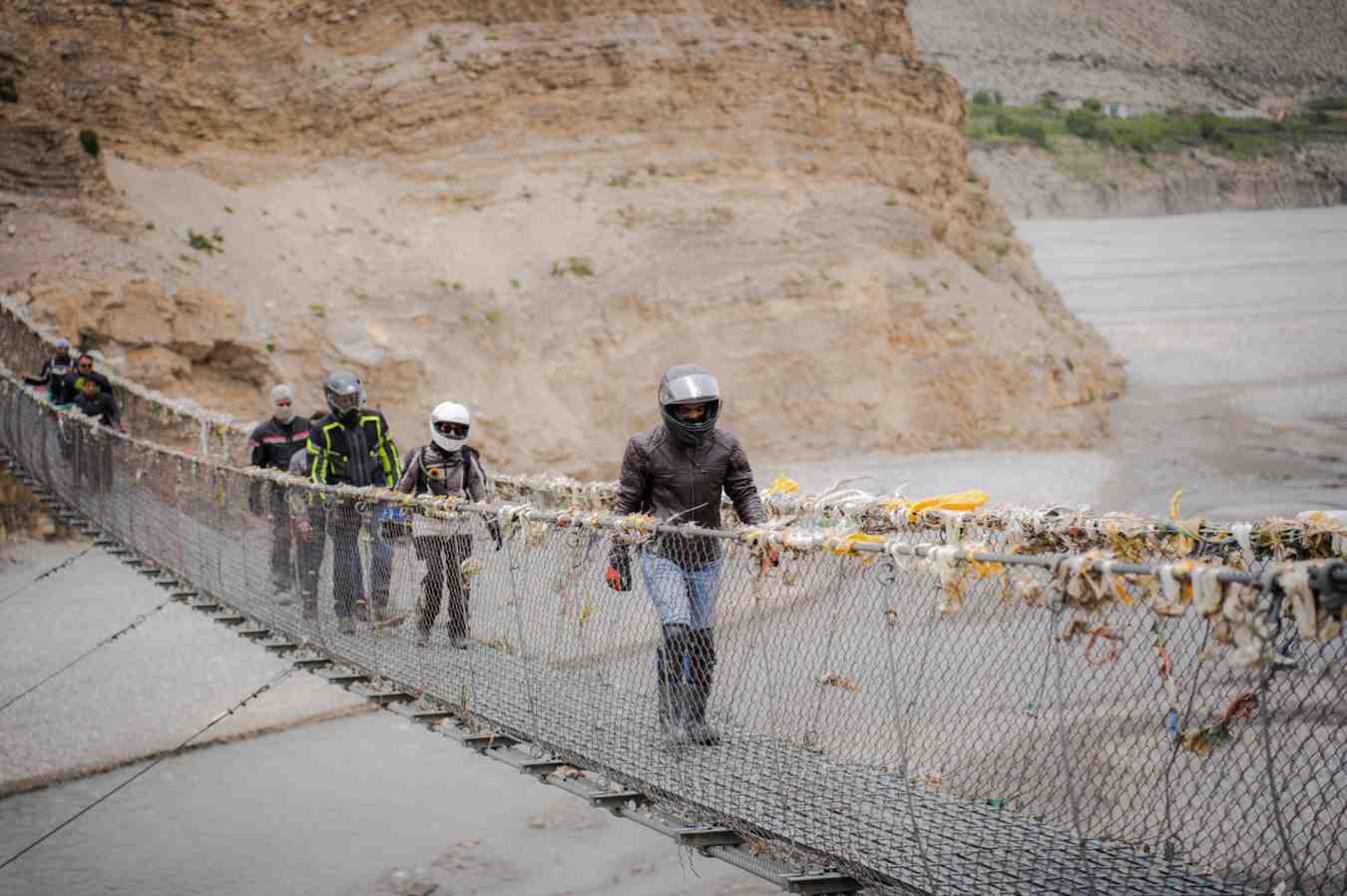
Designing a Work-Ride Rhythm That Holds Up
The failure mode of "workation" travel isn't lack of scenery — it's lack of structure. Riders who try to wing it end up either riding constantly and falling behind on work, or getting stuck indoors and never touching the bike. A rhythm that actually holds for weeks looks more like this:
Fixed Work Blocks
Most remote workers do best locking in 2–3 consistent working hours daily rather than "whenever." Morning-heavy schedules pair well with afternoon rides; if your calls run into evenings back home, flip it — ride first thing, work in the afternoon.
Time Zone Awareness
Nepal sits at UTC+5:45 — an unusual offset that's worth mapping against your team's hours before you commit to a base. A short ride window right after your last call, rather than right before your first one, tends to work better for most riders.
One Base, Radiating Rides
Rather than moving towns every few days, staying put and doing day-rides out and back keeps your workspace and Wi-Fi consistent, which matters more for remote work than it does for regular travel.
How It Works
Choose Your Duration
Two weeks, one month, or longer — no fixed departure dates.
Pick Your Bike
Royal Enfield Himalayan (410cc or 450cc) for hill terrain and rougher roads, Himalayan Scram 411 for mixed riding, or the Honda CRF 250L if you want something lighter and more nimble. Full lineup: nepalmototours.com/fleets.
Set Your Rhythm
Tell us your working hours and how much riding you actually want day to day — we'll suggest a base and nearby routes that fit around it, not the other way around.
Adjust As You Go
If the rhythm isn't working — too much riding, not enough, bad Wi-Fi — tell us and we'll help you recalibrate or relocate.
What's Included
- Motorcycle rental with scheduled maintenance for the length of your stay
- Route suggestions matched to your available riding windows — short loops for weekday mornings, longer rides for weekends
- Local recommendations for stays and cafés with dependable Wi-Fi and workable seating, not just good views
- Roadside mechanical support
- Permit handling if you decide to ride into a restricted area (Upper Mustang, Manang) on a weekend trip — ACAP, RAP, and TIMS sorted for you
- On-request local support: road updates, route changes, mechanical help
Not included: fuel, accommodation, food, and travel insurance (mandatory, and it must specifically cover motorcycle riding).
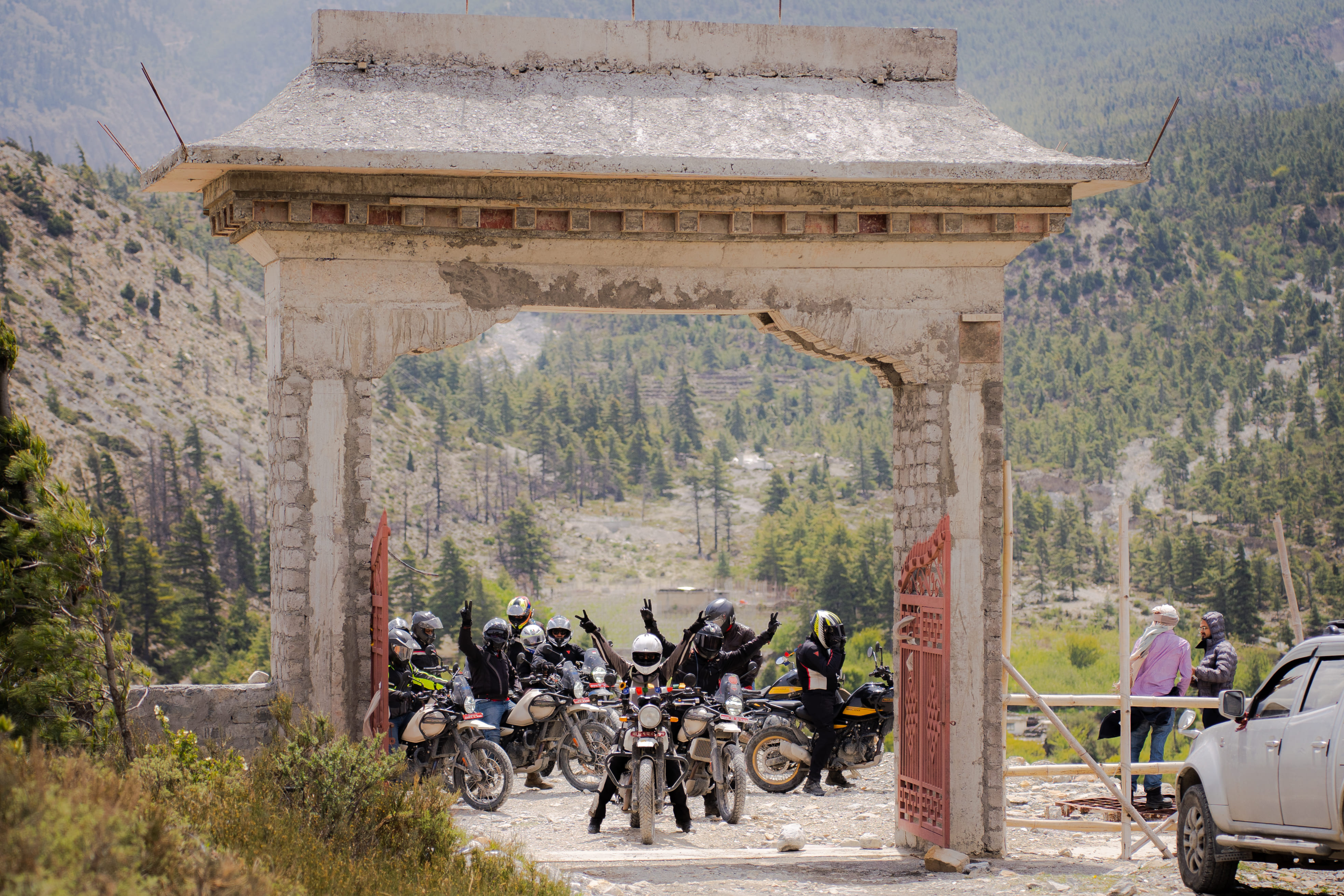
A Typical Work & Ride Day
Morning
Short ride before the workday starts — a hill loop, a lakeside road, whatever clears your head.
Midday
Work block. Calls, deep work, whatever your job actually needs.
Afternoon
A second short ride, or push further out if it's a lighter work day.
Evening
Wind down, plan tomorrow's riding window loosely.
A typical week alternates light weekday rides with one longer weekend ride further from base — Sarangkot, a nearby valley, or a short overnight ride if your schedule allows it.
Who This Is For
Built For
- ✓ Remote employees with fixed working hours
- ✓ Freelancers and founders who set their own schedule but want structure
- ✓ Long-term travelers who want work and riding to coexist, not compete
Probably Not For You If
You want a fixed guided itinerary, or you're not actually working during this trip — in that case, Slow Rider Nepal is the simpler long-stay option.
Build My Work-Ride Rhythm
FAQ
How many hours should I plan to work per day on this?
That's fully up to you — we build routes around whatever schedule you tell us, whether that's 2 hours or 8.
What if my work hours overlap with the best riding light?
Tell us your fixed call times and we'll suggest a base and route pattern that works around them — early starts or late-afternoon rides are usually the fix.
Do I need to stay in one place the whole time?
No, but staying in one base for at least a couple of weeks makes the daily rhythm easier to hold. Moving too often recreates the "different desk, same routine" problem this is meant to avoid.
How's the Wi-Fi for video calls?
Solid in the established bases we recommend (Pokhara, Bandipur, and similar towns — see Nepal Nomad Ride for the full base breakdown). Always worth a speed test on arrival before committing to a call schedule.
Can I take a weekend trip further out — Mustang, Manang?
Yes. We'll help plan a weekend or short multi-day route and sort permits if it's a restricted area.
Do I need riding experience?
Yes, for hill terrain. If you're mostly doing short valley rides near your base, less experience is fine — tell us your plans and we'll match the bike accordingly.
Our Accreditation
Nepal Moto Tours is a fully registered and government-licensed tour operator, so you can ride with complete peace of mind.
Government of Nepal
Registered company under the laws of Nepal
Ministry of Industry, Commerce & Supplies
Licensed tour & travel operator

Nepal Tourism Board
Officially recognised by the national tourism authority
We Are Also On
Find and book our tours on the world's leading travel platforms.