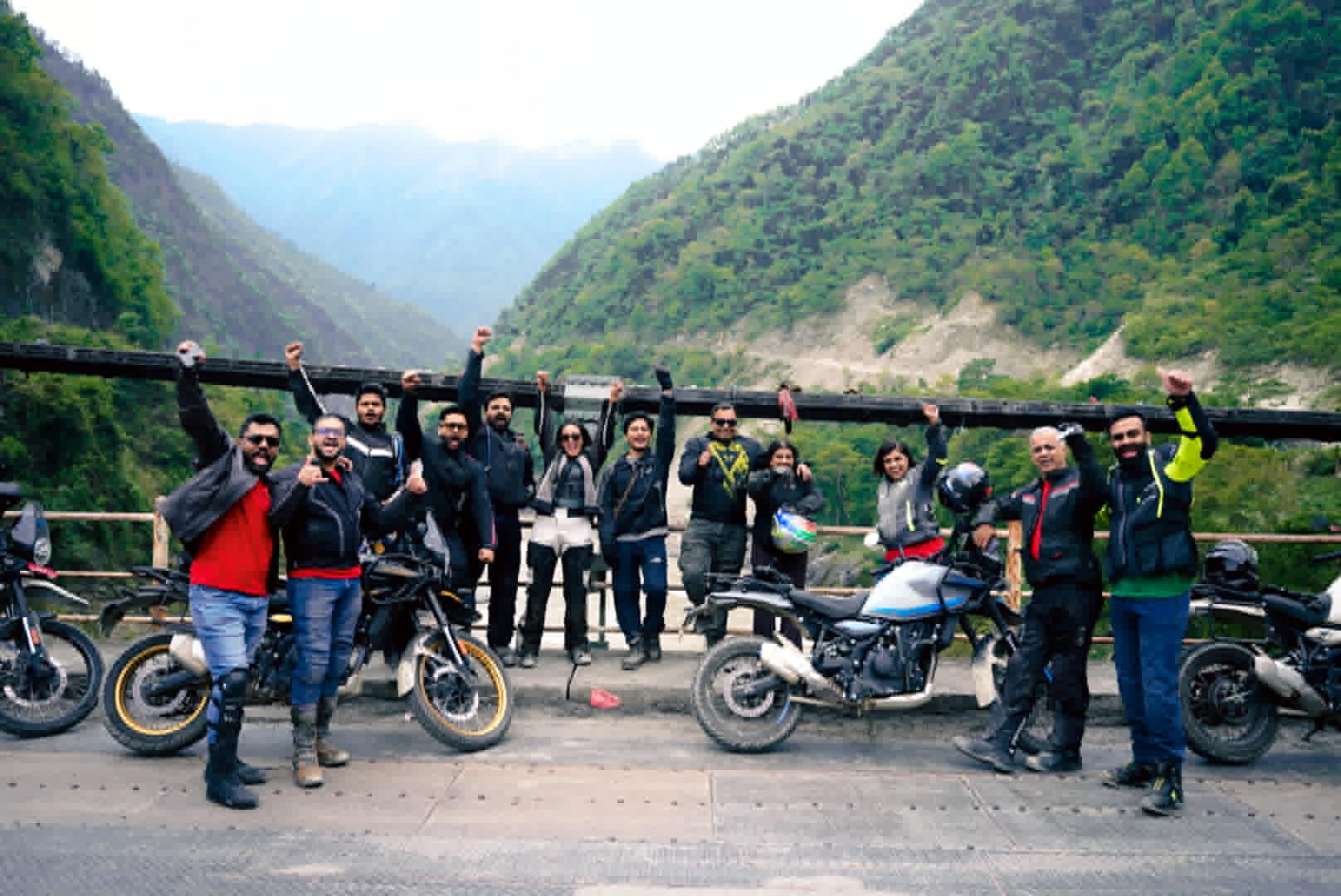
A motorcycle tour in Nepal is one of those rare travel experiences where your budget can swing dramatically depending on how deep you go, both geographically and logistically.
At the surface level, Nepal is affordable. You can rent a bike in Kathmandu, ride to Pokhara, and spend less than what you would in many Southeast Asian destinations.
But as soon as you move beyond the comfortable highway network and start pushing toward the Himalayas, especially into regions like the Manang or Upper Mustang motorcycle tour, costs begin to rise quickly. Not because of luxury, but because of terrain, regulations, and logistics.
In simple terms:
Nepal motorcycle touring can cost anywhere from $80/day for basic independent riding to $3,000+ for a fully supported Himalayan expedition.
This guide breaks everything down in detail so you understand where your money actually goes and how to plan realistically.
Understanding the Nature of Costs in Nepal
Before diving into numbers, it’s important to understand one thing:
Nepal is not expensive because of services, it becomes expensive because of conditions.
Unlike countries with uniform infrastructure, Nepal’s geography creates layers of cost:
- Urban riding = cheap and accessible
- Hill riding = moderate cost with variability
- Himalayan riding = logistically complex and expensive
So when someone says “Nepal is cheap” or “Nepal is expensive,” they are both right, it depends entirely on where you ride.
Main Cost Components (Full Breakdown)
A motorcycle tour cost in Nepal is built from multiple moving parts:
- Motorcycle rental or included bike
- Fuel consumption
- Accommodation
- Food
- Permits (critical in restricted zones)
- Guide, mechanic, support vehicle
- Maintenance and breakdown buffer
- Miscellaneous expenses
Each of these behaves differently depending on your route.
Let’s go deeper.
Motorcycle Rental Cost (Core Expense)
If you’re riding independently, your bike rental in Nepal will be your biggest fixed cost.
Typical rental ranges (2026)
- Scooters (110–150cc): $7–$11/day
- Commuter bikes (150–200cc): $11–$15/day
- Entry ADV bikes: $25–$50/day
- Royal Enfield: $30–$90/day
- Premium ADV bikes: $80–$140/day
Most popular touring bikes
- Royal Enfield Himalayan 411
- Royal Enfield Himalayan 450
- Honda CRF 250
- KTM 390 Adventure
What affects rental pricing?
- Bike condition and year
- Rental provider reputation
- Insurance inclusion
- Maintenance support
- Demand (peak vs off-season)
Real insight:
A cheaper bike often costs more in the long run if:
- It breaks down
- You lose riding days
- You spend on repairs
For Himalayan motorcycle routes, reliability matters more than saving $10/day.
Fuel Cost (Terrain-Driven Expense)
Fuel pricing in Nepal is relatively stable but your consumption is not.
Average daily fuel cost:
- City/highway: $8–$12/day
- Mixed terrain: $10–$20/day
- Himalayan/off-road: $20–$30/day
Why fuel increases in mountains:
- Continuous climbing
- Low gear riding
- Reduced oxygen → inefficient combustion
- Rough roads → inconsistent throttle
Example:
Riding from Pokhara to Mustang can double your fuel usage compared to flat riding.
Accommodation Cost (Highly Variable)
Nepal offers a wide range of lodging, but your location determines availability.
Typical pricing:
Cities:
- Budget: $15–$30
- Mid-range: $35–$70
- Premium: $60–$150+
Remote regions (Mustang / Manang):
- Basic lodges only
- Cost: $20–$40
Important reality:
Higher altitude does NOT mean luxury, it means:
- Limited supply
- Higher transport cost
- Basic facilities
Food Cost (Affordable but Repetitive)
Food is one of the cheapest parts of traveling in Nepal.
Daily cost:
- Local meals: $5–$15/day
- Tourist restaurants: $15–$30/day
Common rider meals:
- Dal Bhat (staple)
- Noodles / soups
- Eggs, tea
Pro tip:
Dal Bhat is unlimited in many places, making it the most cost-effective and energy-efficient option.
Permit Costs (The Biggest Price Driver)
This is where Nepal becomes fundamentally different from most motorcycle destinations.
Example: Upper Mustang permits
- Restricted Area Permit (RAP):
$50/day - ACAP permit:
$25–$30
Total permit cost:
👉 $150–$300 per rider
Why permits exist:
- Cultural preservation
- Controlled tourism
- Border security (Tibet proximity)
Key restriction:
- Solo riding not allowed beyond certain zones
- Licensed guide required
This single factor turns Mustang into a premium expedition.
Guide, Mechanic & Support Costs
For remote routes, support becomes essential.
Daily costs:
- Guide: $40–$70
- Mechanic: $30–$50
- Support vehicle: $100–$150
Why support is critical:
- No workshops in remote areas
- Navigation challenges
- Emergency handling
- Altitude-related risks
These are usually bundled in guided tours.
Guided Tour Packages (Most Practical for Foreign Riders)
Typical pricing:
- 5–7 days: $900–$1,500
- 8–12 days: $1,500–$2,500
- 10–14 days Mustang: $2,000–$3,000+
What’s included:
- Bike
- Permits
- Accommodation
- Guide + mechanic
- Support vehicle
Why people choose this:
- No planning stress
- Safer in remote terrain
- Better time efficiency
Independent vs Guided Riding
Independent riding
Cost:
$40–$120/day
Best for:
- Experienced riders
- Flexible travel style
- Budget-focused trips
Guided tours
Cost:
$180–$300/day equivalent
Best for:
- First-time Nepal riders
- Remote regions
- High-altitude expeditions
For Lo Manthang, guided tours are effectively mandatory.
Hidden Costs Riders Often Miss
These are often overlooked:
- Bike deposit
- Spare parts
- Puncture repairs
- Extra fuel transport
- SIM/internet
- Insurance
- Emergency funds
Note: Add buffer: $150–$300
Why Himalayan Routes Are Expensive
1. Restricted permits
2. Low infrastructure
3. Support dependency
4. Weather risks
Cost is driven by survival logistics, not comfort.
Cost by Route Type
Easy (Kathmandu / Pokhara)
- $40–$80/day
Moderate (Manang)
- $150–$180/day
Advanced (Mustang)
- $180–$300/day
Cost Optimization Strategies
- Ride in groups
- Choose reliable mid-range bikes
- Eat local food
- Avoid peak season
- Plan fuel stops
Conclusion
Nepal is not expensive by default.
It becomes expensive when you enter:
- Remote terrain
- Restricted regions
- High-altitude environments
Because at that point, you are paying for:
- Access
- Logistics
- Safety
Nepal starts as a budget ride but turns into a true expedition the deeper you go into the Himalayas.