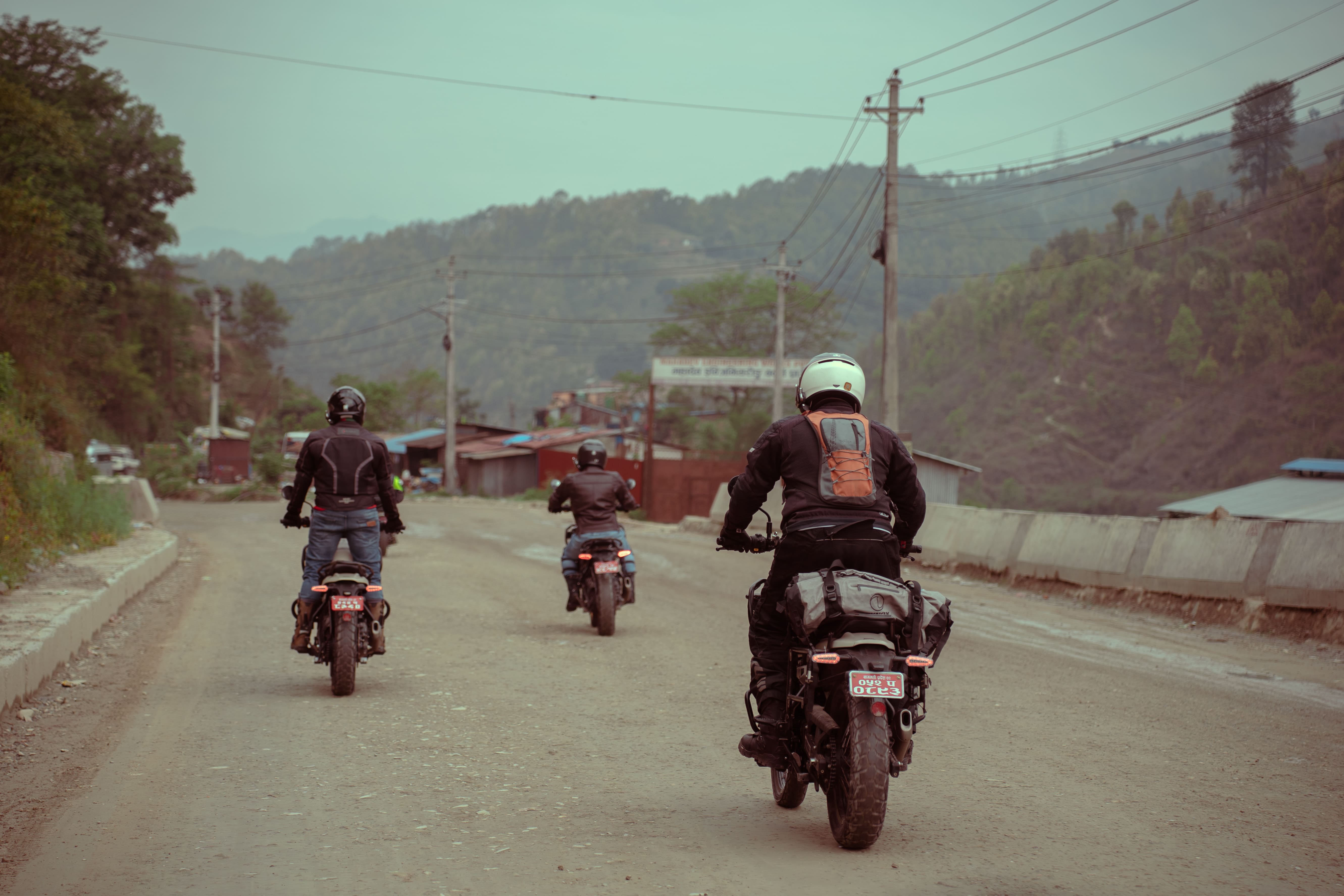
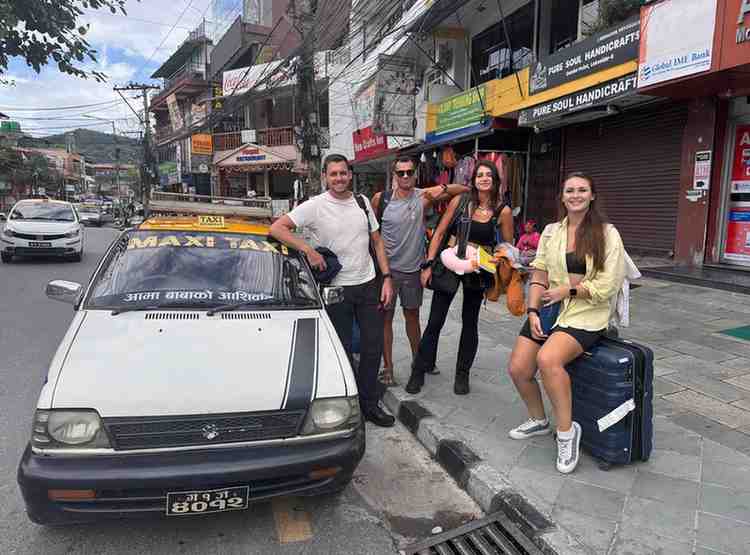
There is a particular kind of arrival story that is becoming more common in Kathmandu's Thamel area. A rider lands at Tribhuvan International Airport with a duffel bag of gear, a riding licence, and no fixed itinerary. Within 24 hours, they rented a Royal Enfield Himalayan from one of the dozens of bike rental shops along the main streets, collected their ACAP permit from the Nepal Tourism Board office, and pointed the front wheel toward the Annapurna region or Upper Mustang.
This rider is not a new type of traveller for Nepal. What is new is how many of them there are, where they come from, how long they stay, and most significantly how much economic activity they leave behind in the places no trekker on foot ever reaches.
Motorcycle tourism in Nepal is growing. Not in the headline-grabbing way of Everest summit records or large-scale hotel development, but in the quieter, more durable way that genuinely transformative economic shifts tend to happen: village by village, lodge by lodge, mechanic shop by mechanic shop, along roads that didn't exist fifteen years ago.
This is the story of that growth, told with data, with ground-level observation, and with the conviction of people working inside it every day.
The Numbers Behind Nepal's Tourism Rebound
To understand where motorcycle tourism sits, you first have to understand what is happening to Nepal's tourism sector overall.
According to the Nepal Tourism Board, Nepal welcomed 1,147,567 international visitors in 2024, a 13.1% increase over 2023 and a 96% recovery of pre-pandemic arrival levels. The average daily arrival figure was 3,144 tourists.
By the end of 2025, that number had reached 1,158,459 international visitors, representing 97% recovery against Nepal's 2019 benchmark, according to data published by Ecosphere News citing the Nepal Tourism Board's December 2025 Tourism Insight Report.
The economic weight behind these numbers is substantial. Tourism accounts for approximately 7–8% of Nepal's GDP when direct and indirect impacts are combined, according to the Nepal Rastra Bank. In fiscal year 2024/25 alone, the sector earned Rs 88.66 billion in foreign exchange from 1,146,000 international tourists. The sector supports an estimated 1.05 to 1.2 million jobs across the country, approximately 6.7% of total national employment, according to the World Travel and Tourism Council.
Adventure tourism , including trekking, mountaineering, wildlife safaris, and increasingly motorcycle expeditions, represents approximately 14% of visitor motivations, according to data cited by the Himalayan Gazette. That fraction, modest in percentage terms, punches well above its weight in economic impact because adventure tourists stay longer, spend more per day, and reach communities that mass-market tourism never touches.
Motorcycle tourists are concentrated in this cohort.
The Rise of the International Motorcycle Rider in Nepal
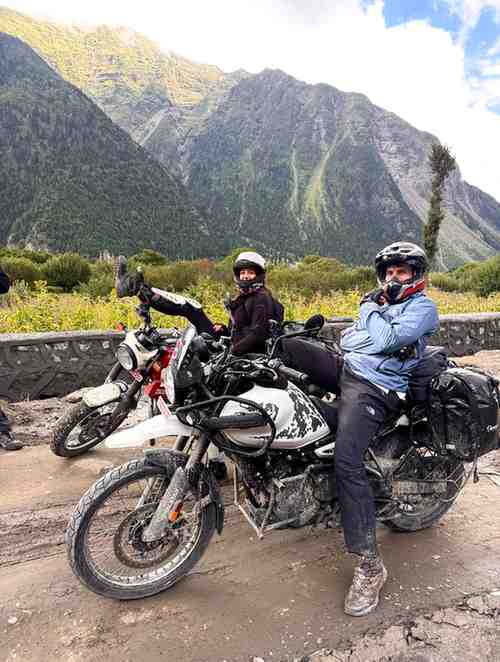
There is no single government registry that counts motorcycle tourists as a distinct category in Nepal's arrival data. They are folded into the broader adventure tourism figure, which itself sits within the general international arrival count. This absence of dedicated tracking is, in itself, a signal: motorcycle tourism has been growing organically, below the official statistical radar, driven by demand rather than by marketing strategy.
What the data does show is that the countries sending the most growth in arrivals to Nepal are precisely the countries with strong motorcycle adventure tourism cultures. The Nepal Tourism Board recorded significant growth from the United States (up 10.8% in 2024 to 111,216 visitors), Germany (up 10.5% to 29,801 visitors), the United Kingdom (up 8.9% to 57,554 visitors), Australia (up 13.4% to 43,980 visitors), and France (up 8.5% to 25,126 visitors). These five countries — all with established adventure motorcycle travel communities — collectively sent over 267,000 visitors to Nepal in 2024 alone.
The infrastructure tells the rest of the story. In May 2026, Royal Enfield Nepal organised its first-ever Rental Partners Meet in Lalitpur, convening operators of 40 motorcycle rental companies across Nepal alongside representatives from Royal Enfield India. The explicit purpose: to formalise and accelerate Nepal's two-wheeler tourism sector. Discussions covered regulatory complexity, infrastructure gaps, and sustainable development. Speakers at the event stated directly that two-wheeler tourism can play a significant role in bringing foreign tourists to Nepal, creating employment, and promoting lesser-known tourist destinations.
Forty rental companies gathering to discuss sustainable development of a sector is not the profile of a niche interest. It is the profile of an industry reaching the point where organisation becomes necessary.
Globally, the motorcycle rental market was valued at USD 385.2 million in 2024 and is projected to reach USD 423.3 million in 2025, driven specifically by adventure tourism demand, according to Grand View Research. The off-road segment, most relevant to Nepal's mountain routes, is expected to grow at a CAGR of 11.4% through 2030. Royal Enfield, in April 2024, launched a formal motorcycle rental business across 52 touring destinations in 25 countries. Nepal is central to this expansion.
Nepal's domestic motorcycle market reinforces the picture. According to MotorcyclesData, Nepal's two-wheeler market grew by 4.6% in 2024, with 167,764 units sold. Seventy-eight percent of circulating vehicles in Nepal are motorcycles. The country's challenging geography, which makes four-wheeled access difficult or impossible in many areas has embedded motorcycles as the primary mobility technology. The population that services, maintains, fuels, and operates these motorcycles is already in place. What motorcycle tourism does is convert that domestic capability into export-facing economic activity.
Local Employment: Who Actually Benefits from a Rider Arriving in Nepal
The standard tourism employment narrative focuses on hotels and restaurants. Motorcycle tourism creates a different and in some ways more distributed employment footprint.
Consider the direct employment chain triggered by a single international rider on a 14-day Upper Mustang motorcycle expedition:
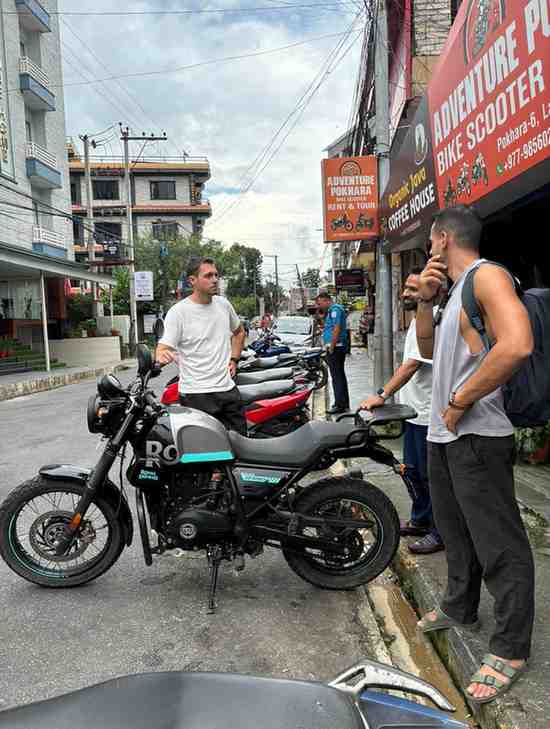
The rental shop: The bike rental industry in Thamel alone has created hundreds of direct jobs: rental agents, mechanics, gear sales staff, and booking coordinators. Daily rental rates range from USD 10 to USD 100 per day depending on bike type, with weekly and monthly discounts. A 10-day rental of a Royal Enfield Himalayan generates approximately USD 300–700 in direct rental revenue to the local business.
The licensed guide: Nepal's mandatory guide regulation, in force since April 1, 2023, requires foreign trekkers and guided riders in protected areas to be accompanied by a licensed guide. A motorcycle guide earns approximately USD 25–40 per day, meaningfully higher than the average porter wage and representing skilled, valued local employment. Over a 10-day expedition, a guide earns USD250–400 plus gratuity. The Nepal Tourism Board's own data shows 27,128 licensed trekking guides registered nationwide as of mid-2025, a number that continues to grow as the mandatory guide regulation creates sustained demand.
The mechanic: This is the employment category unique to motorcycle tourism and entirely absent from trekking's economic footprint. Every motorcycle expedition generates mechanical service needs pre-departure checks, mid-route adjustments, and post-trip servicing. The mechanic workshops in Kathmandu's Thamel, Pokhara's Lakeside, and Jomsom have expanded their capacity specifically in response to rider demand. A single guided motorcycle tour with a support vehicle typically employs a dedicated mechanic for the expedition duration, creating skilled technical employment that pays above the median wage.
The support vehicle driver: Guided motorcycle expeditions operate with a backup jeep carrying spare parts, fuel reserves, camping equipment, and the mechanic. This vehicle requires a licensed driver, typically a local from the trekking or adventure tourism sector. The employment is expedition-length, 10 to 30 days of consecutive paid work per trip.
Rural Income: The Reach That Trekking Can't Match
Here is the economic argument for motorcycle tourism that most analysis misses: riders go further, faster, and to more villages than trekking tourists, including many that haven't seen significant tourist traffic in years or decades.
The construction of the Kali Gandaki valley road that now enables motorcycle access to Upper Mustang initially caused concern among tourism observers. The Nepal Economic Forum, in a field study published in January 2025, documented that road construction transformed traditional trekking patterns in the Annapurna Circuit, reducing foot traffic to villages on the old trail and shifting economic activity. But it also opened the entire Upper Mustang region to a new category of visitor, the motorcycle rider, who can reach Lo Manthang in four days rather than fourteen.
The economic model of motorcycle tourism in these remote areas works differently from trekking. Because riders typically move faster between villages, they don't necessarily generate the accommodation nights that trekking does. But they generate fuel sales, food revenue, and permit-fee income and they reach villages that trekking's slower pace rarely prioritises.
In the Annapurna Conservation Area, the region recorded 299,831 foreign tourists in 2025, according to Travel and Tour World citing official ACAP data, a number that includes trekkers, jeep tourists, and motorcycle riders. The ACAP permit fee, at NPR 3,000 (approximately USD 22–25) per person, generates direct conservation funding that flows back into trail and village infrastructure maintenance throughout the region.
The ILO has documented Nepal's community-based tourism model as a direct rural income driver. In a case study published on ilo.org, the organisation noted that home-stay programmes and locally guided trekking routes have created stable income sources for farming families in remote Himalayan communities , families who have no other access to cash-economy employment. Motorcycle tourism extends this model to villages along the road network that foot-based tourism would take days to reach.
Hotels and Accommodation: A New Investment Wave
The road is the precondition. But the accommodation follows, and it is following visibly.
In fiscal year 2024/25, the Department of Industry registered 304 foreign-invested tourism industries with a total investment commitment of Rs 26 billion, according to Nepal News. The tourism sector attracted Rs 6 billion in foreign direct investment in a single month of 2025 alone. Five-star hotel capacity expanded by 18% year-on-year, according to the Himalayan Gazette.
Within the motorcycle tourism corridor, Kathmandu to Pokhara, Pokhara to Jomsom, Jomsom to Lo Manthang — hotel and lodge investment is happening at every tier. In the cities, motorcycle-specific accommodation is emerging: guesthouses with secure enclosed parking, bike-wash facilities, early departure check-outs for riders who want to beat the Kali Gandaki afternoon winds, and tool storage areas where guests can do basic maintenance.
In the mountain villages, the picture is more fundamental. The teahouse lodges that line the Upper Mustang route from Kagbeni northward have been upgrading their facilities specifically because the motorcycle tourist demographic, who tends to be older, wealthier, and willing to pay more for modest comfort improvements, sets a higher expectation than the budget backpacking market. Solar heating panels, improved bathroom facilities, and better-quality bedding are appearing in lodges that previously offered the bare minimum because that was all their clientele required.
In Lo Manthang itself, the improvement in accommodation has been documented by the local municipality as a priority response to increased visitor numbers, particularly in the jeep and motorcycle tourism categories that have grown fastest since the road opened. When Nepal announced it was restructuring Upper Mustang's RAP entry fee system in late 2025, the explicit intent was to make the region accessible to more tourists while ensuring revenue directly benefits local communities. Local stakeholders, the report noted, were pinning significant hopes on motorcycle and jeep tourism as the growth category most likely to respond to fee restructuring.
Guides and Their Evolving Role in Motorcycle Tourism
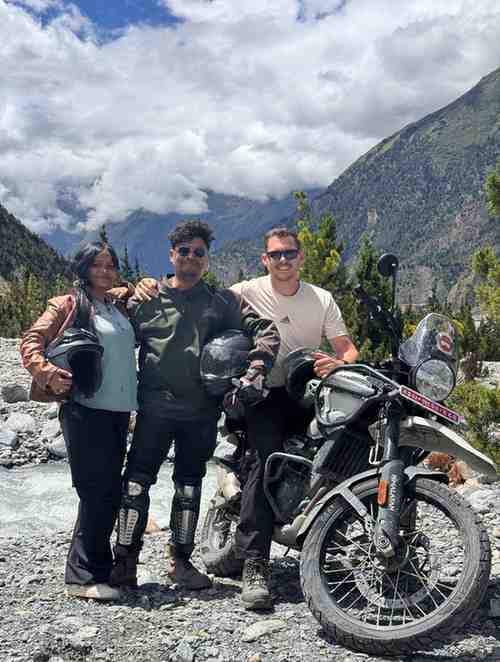
The motorcycle guide is a different professional from the trekking guide, and it is worth being specific about why.
A trekking guide navigates trails, manages altitude risks, communicates with local communities, and handles cultural mediation between foreign clients and Himalayan environments. A motorcycle guide does all of this, plus manages the rider's mechanical situation, scouts terrain conditions ahead, selects safe crossing points at river fords, monitors altitude effects on both rider and engine, coordinates with the support vehicle mechanic, and sometimes physically assists riders through technical sections by guiding the bike while the rider walks alongside.
The skill set is more complex. The daily rate is higher. The career trajectory is more specialized.
Motorcycle-specific guiding is creating a new professional category within Nepal's tourism workforce, experienced riders who have combined trail knowledge with mechanical competence and customer service capability. The training pathways for this category remain informal, learned through seasons of experience rather than through formal certification. This is both a gap and an opportunity: as the sector professionalises, formal certification for motorcycle guides would create quality standards that benefit both riders and the guides themselves.
The Nepal government's mandatory guide requirement, introduced in April 2023, has directly expanded the employment base of licensed guides across all adventure categories. The Ministry of Tourism's registered guide count stood at 5,269 licensed tour guides and 27,128 trekking guides as of mid-2025, according to data compiled by the Himalayan Gazette. Within this workforce, motorcycle guiding represents a growing specialism — undercounted because it's not yet tracked as a discrete category, but visible to anyone operating in the industry.
Mechanics: The Invisible Workforce Behind Every Expedition
Walk down the back streets of Thamel in Kathmandu at 7 am on a Tuesday morning in October and you will find something that tells you more about Nepal's motorcycle tourism economy than any official report.
You will find mechanics.
Young men in overalls bent over Royal Enfields, checking tyre pressure, adjusting chains, testing brake fluid, torquing wheel nuts on bikes being prepared for riders departing that morning for Pokhara or the Mustang corridor. Small workshops that open before dawn during peak season because the demand is there and the riders have schedules to keep.
These are not large formal enterprises. They are often family-run operations, sometimes a single mechanic and one or two apprentices, occupying a narrow space between guesthouse fronts. But they are real employment — skilled technical work that pays above unskilled labour rates, provides year-round income during peak season, and creates apprenticeship pathways that don't depend on formal education systems.
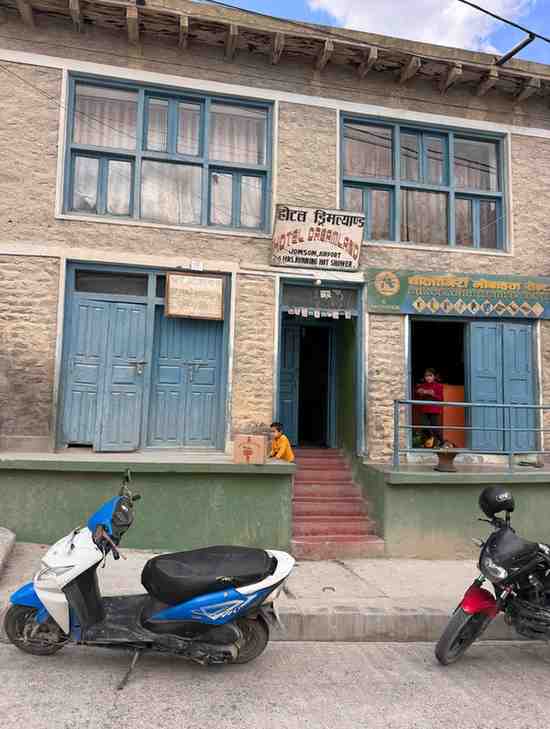
The mechanic workshop economy in Kathmandu's Thamel and Pokhara's Lakeside has grown in direct proportion to the motorcycle rental fleet. As operators like Bikemandu, Namaste Motorbike, Himalayan Motorbikes, and BS Motorbike Rental have expanded their fleets, the mechanical service demand has expanded with them. And on the road — in Jomsom, the last reliable service point before Upper Mustang — the same pattern is visible. Mechanics who previously serviced local transport vehicles now run dedicated sections of their workshops for the touring motorcycle market.
Beyond the base cities, the expedition model creates mobile mechanical employment. Every guided motorcycle expedition to Upper Mustang or the Annapurna Circuit operates with a backup vehicle that carries a dedicated expedition mechanic. This person — typically a skilled technician from Kathmandu or Pokhara — earns expedition-rate pay for the duration, which for a 10–12 day Upper Mustang motorcycle trip represents significant income relative to the local median.
Fuel Stations: A Road Economy Indicator
Fuel availability is the most direct indicator of how the motorcycle touring economy has penetrated a region. In Upper Mustang, there are no fuel stations beyond Jomsom, a fact that every experienced guide and motorcycle tour operator in Nepal knows and plans around. But the presence of informal fuel sales in villages from Tatopani to Marpha, where local shops stock petrol in containers for the touring market, represents real small-business revenue that didn't exist before the road made vehicle access possible.
The pattern of fuel demand from motorcycle tourism has a geographic distribution effect that matters for rural economies. Unlike air tourists who refuel only at the origin city, motorcycle tourists buy fuel repeatedly along the route — in Beni, in Tatopani, in Jomsom, in villages along the Kali Gandaki corridor. Each purchase is a small transfer of tourist spending to a local economy that wouldn't otherwise see it.
Homestays: The Deepest Form of Economic Integration
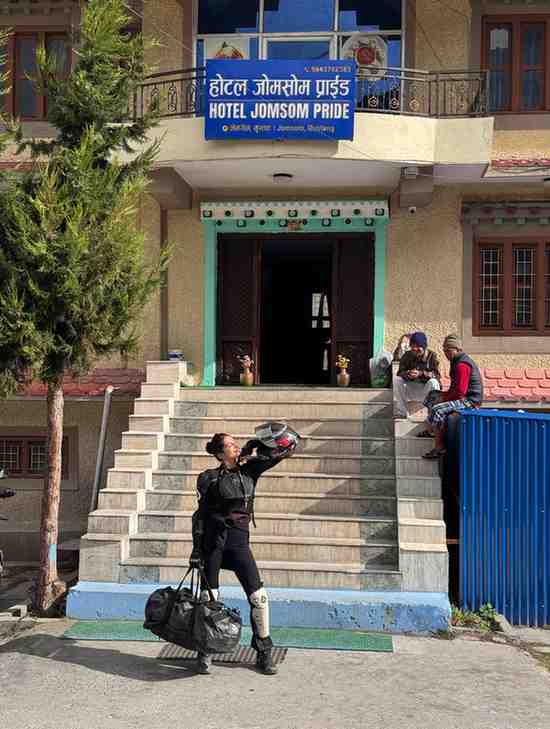
The homestay model — where tourists stay with local families rather than in commercial guesthouses — is the most intensive form of tourism economic integration available. Every rupee of homestay spending stays in the household, the community, and the village rather than flowing to an urban-owned accommodation company.
The ILO has documented this model's effectiveness in Nepal's rural tourism zones specifically. As reported on the ILO's resource page, homestay programmes allow visitors to experience rural Nepali household life and local culture while providing income for farming families who have no other cash-economy access. The ILO-backed Employment and Peace-building through Local Economic Development initiative demonstrated that homestay tourism created stable seasonal income for families whose primary livelihood — agriculture — is both labour-intensive and unpredictable.
Motorcycle tourism is increasingly feeding this model in specific ways. Riders exploring the secondary road networks around Kathmandu Valley — the Nuwakot route, the Chandragiri loop, the Panauti circuit — are staying in village homestays at a rate that organised trekking rarely generates on these routes. The combination of motorcycle mobility (covering more geographic ground per day) and the experiential preference of many motorcycle tourists (genuine local immersion over resort comfort) creates natural alignment with the homestay model.
The Sustainability Case for Motorcycle Tourism
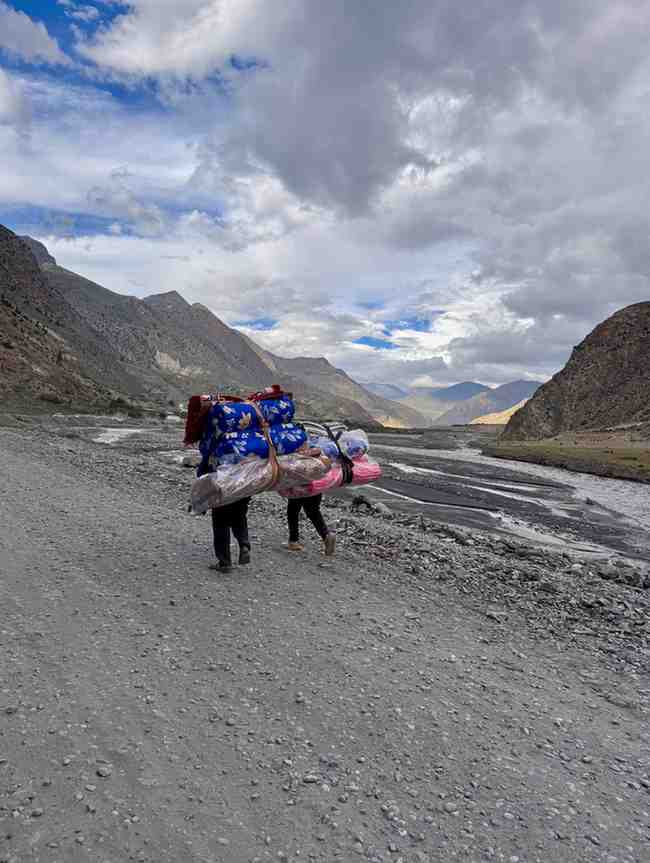
The sustainability argument for motorcycle tourism in Nepal is not obvious — motorcycles burn fuel, generate noise, and in concentrated numbers could damage fragile high-altitude ecosystems. These are real concerns that deserve honest acknowledgement.
But the comparison class matters. The alternative to motorcycle tourism in Upper Mustang is not no tourism — it is jeep tourism, which places more passengers in larger, heavier vehicles. The comparison to trekking is more complex: trekking distributes visitors more slowly and leaves a smaller ecological footprint per visitor, but it reaches fewer communities and generates less economic activity in the road-accessible villages that have built livelihoods around serving motor traffic.
The strongest sustainability argument for motorcycle tourism is distributional. Motorcycle tourists are generally higher-spending, longer-staying, and more geographically dispersed than bus or jeep tourists. A motorcycle rider who takes 14 days to complete the Mustang circuit — sleeping in a different village each night, eating local food, hiring a guide and a mechanic, buying fuel at multiple points along the route — distributes their spending across fifteen or twenty distinct micro-economies. A day tripper in a jeep from Pokhara distributes that same budget across two or three stops.
The permit system reinforces sustainability economics. The Upper Mustang RAP at USD 50 per person per day, the ACAP at NPR 3,000, and the mandatory guide requirement collectively mean that every motorcycle tourist who enters Nepal's restricted mountain regions makes a direct contribution to conservation funding and local employment before they have even ridden their first kilometre into the restricted zone.
As Royal Enfield Nepal noted at its Rental Partners Meet 2026, the sector's potential to promote lesser-known destinations is specifically relevant to Nepal's long-term diversification challenge — reducing the concentration of tourist revenue in the Kathmandu–Pokhara–Everest corridor and spreading economic activity to districts that have been structurally marginalised from tourism income.
What the Data Doesn't Yet Show
Nepal doesn't yet track motorcycle tourists as a distinct arrival category. There is no dedicated permit category, no separate accommodation registration, no sub-sector economic analysis. The growth is real but largely invisible to official statistics, which means it is also underrepresented in policy discussion, underserved by infrastructure investment, and under-leveraged in Nepal's international tourism marketing.
This is beginning to change. Royal Enfield's formal engagement with Nepal's rental industry through the 2026 Rental Partners Meet signals that the corporate motorcycle sector recognises the country as a strategic priority. The Nepal Tourism Board's broader adventure tourism promotion increasingly features motorcycle expedition imagery. And the organic word-of-mouth circuit among international adventure riders — on forums like ADVrider, in YouTube expedition documentaries, and across the social networks of the global riding community — continues to build destination awareness at a rate that no marketing budget could match.
Nepal's motorcycle touring economy in 2026 is where trekking tourism was in the late 1970s: growing, structurally sound, economically significant at the community level, and not yet fully legible to the national policy framework that will eventually need to manage and support it.
What This Means for Nepal's Adventure Economy
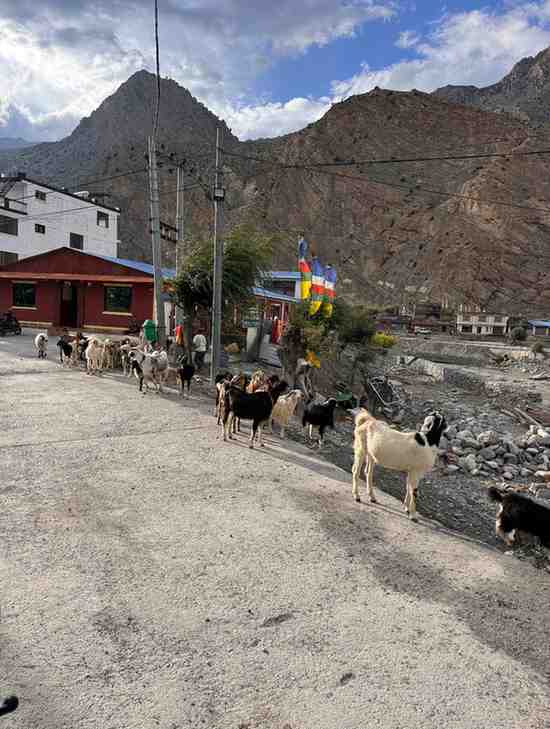
Motorcycle tourism is not going to replace trekking. Nepal's trekking economy — which supported over 27,000 licensed guides, generated hundreds of millions of rupees in permit revenue, and created employment in teahouses, lodges, and porter services across the Himalayan region — is too large, too established, and too deeply woven into Nepal's tourism identity to be displaced by any adjacent sector.
But it is going to complement it, fill gaps it cannot reach, and build economic infrastructure in communities that trekking's foot-speed geography has never fully served.
The international rider arriving in Kathmandu with a duffel bag and no fixed itinerary is not just a tourist. They are a mobile economic unit that generates employment for rental staff, guides, mechanics, support drivers, fuel sellers, teahouse cooks, and homestay families across a 400-kilometre corridor — reaching villages and road sections that walking tourists rarely visit and air tourists never see.
At Nepal Moto Tours, we have been watching this economy build from the ground up since we started operations in 2022. We see it in the expanding rental fleets in Thamel. We see it in the new lodges opening along the Kali Gandaki road. We see it in the growing professionalism of motorcycle guides who understand that their role goes beyond navigation — they are economic connectors between international visitors and remote Himalayan communities that need exactly the kind of dispersed, extended-stay, locally-spending visitor that motorcycle tourism delivers.
Nepal's mountains have always attracted people willing to work hard to see them. Motorcycle tourism is simply the latest, and in many ways the most economically efficient, form that effort has taken.
We believe it is becoming one of the country's most sustainable adventure sectors. And the data , from Kathmandu's rental shops to the teahouses of Lo Manthang — is starting to agree.