Every adventure motorcycle destination claims superlatives. Best roads. Most breathtaking views. Once-in-a-lifetime ride. Scroll through enough tour operator websites and the language becomes interchangeable, the same adjectives reshuffled across a dozen countries, none of them actually arguing the case, all of them simply asserting it.
Nepal's claim to being the ultimate motorcycle adventure destination is different, and it is worth making properly, because the country genuinely does combine something almost nowhere else combines at the same intensity: extreme elevation range within single riding days, a road network spanning sealed highway to riverbed crossing, a cultural and religious diversity that shifts dramatically with altitude, and an accessibility, in cost, permit complexity, and rider skill requirement that more famous Himalayan destinations like Ladakh and Bhutan cannot match.
This guide makes that case in full, with the comparative reasoning most Nepal motorcycle content skips, plus the practical foundation, routes, seasons, permits, bikes, costs — every serious rider needs before booking flights.
What "Ultimate" Actually Requires
A genuine ultimate destination needs terrain diversity sufficient to challenge riders across multiple disciplines within one trip, not just technical off-road riding, but sustained high-altitude endurance, river crossings, and varied surface conditions. It needs cultural depth that rewards the journey beyond the riding itself. It needs accessibility, permits that are obtainable, costs that are not prohibitive, infrastructure that keeps genuine adventure from tipping into genuine danger. And it needs a riding culture and local support network robust enough that a rider in trouble is not actually alone.
Most destinations claiming "ultimate" status deliver on one or two of these exceptionally and fall short on the others. Nepal is unusual in delivering credibly on all four.
The Terrain Argument: Nowhere Else Compresses This Much Variety
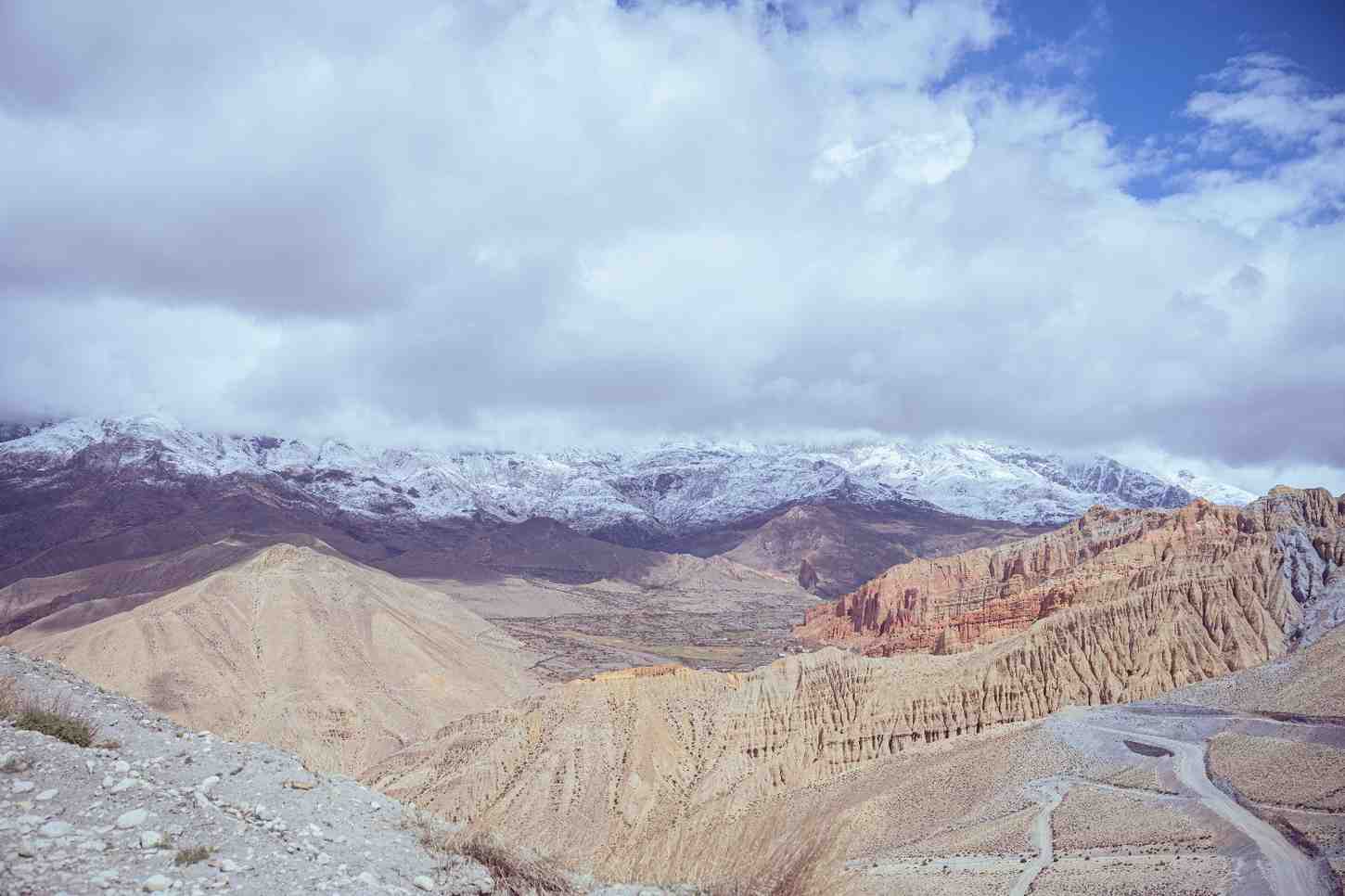
Nepal's defining geographic fact, and the one underlying everything else in this article, is its elevation range. Within the country's modest east-west width, the land rises from 60 metres above sea level in the Terai lowlands to 8,849 metres at the summit of Everest — the largest elevation range of any country on earth relative to its land area.
For a motorcyclist, this means the ability to ride through tropical jungle, temperate hill country, alpine forest, and high-altitude desert within the same multi-day journey, often within the same single day. The ride from Pokhara toward Muktinath moves through subtropical river valleys, climbs through pine and rhododendron forest, and arrives in the high desert of Lower Mustang, three distinctly different worlds, covered in hours.
Comparing Terrain Diversity to Other Himalayan Destinations
Ladakh offers spectacular high-altitude riding but altitude of a relatively consistent character throughout. The Manali–Leh Highway sustains high desert and high mountain terrain with limited lower-elevation variation. Bhutan's mountain roads are stunning but operate within a narrower elevation band and a restricted, guide-mandated travel system. Northern Pakistan's Karakoram Highway offers genuine scale but with a security and logistics overhead beyond most riders' practical reach.
Nepal's combination of accessible permits, genuine terrain variety, and a road network spanning paved highway to technical single-track gives riders a breadth the alternatives, for different reasons, cannot match.
Why the Roads Themselves Are the Adventure
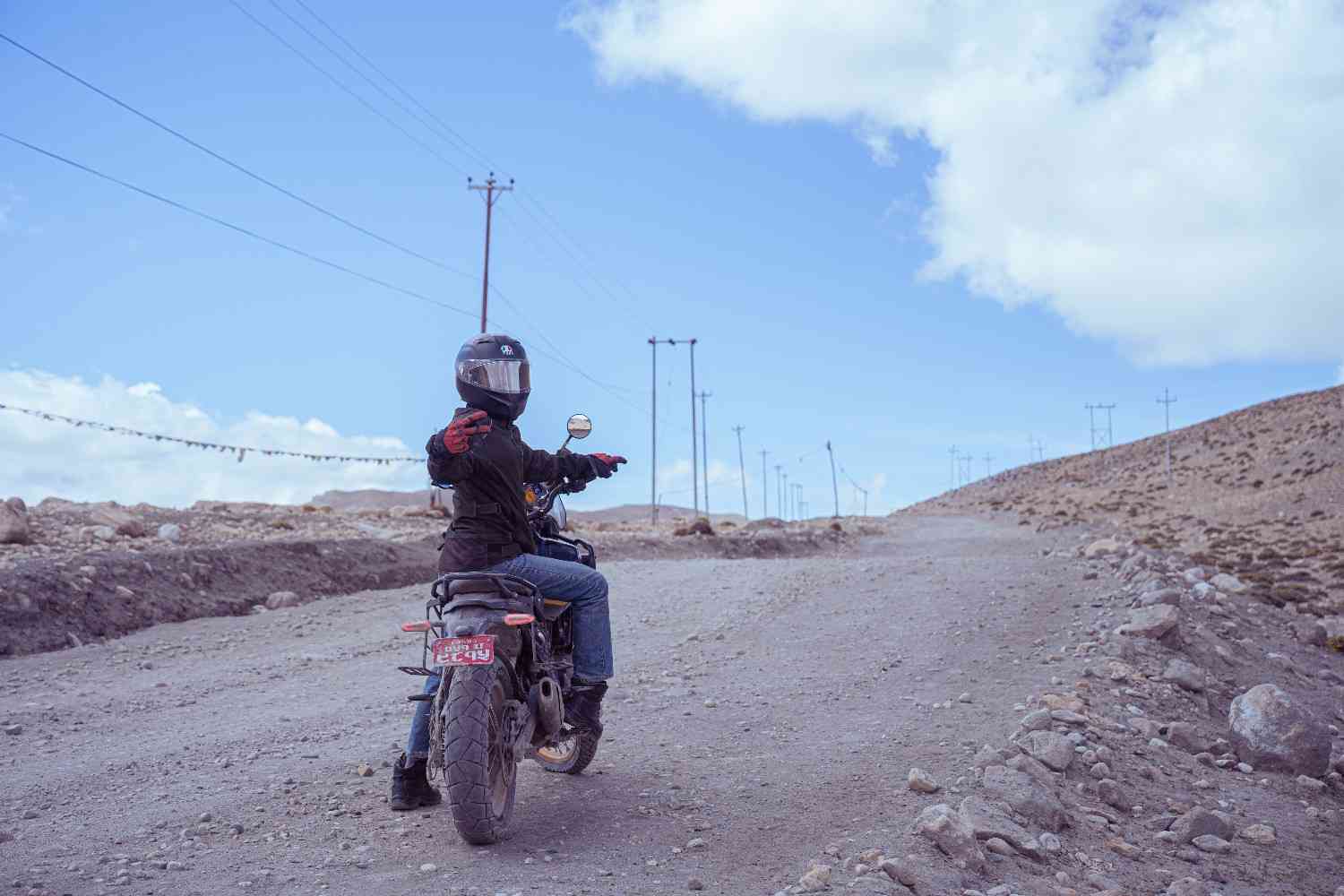
A road that is simply difficult is not automatically interesting. What makes Nepal's mountain roads compelling is the specific character of their difficulty, variable, demanding active skill rather than passive endurance, constantly changing.
The route toward Upper Mustang through the Kali Gandaki gorge demonstrates this clearly. Within a single day, a rider encounters loose river-bed gravel, exposed rock shelves, recently graded track, and stretches where wind, channelling through the gorge between the Annapurna and Dhaulagiri massifs becomes as significant a factor as the surface itself. The Manaslu Circuit and Tsum Valley trails add genuine technical single-track, while the Kathmandu–Pokhara corridor via Bandipur offers a gentler, substantially paved introduction for less experienced riders.
This range matters because Nepal doesn't force riders into a single difficulty register. A two-week trip can be structured to build progressively from manageable touring to genuinely demanding technical riding.
The Cultural Layer: Why Nepal Rewards More Than Just Riding
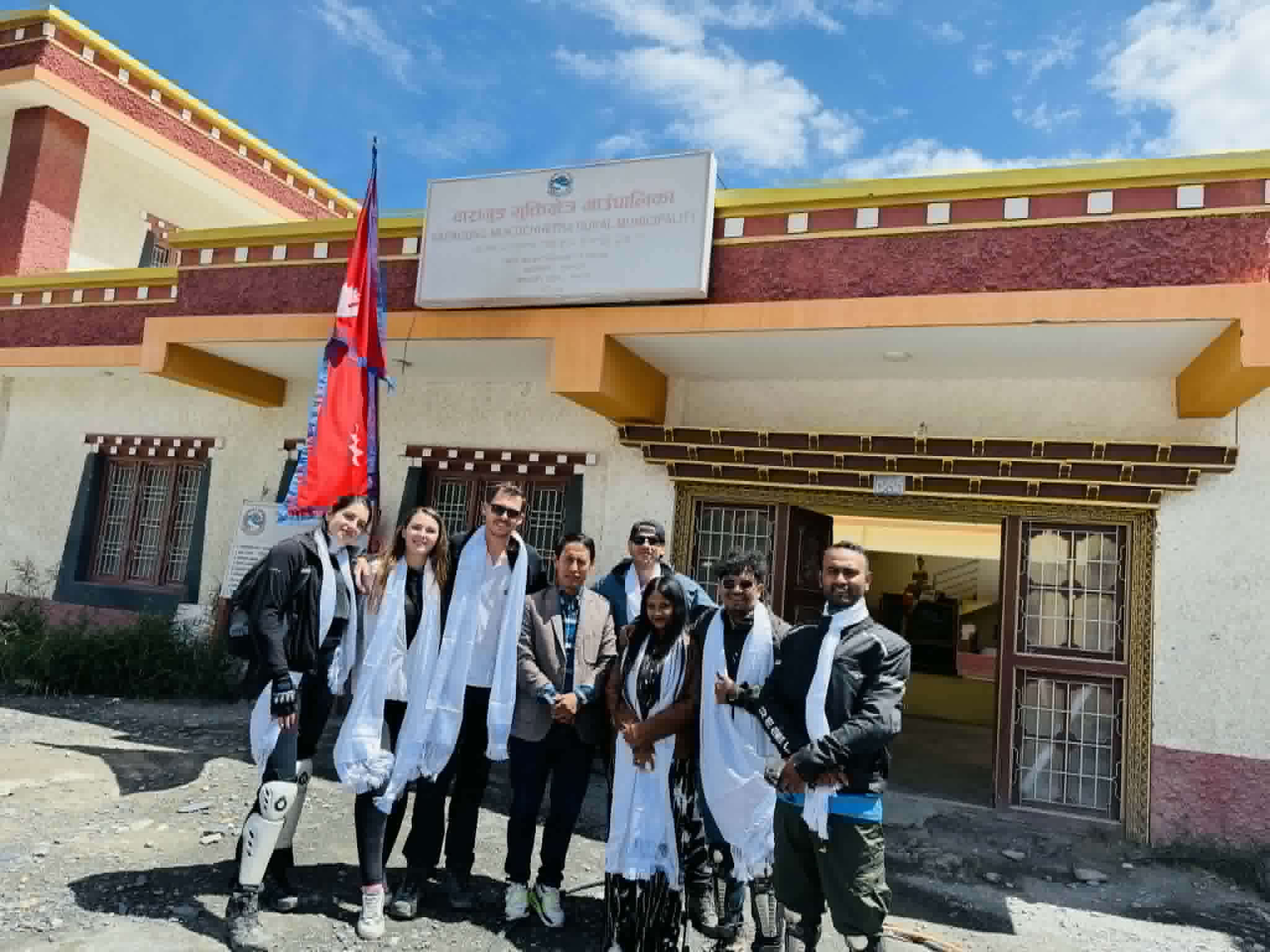
A motorcycle journey through Nepal is also a journey through distinct cultural and religious worlds that shift with elevation in a way few other countries replicate.
The lower hills carry a Hindu cultural character shaped by ties to the Indian subcontinent. The mid-hills bring Gurung and Magar communities, known historically for the Gurkha regiments. Above roughly 3,000 metres, the character shifts into Tibetan Buddhist territory: the prayer flags, chortens, and monasteries of Manang, Mustang, and the high Khumbu region reflect centuries of trans-Himalayan trade.
Upper Mustang carries particular significance, politically part of Nepal but culturally a remnant of the independent Kingdom of Lo. The walled city of Lo Manthang preserves Tibetan Buddhist tradition that has been substantially altered within Tibet itself since 1959. No other major Himalayan motorcycle destination compresses this degree of cultural transition into routes completable within a standard two-to-three-week trip.
The Accessibility Case: Nepal vs Ladakh vs Bhutan
This is the argument most competitor content misses, because tour operator websites rarely have incentive to discuss the comparative friction of doing business across destinations. For a rider deciding where to invest a limited adventure travel budget, accessibility is frequently the deciding factor.
|
Factor |
Nepal |
Ladakh (India) |
Bhutan |
|
Visa process |
Visa on arrival, most nationalities |
Indian visa + Inner Line Permit for restricted zones |
Advance application, licensed guide mandatory |
|
Riding window |
Mar–Jun and Oct–Nov (two windows) |
Jun–Sep only (one window) |
Year-round, but tariff-restricted |
|
Restricted permit cost |
USD 50/day for Upper Mustang |
Inner Line Permit, low cost |
Minimum daily tariff applies to entire stay |
|
Independent riding |
Yes, on most routes |
Yes, on most routes |
No — guide required throughout |
|
Daily budget (mid-range) |
USD 35–55 |
USD 40–60 |
USD 200+ (mandated minimum) |
Nepal's main touring routes, the Annapurna approaches, Manaslu foothills, Langtang, most mid-hill and lowland riding require no special permit beyond standard entry and conservation fees. Only the most restricted regions (Upper Mustang, Dolpo) carry the heavier permit cost.
Mechanical and Logistical Support
Nepal's roads run through a country with over a century of established Royal Enfield mechanical culture inherited from its trade and travel ties with India. Mechanics capable of working on the bikes dominating the rental fleet exist in towns along almost every major touring route — a genuine practical advantage when a breakdown occurs three days from the nearest city.
The Motorbike Question: What Nepal's Roads Actually Demand
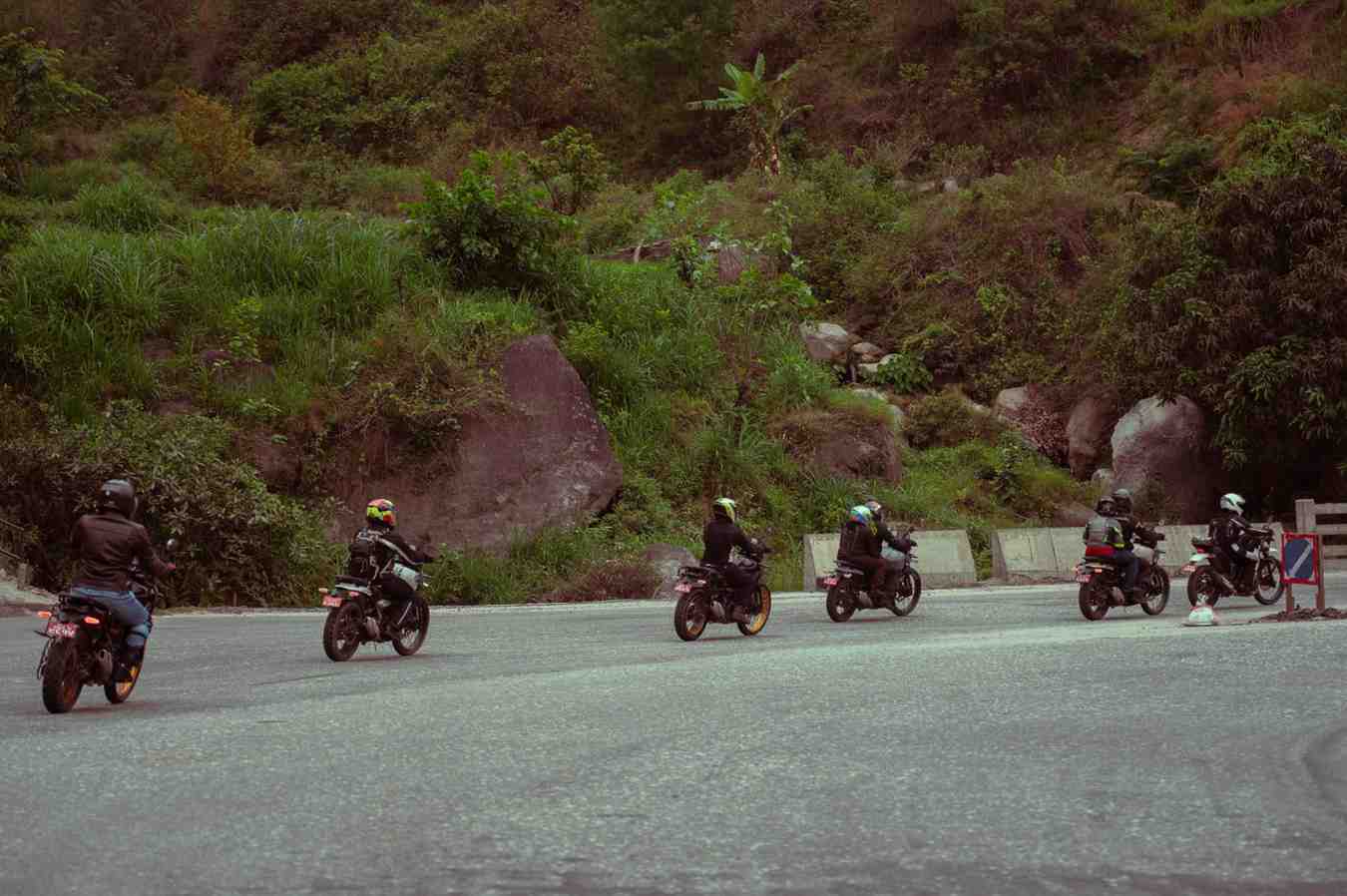
Nepal's terrain diversity creates a specific equipment logic. The Royal Enfield Himalayan has become the default choice for serious Nepal touring, its ground clearance, manageable weight, simple mechanical architecture, and depth of regional mechanical support combine to make it genuinely well-matched to Nepal's mixed-surface reality.
Riders seeking lighter, more off-road-capable options increasingly choose the Hero Xpulse 200 or 210, particularly for Mustang and Manaslu routes where technical single-track favours a lighter machine. Larger adventure bikes handle paved and graded sections well but can become a liability on the loosest, most technical stretches.
Seasonality: When Nepal's Ultimate Riding Actually Happens
Nepal's riding calendar is shaped decisively by the Monsoon. The pre-Monsoon window, March through early June, offers excellent conditions across most of the country. The post-Monsoon window, October through November, is widely regarded as Nepal's premier riding season — clear skies, dramatically improved mountain visibility, stable temperatures. The Monsoon itself, June through September, renders many mountain routes genuinely hazardous, though the rain shadow areas of Upper Mustang and Upper Dolpo remain comparatively rideable.
This structure compares favourably to Ladakh's much narrower window, effectively June through September only, meaning Nepal offers roughly twice the annual window of genuinely good riding conditions.
The Human Infrastructure: Why You Are Never Quite Alone
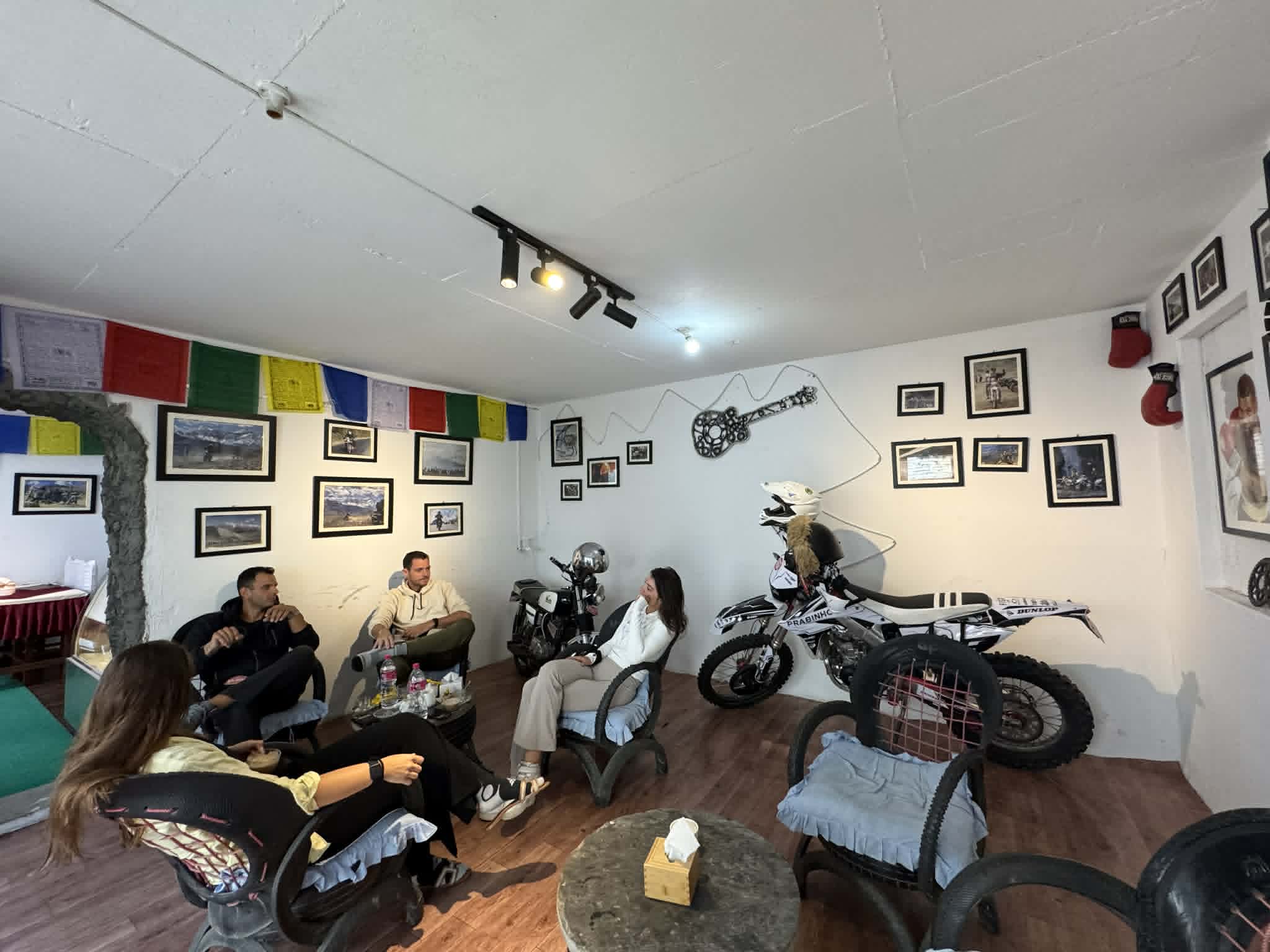
One under-discussed factor behind Nepal's status as an ultimate destination is the density of its tea house network, hospitality infrastructure developed for trekking tourism and extended naturally to motorcycle tourists along the same routes.
Along established routes, riders are rarely more than a few hours from a tea house offering food, accommodation, and information about conditions ahead. This functions as an informal but genuinely effective safety system, word of road conditions and weather travels through the network faster than most riders expect.
The Honest Limitations
Nepal's road infrastructure outside the main highways remains genuinely underdeveloped by international standards. Conditions rideable one season can deteriorate significantly the next, particularly after a heavy Monsoon, current local information is essential, not optional. The most spectacular restricted regions carry permit costs that meaningfully affect budgets and require advance planning.
These are real constraints, and any rider planning a serious Nepal expedition should weigh them honestly.
Building Your Own Ultimate Nepal Route
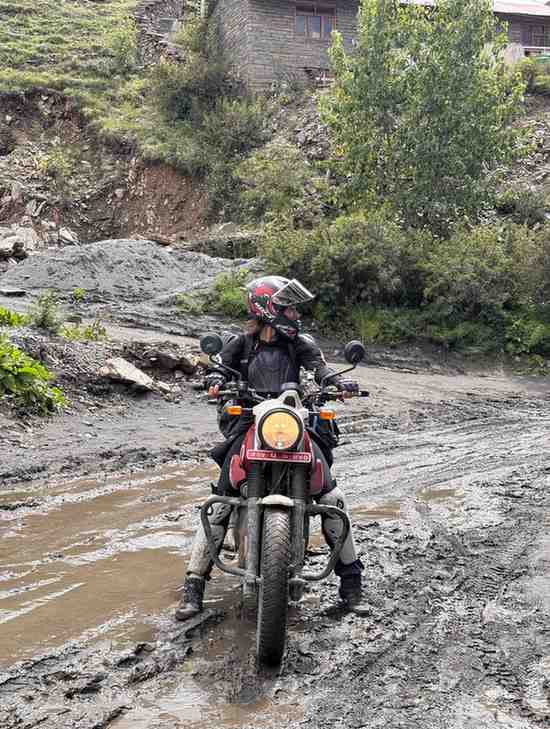
The most effective way to experience Nepal's full range is a route structured in three escalating phases. Begin with the Kathmandu–Pokhara corridor — substantially paved, well-supported, ideal for acclimatising to Nepal's traffic culture before tackling demanding terrain. From Pokhara, build toward the Annapurna foothills and the Mustang approach through Jomsom and Kagbeni, introducing altitude, technical surface variety, and the cultural shift into Tibetan Buddhist territory. For riders with time, skill, and budget, extend into Upper Mustang itself, or pivot toward the Manaslu Circuit and Tsum Valley.
Conclusion
Nepal's claim to being the ultimate motorcycle adventure destination does not rest on superlative language. It rests on a specific, defensible combination of factors few competing destinations match simultaneously: an elevation range and terrain diversity unmatched relative to land area, a cultural depth that shifts meaningfully with altitude, an accessibility and cost structure beating its closest Himalayan rivals on every practical metric, and a human and mechanical support network dense enough to make genuine adventure riding survivable rather than reckless.
Ladakh offers altitude and scale. Bhutan offers preservation and exclusivity. Nepal offers all four pillars of what an ultimate destination requires, at a level of accessibility that lets riders across a wide range of skill and budget actually go and test the claim themselves.
FAQ: Common Questions Before Riding Nepal
What is the best time to ride a motorcycle in Nepal? October and November offer the clearest skies and most stable conditions of the year, making it one of the best times for motorcycle tours in Nepal. March through early June is the second-best window. Avoid June through September, when the Monsoon makes most mountain routes hazardous.
Do I need a permit to ride a motorcycle in Nepal? Most routes — including the Annapurna approaches, Manaslu foothills, and Langtang — require only standard entry documentation and conservation area fees. Upper Mustang and Dolpo require a separate Restricted Area Permit costing USD 50/day
What motorcycle is best for riding in Nepal? The Royal Enfield Himalayan is the default choice for most riders, thanks to its ground clearance, simple mechanics, and the depth of regional repair support. Riders prioritising technical off-road sections often prefer the lighter Hero Xpulse 200 or 210.
Is Nepal safer than Ladakh for motorcycle touring? Both destinations carry genuine altitude and terrain risk. Nepal's denser tea house network on main routes provides more frequent informal support than Ladakh's longer remote stretches, though Ladakh's main highways are generally better maintained.
How much does a motorcycle tour in Nepal cost? A mid-range daily budget covering accommodation, food, fuel, and incidentals runs approximately USD 35–55, excluding restricted area permits. Upper Mustang adds a minimum USD 50/day permit fee.