+3 more
Nepal Motorcycle Tour for Women - 14 Days
Travel Styles
Active Adventures
Country
Nepal
Best Season
March–May & September–November
Group
Women-only, Small group
Max. Altitude
3,800 m / 12,467 ft
Grade
Moderate
Hotel
Hotel/Heritage Guesthouse/Jungle Lodge
Transportation
Royal Enfield Bikes Plus Support vehicle
Ride through Nepal with other women, from the Newari hill town of Bandipur to the Kali Gandaki gorge, the sacred temple of Muktinath and the jungles of Chitwan. Fourteen days, around 1,150 km of riding, a rest day in Pokhara, hot springs, a wildlife safari and a support team that rides at the pace of the slowest rider, not the fastest.
Overview of Women-only Nepal Motorcycle Tour
This is a guided Royal Enfield tour designed for women who want to ride in the Himalaya with a group that shares their pace and priorities. The route runs from Kathmandu west to Bandipur and Pokhara, north up the Kali Gandaki valley to Kagbeni and Muktinath at the edge of Mustang, then south through Tansen to Chitwan National Park and back to Kathmandu through the hill station of Daman. It covers mountains, medieval towns, hot springs, a pilgrimage site and a jungle in two weeks.
The riding is real, with rough surfaces, hairpins and long days in the saddle, but the structure of the trip keeps it manageable. There is a skills session before you leave Kathmandu, a full rest day in Pokhara, short riding days at the high points, and a support vehicle that stays with the group every day. You can swap into the vehicle at any point without it counting against you.
Nepal Women's Motorcycle Tour Highlights
Bandipur
A car-free Newari bazaar on a ridge above the Marsyangdi valley, with tiled-roof shopfronts, quiet lanes and wide views toward Annapurna and Dhaulagiri. It is a good first night on the road, calm and unhurried.
The Kali Gandaki Gorge
The deepest river gorge in the world runs between Dhaulagiri (8,167 m) and the Annapurna massif. The road follows the river through forest, then apple orchards, then dry high desert as the valley opens out. It is the heart of this tour.
Tatopani Hot Springs
Tatopani means hot water. Natural springs bubble up beside the river, and the town is built around soaking pools. After a long day on rough road, this is where you will want to be.
Kagbeni
A walled medieval village on the edge of Lower Mustang, with mud-brick houses, narrow lanes, a monastery and a view up the valley toward the restricted region beyond. You can feel the shift from Nepali hill culture to Tibetan-influenced life here.
Muktinath Temple
One of the great pilgrimage sites of South Asia, sacred to Hindus and Buddhists. At about 3,800 metres, it has 108 water spouts, a natural flame that burns beside a spring, and a steady stream of pilgrims who have walked or ridden for days to get here.
Tansen
A hillside Newari trading town with cobbled lanes, hand-woven topi caps and a hilltop viewpoint. Few motorcycle tours stop here, and the pace is a welcome contrast to the mountain days.
Chitwan National Park
A UNESCO World Heritage jungle on the Terai plains, home to one-horned rhinos, Bengal tigers, gharial crocodiles and hundreds of bird species. You spend a full day on safari and a night in a jungle lodge.
Daman
A cool ridge-top village at 2,320 metres with a viewing tower that shows a long run of Himalayan peaks on a clear morning. It makes a fitting last night before returning to Kathmandu.
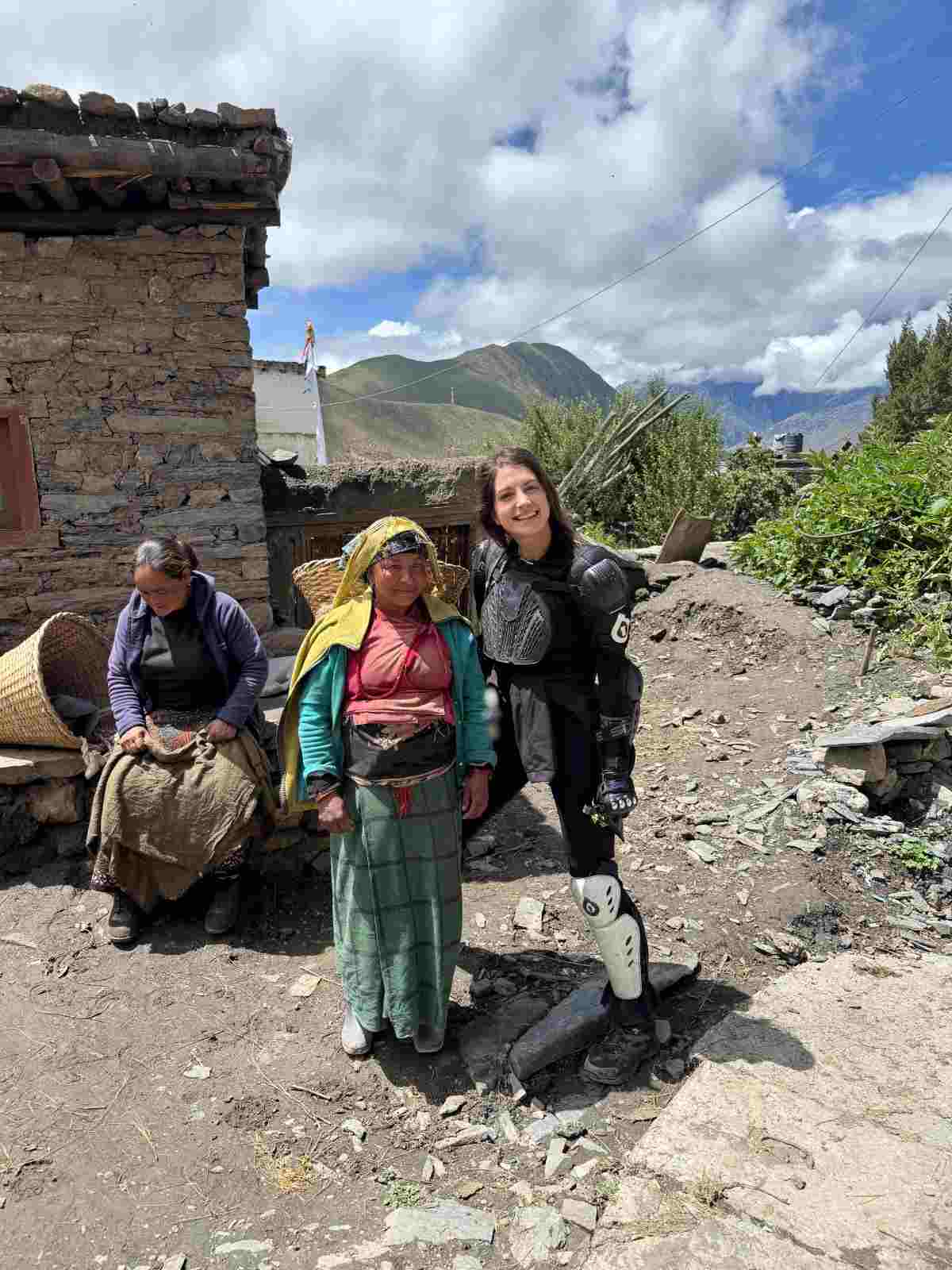
Meeting Local Women Along the Route
Riding through a country is different from spending time in it. Along this route, there are natural chances to meet women in the communities you pass through, and we build time for them into the schedule.
Thakali Kitchens in the Kali Gandaki Valley
The Thakali people of Marpha, Jomsom and Kagbeni run many of the lodges and restaurants in the upper valley, and Thakali women are known for their cooking. Meals here are some of the best on the trip.
Weavers in Tansen
Tansen is the home of Palpali dhaka, a hand-woven cloth used for Nepal's traditional topi caps. Local weavers welcome visitors, and buying directly supports their work.
Tharu Communities Near Chitwan
The Tharu are the indigenous people of the Terai, with their own language, food and dance. Village walks and evening cultural programmes give you an introduction.
Tibetan Craft Centres in Pokhara
On the rest day, you can visit a Tibetan settlement to see carpet weaving and handicraft work.
Why Choose a Women-Only Motorcycle Tour in Nepal
Many women who ride say the same thing about mixed groups: the pace is set by whoever is fastest, and stopping to rest or reset feels like holding people up. On an all-women tour, the group agrees to a different set of rules. Nobody is racing. Photo stops are frequent. If someone drops a bike on a gravel bend, the response is to help lift it and talk through what happened, not to quietly leave her to sort it out.
A Pace Set by the Group
Daily plans are built around how the group is riding, not a fixed schedule. If the group wants a longer lunch at a viewpoint, we take it. If a section of road is slow, we adjust the day. The mechanic always rides behind the last rider, so nobody is left alone at the back.
Confidence Built Step by Step
The itinerary moves from easy to harder on purpose. The first days are on paved highway, the rough Kali Gandaki road comes after you have settled into your bike, and the tight hairpins of the Tribhuvan Highway come near the end, when you are most comfortable. Many riders say the group does as much for their confidence as the coaching does.
Ride with Female Road captain & Guide
Elina is one of the first female road captains leading motorcycle tours in Nepal, a certified guide who's ridden with first-time riders finding their confidence, experienced adventurers, and private groups looking for something deeper than a standard tour. She leads with the belief that the road breaks down barriers and turns strangers into family by the end of a trip, and she's personally guided women discovering what they're capable of on two wheels for the first time.
Comfort and Practical Details
Rooms are arranged with women's comfort in mind, including private rooms for solo travellers who want them. Conversations about gear fit, bike height, periods on the road and nerves at altitude happen openly and early. Many riders tell us they ride better when they are not performing for anyone.
Friendships That Last
Riders often arrive as strangers and leave as friends. Evenings at hot springs, shared meals and the small wins along the way tend to do more for a group than any icebreaker could.
Nepal also suits this kind of trip. English is widely spoken in tourism areas, road speeds are low, and guesthouse owners along the Kali Gandaki valley have hosted riders and trekkers for decades.
Itinerary
Day 1
Day 1: Arrival in Kathmandu (Elevation 1,350 m)
Upon arrival at Tribhuvan International Airport, our representative will greet you and transfer you to your hotel. Later, attend a detailed trip briefing where you’ll meet your guide and fellow travellers.
Day 2
Day 2: Kathmandu Sightseeing, Bike Fit and Skills Session (Elevation 1,350 m)
The morning is for exploring Kathmandu. We visit Swayambhunath, the hilltop stupa known as the Monkey Temple, and Boudhanath, one of the largest Buddhist stupas in the world, where you can walk the kora (the clockwise circuit) among monks, pilgrims and prayer wheels. We then continue to Pashupatinath, Nepal's most important Hindu temple, set along the Bagmati River. Our guide explains the rituals you might see at the cremation ghats, and how to observe respectfully.
If you prefer, you can swap the sightseeing for an early morning scenic flight past the Himalaya, including a close view of Everest. This is an optional extra and runs about an hour, depending on weather.
After lunch, you meet your motorcycle. Our mechanic goes through the controls with you, and we fit the bike to your body: lever reach, mirror angle, seat height and footpeg position. The group then heads to a quiet stretch outside the city for a skills session covering low-speed control, braking, tight turns, hairpin technique and riding on loose gravel. We cover Nepal's road habits too, including driving on the left, using the horn, and how to overtake trucks safely. If you want to go over anything twice, there is time.
Day 3
Day 3: Kathmandu to Bandipur (Elevation 1,030 m)
After an early breakfast, the group rides out of Kathmandu through Thankot and joins the Prithvi Highway, which follows the Trishuli River through steep green gorges. The first hour has heavy traffic, but it thins out quickly once you leave the valley. The road runs beside terraced fields, small roadside towns and river crossings, with plenty of places to stop for tea or photographs.
At Dumre, we turn off the highway and climb a short, winding road to Bandipur. The town sits on a ridge above the valley and was once a trading post on the route between India and Tibet. The main bazaar is car-free, with neoclassical Newari shopfronts and quiet side lanes. After checking in, you can walk through the old town, visit the temples, and watch sunset from the Tundikhel viewpoint with the Marsyangdi valley spread out below. Optional activities include a short hike to Siddha Cave, one of the largest caves in Nepal.
Day 4
Day 4: Bandipur to Tatopani (Elevation 1,190 m)
This is one of the longer days on the tour, so we start early. If the sky is clear, you can catch the sunrise on the Himalaya from Bandipur before heading down. The morning ride goes down to Dumre and along the Prithvi Highway to Pokhara, where we stop for lunch beside Phewa Lake.
From Pokhara, the route heads north-west through Naya Pul and Beni, where we meet the Kali Gandaki River for the first time. The road surface changes noticeably after Beni, with loose gravel, rough patches and a narrow shoulder above the river. Our road captain keeps the group together, and you can take the support vehicle for any stretch you want to skip. The last section into Tatopani is slow going but beautiful, with the valley narrowing and forested slopes rising on either side.
We arrive in the late afternoon, and the first thing to do is soak in the natural hot springs by the river. The warm water is the best remedy for tired shoulders, and the evening meal is relaxed.
Day 5
Day 5: Tatopani to Kagbeni (Elevation 2,810 m)
The distance is short, but the road is rough and the scenery changes constantly. After Tatopani, the valley climbs through Ghasa, Lete and Kalopani, passing Dhaulagiri and the Nilgiri peaks on the way. The vegetation shifts from subtropical forest to pine, then to open, dry slopes as you cross into the rain shadow of the high peaks.
We stop in Marpha, a tidy Thakali village known for its apple orchards and whitewashed stone houses. If you like, you can taste apple pie or the local apple brandy. The group continues through Jomsom, the district headquarters, and out toward Kagbeni. Afternoon winds blow strongly up the valley from late morning onward, so we try to be past Jomsom before they build.
Kagbeni is a walled village of mud-brick houses and narrow alleys, with a monastery at its centre. It sits at the junction where the road to Muktinath meets the track north into Upper Mustang. You can walk the old streets in the late afternoon, visit Kag Chode Monastery, and look up the valley toward the restricted region beyond. We sleep at 2,810 metres, which is a sensible altitude for acclimatising before Muktinath.
Day 6
Day 6: Kagbeni to Muktinath and Jomsom (Elevation 3,800 m, then 2,720 m)
This is a short riding day with a long time at the temple. We climb from Kagbeni through the village of Jharkot, with its old fortress and monastery, up to the road head below Muktinath. A short walk on stone steps leads to the temple complex, which sits at about 3,800 metres. Go slowly and take your time, since the air is thin here.
Muktinath is sacred to Hindus as a place of liberation and to Buddhists for its link to Guru Padmasambhava. The complex includes the Jwala Mai shrine, where a natural gas flame burns beside a spring, and the Mukti Dhara, 108 water spouts that pilgrims walk beneath. Our guide explains the stories behind each part of the site and how to take part respectfully. Dress modestly, and expect crowds in the main pilgrimage seasons.
After lunch, we ride down to Jomsom and sleep at a lower altitude. This "climb high, sleep low" pattern is deliberate and helps your body adjust. The afternoon is free to walk through Jomsom's bazaar or rest.
Day 7
Day 7: Jomsom to Pokhara (Elevation 820 m)
We leave early to stay ahead of the afternoon wind. The ride back down the Kali Gandaki feels different, because the road drops in altitude all day. The air gets warmer and thicker, the landscape turns greener, and many riders say their energy comes back. You pass through Marpha, Kalopani and Tatopani again, but the light and the angle are different going south.
Beni marks the point where the road improves, and from there the ride to Pokhara is mostly paved. We arrive in the late afternoon at a lakeside hotel, with time for a walk along the promenade or a cold drink looking at Phewa Lake. On a clear evening, you may see Machhapuchhre (Fish Tail Peak) lit up at sunset.
Day 8
Day 8: Rest Day in Pokhara (Elevation 820 m)
Today there is no riding. Our mechanic gives the bikes a full check and service while you take the day for yourself. Pokhara is a relaxed city on the shore of Phewa Lake, and many travellers use this day to recover and explore at their own pace.
Popular options include a sunrise drive to Sarangkot for a wide view of the Annapurna range, a boat trip across the lake to the Tal Barahi Temple, a walk up to the World Peace Pagoda, and a visit to the International Mountain Museum. Adventurous riders can try tandem paragliding or an ultralight flight over the lake. If you prefer a quieter day, there are yoga studios, massage spas and plenty of cafés. We also arrange a visit to a Tibetan refugee settlement if you want to see local crafts and carpet weaving.
Day 9
Day 9: Pokhara to Tansen (Elevation 1,300 m)
We leave Pokhara and head south on the Siddhartha Highway, which winds along ridgelines and through river valleys. The road is quieter than the Prithvi Highway, with more bends and far less traffic, so many riders find this one of the most enjoyable days of the trip. Terraced hillsides, small villages and long views fill the ride.
Tansen, also called Palpa, is a hill town founded centuries ago and long known as a trading centre for metalwork and cloth. We reach it by mid-afternoon, which leaves time to walk through the old bazaar, visit Amar Narayan Temple, and climb Shreenagar Hill for a wide view of the Himalaya on a clear day. Tansen is also the home of Palpali dhaka, a hand-woven cloth used to make Nepal's traditional topi caps, and there are weavers who welcome visitors. The climate is mild, and the evening is quiet.
Day 10
Day 10: Tansen to Chitwan (Elevation 150 m)
From Tansen, the road drops to the Kali Gandaki River, which you met at Beni and Muktinath. It is wider and slower here, and you follow it for much of the day through farming country and small river towns. The mountains give way to flat plains, and the temperature rises noticeably as you descend toward the Terai.
By the afternoon, we reach Chitwan and check in to a jungle lodge. After days in the hills, the heat and humidity can feel like a different country. You can have tea on the lodge porch, take a short walk by the Rapti River at sunset, and watch for birds. In the evening, many lodges host a Tharu cultural performance, where local dancers perform the traditional stick dance.
Day 11
Day 11: Chitwan National Park Safari (Elevation 150 m)
A full day for wildlife. Chitwan National Park is a UNESCO World Heritage Site and home to one-horned rhinoceros, Bengal tigers, sloth bears, wild elephants, gharial crocodiles, marsh muggers and over 500 bird species. Tigers are rarely seen, but rhinos are common, and the park is one of the best places in Asia to watch wild birds.
Your day includes a jeep safari into the park in the morning, a canoe trip along the Rapti River to watch crocodiles and kingfishers, and a guided nature walk through the forest edge with a trained naturalist. We also visit the elephant breeding centre to see how the park cares for young elephants. The afternoon is for resting at the lodge, with an optional village walk through Tharu settlements.
Day 12
Day 12: Chitwan to Daman (Elevation 2,320 m)
We ride north from the plains through farmland, then turn onto the Tribhuvan Highway at Hetauda, one of the oldest roads in Nepal. This road climbs in a long series of tight hairpins, gaining over 2,000 metres in about 50 kilometres. The bends are tight but well-paved, and the temperature drops with every switchback.
Daman is a small hill village on a high ridge, with pine forest, clear air and a view tower that looks over a long line of Himalayan peaks. We arrive in the afternoon, which gives you time to walk, rest or climb the tower. The night is cool and quiet, in sharp contrast to the heat of Chitwan.
Day 13
Day 13: Daman to Kathmandu (Elevation 1,350 m)
Wake early to see the sunrise from the Daman viewing tower. On a clear morning, the panorama stretches from Dhaulagiri in the west to Everest in the east. After breakfast, we ride the last stretch to Kathmandu on a winding road through forest and hill villages, finishing with the descent into the valley.
We return the motorcycles at midday, with time to shower and rest. The afternoon is free to explore Thamel's shops and cafés, visit Durbar Square, or buy souvenirs. In the evening, the group gathers for a farewell dinner, where we share photographs, swap stories and present certificates for completing the ride.
Day 14
Day 14: Final Departure
Our representative transfers you to the airport for your onward flight. If you want to stay longer, we can arrange extensions such as an Everest mountain flight, a visit to Lumbini, a Pokhara paragliding trip or more nights in Kathmandu.
More Information
What to Expect on a Women's Motorcycle Tour in Nepal
Riding Days and Saddle Time
Most riding days run between 4 and 9 hours including stops, with an average of around 100 to 150 km. Distances look short on paper, because Nepali roads are slow. A 70 km day on the Kali Gandaki can take 5 or 6 hours, and the group stops often for tea, photographs and rest.
Road Conditions
Expect a mix of surfaces. Highways such as the Prithvi and Siddhartha routes are mostly paved, with traffic and occasional damage. The road between Beni and Jomsom is the roughest section, with loose gravel, potholes and small river crossings. The Tribhuvan Highway to Daman is paved but tight, with many hairpin bends. Roadworks and landslide repairs can make any section dusty or muddy.
Pace and Rest
There is one full rest day in Pokhara, and a second pause day in Chitwan for the safari. The day at Muktinath is short on purpose, so you can take your time at the temple and sleep lower at Jomsom.
Comfort Level
Hotels in Kathmandu and Pokhara are comfortable, and jungle and hill lodges are clean and well run. Mountain lodges in the Kali Gandaki valley are simple. Expect warm blankets, hot showers in most places and plenty of tea.
A Typical Day on the Road
Morning. Breakfast is usually between 7 and 8 am. The mechanic checks tyre pressure, chain and oil on every bike while you pack. At around 8:30 am, the road captain holds a short briefing: the plan for the day, the road ahead, where we stop for lunch and any hazards to watch for.
Riding. We ride in a staggered line, with the road captain at the front and the mechanic or sweep at the back. The group stops roughly every hour for water, a stretch, tea or photographs. You choose how fast to ride within the group, and you can swap into the support vehicle at any stop.
Lunch. A long, unhurried stop at a local restaurant or lodge, usually with a view. This is a good time to check your gear and compare notes with the group.
Afternoon. The second riding block is usually shorter. We aim to arrive at the next stop with time before sunset to walk, soak, rest or explore.
Evening. Gear is stored, bikes are checked, and the group meets for dinner. The road captain gives a short briefing for tomorrow before everyone heads to bed.
Route at a Glance
|
Day |
Route |
Distance |
Riding time |
Overnight altitude |
|
1 |
Arrival in Kathmandu |
- |
- |
1,350 m |
|
2 |
Kathmandu sightseeing and skills session |
Local |
Local |
1,350 m |
|
3 |
Kathmandu to Bandipur |
145 km |
5 to 6 hours |
1,030 m |
|
4 |
Bandipur to Tatopani |
185 km |
8 to 9 hours |
1,190 m |
|
5 |
Tatopani to Kagbeni |
70 km |
5 to 6 hours |
2,810 m |
|
6 |
Kagbeni to Muktinath to Jomsom |
45 km |
4 to 5 hours |
2,720 m |
|
7 |
Jomsom to Pokhara |
155 km |
7 to 8 hours |
820 m |
|
8 |
Rest day in Pokhara |
- |
- |
820 m |
|
9 |
Pokhara to Tansen |
130 km |
5 to 6 hours |
1,300 m |
|
10 |
Tansen to Chitwan |
170 km |
6 to 7 hours |
150 m |
|
11 |
Chitwan safari day |
- |
- |
150 m |
|
12 |
Chitwan to Daman |
140 km |
5 to 6 hours |
2,320 m |
|
13 |
Daman to Kathmandu |
80 km |
4 to 5 hours |
1,350 m |
|
14 |
Departure |
- |
- |
- |
Total riding distance is approximately 1,150 km. Distances are approximate and depend on road conditions and weather.
Our Motorcycles and Bike Fit
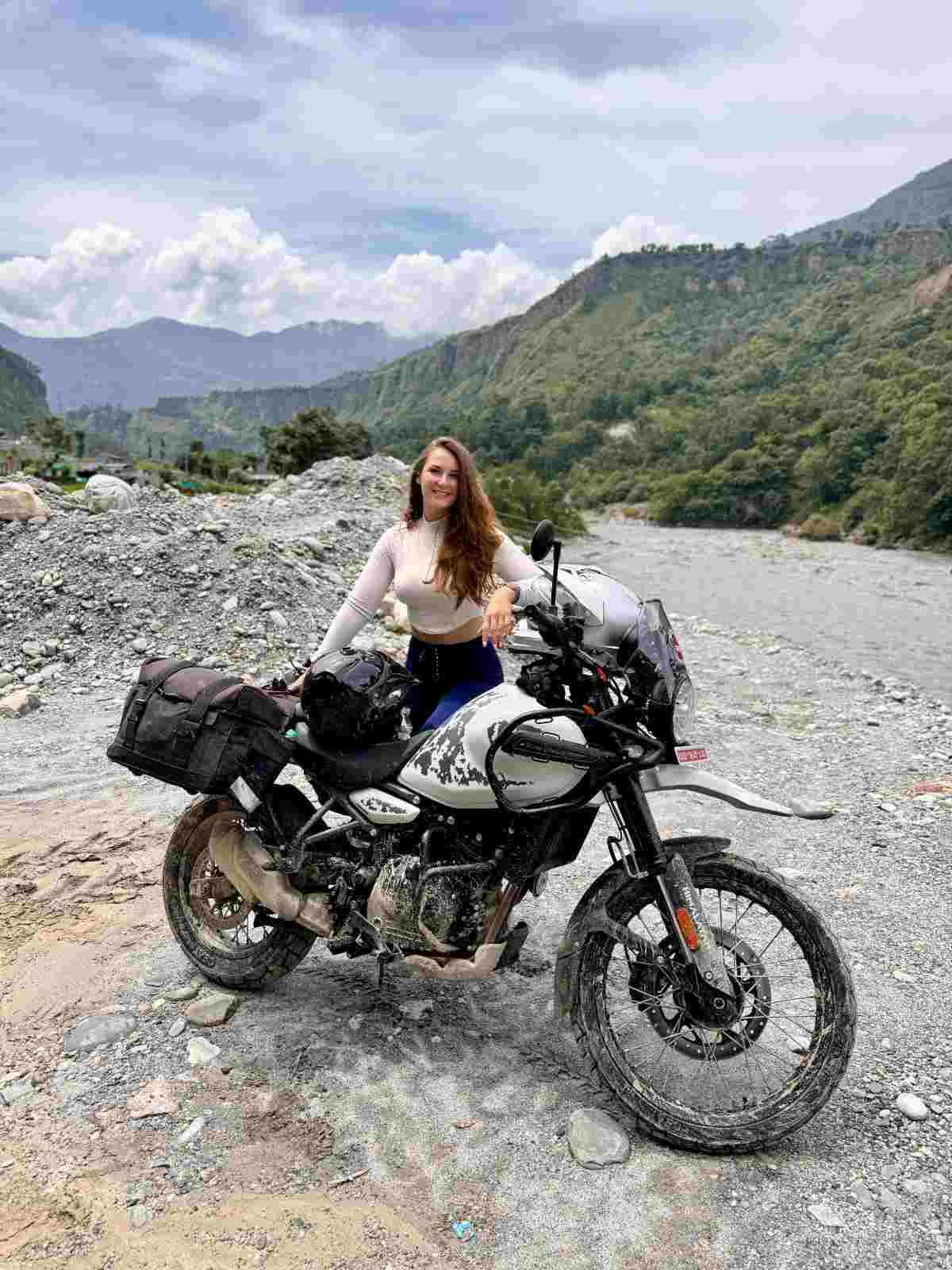
We ride Royal Enfield motorcycles, chosen because they are sturdy, easy to repair on the road, and forgiving on rough surfaces. The main options are the Himalayan 450, the Himalayan 410 and the Classic 350. The Himalayan models have longer suspension and better ground clearance for gravel, while the Classic 350 sits lower and some riders prefer its feel.
Seat Height and Fit
Seat height is one of the most common concerns for women riders. If you are shorter, tell us your height and inseam when you book. We can fit lower seats on many bikes and set up suspension preload to help. During the Day 2 session, our mechanic adjusts lever reach, mirrors and footpegs for you. If you are unsure which bike suits you, we can help you pick before you arrive.
Customising Your Bike
You can add a phone holder, camera mount or small luggage bag. Tell the mechanic on Day 2 and he will fit it for you.
Riding as a Passenger
If you would rather not ride every day, you can travel as a pillion passenger or take a seat in the support vehicle. Non-riding friends are welcome, and the pricing for a passenger is lower than for a rider.
Skills and Confidence Building
The Day 2 Skills Session
Before the route begins, the whole group practises together on a quiet road. The session covers clutch and throttle control at low speed, emergency braking, tight turns, hairpin technique and standing on the pegs over rough ground. It also covers how to pick up a fallen bike using leverage, not strength, which is the one skill many riders are glad to have learned.
Coaching on the Road
Our road captain gives short, specific feedback during the trip, such as where to look in a bend, how to manage a loose surface or how to position yourself in a staggered line. It is optional, and you can ask for more or less.
When Things Go Wrong
Bikes get dropped, and nerves happen. Our approach is calm and practical: stop, check, lift, talk it through and continue. The support vehicle is always available, and nobody keeps score of who rides what.
Is This Tour Right for You?
This Tour Suits Women Who
- Hold a full motorcycle licence and have ridden regularly for at least a year
- Want a guided, supported ride rather than planning a route themselves
- Prefer a calm, mutually supportive group over a fast-paced one
- Are curious about Nepali culture and want time for temples, villages and food
- Travel solo and want a group of like-minded women to share the trip
Rider Skill Checklist
You should be comfortable with:
- Riding a motorcycle for several hours at a time
- Handling gears and clutch smoothly in traffic
- Riding at low speed on loose surfaces such as gravel
- Taking tight bends and hairpins
- Riding in a group at a steady pace
Prior off-road experience is not required, but it helps.
Difficulty Level of the Nepal Women's Motorcycle Tour
This tour is moderate. Most of the route is paved or well-packed road, but several sections are rough, particularly between Beni and Jomsom, where loose gravel, potholes and river crossings are normal. Hairpin bends on the Tribhuvan Highway and the climb to Muktinath require steady clutch and throttle control.
The highest point on the tour is 3,800 metres, so altitude is a factor, but the itinerary is designed with gradual climbs and sleeping at lower elevations to keep the risk down. If you have limited off-road experience, we recommend an introductory off-road or adventure riding course before the trip. It will make the gravel sections on Days 4 and 5 more enjoyable. If you are newer to riding, we can recommend a shorter route, such as our Kathmandu Valley tour, before you take on the full circuit.
Fitness and Preparation Before You Ride
Riding Practice
Ride regularly in the weeks before you travel, especially on twisty roads. If you can, practise slow-speed manoeuvres in a car park: figure eights, U-turns and braking from speed.
Physical Fitness
Long days in the saddle are tiring. Light cardio, core strength work and some walking will help with stamina and posture. The walk up to Muktinath temple is short but steep at altitude, so some stair or hill walking is useful.
Gear and Documents
Break in new boots and gloves before you travel. Order riding gear in good time, and book rental gear early if you need it. Check that your licence, passport and insurance are valid for the trip dates.
Mental Preparation
Expect rough roads, dust, heat and cold in the same week, and expect some days to be harder than others. Many riders find that remembering the support vehicle is always an option makes difficult sections easier.
Meet Your Team
Every departure includes a lead guide who knows the route and local culture, a road captain who sets the pace and rides with the group, a mechanic who services your bike daily, and a driver who follows in the support vehicle with luggage and spares. Our team speaks Nepali and English.
Group Size, Rooms and Roommates
We keep groups small (maximum of 10) so the pace stays comfortable and the team can give each rider attention. Rooms are twin share by default. If you are travelling solo, we pair you with another woman, and you can ask to change roommates if it does not work out. A private room is available for a single supplement. In some mountain lodges, single rooms are limited, so we cannot always guarantee one on every night, but we will do our best and tell you in advance where it may be difficult.
Permits & Requirements For the Nepal Women's Motorcycle Tour
The route enters the Annapurna Conservation Area and passes through Chitwan National Park. You will need:
- An Annapurna Conservation Area Permit (ACAP) and the associated entry registration
- A Chitwan National Park entry permit
- A valid motorcycle licence from your home country, ideally with an International Driving Permit
- A valid passport and Nepal tourist visa
Lower Mustang, which includes Kagbeni and Muktinath, does not require a restricted-area permit. That permit applies only if you continue north of Kagbeni into Upper Mustang. We handle ACAP, park permits and bike paperwork before you arrive.
Before You Ride: Documents Checklist
- Passport with at least six months of validity remaining
- Nepal tourist visa
- Motorcycle licence from your home country
- International Driving Permit
- Travel insurance that covers motorcycling, medical evacuation and altitude to at least 4,000 metres
- Passport photos for permit applications
Nepal Visa
Most nationalities can get a Nepal tourist visa on arrival at Tribhuvan International Airport, or apply online in advance through the Department of Immigration of Nepal. Fees vary by length of stay, so check the current rates before you travel. For general travel information and conditions, see the Nepal Tourism Board.
Best Time for a Motorcycle Tour in Nepal
The best seasons are spring (March to May) and autumn (September to November). Autumn has the clearest mountain views and the most stable weather, with October the busiest and most reliable month. Spring brings rhododendron blooms in the hills and warm days, though Chitwan can be very hot by late April and May.
Winter (December to February) is cold in the mountains, and mornings in Muktinath and Daman can be well below freezing. Monsoon (June to August) brings heavy rain, landslides on the Kali Gandaki road and leeches in the lowlands, so we do not recommend it for this route.
Safety, Support & Staying Comfortable on the Road
Support Team
A lead guide and road captain ride with the group each day, and a mechanic travels in the support vehicle with spare parts, tools and luggage. The vehicle also carries first aid supplies, drinking water and a seat for anyone who wants a break from riding. Our team carries communication devices and knows the route's medical facilities.
Altitude
The highest sleeping altitude is Kagbeni at 2,810 metres, and the Muktinath visit at 3,800 metres is a day trip followed by a descent to Jomsom. This gradual profile helps most riders adjust. Talk to your doctor before travelling about whether altitude medication such as acetazolamide is suitable for you, and tell our guide immediately if you develop a headache, nausea or unusual tiredness.
Travelling as a Woman in Nepal
Nepal is generally a welcoming place for women travellers, and the tourism areas on this route are well used to visitors. Standard precautions apply: keep valuables secure, avoid walking alone late at night in cities, and let the group know if you ever feel uncomfortable. Dress modestly in villages and at religious sites, with covered shoulders and knees. Our guide will help with any local etiquette questions.
Hygiene, Periods and Toilets
Toilets on the road range from clean guesthouse bathrooms to basic squat toilets at rest stops, and some places have no running water. Carry tissues, hand sanitiser and a small bag for waste. Bring your own menstrual products, since the choice is limited outside Kathmandu and Pokhara, and consider menstrual cups or discs, which are practical for long riding days. Talk to us before the trip if you have any specific needs, and we will plan stops around them.
Health and Vaccinations
Check the current guidance for Nepal on the US CDC travel health page and speak to your doctor or a travel clinic well before departure. Bring enough of any personal medication for the full trip plus a few extra days. Kathmandu and Pokhara have hospitals and clinics, and there are health posts along the route. Our team carries a first aid kit and knows the nearest facility at each stop.
Food and Water Hygiene
Drink bottled or purified water, and avoid ice in drinks outside good hotels. Eat food that is freshly cooked and hot. Dal bhat is a safe and filling choice almost everywhere. If you have a sensitive stomach, bring rehydration salts.
Insurance
Travel insurance that covers motorcycle riding, medical evacuation and altitude up to 4,000 metres is required. Check the policy wording carefully, because many standard policies exclude motorcycling.
Culture & Attractions on the Nepal Women's Motorcycle Route
The route covers several distinct cultures: the Newar communities of Kathmandu and Bandipur, the Thakali people of the upper Kali Gandaki, Tibetan-influenced villages near Kagbeni and Muktinath, Tharu communities near Chitwan, and Gurung and Magar villages in the central hills. Hindu and Buddhist traditions overlap throughout, often at the same sites.
Tour highlights include:
- Swayambhunath, Boudhanath and Pashupatinath in Kathmandu
- Bandipur's Newari old town
- Marpha village and its apple orchards
- Kagbeni's medieval lanes and monastery
- Muktinath Temple and the Jwala Mai flame
- Tansen's bazaar and Palpali dhaka weaving
- Chitwan National Park and Tharu villages
- Daman's Himalayan viewpoint
Accommodation & Food on the Nepal Women's Motorcycle Tour
Over 13 nights, we use comfortable hotels in Kathmandu and Pokhara, a heritage-style guesthouse in Bandipur, simple lodges in Tatopani, Kagbeni and Jomsom, a guesthouse in Tansen, a jungle lodge in Chitwan and a hill lodge in Daman. Rooms are twin-share by default, with private rooms available for a single supplement. Lodges in the Kali Gandaki valley are simpler than city hotels, but clean, warm and well used to riders and trekkers.
Food is mostly Nepali: dal bhat (rice, lentils and vegetables, often with free refills), momos, noodle soups, fried rice, curries and fresh bread in the mountain valleys. Thakali food in Jomsom and Marpha is a highlight. Vegetarian meals are available everywhere, and vegan, gluten-free and other dietary needs can usually be met with notice. Western options are available in Kathmandu and Pokhara.
Money, Cash and Tipping
Nepal's currency is the rupee. You can change money and use ATMs in Kathmandu and Pokhara, but ATMs in Jomsom and other mountain towns are unreliable, so carry enough cash for the Kali Gandaki section. Small notes are useful for tea stops, donations and market purchases. Cards are accepted in hotels and larger restaurants, sometimes with an extra charge.
Local meals are cheap, and international dishes cost more, especially in the mountains. Your budget for extras depends mainly on dinners not included, drinks and optional activities.
For tipping, many restaurants add a service charge, and if not, about 10 percent is usual. For the guide, mechanic and driver, we suggest a group tip at the end of the trip, which we are happy to organise on the group's behalf.
Phone, Internet and Staying Connected
Kathmandu, Pokhara and Chitwan have good mobile coverage and Wi-Fi in most hotels. Signal is patchy in the Kali Gandaki valley, and some mountain lodges have slow or no internet. A local SIM card is cheap and can be bought at the airport or in Kathmandu with your passport. Tell family and friends to expect gaps in contact on Days 4 to 7.
Cost of the Nepal Motorcycle Tour for Women
The cost depends on whether you ride or travel as a passenger, the bike you choose, room type (twin share or single), and group size. Rider and passenger pricing differ, and a single room supplement applies if you prefer your own room. The package starts from USD 2599/rider
Tour packages typically include motorcycle rental and fuel, accommodation, breakfast, entrance fees and permits, a guide and mechanic team, a support vehicle, airport transfers and the Chitwan safari.
Contact us for current pricing and departure dates.
What's Included in the Package
- Airport pick-up and drop-off
- 13 nights accommodation (twin share) in hotels, guesthouses and lodges
- Royal Enfield motorcycle rental with fuel
- Breakfast daily
- Drinking water on the road
- Kathmandu sightseeing with an English-speaking guide
- Bike fitting and skills session on Day 2
- Experienced guide, road captain and mechanic
- Daily bike servicing
- Support vehicle carrying luggage, spares and first aid
- ACAP and Chitwan National Park permits
- Chitwan jeep safari, canoe ride and guided walk
- All entrance fees listed in the itinerary
- Hot spring access in Tatopani
What's Not Included
- International airfare
- Nepal visa fee
- Travel and medical insurance
- Refundable damage deposit for the motorcycle, paid locally
- Personal riding gear (rental available on request)
- Meals not listed in the itinerary
- Alcoholic drinks, laundry and personal expenses
- Optional activities such as the Everest flight, paragliding or extra sightseeing
- Tips for guides, drivers and staff
Bike Damage, Deposit and Insurance
A refundable security deposit [USD 200] is collected locally at the start of the tour and returned at the end if the bike is undamaged. Normal wear and minor repairs such as brake pads, tubes and cables are covered. Damage caused by rider error, such as a dropped bike with broken parts, is charged up to the deposit. Theft and major accident costs are covered by the bike's own insurance, with the rider responsible for the deposit amount. Your personal travel insurance should cover motorcycle riding and medical costs.
Packing List for a Women's Motorcycle Tour in Nepal
Recommended items:
- Riding jacket with armour and a removable thermal liner
- Riding trousers or reinforced riding jeans
- Full-face helmet or helmet rental booked in advance
- Riding gloves, including a lighter pair for the lowlands
- Waterproof, ankle-supporting riding boots
- Layers for cold mornings in Muktinath and Daman
- Rain jacket and trousers
- Comfortable clothing for temples, with shoulders and knees covered
- Walking shoes for Kathmandu, Bandipur and Tansen
- Swimsuit for Tatopani and Pokhara
- Sunglasses, sunscreen and lip balm
- Hand sanitiser, tissues and a small toiletry kit
- Menstrual products of your choice
- Personal medication, including altitude medication if prescribed
- Power bank and universal plug adaptor
- Passport copies, licence and insurance documents
- Cash in small notes for the mountain areas
Dos & Don'ts for Women Riding in Nepal
Do:
- Cover your shoulders and knees in villages and at temples
- Carry small notes and coins for tea stops and donations
- Drink plenty of water, especially on high-altitude days
- Tell the guide early if you are tired, unwell or uncomfortable
- Ask before photographing people, especially at religious sites
Don't:
- Ride after dark
- Skip your insurance or a medical check-up before travelling to altitude
- Push through fatigue on rough road. Use the support vehicle when you need to
- Take photographs inside Hindu temples where it is prohibited
- Leave valuables unattended at lodges or on the bike
Responsible Travel on This Tour
We try to keep the trip light on the places we pass through. Carry a reusable water bottle and refill it where purified water is available. Avoid single-use plastic where you can, and take your rubbish with you or leave it in proper bins. Keep a respectful distance from wildlife in Chitwan, and follow the naturalist's instructions. Spend money in local shops, lodges and restaurants, and ask before photographing people. Ride at moderate speeds through villages, where children and animals use the road.
Optional Extensions Before or After the Tour
- Everest mountain flight: an early morning scenic flight from Kathmandu past the Himalaya
- Lumbini: the birthplace of the Buddha, reached from Chitwan or Pokhara
- Pokhara adventure days: paragliding, ultralight flights, boating and lakeside rest
- Annapurna helicopter day: a short flight from Pokhara into the Annapurna Sanctuary
- Extra nights in Kathmandu: more time for temples, museums and Thamel
- Short treks: day hikes or a short trek from Pokhara, such as Poon Hill
Arrive early or stay later, and we will arrange transfers and accommodation. Costs for extensions are separate.
What Makes This Women's Motorcycle Tour in Nepal Different?
This route combines mountain, cultural and wildlife sections in one trip, which is unusual for a motorcycle tour. The pace allows for a full rest day, a skills session at the start and a flexible approach to riding days. The support vehicle is a real option and not a last resort, and the team is used to riders of different abilities in the same group. The itinerary also includes smaller, less-visited towns like Bandipur, Tansen and Daman, which many tours skip.
Why Book Your Nepal Women's Motorcycle Tour with Us?
Nepal Moto Tours is based in Bhaktapur, Nepal, and our guides and mechanics ride these roads regularly. We know which sections have been damaged by landslides, where the best hot springs and lodges are, and how weather changes affect the Kali Gandaki road.
We run small groups so you are not lost in a crowd, and we keep the schedule flexible when conditions or the group need it. Permits, bike paperwork, accommodation and safari bookings are arranged for you, and pricing is clear about what is and is not included.
Led by Female Road Captain and Guide
Elina personally leads our women’s tours as road captain. It isn’t a marketing title. She sets the pace, reads the terrain and looks out for the group from the front of the ride.
We Live Here Year-Round
Founded by Prabhash, a former engineer turned motorcycle guide based in Bhaktapur, our team rides these roads outside tour season too. That gives us current knowledge of road conditions, weather and route changes that a foreign operator visiting for a few weeks a year can’t match.
Relaxed Pacing for Newer and Experienced Riders
You don't need advanced off-road experience to join. Elina and our guides set a pace around your group's actual comfort level, with regular stops and a support vehicle for anyone who wants a break from riding.
Full Support Throughout
Our mechanic Khan Bhai and a support vehicle travel with every group. You’re never riding into the mountains without backup if a bike has a problem or a rider needs a rest.
Useful Information for Riders (Quick Facts)
- Duration: 14 days, 13 nights
- Maximum Altitude: 3,800 m (Muktinath)
- Highest Sleeping Altitude: 2,810 m (Kagbeni)
- Ride Difficulty: Moderate
- Best Season: March to May, September to November
- Terrain: Highway, hill roads, gravel and river valley tracks
- Total Riding Distance: Approx. 1,150 km
- Permits Required: Yes (ACAP, Chitwan National Park), arranged by us
- Group Type: Women-only, small group
- Accommodation: Hotels, guesthouses and jungle lodge
- Support: Guide, road captain, mechanic and support vehicle
- Recommended Bikes: Royal Enfield Himalayan 450, Himalayan 410 or Classic 350
Available Fleets
Choose from our premium fleet of motorcycles for your adventure
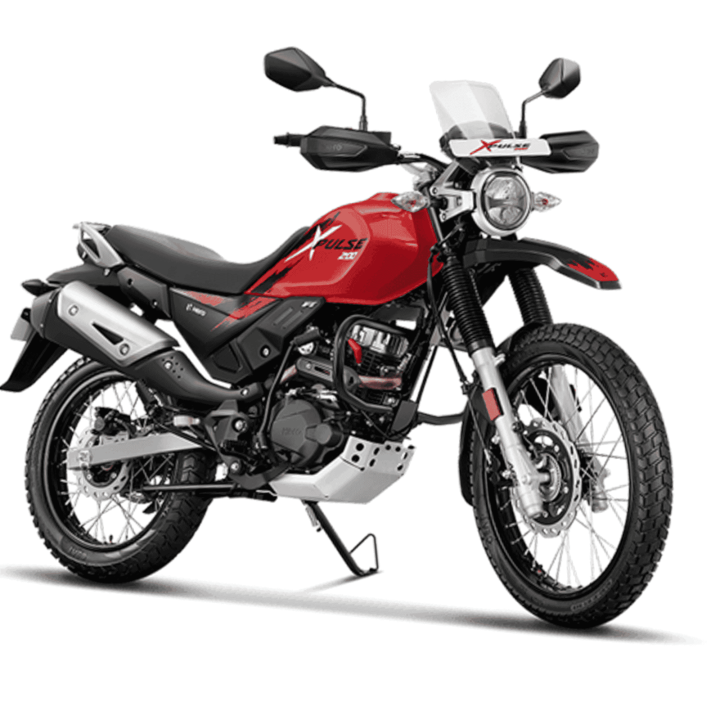
Hero Xpulse 200cc
. Rent Hero Xpulse 200cc – The Ultimate Adventure Machine! Experience the thrill of adve...
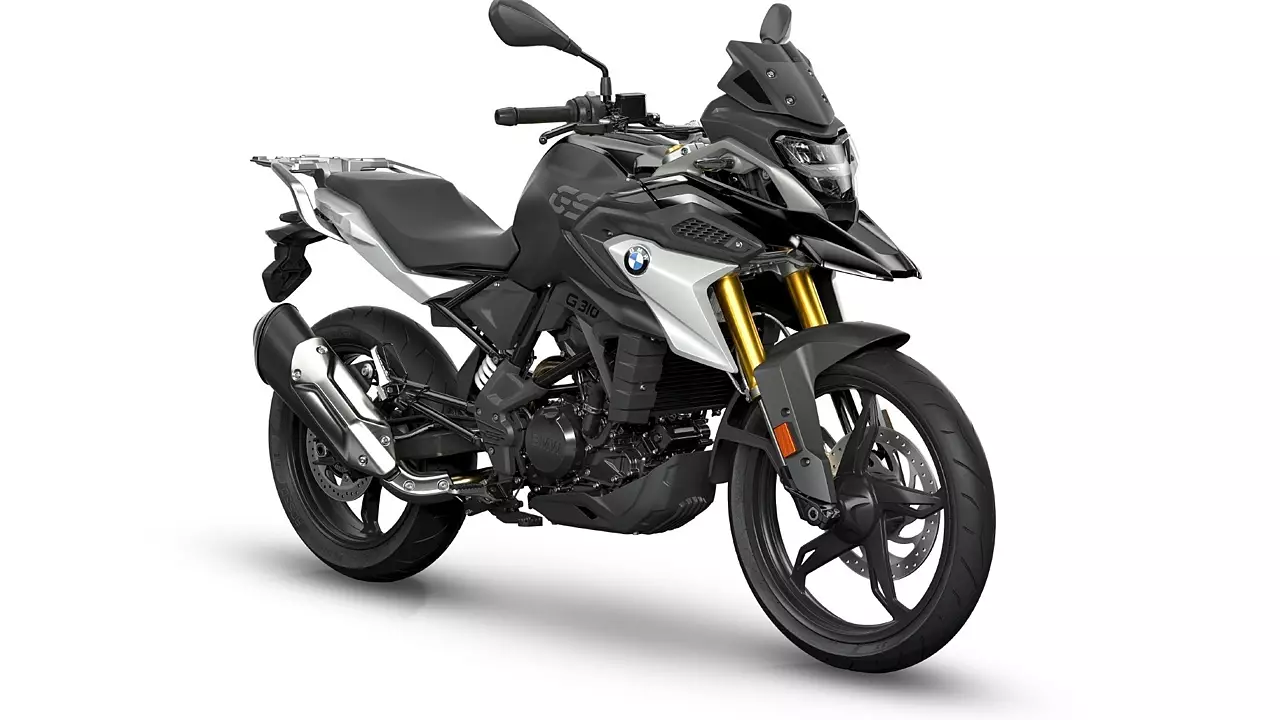
BMW G 310 GS
.Rent BMW G 310 GS – Adventure Meets Sophistication The BMW G 310 GS is a motorcycle...
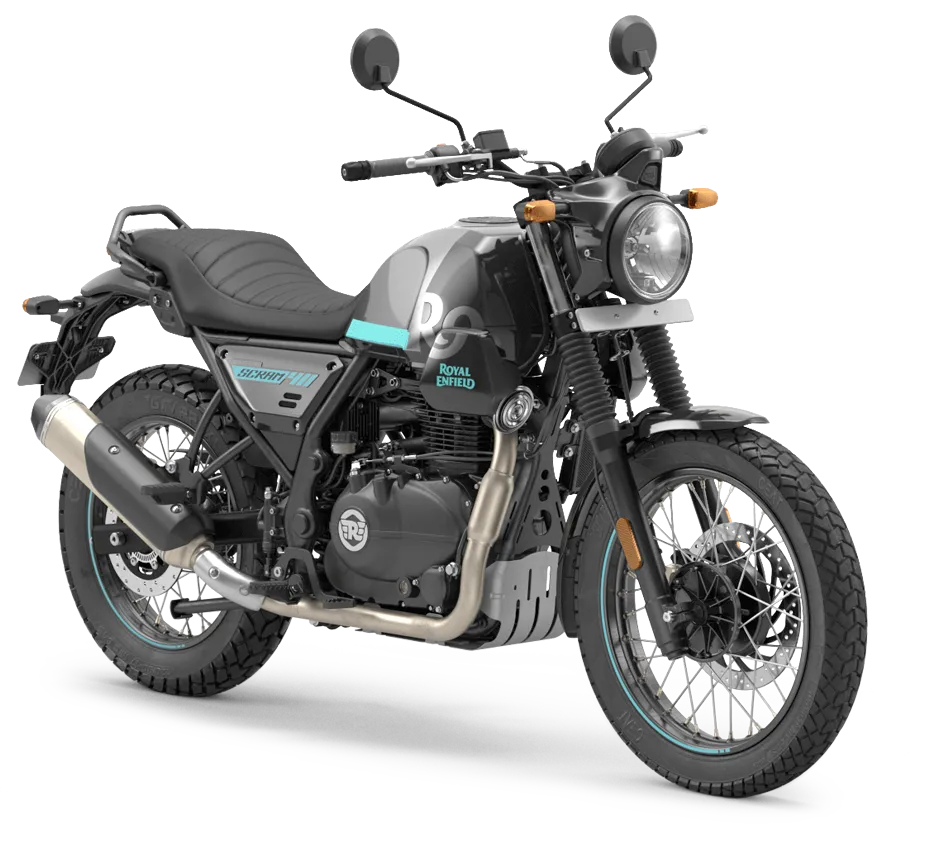
Royal Enfield Himalayan Scram 411 CC
. Rent Royal Enfield Himalayan Scram 411 Royal Enfield Himalayan Scram 411 is a bike tha...
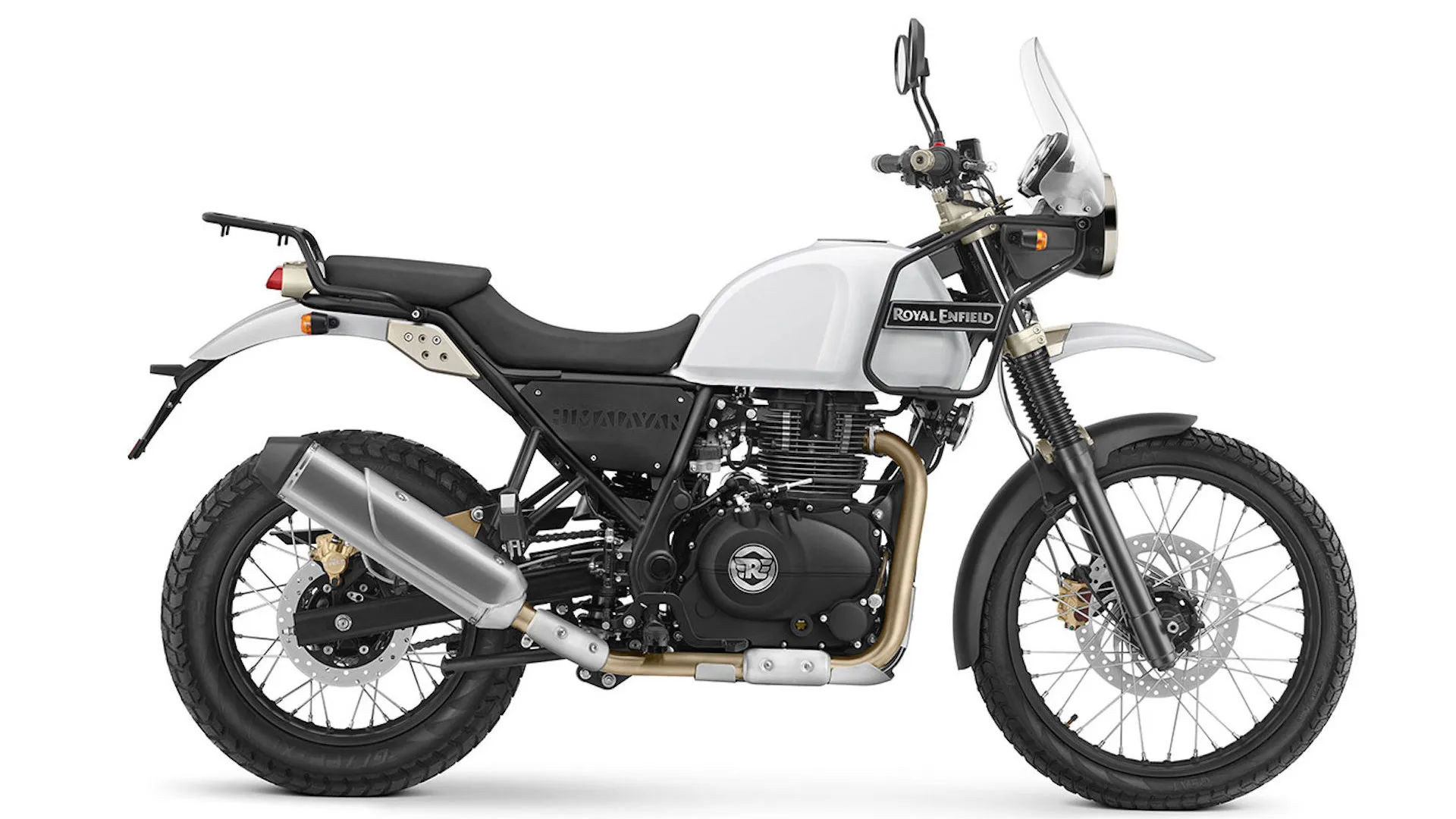
Royal Enfield Himalayan 411 CC
.Rent Royal Enfield Himalayan 411 CC: Adventure Redefined. The Royal Enfield Himalayan 411 CC is...
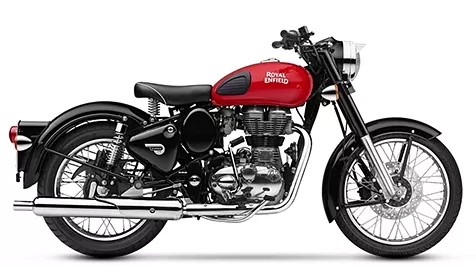
Rent Royal Enfield Classic 350 CC
.Rent Royal Enfield Classic 350 CC– Get the classic ride. The Royal Enfield Classic 350 CC...
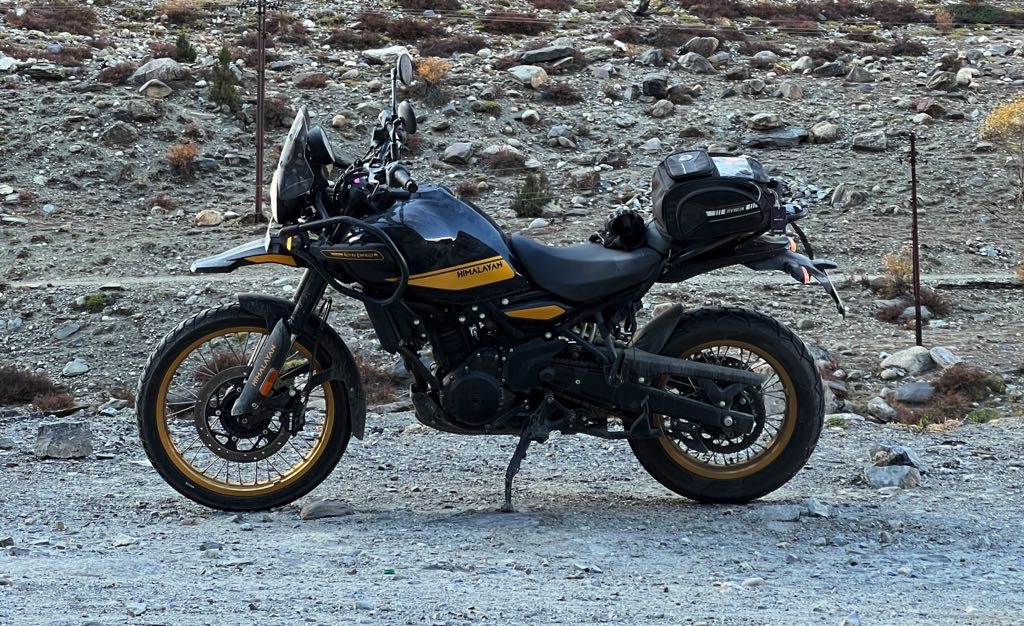
Royal Enfield Himalayan 450 CC
.Rent the Royal Enfield Himalayan 450 CC and Win Every Challenge. The Royal Enfield Himalayan 450...
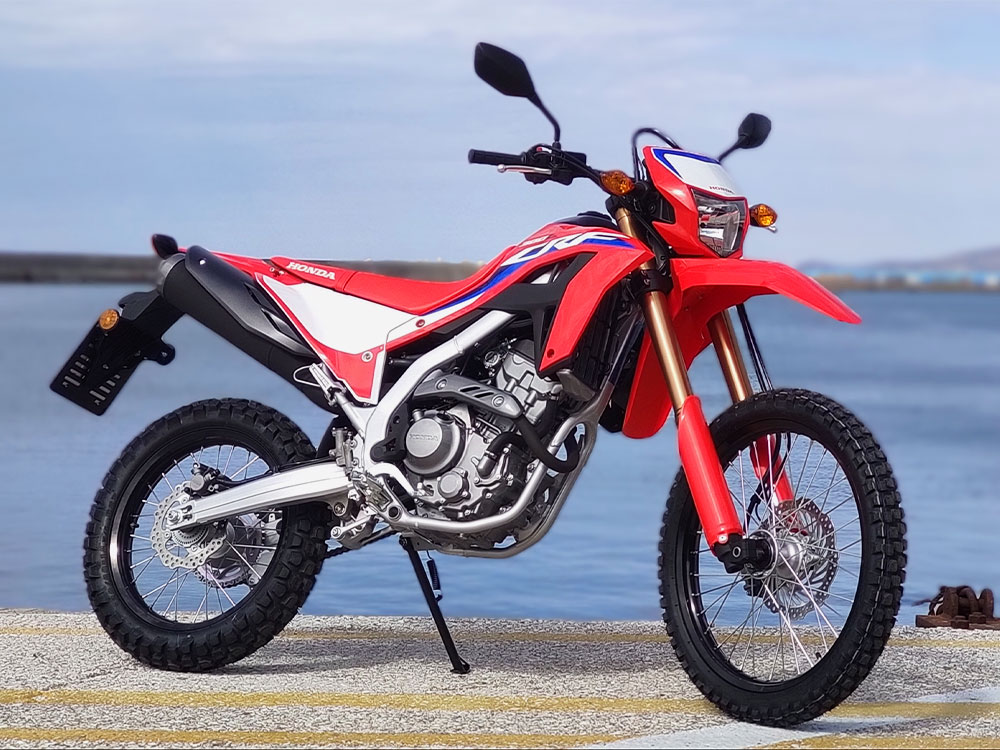
Honda CRF 250L
Rent a new Honda CRF 250L in Nepal. We offer affordable packages for motorcycle...
Frequently Asked Questions
Q1
Do I need to be an experienced rider to join?
You should hold a full motorcycle licence and be comfortable riding for several hours a day. Experience on gravel helps, but you do not need Himalayan or off-road expertise. The Day 2 skills session covers the basics you will use on the route.
Q2
Can I join the tour on my own?
Yes. Many riders join solo, and the group is designed to be welcoming. You can share a twin room with another woman or pay a supplement for your own room.
Q3
What if I am shorter and worry about reaching the ground?
Tell us your height and inseam when you book. We can fit lower seats on many bikes and adjust suspension preload. The Himalayan has a taller seat than the Classic 350, so we can match the bike to you.
Q4
Can my friend or partner join as a passenger?
Passengers are welcome. Because this is a women-only departure, passengers are women too. Non-riders can also travel in the support vehicle.
Q5
Can I ride my own motorcycle?
No. We provide the Royal Enfield motorcycles for this tour, which are maintained by our mechanic and set up for the route.
Q6
Is Nepal safe for women travellers?
Nepal is generally a friendly and safe country for women, particularly in tourist areas along this route. Normal precautions apply, as they would anywhere. The most significant risks are on the road itself, which is why we ride at moderate speeds and always in daylight.
Q7
How bad are the roads?
They range from smooth tarmac to rough gravel. The section between Beni and Jomsom is the roughest, with loose stones, potholes and some river crossings. You can ride the whole route, or hop in the support vehicle for any stretch you want to skip.
Q8
Is altitude sickness a concern?
The highest point is Muktinath at 3,800 metres, visited as a day trip, and the highest sleeping altitude is Kagbeni at 2,810 metres. This is moderate by Himalayan standards, but altitude affects people differently. Speak with your doctor before the trip and tell the guide at once if you feel unwell.
Q9
What about periods and hygiene on the road?
Bring the products you prefer, since options are limited outside the main cities. Many riders find menstrual cups practical for long days. Toilets vary in quality, so carry tissues and sanitiser. Let us know in advance if you want us to plan stops around your needs.
Q10
What should I wear in villages and temples?
Cover your shoulders and knees, and bring a light scarf for temples. Riding gear is fine on the road, and you can change into comfortable clothes at each stop.
Q11
Will I find vegetarian or vegan food?
Yes. Dal bhat, vegetable curries, momos, noodles and soups are available everywhere. Vegan and gluten-free meals usually need notice, so tell us at booking.
Q12
How many riders are in the group?
We keep groups small (No more than 10) so the pace is comfortable and the support team can give everyone attention. Contact us for the current departure size.
Q13
What happens if I get tired or want to stop riding for a day?
Take a seat in the support vehicle whenever you like. There is no penalty, and you can start riding again the next day.
Q14
What if the weather or roads force a change of plan?
Landslides and storms can close roads, especially in the monsoon shoulder months. If that happens, we adjust the route and timing to keep the trip safe, and our team has alternative options for most sections.
Q15
Can I rent riding gear?
Helmets and gloves are available to rent in Kathmandu, and we can reserve them in your size. We recommend bringing your own boots and gloves if you have them.
Q16
Do I need travel insurance?
Yes, and it must cover motorcycle riding, medical evacuation and altitude up to at least 4,000 metres. Many standard policies exclude motorcycling, so check before you buy.
Q17
Is there phone coverage and Wi-Fi?
Kathmandu, Pokhara and Chitwan have good coverage and Wi-Fi in hotels. Signal is patchy in the Kali Gandaki valley, and some lodges have limited or slow internet.
Q18
Can I arrive early or leave later?
Yes. We can book extra nights in Kathmandu or Pokhara and arrange airport transfers. If you want, we can also arrange a city tour or a short warm-up ride. Extra costs are paid by you.
Q19
How much cash should I bring?
Enough for dinners not included, drinks, tips and shopping, plus a reserve for the mountain section where ATMs are unreliable. Changing money is easy in Kathmandu and Pokhara, and harder in rural areas.
Q20
What medical help is available on the route?
Our team carries a first aid kit and has experience in basic first aid. Kathmandu and Pokhara have hospitals and clinics, and there are health posts on the route. Serious cases would be transferred to Pokhara or Kathmandu, which is why evacuation insurance matters.
Q21
Do I need any vaccinations?
Check the latest advice for Nepal with your doctor or a travel clinic well before departure, and see the CDC travel health page linked above. Bring enough personal medication for the whole trip.
Q22
How much should I tip?
In restaurants, around 10 percent if a service charge is not already included. For the guide, mechanic and driver, we suggest a group tip at the end of the trip, which we are happy to organise.
Q23
What if my roommate snores, or I want a single room?
You can ask to change roommates once you know the group better. A single room is available for a supplement, but in a few mountain lodges single rooms are limited, so we cannot guarantee one on every night.
Q24
Do I need to bring camping gear?
No. We stay in hotels, guesthouses and lodges, and bedding is provided. If you prefer your own sleeping bag liner or pillow, bring it.
Q25
What happens if I damage the bike?
Normal wear and minor repairs are covered. Damage caused by the rider, such as a broken lever or mirror after a drop, is charged up to the security deposit. Bikes are insured against theft and major accident damage.
Q26
Do you have a mechanic on the tour?
Yes. A mechanic travels with the group, carries spare parts and tools, and services the bikes daily.
Q27
Can I extend my trip after the tour?
Yes. Popular add-ons include an Everest mountain flight, paragliding in Pokhara, a visit to Lumbini, extra days in Kathmandu or a trek. We can arrange these before or after the tour.
Tour Videos
Share your experience with this tour
Reviews & Ratings
No Reviews Yet
Be the first to share your experience with this tour!
Nepal Motorcycle Tour for Women - 14 Days
Adventure Awaits
Licensed & Registered
Our Accreditation
Nepal Moto Tours is a fully registered and government-licensed tour operator, so you can ride with complete peace of mind.
Government of Nepal
Registered company under the laws of Nepal
Ministry of Industry, Commerce & Supplies
Licensed tour & travel operator

Nepal Tourism Board
Officially recognised by the national tourism authority
We Are Also On
Find and book our tours on the world's leading travel platforms.