
Nepal in December: Travel Tips and Guide

Nepal in December: Travel Tips and Guide

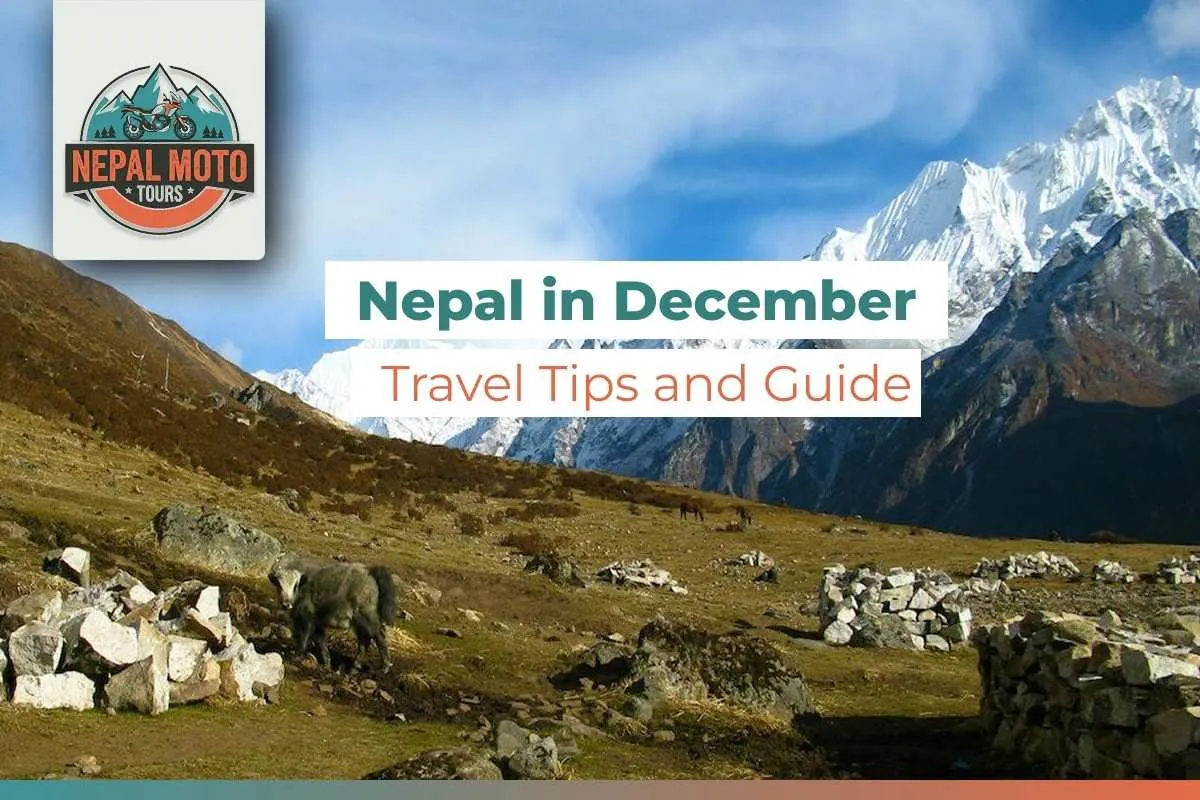
Looking to visit Nepal in December? It’s the perfect time to go exploring! You’ll find clear blue skies, fresh air, and beautiful views of snowy mountains if you go to Nepal in December. It’s a cool and pleasant environment outside, so now is the best time to explore. Trekking trails, colorful festivals, and fewer crowds are all part of this month’s experience. If you’re into hiking, safaris or spending peaceful days in quiet mountains, you’re sure to find it in December. There are also local festivals such as Tamu Lhosar and Christmas. In this blog, we’ll guide all you need to know from weather to things to do, festivals, packing tips, and traveling advice. Weather in December in Nepal During December, Nepal's Weather becomes Cold and Dry, so November is perfect for outdoor trips and enjoying the mountain ranges. Most days are sunny. During the morning and in evening time the atmosphere becomes cold. Temperature & Humidity: In Nepal's Capital, Kathmandu, and other lowland areas, daytime temperatures range from 10°C to 20°C. At night, temperatures in the mountains may fall well below freezing. With low humidity, you can deal with the cold and still enjoy fresh air.   Rainfall: December is part of the dry season in Nepal. As rain is not very common, you can enjoy most days free of rain, which makes traveling and sightseeing easy.   Visibility: The clear skies offer some of the best visibility of the year. You can see the amazing, breathtaking views of the Himalayas and the sunrise from popular tourist spots Nagarkot and Sarangkot.   Rain-Shadow Regions: Popular Places like Manang and Mustang, which lie behind the mountains, remain dry even during the monsoon season. In December, everything calms down in these regions, making it an ideal time to travel and walk on more secluded routes. Why Visit Nepal in December? December in Nepal is a peaceful and refreshing experience for traveling. December has good weather with clear skies, helping us see the Himalayas all covered in snow. It is a great time for things like trekking, hiking, and sightseeing. December is also full of cultural experiences. Tamu Lhosar festivals are available to experience and you can enjoy Christmas in Kathmandu and Pokhara. If you want to explore and enjoy both culture and nature, December is a great month to visit Nepal. Stunning Mountain Views : December is a great month to appreciate the panoramic views of the Himalayas. Since the weather is usually cloud-free, the snowy mountains appear even more stunning. Famous mountain peaks, including Everest, Annapurna, and Machapuchare, look golden during morning sunshine.   Trekking and Hiking: December is an excellent month to go trekking at low to middle altitudes in Ghorepani-Poon Hill, Langtang Valley and Helambu. Because it’s not hot and humid, walking on the trails is more comfortable. Since fewer people are around, you can enjoy walks through nature and clicking the pictures.   Cost Savings: As December isn’t the peak time for travel, you can often find deals and discounts from various accommodation providers and travel agencies. Traveling, eating, and doing activities are affordable on the budget during these busy months. So, your trip will be fun without thinking about costing too much money.   Cultural Festivities: Many cultural traditions are celebrated in December, like Tamu Lhosar. The Gurung community marks Tamu Lhosar by having fun and dancing, as well as various types of food. Thamel and Pokhara are popular places for Christmas and New Year celebrations, featuring both local and foreign holiday traditions.   Wildlife and Flora: Chitwan and Bardia National Parks are best explored by jungle safari during the winter season. Rhinos, elephants, and tigers are easier for people to spot when they go out to enjoy the sun. Along with birds, you can admire winter flowers and well-maintained forest trails during your tours. What to Do During December in Nepal? December is one of the best months to visit Nepal for peace and tranquility. Because of the cool and dry air, along with clear blue skies, it is ideal for both exploring outdoors and enjoying cultural happenings. No matter if you wish to be thrilled, relaxed or learn about the culture, Nepal in December has something for everyone. 1. Spiritual & Wellness Retreats If you want to relax and find inner peace, Nepal provides plenty of yoga and meditation retreats, and some of the best are found in Pokhara, Lumbini, and the area surrounding Kathmandu. Reflecting, healing, and bonding with your inner self is easier during December’s peaceful weather. Yoga, healthy meals, meditation sessions, and peaceful walks through nature are common parts of a retreat. 2. Wildlife Safaris In December, jungle safaris are enjoyable since the dry weather helps you see things more clearly in the parks. Both Chitwan and Bardia National Parks are home to rare animals like the one-horned rhino, Bengal tigers, elephants, and lots of birds. You can try jeep safaris, enjoy canoe rides, discover birds, and even interact with elephants, all from the safety of the forest. 3. High-Altitude Treks December is a popular month for trekkers because of its amazing, clear mountain views. It can be quite cold higher up, yet treks such as the Everest Base Camp, Annapurna Circuit, and Langtang Valley give trekkers impressive views of snowy surroundings and peaceful journeys. Because there are fewer visitors, the trails become more peaceful, and the teahouses are open for you. 4. Motorcycle Tours For adventure lovers, motorcycle tours across Nepal’s rugged roads offer a thrilling way to explore the country. Riding the roads between Kathmandu and Pokhara or heading toward Mustang allows you to observe the stunning snow-covered mountains above the quaint ancient villages. Although the air is chilly, the humidity is low, which suits motorcycle riding. 5. Adventure Sports Nepal is known for its exciting adventure sports. This month, you’re able to fly with paragliders over Pokhara’s lakes, try bungee jumping from high bridges, and raft on the clear and chilly rivers in the area. They are safe, supervised by experts, and offer an experience that stays with you. 6. Cultural Sightseeing Nepal has a great culture, and you can enjoy it more in December. Explore the old temples, stupas, and palaces found in Kathmandu, Bhaktapur, and Patan. You’ll find history, art, and architecture around every corner in these cities. Without so much tourism, you can fully enjoy your time at these sacred places, share moments with people from the area, and explore the beauty of Nepal. Major  Festivals Celebrated in Nepal in December Besides clear weather and wonderful mountain views, December is when Nepal celebrates interesting festivals that unite the community. They allow tourists to discover the deep traditions, tasty dishes, and friendly atmosphere in Nepal. 1. Tamu Lhosar Tamu Lhosar is the New Year celebration of the Gurung community. Traditional dancing, colorful costumes, and planned meetings mark the event, which happens in early December. In Pokhara and Kathmandu, the events include both large demonstrations and cultural programs.  Gurung people get together for meals and salute the past generations. For tourists, it’s a wonderful way to see the varying Nepali cultures and take part in a peaceful festival. 2. Christmas and New Year While Nepal is mainly a Hindu and Buddhist country, Christmas and New Year are celebrated, especially in cities like Kathmandu and Pokhara. It’s common to find hotels, restaurants, and shops decorating their area with lights and trees.  People visiting for New Year’s can take part in live music, dine on special meals, and participate in countdown festivities. Both those who live there and tourists come together for an enjoyable, peaceful event. 3. Yomari Punhi Yomari Punhi is a traditional Newari festival celebrated during the full moon in December. For this holiday, people make a sweet dumpling called Yomari, which contains rice flour and a mixture of molasses and sesame seeds.  The rice harvest is complete when the festival comes, and it is also tied to expressions of thanks and wishes for good luck. Visiting a Newar community during Yomari Punhi lets you taste unique local food and witness authentic traditions. Packing Tips  for December Visits in Nepal If you go on a trip in Nepal during December, be sure to pack carefully so you don’t get cold, wet or hurt. Make sure to have these things for a pleasant trip: Warm thermal base layers: They stop your body heat from being released, which keeps you warm in the cold. Useful for trips to cities as well as hiking.   Windproof and waterproof outerwear: Protects your head and body from sudden weather changes. Helps keep the inner parts of your body dry and warm.   Woolen hats and gloves: Keep your head and hands covered to keep your body temperature up. Essential for keeping you cozy in the morning and evening.   Thick socks and scarf: Helps keep your feet comfortable and stops any cold air from getting inside your jacket. Gives extra comfort when you are outdoors.   Waterproof trekking boots: Keep your feet safe and dry on lengthy walks. Perfect for walking on rough and sloped trails.   Sleeping bag (for high-altitude treks): Warming and necessary for camping in colder climates or at high altitudes. Pick a tent that is able to withstand cold weather outside.   Backpack rain cover: Protects your backpack and everything you carry from getting wet. Easy to pick up and bring with you wherever you go.   Moisturizer and lip balm: Helps keep the skin and lips from becoming dry in cold and dry situations. Keeps skin free from cracks and irritations.   Sunglasses and sunscreen: Prevent harmful rays from the sun when you’re at a high altitude. Protects against being burnt by the sun and keeps your eyes comfortable.   Power bank and headlamp: Helps your devices continue to operate and allows you to see clearly. Good to use wherever electricity is not available or during mountain trips.   Basic first-aid kit: Is useful for treating little cuts, blisters or mild altitude sickness. It is wise to carry cash whenever you travel. Travel Tips for December in Nepal Traveling in Nepal during December can be a wonderful experience with proper preparation. Getting the most out of your trip requires you to have a plan, but also to remain flexible. If you want good weather for outdoor activities, try to get outside early each day. It is strongly advised to use local guides, as they provide precious information, assist with directions, and make your trip in remote areas safer. Having a flexible plan in mind allows you to stay calm if something unexpected happens and keeps your trip enjoyable. Carry some cash for remote areas, use sun protection during the day, and consider lower-altitude treks for easier travel. Living in teahouses and joining local festivals can make your trip more enjoyable and culturally rich. If you are staying in Kathmandu or Pokhara, enjoy visiting cultural sites, local cuisine, and evening walks, but dress warmly as temperatures drop quickly after sunset.  Conclusion December is a wonderful time to visit Nepal because the weather is great, hiking is quiet, festivals are colorful, and the culture shines. If you prepare well ahead and are adaptable, you can discover the best of Nepal in December.  Get ready to explore Nepal this December and make memories that will last a lifetime!
Nepal in August: Travel Tips & Guide

Nepal in August: Travel Tips & Guide

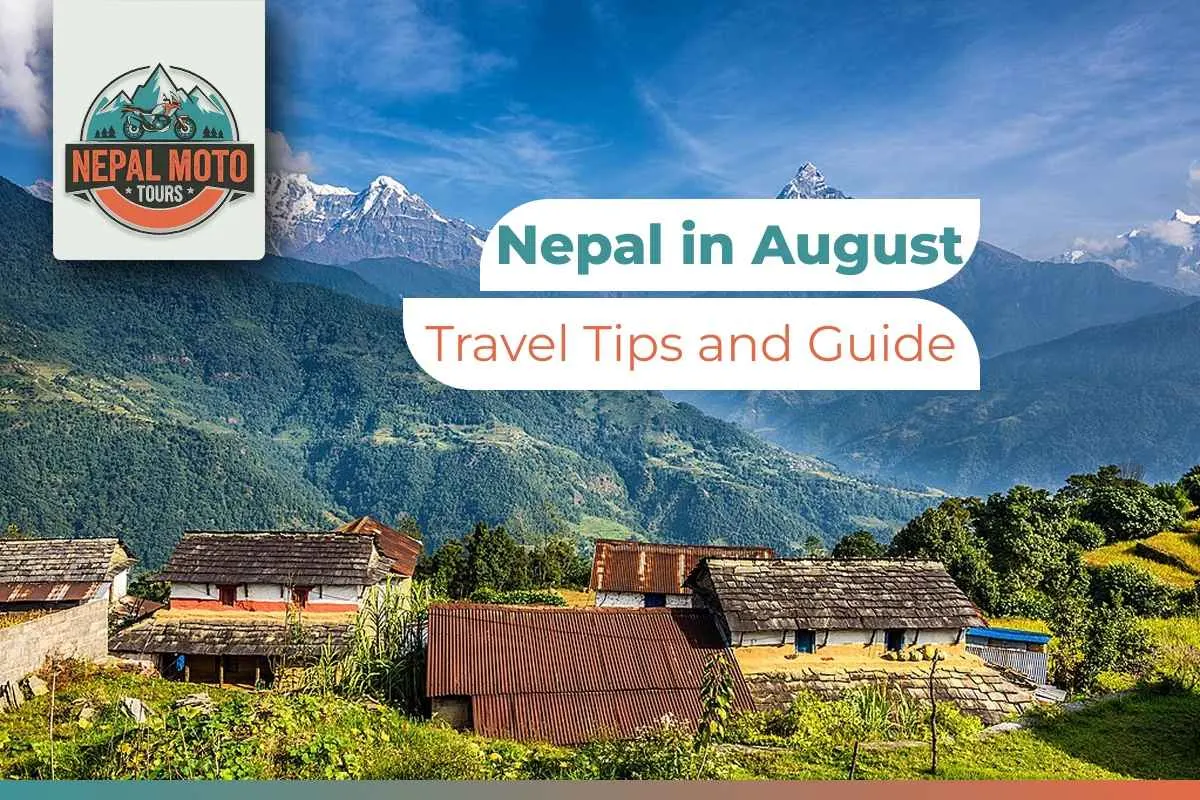
When most travelers think of visiting Nepal, they often aim for the dry seasons in spring or autumn. However, August offers a unique and surprisingly rewarding experience for those willing to explore during the monsoon.  During the hectic monsoon rains, nature blossoms, traditional practices emerge, and amazing, untold adventures unfold in areas that many tourists do not visit. If you long for the sound of nature or the vibrant culture in August, Nepal can be wonderful, provided you are prepared and know the right places. In this blog, we’ll guide you through everything you need to know about Nepal in August and how to enjoy Nepal’s unique charm during the rainy season.  Weather in August in Nepal Though the monsoon is active during August, it shouldn’t keep you from planning your trip. A bit of forward thinking will allow you to see the best parts of the country that have been less affected. Temperature and Humidity: At night, temperatures typically fall to 20°C (68°F), with to 29°C (84°F) during the day. With humidity usually at 80%, it is a warm, bright, and lush green environment. Climbing into the hilly and mountainous areas makes the air fresh and cool.   Rainfall: Throughout August, afternoons and evenings are often quite rainy. Kathmandu usually receives about 330mm of rain every year. Rain occasionally gets very heavy, but it tends to fall in strong bursts for short periods. Preparation is necessary since rural roads may become slippery or full of mud.   Visibility: Mornings usually allow you to see the best view. Following rain at night, the sky can be crystal clear, allowing you to see plan misty hills and wide views. Even so, there is a chance that the higher Himalayas will be obscured by clouds.   Rain-Shadow Regions: People who want to go trekking can explore Mustang, Dolpo, and Upper Manang. The sheltered conditions behind the Himalayas mean these places are great for monsoon trekking in Nepal. Why Visit Nepal in August? Even though it is the rainiest month, August draws fewer tourists and allows you to see the lush side of Nepal, its bright festivals, and fewer crowds. Having the right attitude and making good plans can make August a very satisfying time for campers. Lush Scenery: The monsoon makes Nepal’s hills, valleys, and forests lively and full of life. Terraces covered with dark green crops, lively waterfalls, and the distinct smell of the earth are comforting after a bit of rain. Nature lovers and photographers will enjoy Nepal at its most brilliant and colorful during August.   Fewer Tourists: Since August is off-season, many stations and main attractions are much less crowded. Because places are quiet, you can easily have private and calm experiences. As things happen slowly, you have plenty of time to meet the locals and see everything that interests you.   Cost Savings: As there are fewer tourists, hotels, tour operators, and travel companies tend to offer more flexible prices. If you decide to travel on a budget, you will appreciate the cost in Pokhara, Kathmandu, and Lumbini. You can try more comfortable or longer stays for much less than you would during peak times.   Monsoon-Era Festivals: Many rich cultural celebrations held in August show how spiritual and joyful Nepal is. Despite the rain during these festivals, songs, dances, and many colors fill the streets of Kathmandu. They provide an infrequent opportunity to be part of old traditions and observe how these traditions remain vibrant. Top Activities During August in Nepal Despite all the rain at this time, there are plenty of things to enjoy in Nepal during August. Picking the best activity for the climate and region allows you to get the best out of your monsoon travel. 1. Rain-Shadow Treks Rain isn’t a problem in Mustang, Dolpo, or Nar Phu Valley in August, so trekking here is comfortable and enjoyable at this time. Although the scenery is incredibly dry, it is both awe-inspiring and peppered with canyon-like valleys, eroded cliffs, and old cave monasteries.  A trip to Lo Manthang in Upper Mustang allows you to see Tibetan culture, old monasteries, and rugged mountains, all of which are protected by the region’s unique climate. 2. Culture & Heritage Tours You can stay close to culture in Kathmandu Valley by marveling at ancient temples and palaces and seeing how active traditions continue throughout the monsoon. In Kathmandu, Patan, and Bhaktapur, you’ll find a lot of UNESCO World Heritage Sites, places where crafts are made by hand, and colourful festivals. Even a light rain brings more romance to walking among prayer wheels and holy places. 3. White Water Rafting & Kayaking The floodwaters in August mean that Nepal’s rivers are ideal for exciting rafting and kayaking trips. Adrenaline seekers will find ideal rapids on rivers like Trishuli, Bhote Koshi, and Seti. With certified guides and safety gear, the experience becomes both safe and unforgettable, and won’t be something you won't forget it. 4. Wildlife Safaris Both Chitwan and Bardia National Parks offer a fun experience even during the monsoon, when the forest is full of life. Though visibility can suffer when it rains, you are likely to spot animals such as rhinos, elephants, crocodiles, and Bengal tigers once the weather is dry again. You’ll usually find that you have the whole trail all to yourself as fewer people visit. 5. Motorcycle Tours If you like adventure, biking through Nepal’s rain-shadow regions or along its hilly routes is a great idea. Having waterproof clothing and a solid bike allows riders to travel on peaceful roads in remote areas, past farm valleys, and through the country’s rugged hills. Both well-known trails in the Mustang area and other hidden routes around the Kathmandu Valley let you experience a real sense of freedom and excitement. 6. Village Homestays By staying in a village home, guests can experience true Nepali life, well removed from tourist areas. If you visit Bandipur, Panauti, or Tansen, you can meet local families, sample local dishes, and study traditional handicraft techniques. The presence of a monsoon during your stay brings charm, relaxing mists, beautiful flowering gardens, and peaceful times with your hosts. Major Festivals During August in Nepal August is a lively month for cultural celebrations in Nepal, so it’s an exciting time to join or watch traditional events. Nepal’s festivals truly reflect the national spirit, family relationships, and community life found here. Here are some of the major festivals celebrated during August:  1. Gai Jatra Celebrating Gai Jatra, the "Festival of Cows," neighbours bring cows and dance to placate any souls left behind after the past year. Parents choose to clothe their children as cows or gods to help spirits find their way through the afterlife. Happening in Kathmandu, Bhaktapur, and Lalitpur, the festival combines sad bits with humor to portray the special way Nepal mourns and remembers its loved ones and celebrates. What makes Gai Jatra different is that family members use communal rituals and laughter to help them grieve. In spite of being centered on sadness, the week gives people a chance for laughter, imagination and healing together. The combination of the sacred and the comedic in Gai Jatra handles loss in Nepal with the help of the community, religion, and culture. 2. Krishna Janmashtami Through this holy festival, Hindus in Nepal and India celebrate the birth of Lord Krishna, who is much loved by many. Groups of people come to temples such as the Krishna Mandir in Patan to dance and sing bhajans, read sacred texts, and continue with praise and prayer all night. Everyone is spiritually excited during the festival, wearing flower necklaces, displaying butter lamps, and storytelling about Krishna’s life. This event brings together people from every background, no matter their age, and they all take part with real enthusiasm. Children like to imitate Krishna and Radha in their clothing and dramas, or tales are often put on to share Krishna’s stories. Because Hindus in Nepal are so devoted to Krishna, the celebration takes on a magical and joyful feel for those who participate. 3. Teej Women in Nepal celebrate Teej in red & green, gather for rituals and dance, and fast through the occasion. Parvati, the goddess of marriage, is honoured, and the temple, the auditorium, and ritual festivities are especially important during this festival. This religion isn’t only about worship; it is a lively celebration of women, solid sisterhood, and strong resilience. Teej is not only a religious festival, but it also honours being a woman, having a sister, and being strong. Women, wherever they come from, gather to tell each other about their lives, share their concerns and bust a move to let go of their troubles. There is joy, music, and emotion in the atmosphere, so Teej is a day for women to come together and honour their faith and strength. 4. Janai Purnima Sacred rituals and thoughts of purity make Janai Purnima a major Hindu festival celebrated in August. During Mangal Gupta, Brahmin and Chhetri men put on a new janai in preparation for a renewed commitment to their faith. During Raksha Bandhan, priests tie colourful threads on the wrists of those there, hoping the threads shield them from evil luck. A lot of people come to the Kumbheshwar Temple in Patan to take part in holy dips and prayer rites. At the same time, different ethnic groups celebrate the day in their unique ways throughout Nepal. Gunhi Punhi is a festival for the Newars, who enjoy feasts, while Tamang and hill community members celebrate Yakuwa Punhi by placing importance on staying united and remembering their ancestors. The festival is a day for both private spiritual cleansing and the community’s celebration of religion, security, and diversity. Packing Tips  You should recognize the key things to pack for August travel. You still need warm and comfortable clothing, despite needing protective gear when it’s raining and humid. Clothing: Clothing made from breathable and quick-dry fabrics is very important. Take a raincoat or poncho with you instead of bulky cotton clothes.   Footwear: Parts of the trail may be wet, so look for shoes that won’t easily get wet and have a firm grip. Because roads are often slippery, wearing shoes with anti-slip soles is very important.   Gear: A rainproof umbrella, a dry backpack, and a pouch for your phone are smart things to have on any adventure. If you’re traveling outside the city, remember to bring both a headlamp and insect repellent.   Essentials: Be sure to purchase travel insurance that helps in case of weather problems. Store copies of your important documents and always have cash on hand in places without many ATMs.   Travel Tips during August in Nepal Visiting Nepal in August requires being prepared to adapt to any changes. These tips will allow you to have a better time while traveling: Be sure to begin your day as early as possible. Because most rain comes in the afternoon, you should try to complete your biggest activities before then. As a result, you’ll be able to see clear skies and not worry about heavy rain. For any trip taking you off the beaten path, hire a speaker who knows the local area best. In the monsoon season, hiking trails might be difficult, so hiking with a local is safer. Also, they can help you make sense of traditions, particularly during holidays. Plan your trip with enough flexibility. Because delays and landslides can happen in the monsoon, you should plan buffer days around important travel. Find out about the local weather and keep an alternative activity in case it doesn’t go as planned.   Conclusion Visiting Nepal in August offers a unique blend of peace, adventure, and cultural richness. The monsoon brings out the country’s lush beauty, while rain-shadow treks, vibrant festivals, and colorful villages reveal a side of Nepal few get to experience.  Embrace the rhythm of nature, enjoy the serenity of fewer tourists, and let the charm of August surprise you. Whether you're riding through scenic trails or exploring hidden gems, Nepal Moto Tours is here to guide your journey.  Book your monsoon adventure now with Nepal Moto Tours and discover Nepal like never before!
Nepal in July: Travel Tips & Guide

Nepal in July: Travel Tips & Guide

July in Nepal may not be the typical season aimed by most travellers due to its weather. But that’s exactly why it stands out. Beyond rain, mud and mist, of the monsoon there lies a version of Nepal that’s refreshingly raw, and vibrant. While the rain and clouds of the season may limit some mountain views, it also reduces crowds, and costs on and around major tourist destinations. Different cultural festivals are celebrated in many parts of the country to witness. Adventure like treks and off-road biking are also possible, especially in the rain-shadow regions. And there are plenty more things. This guide will walk you through everything to help you make the most out of your journey. From the weather to travelling and packing tips, here’s what you need to know while heading to Nepal in July.  Weather in July in Nepal Nepal’s weather in July is dominated by the summer monsoon. This monsoon brings consistent rainfall to most parts of the country. While it can be a challenge, it also creates dramatic scenery and quiet travel moments that are hard to find in busier seasons. However, before headstarting any journey, take a quick look at the key elements that define July’s weather across different regions. Temperature & Humidity: The temperature of Kathmandu valley can hover around 20 to 30°C (68°F to 86°F) with humidity of 80-90% in this season. While the Terai region (the southern plains) is hotter and more humid, the hills can offer a cooler escape at this time.  Rainfall: It’s a fact that July is one of the wettest months of the year, especially in central and eastern Nepal. Rain usually falls in intense afternoon bursts, leaving mornings clearer for exploration. Visibility: Mountain views are limited due to cloud cover, but early mornings can offer rare and clear glimpses after overnight rain. In valleys and hills, mist and fog create a mystical, almost surreal atmosphere. Rain-Shadow Regions: Regions like Upper Mustang, Dolpo, and Manang receive little rain even in July, making them ideal for trekking and off-road motorcycle adventures. These high-altitude areas lie in the Himalayan rain shadow, offering dry weather and unique landscapes. Why Visit Nepal in July? Keeping the above weather elements in mind, now we can delve into the exciting possible experiences that Nepal can offer in July. Here are few reasons that might lure you into planning a visit here: Lush Scenery: Because of the rainfalls, the natural beauty of Nepal is at its most vivid green in July. The hilly terraced farms and Terai plains turn into shades of green. The rivers sweep through valleys with force, and waterfalls come alive on every hillside. Fewer Tourists: With July being off-season, popular destinations like Pokhara, Annapurna, and even Kathmandu’s heritage sites are far less crowded. That means quieter trails, better availability of rooms, and a more personal travel experience. You’ll get to see Nepal without the rush of high-season tourism. Cost Savings: Lower tourist numbers lead to noticeable price drops on hotels, tours, and transportation. Many mid-range and even luxury accommodations offer rainy-season discounts. If you’re traveling on a budget, July gives you more value for your money. Monsoon-Era Festivals: Major festivals start to begin in July and are celebrated across the country with traditional rituals and gatherings. These events aren’t staged for tourists; they’re lived and felt by the people. Visiting during these times gives you a rare insight into Nepal’s spiritual and cultural life. Top Activities During July in Nepal With so many places to explore, journeys to unravel, and adventures to get thrilled by, some top activities you can add to your visit list are described in detail below: Rain-Shadow Treks As already mentioned, the great Himalayas create some rain-shadow regions in Northern Nepal. Upper Mustang or Dolpo are some such places that see very little rain and offer desert-like landscapes, ancient caves, and a blend of unique terrain and cultures. They are also very famous for their treks and off-road bike adventures.  Cultural & Heritage Tours The Kathmandu Valley is one of the densest UNESCO World Heritage hubs in the world, with sites like Patan Durbar Square, Swayambhunath, and Pashupatinath all within easy reach. July’s slower pace and cooler air make it ideal for walking tours, museum visits, and wandering ancient city alleys. Without too much of a crowd, you can observe these heritages more personally. Spiritual & Wellness Retreats Nepal offers a wide range of yoga, meditation, and wellness retreats, especially in places like Pharping, Namo Buddha, and Pokhara. Many centers offer traditional practices like Vipassana, sound healing, and Ayurvedic treatments in peaceful, natural settings. It’s a calm, reflective way to experience the country while staying dry and grounded. Wildlife Safaris While some trails may be muddy, Chitwan and Bardia National Parks are still worth visiting. You can spot rhinos, elephants, gharials, and over 500 species of birds, especially after the rain when the jungle comes alive. With a good guide and some waterproof gear, the experience can be much more rewarding than the dry season. Motorcycle Tours Rainy gravel roads with potholes can be challenging, but for seasoned riders, it can be adventurous. July is that very time when these things come together. You can bring your own bike or even rent bikes for these motorcycle tours. Routes to Mustang and Manang are more accessible than others, with rugged trails and fewer vehicles on the road. Major Festivals in July in Nepal Besides adventure, July also brings meaningful cultural moments. Here are two key festivals you may witness during your visit: Ghanta Karna (Gathemangal): Wards off evil spirits. Celebrated mainly in the Kathmandu Valley, Ghanta Karna symbolizes the defeat of evil and protection from negative forces. Locals create effigies of demons, which are later burned or thrown into rivers. It’s a lively, symbolic ritual that mixes fear, humor, and tradition. Teej: Hindu female worshipers primarily celebrate Teej through their observance of religious fasting while performing dances and devotional rituals. Women wearing red sarees attend Pashupatinath temple with other Hindu followers to perform spiritual dancing and singing as they bring prayers for marital success alongside household peace. Packing Tips  No matter how you plan your journey to Nepal in July, your packing should be prepared for the monsoon. Here’s a quick breakdown of what you should absolutely not forget: Clothing: Quick-dry layers are essential to stay comfortable when you're caught in the rain. A waterproof jacket and pants will protect you from sudden downpours, whether you’re in the city or on the trail. Avoid heavy cotton, as it stays wet and cold. Footwear: Trails and city streets can both be muddy and slippery, so a good pair of waterproof trekking boots with a solid grip is non-negotiable in July. You can also consider bringing a backup pair of lightweight sandals for evening or less rugged walks. Gear: A backpack rain cover is a must to keep your gear dry while travelling. Dry bags or waterproof pouches are also great for essential accessories like electronics, documents, etc.  Essentials: As power outages can be common during heavy rains, keeping a power bank alongside will save your phone from dying out. A first-aid kit, insect repellent, and leech socks will save you while trekking or exploring jungle areas. And don’t forget quick snacks, purification tablets, and a reusable water bottle. Travel Tips for July in Nepal Monsoon travel is all about timing, preparation, and flexibility. Including them, some tips that can help you manage your journey better are as follows: Early Starts: The July rains in Nepal usually hit in the late afternoon or evening, while the morning tends to be a bit clearer. If you’re planning for treks and outdoor explorations, starting early can help you avoid the worst of the weather. It can also help you provide better visibility in real as well as photos. The temperature for the hikes will also remain cooler in the morning. Local Guides: A local guide knows how to tackle the uncertain weather conditions of July, especially in remote regions. They can help you choose safer routes and react promptly if plans need to be changed on the spot. They can also communicate with locals, find better shelters, and handle transport or permit changes during unexpected delays. Flexible Itinerary:  A strict schedule might not work in July, because of unpredictable weather. Landslides, road blockages, or flight cancellations can delay your travel even if you have a guide alongside. So, adding a couple of buffer days to your itinerary gives you time for pivoted plans. It's better to have extra time than to cancel something you were looking forward to. Conclusion  The landscapes of Nepal are alive with colour, the air is fresh, the festivals are moving, and the pace is peaceful in July. So, if you are someone who is willing to embrace the rain, you are going to experience one of the most beautiful and spiritually rich times in the country. July isn’t just a travel window; it’s a chance to explore Nepal without the filters. Whether you’re hiking through ancient trails, soaking in culture, or watching the lush hillsides, this season provides you a different kind of thrill. And if you’re planning to take this adventure on two wheels, Nepal Moto Tours offers reliable bikes built for these conditions. With flexible rental options for both casual explorers and hardcore bikers, you’ll have the freedom to chase remote trains as well as conquer rain-shadow routes.
Nepal in September: Travel Tips & Guide

Nepal in September: Travel Tips & Guide

Looking for the perfect mix of nature, adventure, and culture? September in Nepal is your answer. As rainy seasons come to an end in September in Nepal, the country presents its spectators with flourishing green scenery, pure breathing air, and various local ritual celebrations.  With fewer crowds and a festive buzz in the air, this month invites you to discover hidden trails, vibrant traditions, and moments of deep spiritual connection.  In this blog, we’ll cover everything you need to know about visiting Nepal in September, from weather and activities to travel tips and festive highlights. Weather in September in Nepal During September, when monsoon conditions subside, Nepal develops positive weather conditions that permit exploration of various regions. Here are some of the key factors of the climate conditions that visitors can anticipate in the month of September in Nepal. 1. Temperature & Humidity In September, the temperature begins to cool, especially in the evenings. The temperature during daytime reaches 26°C (79°F) in Kathmandu Valley, but Namche Bazaar, located at high altitudes, experiences nighttime temperatures below 12°C (54°F). The early weeks of September see moderate humidity levels before they decrease across the month, making the outdoor environment easier to enjoy. 2. Rainfall Light to moderate rainfall continues after the official monsoon period ends during early September, but mostly occurs during the first part of the month. The weather in September brings around eight to twelve rainy days, which mostly happen during evenings and late afternoons. In Mustang and Manang, the occurrence of rain decreases significantly. 3. Visibility The views of Annapurna, Dhaulagiri, and Everest emerge as the skies slowly become transparent around the mid to late September period. Improving conditions make September the optimal period for photographers, together with trekkers and mountain flight enthusiasts. 4. Rain-Shadow Regions Upper Mustang and Dolpo, together with Manang, represent rain-shadow zones that attract trekkers toward the end of the monsoon season. Scarce rainfall prevails in these locations since they are positioned behind the Himalayas. Why Visit Nepal in September? Nepal exhibits low travel popularity during its month of September. These locations link together the exciting monsoon commotion with the refreshing period of peak trekking season. The following demonstrates why you should consider visiting Nepal during September. Lush Scenery: The summer monsoon season creates Nepal's best visual appearance with its prosperous vegetation covering the land along with its valleys. The landscape in Nepal consists of vibrant forest areas and thriving terraced fields, together with vigorous river currents. Fewer Tourists: The travel experience in September remains peaceful despite the high activity levels of October and November. The quiet tourist conditions allow you to delve deeper into Nepalese culture while enjoying smaller crowds on all paths and accommodations, and cultural sites. Cost Savings: September is the shoulder season for travel, so travellers benefit from steep discounts of 20-30%. Monsoon-Era Festivals: The month of September in Nepal features the cultural festivals Indra Jatra alongside Teej, which creates an energizing atmosphere for visitors to see traditional customs performed by locals during public meetings and masked rituals. Top Activities During September Month in Nepal During September, the weather continues to improve while several cultural events unfold, creating outdoor and indoor activities that suit anyone who travels. The following list contains the main activities every visitor should experience: 1. Rain-Shadow Treks Tourists should experience Upper Mustang Annapurna Circuit (via Jomsom-Manang) and Nar Phu Valley through their September explorations. The arid Tibetan landscapes, together with deep gorges and historical caves, are accessible for exploration because these areas remain dry in these regions. 2. Cultural & Heritage Tours Visitors can effortlessly document the UNESCO World Heritage Sites of Kathmandu Valley through their cameras after the monsoon due to the clean post-monsoon light. The historical wonders become more meaningful because local guides assist in their understanding. 3. Spiritual & Wellness Retreats People discover the perfect opportunity to participate in yoga retreats and meditation workshops, and Buddhist monastery stays in places like Pharping, Pokhara, or Namo Buddha since the scenery reaches its most tranquil and nature looks at its peak. 4. Wildlife Safaris The reopening season for Chitwan National Park, along with Bardia National Park, occurs during September. Haribans Baradi Park enables visitors to experience rhinos and elephants through jeep safaris combined with canoe rides and jungle walking trails while trying to catch sight of the rare Bengal tiger. 5. Motorcycle Tours The motorbike rides which lead from Pokhara to Mustang and Kathmandu to Dhulikhel and the Mid-Western Highway route offer exciting journeys through Nepalese landscapes with beautiful views of mountains and traditional mountain villages and clean, narrow roads. Major Festivals During September Month in Nepal September in Nepal welcomes you to a festive month brimming with religious celebrations, which provide extensive access to Nepalese cultural traditions. The following list includes the prime festivals to experience: Indra Jatra: Kathmandu organizes this active festival to honor the rain deity Indra after the monsoon season ends. The festival showcases both traditional dances with face masks and processions bearing the Living Goddess (Kumari) within wooden chariots while playing Newar cultural music.\ Dashain (Begins Late September): Dashain stands as Nepal's largest and longest Hindu festival that starts during late September by marking Ghatasthapana for its inaugural day of fifteen successive days. Throughout the festival, people gather to share blessings, followed by kite-flying and feast celebrations. The country shows its early enthusiasm and preparation strategy for this major event during the final weeks of September, as people honor the triumph of goodness over wickedness. Packing Tips Packing efficiently becomes vital because Nepal offers diverse landscape features during September, with changing climate conditions. The following are the essential steps for packing according to the requirements of travelers: Clothing: Quick-drying clothing, lightweight fleeces, a waterproof jacket, along with matching pants, form the basis of essential items to pack. The day brings moderate temperatures to Nepal, whereas nighttime delivers cool conditions, especially in high-altitude areas. Footwear: Wear a waterproof trekking boot that must have outstanding grip performance. The early part of the month brings continuous trail mud. Gear: A travel preparation checklist must include a backpack, rain protection, together with dry bags for electronics and documents, and a reusable water bottle. Climbing with lightweight trekking poles will be useful during your hike. Essentials: Travelers visiting humid regions must bring essential items, which include power banks, along with first aid supplies, along with insect repellent, and leech socks. The purchase of travel insurance that specifically covers trekking activities is highly necessary. Travel Tips for September in Nepal Several effective strategies during September will maximize the benefits of your travel experience. Running your daily activities early in the morning provides prime daylight conditions since most rainfalls happen during late afternoon hours. A flight or tour scheduled during early hours enhances the chances of witnessing amazing views. Hiring people from the local area stands as an outstanding selection for travelers. Local guides have complete knowledge of both the land and cultural practices and provide assistance with weather changes and customs unfamiliar to tourists. Flexible planning alignments will enable you to modify schedules following unexpected showers or traffic events during festival periods, thus providing a smooth vacation experience. Also Read : Nepal in May: Travel Tips & Guide Conclusion September in Nepal is a gateway to unforgettable experiences, where nature flourishes, traditions come alive, and the serenity of the Himalayas welcomes you with open arms. Whether you seek adventure, culture, or peaceful escapes, this shoulder season offers the perfect balance without the rush of peak crowds.  From winding mountain roads to vibrant local moments, every journey becomes a memory. Ready to explore Nepal like never before? Let Nepal Motor Tours guide your ride through this breathtaking landscape—book your adventure today and experience Nepal on two wheels, the way it was meant to be seen.
Nepal in June: Travel Guide and Tips

Nepal in June: Travel Guide and Tips

June brings lush green landscapes and fewer crowds to Nepal, but the monsoon rains can create challenges like slippery trails and travel delays.  For those seeking dry treks, the rain-shadow regions like Dolpo or Upper Mustang are perfect alternatives. Proper preparation and flexible plans can help you experience the best of Nepal in June, from cultural festivals to quieter trekking routes. Weather in June June in Nepal brings elevated temperatures together with higher moisture levels during the monsoon season and regular rainfall. While the lush landscapes are beautiful, travelers should be prepared for wet conditions, particularly in hilly and mountainous areas.   Average temperature: The temperature varies significantly based on the region, ranging from 15°C in higher-altitude areas to 30°C in lower regions. Areas at lower altitudes including Kathmandu, Pokhara and Chitwan maintain warm and hot climates and Everest and Annapurna stand as cooler regions.   High altitude regions: Mountain areas including Everest and Annapurna receive regular rainfall which causes trails to stay wet and increases their difficulty level as temperatures remain low. Adventure seekers must exercise safety awareness due to slippery terrain and occasional landslide incidents.   Valleys ( Kathmandu & Pokhara): Climatic conditions in Kathmandu and Pokhara are characterized by warm temperatures which blend with heavy moisture while rainfalls happen mainly during afternoon hours. Showers in this area provide temporary relief from heat but sometimes result in flight delays or brief roadblocks.    Rain: The monsoon season produces maximum rainfall during daytime and early evening hours which results in beautiful green vegetation across the region. Traveling and trekking in regions with mist and low visibility becomes harder because of the poor visibility conditions in hilly areas.  Why visit Nepal in June? June offers a unique opportunity to experience Nepal in a different light, with lush landscapes, fewer tourists, and vibrant cultural events.  Here’s why June is a great time to visit: Lush green landscapes: The monsoon season in Nepal turns hills into lush green landscapes that restore their forests while revealing mesmerizing waterfalls during this unique period. This time the atmosphere carries a pleasant freshness which perfectly matches the stunning natural beauty of the region.   Fewer tourists: The travel period during June represents an off-peak period so major tourist hotspots have reduced numbers which creates a more relaxing sightseeing experience. Travelers who want to discover locations beyond the typical tourist rush will find this the ideal time to go.   Cultural festivals: The Rice Planting Festival known as Ropain takes place in June alongside other cultural festivals which allow visitors to share authentic Nepalese traditions through interactive opportunities. Tourists can connect directly with Nepal's farm communities and observe their regional traditions at this time.    Lower prices: During June when tourist numbers decrease hotels and trekking agencies provide reduced prices thanks to which visitors can experience Nepal at reduced expenses. Visiting Nepal becomes more affordable during this period because of lower prices in hotels as well as trekking agencies.  Top activities to do in Nepal in June June offers a variety of activities that highlight Nepal's rich culture, diverse landscapes, and unique experiences.  Here’s a look at some of the best things to do: 1. Trekking Upper Mustang Trek: Upper Mustang Trek encompasses a rain-shadow area that stays dry and easily reachable throughout the monsoon season. Travelers can explore Tibetan cultural heritage as they discover breathtaking natural landscapes.    Dolpo Region: The relatively dry weather conditions of Dolpo Region let travelers visit its stunning mystic landscapes in this isolated area. This destination provides an ideal haven for people who want to experience nature's silence and serenity.   Everest Base Camp & Annapurna Circuit: Visitors can trek to Everest Base Camp and Annapurna Circuit in June although they need to prepare for rainstorms along with leech encounters and delayed flights caused by adverse weather conditions. Conditions on the trails will be difficult to navigate but hikers can still reach these locations. 2. Cultural and historical tours Kathmandu Valley: The UNESCO World Heritage sites within Kathmandu Valley represent Nepal's cultural and historical heritage through Pashupatinath Temple and the Durbar Squares and Swayambhunath monument.   Bhaktapur & Patan: The cities of Bhaktapur & Patan remain well-maintained to showcase the Newari heritage through their beautiful temples as well as traditional temples and courtyards including old architectural structures. 3. Wildlife adventures Chitwan National Park: The wildlife experience at Chitwan National Park gives visitors an opportunity to see rhinos as well as tigers and elephants in their natural jungle habitat. The monsoons transform the jungle's appearance into a beautiful sight that attracts visitors seeking outdoor fun.    Bardiya National Park: Bardiya National Park stands as an alternative to Chitwan, providing remarkable wildlife opportunities to visitors who want to avoid crowds. People who love being alone in nature will find this location perfect. 4. Pilgrimage and spiritual tours Lumbini: Known as the birthplace of Buddha, Lumbini offers a peaceful and serene atmosphere, ideal for reflection and spiritual growth. Visitors and pilgrims find peace in the sacred garden together with monasteries and temples.    Muktinath: The pilgrimage destination of Muktinath becomes reachable through aerial transportation combined with brief trekking routes. It contains deep religious value alongside its temple structures and rare ecosystem which attracts devotees alongside travelers seeking outdoor adventures.  Packing tips for Nepal in June Since June brings monsoon rains, high humidity, and warm temperatures, packing the right gear is essential for a comfortable trip.  Here’s what you should bring to stay dry, comfortable, and prepared for the changing weather: Clothing Wear lightweight breathable moisture-wicking clothes to keep you cool and comfortable, particularly during warm or humid weather. The fabric materials accelerate sweat evaporation which preserves dryness during physical activities. A waterproof jacket combined with quick-drying layers should be in your pack because both protect against unexpected precipitation or changing temperatures. The use of quick-dry clothing enables individuals to maintain comfort after they get wet. The combination of trekking pants with long-sleeved shirts protects against insects and sun exposure and also prevents scratch injuries when traveling through natural settings. Footwear Choose waterproof trekking boots for trails as they offer stability and grip along with protection from uneven or rainy terrain. You should bring comfortable sandals or sneakers since they suit city tours together with relaxation after trekking. Lightweight boots serve casual walking better than other footwear types. Essentials You should bring an umbrella or a rain poncho to protect yourself when unexpected rain threats appear. This ensures both your dryness and comfort throughout the day. Ensure you pack insect repellent because forested or tropical areas are notorious for their mosquito and leech populations. Protect your things from getting wet by using a waterproof backpack cover during rainy conditions and whenever you move through slippery areas. Travel tips for Nepal in June As June marks the beginning of the monsoon season, travelers should prepare for wet conditions, potential travel delays, and fewer crowds.  Here are some essential travel tips to ensure a smooth and enjoyable trip: 1. Trekking preparations Most trekking areas receive heavy monsoon rains which turn trails into difficult and slippery conditions. Traveling to the rain-shadow areas such as Upper Mustang and Dolpo provides the safest conditions because landslides and leeches become less frequent. Trekking socks along with insect repellent work as effective protection against leeches found mostly within low-altitude woods and damp footpaths. The combination of rain jacket and backpack cover and quick-dry clothing will protect you from the rain while ensuring your comfort during monsoonal weather. Remote locations become inaccessible when weather creates delayed flights and blocked roads and traffic restrictions. By planning extra time into your itinerary you can avoid disruptions from unexpected changes in your travel schedule. 2. Accommodation June represents an off-tourism period thus hotels across Kathmandu Pokhara and Chitwan provide discounted rates and affordable prices during this time. Tourists can discover affordable accommodations for excellent rates throughout major destination areas when visiting during the off-season. During the monsoon months, some remote teahouses might close permanently or maintain only simple facilities because of lower visitor numbers. Advance availability checking combined with necessary supplies for remote region treks can be the best strategy for travel success. 3. Transportation Flight operations to mountain destinations including Lukla and Jomsom frequently experience interruptions due to heavy precipitation alongside fog and density in the air. Passengers need to select booking options that are flexible about dates and should consider backup transportation plans.  Road travel serves as the primary transportation method since flying cannot be depended upon for city connections between Kathmandu, Pokhara, and Chitwan. Extra time and backup travel paths should be considered due to potential roadblocks triggered by landslides. Challenges in June Traveling to Nepal in May and June can be rewarding with lush landscapes and fewer crowds, but it also comes with certain challenges due to the onset of the monsoon season.  Some potential difficulties travelers should be aware of:   Heavy rainfall: The monsoon season introduces itself in June across multiple Asian territories including India and Nepal together with Southeast Asian countries. Monsoon season brings unsafe trail conditions that make trekking dangerous and reduces available outdoor activities.    High humidity and heat: The tropical and subtropical zones suffer from high temperatures and excessive humidity during June so outdoor activities become unpleasant. Without proper safety measures, individuals face risks such as dehydration, heat exhaustion and sunburn.     Limited trekking options: Heavy rainfall in areas poses safety risks to high-altitude trekking because trails become too slippery, landslides occur and visibility remains poor. Many popular trekking trails across the Himalayas along with other mountain paths become either unsafe or completely unreachable during this season.    Transportation delays: Rainy conditions trigger operational delays for both flights and transportation by road. Road closures from landslides or flooding happen together with bad visibility which creates flight cancellations or delays specifically in locations with hilly terrain or coastline areas.    Health risks: Heat and humidity along with damp conditions elevate risks for various water-borne illnesses, fungal pathogens and insect-carried diseases. Passengers need to practice water purification procedures together with regular use of mosquito repellent and strict attention to hygiene practices. Final thoughts: Why June stands out? During June Nepal presents a special experience that showcases the monsoon rains transforming the land into lush greenery alongside magnificent waterfall displays. With reduced tourist numbers the off-peak season allows visitors to comfortably experience popular destinations quietly. For adventure seekers, it’s also the perfect time to explore the best motorcycle tours in Nepal, riding through stunning landscapes and serene trails.   Festivals like Ropain offer unique cultural experiences, and rain-shadow treks remain accessible. With proper planning, June can be a rewarding time to explore Nepal’s beauty.   
Nepal in May: Travel Tips & Guide

Nepal in May: Travel Tips & Guide

May in Nepal brings warm temperatures and fewer tourists, making it a great time for outdoor activities.  However, the rising humidity and afternoon showers can disrupt plans, especially for trekkers. Be prepared with breathable clothing, rain gear, and sturdy footwear.  Booking accommodations and permits in advance will help ensure a hassle-free adventure amidst the beautiful landscapes and rich culture of Nepal. This article will help you navigate the challenges of visiting Nepal in May by offering practical travel tips and insights. From packing suggestions to understanding the weather, it will ensure you’re well-prepared for an unforgettable adventure in Nepal’s stunning landscapes and vibrant culture. Weather in May in Nepal May in Nepal marks the transition from spring to the early monsoon season, bringing warmer temperatures, occasional rain showers, and lush landscapes.  Here’s a detailed breakdown of the weather conditions you can expect across different regions:   Average temperature: The average temperature spans from 15°C to 30°C (59°F to 86°F) in May throughout Nepal but lowland areas including Chitwan and Lumbini exceed 30°C (86°F). Travelers at Terai locations must plan for hot and humid conditions since it remains a perfect season for sightseeing and trekking.    Rainfall: The pre-monsoon season begins in May, bringing occasional afternoon or evening showers, especially in the valleys and lower hills. The morning hours bring sunny conditions followed by cloud formation during the late afternoon, which provides perfect trekking and viewing opportunities.   Snowfall: The trekking areas experience minimal snowfall in this season because the temperatures stay above freezing. Higher elevations maintain traces of prior-month snowfall mainly within sheltered north-facing areas.   Valleys: Visitors can enjoy pleasant temperatures during the days in Kathmandu and Pokhara with some rain showers occasionally throughout the evenings in these valley regions. Pre-monsoon rains bring comfortable evening weather and increase environmental humidity because they moisten the surrounding greenery. Why visit Nepal in May? Diverse weather: The lower parts of Nepal featuring the Terai and Kathmandu Valley have pleasant warm weather whereas the mountain regions provide safe trekking conditions. Daytime weather at higher trekking routes provides suitable hiking conditions that make the temperatures pleasant for visitors.   Lush landscapes: The pre-monsoon rainy season starts in May to turn valleys into colorful landscapes that attract nature lovers. The occasional May rains transform the valleys into lush green scenery. Trekking areas witness rhododendron blossoms alongside the restored natural beauty of Kathmandu and Pokhara regions.   Fewer crowds: Trailing trails in May experience fewer crowds than those in April because fewer tourists choose this month to hike. April remains busy, but May offers a more tranquil walking adventure. Popular destinations, including Everest Base Camp and Annapurna Circuit, maintain their visitors, but they have significantly fewer people compared to peak period crowds.    Great adventure opportunities: May creates excellent conditions for three main adventure activities including Himalayan mountain trekking combined with jungle safaris and various adventure sports. Thrill-seekers find delight in various adventure sports which include paragliding among other activities in Nepal’s varied landscapes.   Festivals and cultural events: The month of May in Nepal brings forth numerous lively cultural festivities. The religious celebrations of Buddha Jayanti enable followers to honor Lord Buddha during his birth enlightening moments and final passing. The Rato Machhindranath Jatra of Patan brings out a magnificent chariot parade. The Tiji Festival in Upper Mustang opens its doors to witness both masked dances and Tibetan Buddhist religious ceremonies.  Top activities to do in May May in Nepal offers a perfect blend of adventure, culture, and spirituality, making it an ideal time to explore the country's diverse landscapes and heritage.  Here are some of the top activities to enjoy in Nepal during May: 1. Trekking Everest Base Camp Trek: During May visitors can experience excellent morning conditions for observing Everest and its neighbouring peaks from Everest Base Camp Trek. The climate maintains stable conditions during this period which provides perfect conditions to undertake high-altitude trekking excursions.    Annapurna Circuit Trek: Spring time enhances the scenic appeal of the Annapurna Circuit Trek by delivering an atmosphere of solitude through lower crowds when compared to the April season. The mixed collection of mountain passes combined with valley greenery elevates the trek into a top-choice option.   Langtang Valley Trek: Langtang Valley Trek starts as a moderate trek which leads travelers through beautiful alpine landforms across forested areas toward breathtaking mountain panoramas. This destination provides an excellent option for people seeking a quick Himalayan journey with meaningful experiences.   Upper Mustang Trek: The dry climate of Upper Mustang during monsoon season makes May the perfect month to explore this region because it stays free from rain. This trek unites Tibetan cultural influences with ancient religious sites while showing breathtaking desert formations. Alternatively, the Upper Mustang motorbike tour offers an exciting adventure, allowing you to explore the same magnificent terrain with a unique twist. 2. Cultural tours Kathmandu Valley: Explore ancient temples, stupas, and Durbar Squares, which showcase Nepal’s rich history and architecture. This cultural centre includes UNESCO World Heritage Sites such as Pashupatinath and Boudhanath alongside Patan Durbar Square.   Pokhara: Boat tours across Phewa Lake combined with cave visits at Gupteshwor Mahadev along with diverse mountain sightseeing opportunities are attractions in Pokhara. The peaceful environment of the city suits active visitors and people who enjoy restful moments. 3. Wildlife safari Chitwan National Park: In May, visitors can experience exceptional viewing of rhinos along with elephants and tigers within Chitwan National Park before the heavy rains decrease visibility. Visitors can experience a deep connection to nature through Jeep safaris, canoe rides, and jungle walks.   Bardiya National Park: The peaceful Bardiya National Park presents travelers with Bengal tiger sightings at an elevated rate and minimal masses when compared to Chitwan National Park. Wildlife exploration becomes exciting through the natural environment of jungle and riverbanks combined with grasslands. 4. Adventure sports Paragliding in Pokhara: The panoramic views of both the Annapurna range and Phewa Lake await paragliding adventurers who choose Pokhara as their launch point. The consistently mild May weather creates ideal flying conditions that grant players remarkable flight experiences.   Whitewater rafting: Rivers reach an optimal rafting condition after receiving pre-monsoon rainwater due to seasonal water level changes. Rafting companies base their operations on the Trishuli River and Bhote Koshi River, which serve both beginner-friendly and expert adventure seekers.    Zip-lining & Bungee jumping: Experience direct natural highs through bungee jumping at Bhote Koshi River and zip-lining across Pokhara's valley depths. The two recreational activities provide breathtaking scenery together with exhilarating treks through free-fall.  5. Pilgrimage tours Lumbini: During Buddha Jayanti in May the birthplace of Buddha at Lumbini stands as the essential spiritual destination for travelers. You can find peace in the peaceful gardens and sacred Maya Devi Temple along with the monasteries which create a tranquil environment.    Muktinath Temple: Located in the Himalayas stands Muktinath Temple, which functions as a sacred religious site for Buddhists and Hindus. The religious significance of the temple grows stronger from its many holy water spouts and the surrounding mountainous landscapes. Things to know before visiting Nepal in May Visitors must prepare for weather fluctuations as well as trek conditions along with cultural celebrations before their May visit to Nepal. Travelers need to understand the combination of warm weather conditions and occasional rainfall with festival celebrations since these factors will directly affect their plans.  Some of the key things to remember are:    Weather variability: Morning conditions in Nepal during May are generally sunny but the approach of monsoon season brings increasing afternoon rain showers. Preplan your outdoor activities and trekking routes for the early part of the day to prevent sudden rainstorms.     Trekking consideration: Travelers on lower-altitude hiking trails such as Ghorepani Poon Hill and Langtang Valley will find comfort in their pleasant conditions together with moist landscapes appearing after rain. Everest and Annapurna trekking challenges in Nepal include occasional light rainfall which demands trekkers to have proper rain equipment alongside planned route strategy.    Festival crowds: Festivals like Rato Machhindranath Jatra can lead to crowded streets and affect travel plans. Tourists should prepare additional time when traveling during festival dates because they must also experience the authentic cultural ambience.     Leeches in lower regions: The increased humidity and early-monsoon rains lead to the increased appearance of leeches in forests and jungle trekking routes located in lower altitude areas. Hikers should protect themselves from leeches during forest treks by using salt or anti-leech spray and by wearing long socks with trousers.  Festivals in May in Nepal Nepal celebrates May with a variety of intense festivals which honor both the cultural customs and spiritual beliefs of the country. From grand chariot processions to sacred Buddhist celebrations, these festivals offer a unique experience for travelers. Here are some of the key festivals celebrated in May: 1. Buddha Jayanti Buddha Jayanti is a significant Buddhist celebration that honors Lord Buddha’s birth, enlightenment, and passing away. It may fall in either April or May, depending on the lunar calendar, and is marked by prayers, rituals, and gatherings at sacred sites. Devotees from various communities visit Lumbini and Boudhanath and Swayambhunath to conduct sacred rituals and light butter lamps and march in peaceful processions.  2. Rato Machhindranath Jatra It stands as one of Nepal's largest chariot festivals as people of Patan assemble to carry their deities throughout the city. A large number of devotees together with musicians along with religious priests work together to pull the chariot through the streets of the city while generating both a happy and religious atmosphere. 3. Tiji Festival (Upper Mustang) People in the isolated Upper Mustang region observe this three-day Buddhist festival by carrying out traditional masked dances together with sacred religious ceremonies. The celebration represents the victory of good over evil while maintaining deep roots in Tibetan Buddhist spiritual tradition which provides visitors with an unforgettable cultural experience.  4. Dumji Festival Dumji represents a traditional Buddhist festival that Sherpa people in the Everest region honor Guru Rinpoche for bringing Buddhism into Tibet and the Himalayan region. Dumji brings Sherpa families together for communal feasting as part of its cultural celebrations which include masked dances and rituals done by monks. 5. Matatirtha Aunsi (Mother’s Day in Nepal)  On this meaningful occasion, Nepalese people commemorate their mothers through gift exchanges while showing appreciation and devoting time to share with their mothers. People who have lost their mothers perform ceremonies while visiting the holy Matatirtha pond which is located near Kathmandu to make prayers for their deceased spirits. Packing tips for Nepal in May Packing smartly for Nepal in May ensures comfort and preparedness for varying weather conditions. With warm temperatures, occasional rain, and trekking opportunities, having the right clothing and essentials is key to a hassle-free trip.  Here’s packing tips for Nepal in May:  Clothing  Pack light breathable fabrics as daytime heat becomes prominent, especially in lower areas.   Carry a rain jacket or poncho since May in Costa Rica brings frequent rainy afternoon conditions.   Your trip should include layers consisting of fleece and a light sweater, particularly for evenings and mountain hikes that cause temperature fluctuations. Footwear You need suitable hiking boots that provide comfort and traction for navigating uneven ground paths. Use sandals as your choice of footwear both when roaming the city and seeking relaxation because they provide smooth comfort during hot weather conditions. Essentials You should bring sunscreen and sunglasses to safeguard yourself from intense sunlight especially when visiting areas at higher altitudes where UV rays become exceptionally strong.   A wide-brimmed hat or cap serves two purposes: protecting you from the sun when you are outdoors and while you take sight.   A reusable water bottle combined with purification tablets will serve you for hydration purposes and prevent contaminated drinking water.    Be sure to always carry mosquito repellent while traveling through the Terai region because mosquito activity intensifies in the upcoming monsoon season. Travel tips for visiting Nepal in May Acclimatization People planning to trek at high altitudes must schedule enough time for proper altitude adjustment before beginning their journey to avoid sickness. The body's adaptation depends on slow elevation gains along with water intake while choosing rest periods during climbs of Everest Base Camp or Annapurna Circuit.  Permits Traveling through major regions requires both the TIMS (Trekkers' Information Management System) card together with Annapurna Conservation Area Permit (ACAP) or Sagarmatha National Park Permit. Trekking permits help maintain a controlled number of trekkers along with serving conservation goals.  Most prohibited areas and trekking zones demand supplementary fees for conservation activities. Check permit rules for your chosen trekking spot because failing to do so may result in travel interruption. Transportation Travelers should prepare for delays in domestic flights caused by weather conditions but maintain flexibility in their plans. Flights become disrupted because of pre-monsoon rain conditions and clouds which create problems especially for destinations in mountain regions including Lukla and Jomsom. Having buffer days between your planned events allows you to manage unexpected delays that may occur. The rainy weather affects hilly regions' roads so exercise safety. Prior inspection of road conditions should be followed by the selection of dependable transportation services.  Accommodation Advance reservations for lodging should be made because popular hiking trails continue to have high numbers of travelers. The lower number of visitors during May contributes to lower crowd levels but prominent destinations such as Everest Base Camp and Annapurna trek remain popular among tourists. The act of booking lodging ahead of time guarantees you a comfortable place to stay. You should pack thoroughly because mountain lodges provide minimal facilities. The combination of additional layers and high-quality sleeping bag and a portable power supply will make your time there more enjoyable. Challenges in May Rising temperatures: The Terai region (lowlands) experiences hot temperatures alongside high humidity during the monsoon season thus affecting outdoor activity comfort. Increasing humidity levels create additional physical strain during outdoor activities thus demanding both hydration and breathable apparel.    Unpredictable rain: The pre-monsoon period in May brings frequent afternoon rain that creates challenging trekking conditions. Sudden rainfall during trekking periods creates dangers by making walkways slippery and promoting landslides while interrupting outdoor activities thus requiring careful trekking preparation and weather-adaptive gear.   Leeches and Insects: Forests and lower altitude regions commonly experience leeches and insects during this period because humidity levels rise significantly. Trekkers who plan to walk in lower-altitude humid areas need insect repellent and anti-leech treatments including salt or sprays for protection against pests. Conclusion: Why visit Nepal in May? May presents ideal trekking conditions in Nepal with moderate temperatures while visitors experience both limited crowds and outstanding visibility. The month of May matches well with outdoor pursuits including trekking, wildlife safaris and cultural tours, because pre-monsoon rainfall results in beautiful greenery.  The occasional rain showers, together with humid weather, create greater beauty for the region and add to cultural events with their vibrant festivals. Adventure enthusiasts can also enjoy motorcycle tours in Nepal, taking in stunning landscapes on thrilling road trips.  May offers outstanding conditions for travelers who want to experience Nepalese culture and adventurous activities.    
Nepal in April: Travel Tips & Guide

Nepal in April: Travel Tips & Guide

Looking for the perfect time to explore Nepal? The month of April stands as an ideal period to visit Nepal because it brings mild temperatures along with blossoming scenery and unobstructed views of the mountains.  Hundreds of trekkers visit both Everest and Annapurna destinations and cities Kathmandu and Pokhara to experience vibrant local celebrations and festivals. Nepal's variety of travel experiences awaits visitors during April including hiking possibilities along with cultural exploration and wildlife safari adventures and motorcycle tours in Nepal.  In this article, you’ll explore why April is the ideal time to visit Nepal, with perfect trekking conditions, and stunning views. You’ll also find essential travel tips and insights to help you make the most of your adventure, whether trekking or experiencing Nepal's rich culture. Weather in April April in Nepal brings pleasant spring weather, making it a great time for travel and outdoor activities.  Here's what you can expect: Average temperature: Nepal maintains average temperatures between 10°C and 25°C (50°F to 77°F) during April. The valleys maintain warmer climate conditions than higher-elevation mountain regions in Nepal.    Rainfall: The pre-monsoon season starts in April which brings occasional mild rainfall. The climate stays mostly dry and rainfall is minimal during this period of time.    Snowfall: During the month of April there is no significant chance of snow accumulation at lower elevation points. Everest Base Camp together with other elevated zones potentially retains trace amounts of snow in this period of time.     Valleys (e.g., Kathmandu, Pokhara): The valleys including areas like Kathmandu and Pokhara receive nice weather patterns because of their sunny days followed by cool evenings which creates excellent conditions for outdoor exploration.  Why visit Nepal in April? Nepal offers its most excellent travel period during April because it unites comfortable weather with cultural celebrations and thrilling adventure experiences. Here’s why you should consider traveling during this time: Ideal weather: April brings favorable climate conditions that allow visitors to enjoy trekking along with sightseeing in addition to other adventure pursuits. Visitors can visit Nepal under a comfortable climate without facing severe weather conditions.     Clear skies: During April the skies stay clear leading to exceptional viewing conditions which reveal both the majestic Himalayan mountain range and beautiful natural scenery in their entirety.   Festivals and cultural events: Nepal experiences various energetic festivals and cultural celebrations throughout April. People observe Buddha Jayanti in April or May by honoring Lord Buddha's birth enlightenment and death through devotional ceremonies along procession routes. The celebration of the Nepali New Year includes street festivals cultural performances and joyful gatherings while honoring the start of the Bikram Sambat calendar.   Active adventure opportunities: April delivers optimal conditions which enable trekkers and mountaineers to explore Nepal because the weather is steady and trails maintain dry states creating favorable conditions for outdoor adventures. Two iconic trekking routes Everest Base Camp and Annapurna Circuit reach their peak condition during this season allowing hikers to explore stunning landscapes under excellent weather.  Top activities to do in Nepal in April 1. Trekking Everest Base Camp Trek: This trek delivers stunning panoramas of Mount Everest together with sights of the entire Khumbu area. You need suitable gear as well as altitude adaptation to handle high elevation.    Annapurna Circuit Trek: It showcases its primary charm through multiple environments which merge forests and mountains with villages within its sprawling journey. The weather in April creates perfect conditions for tracking enthusiasts who want to witness the breathtaking sights of the Annapurna range.    Ghorepani Poon Hill trek: This trek offers a brief trekking adventure which lets travelers see the magnificent sunrise on Poon Hill while its golden light shines upon Annapurna and Dhaulagiri ranges. This trek provides an accessible experience for everyone because of its simple route.   Langtang Valley Trek: This trek enables visitors to see breathtaking mountain views coupled with Tamang cultural richness within the scenic valley. Trekkers experience pleasant April temperatures to observe the area's diverse plants and wildlife in vibrant surroundings. 2. Cultural Tours Kathmandu Valley: Kathmandu Valley maintains its status as a UNESCO World Heritage site and displays numerous historic and cultural landmarks that include both the sacred Pashupatinath Temple and the majestic Boudhanath Stupa. The sites present a valuable opportunity to learn about both Nepal's ancient history and sacred traditions.    Pokhara: Tourists visiting Pokhara can admire both Phewa Lake activities and World Peace Pagoda views of the Annapurna mountains. This place offers a peaceful environment which combines relaxation with exciting adventure opportunities to create the perfect destination for travelers. 3. Wildlife Safari Chitwan National Park: The biodiversity-rich Chitwan National Park allows visitors to encounter one-horned rhinoceroses and Bengal tigers by using jeep safaris canoe rides and guided excursions through its scenic territories.   Bardiya National Park: The wildlife haven of Bardiya National Park attracts visitors with its peaceful setting and its chances to see tigers alongside elephants and deer while spotting numerous bird species in its protected area.  4. Adventure Sports Paragliding in Pokhara: Pokhara is a leading paragliding destination worldwide since it provides stunning views of the Annapurna range and Phewa Lake. Your flight duration will depend on weather conditions as it lasts between 20-40 minutes while you enjoy panoramic views of the scenic terrain.   Bungee jumping near Bhote Khoshi: Bungee Jumping at Bhote Koshi near the Tibetan border offers world-class jumping experience with its 160-meter height above the river's surface.   Zip-lining in Dhulikhel: The Dhulikhel zip-lining gives travelers a thrilling experience with the opportunity to ride the longest zip-line in Nepal while witnessing breathtaking Himalayan mountain views across valleys. The quick descent flight lets you observe amazing views of natural landscapes. Things to know before visiting Nepal in April When planning your travel to Nepal for April you need a clear understanding of various elements that affect your journey including climate factors and cultural events.  The following information provides essential guidance for smooth and enjoyable travel in Nepal:  1. Crowds A large number of tourists visit Nepal during April because this month stands out as trekkers' peak travel period. Popular trails like Everest Base Camp and Annapurna Circuit receive numerous hikers which results in packed teahouses and heavily trafficked trekking paths and increased accommodation costs. 2. Weather Variability The weather brings pleasant conditions with clear skies throughout April but lower-level places sometimes encounter rainfall during this month. Pack a portable light raincoat because changes in weather patterns are possible. 3. High Altitude Preparations The month of April features the perfect time to undertake high-altitude treks because it offers steady temperatures and breathtaking views of the mountains.  Altitude sickness remains a risk during trekking across the Himalayas so one must properly acclimate, keep hydrated and climb gradually while trekking to ensure their safety. 4. Festivals The month of April introduces various celebrations across Nepal starting from Nepali New Year (mid-April) through to Buddha Jayanti (commemorating Buddha's birthday). While these events offer rich cultural experiences, they may also lead to travel delays, busy streets, and temporary closures of some businesses. 5. Packing Considerations  Ideal clothing for the Nepalese April climate includes both summer light apparel and winter protective layers due to heat fluctuations. Trekkers need proper hiking boots with a windproof jacket along with sun protection to ensure their safety in addition to comfort while hiking. Festivals in April in Nepal The month of April in Nepal displays an energetic atmosphere because it encompasses diverse religious festivals which reveal Nepal's fundamental cultural traditions. Some of the festivals celebrated in April in Nepal are:  1. Buddha Jayanti Buddha Jayanti stands as the most important Buddhist festival which celebrates the birth anniversary and enlightenment along with the passing away of Lord Buddha.    Buddha Jayanti receives grand celebrations in Lumbini which marks Buddha's birthplace alongside Swayambhunath and Boudhanath in Kathmandu where religious ceremonies consist of monastic offerings and processions.   2. Nepali New Year (Bikram Sambat) Nepali New Year occasioned by the start of the Bikram Sambat calendar brings together citizens through street festivals and cultural activities that culminate into large gatherings.  During Nepali New Year the major cities Kathmandu and Bhaktapur become illuminated by large-scale parades musical performances and traditional welcome rituals for the new year.  3. Ram Navami The Hindu religious observance of Ram Navami honors the birthday of the Hindu god Lord Ram who holds significant status in Hindu devotion.  People make temple pilgrimages to Janaki Temple in Janakpur to worship through prayers and take part in traditional religious rituals that include religious fasting and retellings of Lord Ram's life.  4. Bisket Jatra In Bhaktapur Bisket Jatra becomes the main attraction through its famous celebrations of the New Year which combine chariot competition with various traditional festivities. A major traditional pole raising event and a series of local tug-of-war competitions and numerous days of street processions are central activities of the festival.  5. Sindoor Jatra Sindoor Jatra takes place in Thimi near Bhaktapur during which the people celebrate their prosperity by throwing vermilion powder at each other. Live musical dances perform alongside traditional traditions during the colorful torrent of celebrations.  Packing Tips to Visit Nepal in April Packing smartly for Nepal in April ensures a comfortable and hassle-free trip, whether you’re trekking in the mountains or exploring cultural sites.  Here’s a breakdown of essential items you should bring: 1. Clothing The warm day temperatures of April in Kathmandu and Pokhara demand people to wear light cotton shirts and t-shirts and breathable slacks or pants during daytime hours.   Warm daytime conditions require light clothing but visitors should layer up their outfits and use additional garments during cooler evening hours and elevated areas. The combination of a fleece or light sweater and jacket will protect your body from evening chilliness and help during mountainous treks.   A rain jacket or umbrella stands as a vital accessory because April sees sporadic rainfall at the beginning of the pre-monsoon period. You will stay dry while traveling with either a waterproof jacket or a compact umbrella.  2. Footwear Obtain fully protective high-quality boots with solid ankle support and traction features and waterproof treatment for wet paths. A combination of sandals and flip-flops works best for enjoying temples, hotel relaxation and sightseeing both inside and outside. 3. Essentials Users should protect against UV rays by using water-resistant sunscreen with high SPF and sunglasses that block UV radiation because the sun gets unusually strong at higher elevations. The protection of your face and neck depends on a wide-brimmed hat or cap while you are trekking or sightseeing. A reusable water bottle serves as a crucial item because drinking plenty of water remains vital both during summertime and during long-distance walking. Areas of Chitwan and Pokhara experience mosquito activity in the evening which makes mosquito repellent essential for lower altitude regions. Spray or cream alternatives help prevent pest attacks and related issues. Travel tips to visit Nepal in April April is one of the best months to visit Nepal, but proper planning is essential to ensure a smooth trip.  Here are key travel tips to help you navigate trekking, transportation, permits, and accommodations effectively. Acclimatization To reach Everest Base Camp or Annapurna Circuit at high altitudes you must allow sufficient time for your body to acclimatize in order to prevent altitude sickness.  Climb up slowly while staying hydrated and use acclimatization days precisely at Namche Bazaar for the EBC trek or Manang for the Annapurna Circuit trek to assist your body's adaptation process. Permits Trekking Permits demand a double requirement in Nepal which includes the TIMS (Trekkers’ Information Management System) card in addition to special area permits. When visiting the Annapurna Conservation Area or Sagarmatha National Park visitors must hold both the ACAP and Shree Puma Sagarmatha National Park Permit respectively.   The Annapurna and Sagarmatha areas require conservation fees which demand you to make entry fee payments as part of their conservation support initiatives. Residents must inspect your documentation at the entry areas hence always maintain these documents on your person. Transportation The domestic flights to reach trekking centres in Lukla (Everest area) and Jomsom (Annapurna area) depend heavily on weather conditions which result in delayed departures or flight stoppages. Plan a slack day for whatever happens to flights during your travel. April brings packed public transport buses and taxis across the country since both visitors and domestic people use these services for their festival celebrations and trekking adventures. Bus passengers should purchase their seats in advance. Accommodation Because April stands as the main trekking month travelers should secure their stays at teahouses and lodges beforehand throughout popular routes including Everest Base Camp and Annapurna Base Camp. Regular supplies of heavy clothing, together with a superior sleeping bag, will provide needed comfort during evening hours since most high-altitude accommodations feature basic systems and insufficient heating. Challenges in April While April is one of the best months to visit Nepal, it also comes with certain challenges that travelers should be aware of.  Here are the key difficulties you may face:   Higher costs: Tourist destinations such as Everest and Annapurna experience elevated accommodation rates due to the popular trekking and tourism season of April. Travelers should pre-plan and reserve their flights together with guided treks and transportation to get better rates because prices tend to be higher during this period.   Crowds: The ideal trekking climate during April leads to increased tourist numbers resulting in busy trails and packed teahouses as well as flight capacity shortages at places like Lukla. Cultural sites located in Kathmandu, Pokhara and Lumbini welcome a growing number of visitors who create some level of congestion in the visited areas.     Weather fluctuations: In April visitors may experience mild changing weather patterns in lower elevations where rainfalls occur while upper high altitude locations maintain cool temperatures. Depending on trek elevation you should bring appropriate gear since the weather becomes unpredictable which requires a waterproof rain jacket and warm clothing layers.   Wrapping Up: Why visit Nepal in April? During April Nepal shines as an ideal destination featuring wonderful trekking conditions and breathtaking mountain vistas along with two distinguished festivals which are Buddha Jayanti and Nepali New Year. Wildlife adventures couple up with cultural sites along with blooming rhododendrons to create a stunning atmosphere in Nepal.  Proper planning during this peak season lets travelers experience a memorable and rewarding vacation despite relatively higher expenses and larger crowds.  
Nepal in February: Travel Guide and Tips

Nepal in February: Travel Guide and Tips

If you are planning your tour to Nepal but are worried about the cold conditions and the availability of the higher altitude? February is one of the best months to visit Nepal since it is not too crowded like it is during the other seasons, especially in March, April, and May.    Although it would be somewhat chilly and the trails would be icy and have snow on them – the advantages would be the clearer visibility of the mountains and fewer people around. Visit the region during the fests to get a closer cultural touch in such events as Losar and Shivaratri fests.   In this article, you’ll learn all the tips you need to make your February trip to Nepal smooth and enjoyable. Weather in February February is generally characterized by a mixed climate throughout the country because of its topographical variation.    Here's a breakdown of weather conditions in Nepal in February:   Average Temperature: The temperature differs between the altitudes and ranges from 4°C to 18°C (39°F to 64°F), while warmer areas like Kathmandu and Pokhara are found mildly colder regions as compared to the high altitude regions.   High Altitude Regions: In regions such as the Himalayas however the climate becomes severely cold, often times it goes even beneath the freezing point at night. These regions may experience snow which is probably why trekking during this season is quite demanding but rewarding.   Kathmandu & Pokhara: The weather is moderate with many days having cool evenings suitable for tourists to visit these attractions. It is perfect to visit for cultural and natural sites apart from the heat of summer and monsoon months.   Rain/Snow: February is considered to be a part of the dry season in Nepal, and there is no report of rainfall. However, there can be at times, snowfall, especially in the higher regions which will make treks and mountains all the more adorable. In general, February is good for trekking, and sightseeing in Nepal with clear sky and wonderful views of mid-hills and cities. Why Visit Nepal in February? February for a vacation in Nepal is perfect because the climate is warm and ideally suited for travelling, and it still has natural attractions and the absence of overcrowding.    Some of the reasons to visit Nepal in February are:    Clear Weather: To get some outstanding views of the snow-capped Himalayan range, February proves to be one of the best months as it provides clear skies. Landscape photographers as well as lovers of the natural world can take awesome shots with all the details brought in clear by the dryness and lack of fog.     Fewer Tourists: Being an off-peak season, February provides you with the opportunity to trek on Nepal’s famous trekking routes as well as to visit different cultural sites in your own way. It’s less crowded compared to the spring and autumn months and the temperature of the place is also relatively calm which is good if you want to avoid the hustle and bustle.   Mild Winter: It has cool mornings and nights but the daytime temperature, especially in the lower altitudes is warm but comfortable for several outdoor activities. The spring months are also desirable for travelling because you do not get sticky summer heat or monsoon rains while visiting such places as Kathmandu, and Pokhara or just aimless strolling in cities etc.   Blooming Flowers: In the second half of February there begin the flowers of rhododendrons in a place like Annapurna, the hills turning colourful. These beautiful flowers contribute to the enjoyment of the trekking and at the same time add beauty to the treks and hikes.   Top Activities in February The climate in February in Nepal is moderate and perfect for a lot of adventures and thus attracts people interested in adventure, culture, and nature.    Here’s what you can look forward to: 1. Trekking Everest Base Camp Trek: This trek is difficult because most of the time the trails are covered with snow and the temperatures may be extremely low; thus, it is recommended for experienced trekkers only. But the weather is amazing and even though the colors are absent the mountains are ever so visible in the sky.     Annapurna Base Camp Trek:  If well prepared this trek is moderately challenging: it takes you to glaciers and some of the most colorful villages around.     Ghorepani Poon Hill Trek: An easy-going trek that offers a spectacular view of an early sunrise over the Annapurnas and the Dhaulagiris.    Langtang Valley Trek: This is another relatively less energetic option and yet challenging with a moderate level of hiking through beautiful paths; traditional houses and breathtaking mountain views.   2. Cultural and Heritage Tours Explore Kathmandu Valley: Find out Nepal at its cultural best in the Kathmandu Valley which houses the Swayambhunath Stupa and the ancient Kathmandu Durbar Squares. Bhaktapur with its authentic Nepalese atmosphere and numerous crafts, provides a cultural bonus.   Visit Pokhara: Pokhara presents the beautiful Annapurna Range and calm Phewa Lake, ideal for a rest as well as for a boat trip. It must also be an adventure centre as you’ve got paragliding, trekking and exploration of caves and waterfalls within the area. 3. Wildlife Safari Chitwan National Park: In February the weather is warm and dry, so this is the best time for a wildlife safari in Chitwan to see rhinos, tigers etc., and exotic birds. The park has jeep tours and boat rides as well as a chance to view wildlife in the forest and grassland area.    Bardia National Park: For wildlife enthusiasts seeking less tourists, the Bardia National Park is recommended. It provides a dense forest trek with low-profile tourism, where visitors have chances to sightsee elephants, tigers, and other animals in a quiet and secluded landscape. 4. Adventure Sports Paragliding over Phewa Lake: Get a taste of the extreme while paragliding over Phewa Lake in Pokhara including awe-inspiring views of the lake and the mountains, including the Annapurnas. It is a must to do for those who are passionate about adventures and are nature lovers.   White-water Rafting on the Trishuli River: The white water rafting on the Trishuli river is exciting in February due to the ideal water level. The rapids of the river may be felt while gazing at the amazing scenery around.   Zip-lining and Bungee Jumping: For adventure seekers, zip-lining and bungy jumping close to Pokhara or the Bhote Koshi River are two entirely unique experiences with wonderful views of deep gorges and the mountains. 5. Pilgrimage Tours Lumbini: Visit Lumbini, the birthplace of Buddha and take a walk through its monasteries, yielding gardens and the Maya Devi Temple. It is a religious pilgrimage which establishes you with Buddhadhamma.   Muktinath Temple: Muktinath Temple is a religious place for pilgrimage tours, located in the Mustang region of Nepal. Available only seasonally, it gives not only mental comfort but also amazing vistas of the Himalayas: the path opens in February depending on the snow. Special Events in February 1. Losar Festival Also known as the Tibetan New Year, Losar is a festival of Sherpas and Tibetans. It has active cultural booths, dancing and even food preparation ceremonies. According to the lunar calendar, it might be expected in January or February.     2. Shivaratri One of the most important Hindu annual fairs dedicated to Lord Shiva, Shivaratri is observed with lavishing puja, arati, and bonfire at Pashupatinath Temple in Kathmandu. It’s a spiritual gathering in which thousands of people, mostly the sadhu (the holy men) come to join the event. Packing Tips for February in Nepal Packing smartly for your trip to Nepal in February ensures you stay comfortable and prepared for varying weather and activities.    Here’s what you need to bring: 1. Clothing  Layered clothing is necessary as temperatures can differ from day to day significantly, depending on what height the climb will be. The layers could easily increase or decrease depending on the climatic conditions the hiker is facing.    For treks and high-altitude visits, ensure that you pack warm jackets, thermal wear, and gloves to keep you warm at all times, especially in the morning and evenings.   2. Footwear Good quality hiking shoes are necessary to cover rocky terrains, snow or any other rough surface. Make sure they are worn and busted to enable the wearer to avoid blisters.    To cater for city touring and cultural activities, you should pack comfortable shoes for walking the grounds, for example, temples and the market.   3. Accessories  The sun in the Himalayan can be extremely strong even in the winter months so should pack sunglasses for your eyes and sunscreen for the skin.    Winter in February has very dry air, you may tend to get chapped lips and dry skin; you need to pack some lip balm and a good moisturizer.     A washed-out water bottle accompanied with water purification tablets helps to have water for drinking besides avoiding the use of plastic bottles especially if you are in an area where you cannot access bottled water.   Travel Tips Planning ahead is key to making the most of your February trip to Nepal, whether you’re trekking, exploring cities, or travelling between destinations.    Here are some essential travel tips to keep in mind: 1. Trekking Preparations Mountain and peak treks are very strategic and they have to plan to include some rest days while trekking since it is very risky to trek at high altitudes.   Do not leave behind crampons and trekking poles as there is ice and irregular ground during the February months. 2. Permits Make sure to get all the relevant trekking permits before your trek including the Trekkers Information Management System card (TIMS card), and the permits for the particular regions.     Especially, for many trekking destinations such as Annapurna and Sagarmatha, travelers are requested to deposit the appropriate conservation fees to support the conservation of those beautiful territories.  3. Transportation If travelling by plane and moving domestically to such places as Lukla or Jomsom, then you’ll expect to experience delays due to weather since plane mobility tends to be influenced by the condition of the weather.      For road transportation between cities such as Kathmandu, Pokhara, and Chitwan among others there is the availability of tourist buses.  4. Accommodation In trekked areas, teahouses and lodges may lack proper heaters hence one should carry along a good sleeping bag to keep warm at night.     In cities, it’s advisable to make some reservations in advance to get better accommodation through the period of high influx.   Ideal Destinations in February Nepal in February offers diverse experiences, from wildlife adventures to cultural exploration and scenic treks.    Here are some ideal destinations to include in your itinerary: 1. Lower Altitudes Chitwan & Bardia National Parks will be a great attraction to wildlife lovers as they have a warm and favorable wildlife view with nice and warm climatic conditions, Rhinos, Tigers, and bird watching.     For a blend of a cultural holiday and scenic beauty, the Bandipur and Tansen are picture-perfect hill stations with a serene, unhurried ambience.   2. Trekking-Friendly Regions Most of the Annapurna foothills, for example Poon Hill trek, offer beautiful sunrise and are not affected by the winter weather.     The Langtang Valley is especially for medium-level trekking, which shows calm and kind of isolated trekking zones with tremendously beautiful Himalayas.   3. Cultural Hotspots Discover history and tradition by visiting Kathmandu and Bhaktapur – these two cities are packed with historical landmarks, stunning temples, and a tourist-friendly atmosphere.     Explore Pokhara where there are opportunities for parasailing and boat rides in addition to moments of stillness by the side of the beautiful Phewa Lake at Pokhara.   Challenges in February Travelling in Nepal during February comes with a few challenges to keep in mind:     Cold Nights and Mornings: At times the temperatures can drop very low especially due to the altitude and therefore morning and evening are normally cold. That means wearing the right types of clothing when out in the cold.    Limited Access to High Passes: There are some specific trekking paths such as Thorong La Pass at the Annapurna circuit where in extreme winters the passes get completely closed under extreme volume of snow that is unfavourably for trekking.     Shorter Daylight Hours: Since there are limited hours of light all activities like the trekking should start early and be well organized so as not to trek in the dark. Final Words: Why February Stands Out? February in Nepal is perfect for combining adventure, culture, and silence. The climate favours trekking and exploring cultural sites and the festivals of Losar and Shivaratri are mainly cultural.    It is also less populated, making it ideal for admiring unobstructed views of mountains and a quiet atmosphere.   If you are in search of adventurous terrains for trekking, cultural values, or even a motorcycle tour in Nepal, the country in February offers a trip that aligns with every traveler's interests.  
Nepal in January: Travel Guide and Tips

Nepal in January: Travel Guide and Tips

Nepal is a winter destination that offers breathtaking mountain panoramas, vibrant festivals, and peaceful trekking in the month of January. January is ideal for lower-altitude treks and stunning views of the Himalayas because of its clear, fresh skies.      Even though it's a beautiful sight with clear skies, difficulties such as frigid temperatures and snow-covered passes, as well as shorter daylight require careful preparation.    In this article, you’ll learn essential tips for traveling to Nepal in January, from packing and permits to trekking routes and top destinations.   Let’s get started !👇 Weather in Nepal in January The month of January is the coolest in the country with an average temperature of between 2°C – 17°C. Speaking of the January climate in Nepal it is partly cloudy and sunny throughout the daytime while at night temperatures can reach zero.   Here’s  a detailed breakdown of weather conditions in January:    Average Temperature (2°C to 15°C / 35°F to 59°F): Due to differences in altitude temperature differs in January. Low altitudes and valleys have just above freezing conditions with a maximum of 15°C (59°F) in the daytime but night and early morning are nearly 2°C (35°F). At these latitudes, the temperatures can go below zero.     Snowfall in High-Altitude Regions: Snow is part of the climate in areas such as Everest Base Camp, Annapurna, and any area above 3,000 meters. They turn into magical winter destinations where tourist enthusiasts in trekking and climbing go to look for snow-covered trails and great sights.     Weather in Valleys (e.g. Kathmandu, Pokhara): The valleys experience cool mornings and evenings, with temperatures comfortable during the day. Pokhara may feel slightly warmer compared to Kathmandu due to its lower elevation.    Rain/Snow Precipitation (Dry Season): January which is the time of travel to Nepal is during the winter season with less chance of rain showers. Although it doesn’t snow much, there could infrequently be light snow at higher altitudes, especially after some cold fronts.  Why Visit Nepal in January? January in Nepal is a combination of beautiful places, cultural delights, and the average winter activity.    Here’s why it’s an ideal time to visit:     Fewer Crowds: January is a low tourism season; this means that during this month, one gets an opportunity to trek on the most popular tourism circuits and visit cultural attractions without facing the usual traffic jams incurred by large groups of tourists. This means having more distinct experiences and unhampered looks at things.    Clear Skies: Most of the time the winters are quite dry and this is the best time to have clear and sunny views of the great alpine Himalayan peaks. This is especially ideal for tourists and especially for those who like photography and mountain climbing.        Cultural Events: January is blessed by Maghe Sankranti, a mid-January festival that depicts the harvest season of the Nepalese calendar. During this festive season, Nepal's cuisine includes sesame seeds, molasses, and yams.     Winter Sports: Winter tourism involves snow trekking and mountaineering in Himalayan areas including the Annapurna and the Base Camp trekking in January. These activities suit those people interested in having a closer look at the Himalayan winter expedition.   Top Activities to Do in Nepal January in Nepal promises a lot of activities including trekking and walking through the snowcapped mountain, sightseeing tours, and visits to the cultural sites, as well as adventure sporting activities.    Here’s a detailed list of top activities to do in Nepal:   1. Trekking   Everest Base Camp Trek: An exciting winter trail for which you need to have some winter clothing and equipment for snow while offering magnificent sights of the Himalayas.     Annapurna Circuit: The higher loops can still be problematic due to deep snowpacks, while lower areas remain very scenic and not crowded.     Lower-Altitude Treks: For easier trekking try trails such as Ghorepani Poon Hill or Langtang Valley, these are easier but quite beautiful.   2. Cultural Tours Kathmandu Valley: Explore the UNESCO World Heritage Sites of Pashupatinath Temple, Boudhanath Stupa, and Patan Durbar Square-Deque to learn about Nepalese history.   Pokhara: Visit the beautiful Phewa Lake, look at the waterfall in Davis Falls, and enjoy a picturesque view of World Peace Pagoda. 3. Wildlife Safari Chitwan National Park: Experience incredible wildlife exposure on the jungle safari in Nepal’s first national park and a world heritage site. This is where you can see one-horned rhinoceroses, Royal Bengal tigers, Asian elephants, colourful and varied bird life, and other forms of animals and birds. The park facilities include; jeep safaris, canoe trips, and nature walks which make the park ideal for those interested in the natural world.  4. Adventure Sports Paragliding in Pokhara: Enjoy being high up in the skies and gliding like the birds with the Himalayas and Phewa Lake in Pokhara Valley beneath you. The adventure is unique and thrilling and guarantees the visitor some of the best moments they might be looking for in a lifetime out there on the river.   Bungee Jumping near Bhote Koshi: Challenge your adrenaline by visiting one of the world’s highest locations to bungee jump right next to the Bhote Koshi River. Standing at 160 meters, this one reminds of bungee jumping combining the stunning views of green gorges and the river with the nerves jangling feeling.   Zip-lining in Dhulikhel: Be part of the adrenaline rush while gliding through one of the longest and fastest ziplines in Nepal. Sited in the Dhulikhel region, this one is the ultimate fun draw as it passes through the hills and forests, and on the top of it offers you a glimpse of mountain ranges. 5. Pilgrimage Tours Lumbini: Tour the Lumbini, this is considered to be the birthplace of Lord Buddha and this place has much power and wonderful experience for every Buddhist around the world. Some interesting places are the Maya Devi Temple, monasteries of many countries, and the Ashokan Pillar making insight and spiritually soothing Charm.   Muktinath Temple: Located at a height of nearly 3,710 meters above sea level, Muktinath is popular with both Hindus and Buddhists. Being home to sacred natural springs and the eternal flame, the site provides an opportunity to get the deepest spiritual impression for initiated persons; however, January may be a little chilly for travels and some trails could be covered with snow. Things To Know Before Visiting Nepal in January January has its charms to explore in Nepal but one should prepare differently as it is wintertime in Nepal.    Here’s what you need to know before you go: 1. Weather While it is winter in Nepal in January the temperatures range as per the geographic altitude of the country. Daytime is comparatively cool in the terai region of Chitwan and Lumbini whereas mornings and evenings may be cold.    At lower areas of the valleys like the Kathmandu Valley and Pokhara, it can drop to between 2°C to 15°C (35°F to 59°F). The mountainous area comprises areas of high altitude characterised by extremely low temperatures and periods of snow.   2. Trekking Conditions Winter trekking can be slightly more demanding as compared to winter resorts, see chains of trekking tourists but the views of the Himalayas are clear. Some of the high-altitude treks such as the EBC have snowy tracks and thus may need to be travelled in the right winter outfit and the client is advised to have trekked before.    Even in the popular treks, some passes; like Thorong La of the Annapurna Circuit could be closed because of the winter. Ghorepani Poon Hill or Langtang Valley trekking are comparatively easy and there is no compromise in the beauty of nature. It is advisable to consult weather conditions and conditions on trails before one decides to go for a trek. 3. Currency and Payments  The Nepalese Rupee is the official monetary unit and cash most of the time is required especially if traveling to the more rural regions of Nepal. ATMs are found mostly in the cities and especially in tourist areas such as in Kathmandu and Pokhara but they’re not very efficient in the countryside.    Change foreign currency only at authorized money exchange centres or at a bank and prefer to pay in small amounts in local currency. In major hotels and restaurants credit cards are accepted whilst the carnets de charge are not accepted anywhere else much. 4. Permits and Entry Requirements  Trekkings in Nepal also require special permits like the TIMS (Trekkers’ Information Management System) card, and the permits for the restricted areas and conservation areas leading to Sagarmatha National Park Permit and the Annapurna Conservation Area Permit.    Make sure you have a genuine tourist visa which can be procured online or on arrival at the Tribhuvan International Airport. 5. Altitude Awareness Travelling up the hills poses a high possibility of contracting Acute Mountain Sickness when the altitude rises to 3,000 meters and above. Consequently, the usual signs and symptoms are headache, nausea, dizziness and so on.    Wait should be given before starting the altitudes and should take enough rest when going up, drink a lot of water and avoid taking alcohol. If the symptoms begin to get worse, be sure to come down and consult a doctor. Pack prescribed medicines and talk with your doctor before you travel to be ready for high altitude differences. Festivals in Nepal in January The Nepalese month of January is particularly rich in celebrations and traditions connected with religion and harvest.    Here are 3 major festivals observed during this month:   Maghe Sankranti: Maghe Sankranti is one of the Nepalese festivals held in January to welcome the Magh the Nepalese month. It is very popular and denotes the end of the cold season and symbolizes favorable weather, happiness, wealth and good health. On this day people prepare native foods such as sesame seed buns, ghee, molasses, sweet potatoes and yams.    Ghyalpo Loshar (Tibetan New Year): Lhosar is celebrated by the local Sherpa, Tamang, and Yolmo people at the beginning of the Tibetan Lunar Year and is known as Ghyalpo Lhosar. The houses are fixed up, butter lamps are burnt, and offerings are placed in the monasteries.   Pokhara Street Festival: This colourful festival is highly touristic and falls during the New Year. Pohka’s Lakeside area enjoys joyful parades, cultural dance displays, and a delicious variety of traditional Nepalese and other world diets. The festival is very active and involves the people of the city as well as tourists in the celebration of the city’s culture.  What are the Packing Tips to Visit Nepal in January? In general, January is cold in Nepal but the temperature differs from place to place so packing wisely has to be done.     Some of the packing tips to visit Nepal in January are:   Clothing: Layering is important for Nepal during winter. Pack thermal inner layers such as thermal shirts, thermal bottoms, a down jacket, and warm wear such as gloves, hats and scarves. For trekking or outdoor activities one should wear waterproof and windproof outer clothing to protect against snow and wind in the mountain regions.    Footwear: Insulated water-proof shoes are indispensable to protect your feet from wet and cold. Spike them up with thick woollen socks for insulation and pack gaiters in case the boots and trekkers are trekked through snow and debris.    Essentials: Caps and other protectant for the head are necessary since UV radiation is escalated on high elevations. Leaving for the cold, dry weather? Don’t forget your chapstick and mild lotion to help keep your lips and skin from becoming dry. The best model of a water bottle is one that has thermal insulation so that the water does not freeze during treks.    Travel Tips to Visit Nepal in January Traveling to Nepal in January is fun, but preparations must be made in order to have a hitch-free vacation.    Here are some practical tips:   Acclimatization: Give enough time before engaging in high-altitude activities to avoid altitude sickness. Take frequent steps up, have breaks, and always drink water.    Permits: Ensure you have the required trekking permits (TIMS, area-specific) and conservation fees for regions like Annapurna or Sagarmatha.   Transportation: It is normal that flights to places within the country such as Lukla or Jomsom can be significantly delayed because of the weather. Public transport is a bit bumpy; perhaps, hiring private cars or using tourist contractual buses would be easier.      Accommodation: Some local teahouses may shut down during the winter so one should try booking ahead of time. Expect that inexpensive lodges may not have heating and so pack well for sleep weather besides being in cold areas.   Ideal Destinations to Visit in Nepal in January January’s cold weather is perfect for visiting destinations at lower altitudes or moderate trekking regions, where the chill is less intense, and you can enjoy clear skies and beautiful scenery. 1. Lower Altitudes Chitwan National Park: Visitors can tour these sites, which are UNESCO World Heritage sites when in January. This is also the best time to visit the park since the vegetation is comparatively thin and therefore it is easy to sight animals such as the rhinoceros, tigers, elephants and many other different types of birds.   Bandipur: It is a charming hilltop village that has pretty mountain views, has a lot more history attached to it and is generally less hectic. It is favorable for architecture lovers to visit in January to enjoy splendid experiences of stone carving beauty, meet with the locals and taste Nepali food. 3. Cultural and Scenic Spots Kathmandu Valley: With its rich history and cultural landmarks, Kathmandu offers several attractions like Pashupatinath Temple, Boudhanath Stupa, and Patan Durbar Square. The valley’s mild weather in January makes it a great time to explore.   Pokhara: Famous for its lakes, mountains, and adventure activities, Pokhara offers mild weather in January. Enjoy activities like boating on Phewa Lake, visiting Davis Falls, and exploring the World Peace Pagoda.   3. Moderate Treks Poon Hill Trek: A relatively easy trek that offers stunning views of the Annapurna and Dhaulagiri ranges. The trek is suitable for January, as it’s at a lower altitude, and the weather remains clear.   Dhampus Trek: A short and easy trek offering breathtaking mountain views and a chance to experience local Gurung culture. This trek is ideal for a moderate winter trek in January. Challenges in January The beauty of Nepal in January, combined with fewer tourists and more daylight, comes with its own challenges.   Here are some of the challenges in January:    Harsh Cold in Higher Regions: Extreme temperatures are often a challenge for trekking and outdoor activities in high-altitude regions like Everest Base Camp and Annapurna, where temperatures can drop significantly below freezing.   Limited Accessibility to High-Altitude Passes: Heavy snow and ice buildup can shut down mountain passes like Thorong La on the Annapurna Circuit. This might make some paths impossible to use so hikers need to find other routes.   Shorter Daylight Hours: Fewer days in January mean less daylight for trekking or sightseeing. Make the most of your daily schedule to make the best of the limited daylight, especially in rural areas. Wrapping Up! The month of January in Nepal is a land of surprising contrasts, furnished with tranquil hiking paths, stunning mountain panoramas and lively cultural activities.    Despite the challenges of cold temperatures, snow-covered passes, and shorter days, they add to the thrill of exploring this Himalayan paradise, especially through motorcycle tours in Nepal.    With the right planning, packing, and preparation, you can conquer these challenges and enjoy Nepal's winter delight. From trekking to observing cultural festivals and experiencing wildlife, Nepal in January is the ultimate destination for adventure seekers seeking natural beauty.  
Nepal in March: Travel Guide and Tips

Nepal in March: Travel Guide and Tips

Are you wondering when to visit Nepal to avoid the extreme cold or the rainy season, while still experiencing its breathtaking landscapes and rich culture?   March is a perfect choice because the temperature here is relatively low, there is no humidity, no rain and it is possible to see the festivals of Nepalese people.    For the trekkers, it is the right time they go trekking in the Himalayan region since most of the travelers are not there due to low seasons, for the cultural lovers, festivals like Holi and Ghode Jatra are perfect times for cultural celebrations.    This article will guide you with everything you need to know to plan your perfect Nepalese escape.  Weather in Nepal in March March in Nepal is famous for the changes in the climate from winter to spring and is good for traveling.    According to the climatic conditions of the country, the season in March is comparatively mild and perfect for journeys, trekking, and detailed tours of the beautiful geographical structures in the country.     Average Temperature: The climate of Nepal in March is mild, during the daytime temperature is somewhere between 8 °C to 23 °C based on the altitude. This makes it a favorable time for tourists to go for activities like hiking, tourism strengths, and cultural site visits. But even at night and early mornings, it can be cool, most especially in high-altitude areas.   High Altitude Regions: Every evening, in zones such as the Everest and Annapurna ones, the temperature goes down to the freezing point and even below. At night, these areas receive cold weather, but the sky is mostly sunny allowing for perfect views of the snowy mountain tops.   Kathmandu & Pokhara: The weather in Kathmandu and Pokhara is pleasant where the temperature in the day varies between 15 to 25 degrees centigrade. Daytime weather is good for tourism, but it may become comparatively colder in the evening especially in the Kathmandu valley area because of the altitude.   Rain: In March there is low precipitation, and the sky is predominantly clear all month with few occurrences of showers. Trekking and other physical activities are more enjoyable during this dry weather as nobody wants the rain to interrupt their view of the beautiful landscape or mountains. Why Visit Nepal in March? March is an exceptional time to visit Nepal, offering a perfect blend of pleasant weather, stunning landscapes, and vibrant cultural experiences.     Here’s why March is ideal for your trip to Nepal:   Ideal Trekking Conditions: Heading from 8°C to 23°C and no rainfall, the month of March is ideal for trekking. The tracks are also dry and therefore very suitable for trekking whether it is in the Everest, Annapurna, or Langtang area as the scenes are spectacular and the weather appropriate.   Rhododendron Bloom: In Nepal, the rhododendron blooms in March. The forests starting from the low altitude contain flowers especially red, pink, and white rhododendrons which make any trekking beautiful and amazing to watch.   Peak Visibility: The clear skies in March offer some of the best visibility of the Himalayan ranges. Whether you’re trekking or sightseeing, you’ll be treated to panoramic views of snow-capped peaks like Everest, Annapurna, and Machapuchare, making it a photographer's dream.    Cultural Highlights: March is a perfect month for Nepal's cultural festivals. Holi the festival of colors and Ghode Jatra a horse riding festival celebrated in Kathmandu provide an excellent opportunity for travelers to enjoy the true colorful spirit of the people of Nepal.  Top Activities in March March in Nepal offers a diverse range of activities that cater to every type of traveler, from adventure enthusiasts to cultural explorers.    Below are some of the top experiences to make the most of your visit during this vibrant month: 1. Trekking This month also favors mild and clear weather and is sometimes referred to as the best time to trek in Nepal.    Everest Base Camp Trek: Daunting, yet popular this trek presents a moderate climate, incredible mountain panoramas, and vibrant tea houses. This is a tough but very exciting trip to the bottom of the highest mountain in the world.   Annapurna Circuit & Annapurna Base Camp Trek: Famous for its topography and beautiful views this trek is best done in March when the Rhododendrons are in bloom.   Langtang Valley Trek: It is less crowded than others offering picturesque sights of such snowy giants and an opportunity to interact with the Tamang people.   Manaslu Circuit Trek: Best suited for experienced hikers, this trail offers thrill, wilderness, and occasionally, a dig into the natives typical to the mountains. 2. Cultural and Historical Tours Tourism promotes Nepal’s heritage further, and culture, and the months of March are perfect to visit the country.   Kathmandu Valley: This zone contains other divine sites such as Boudha, Swoyambhunath, & Patan Durbar Square which provides tourists an opportunity to view culture, art & history in one look.   Bhaktapur: Situated in the Bhaktapur area, which is famous for ancient architecture and Newari culture, the places display traditional wooden carvings and historic temples.   Pokhara: Also known as the trekking starting point, Pokhara provides idle lakeside tourism along with caves, waterfalls, and beautiful mountain scenery with adventure. 3. Wildlife Adventures Wildlife in Nepal’s national parks is at its peak of activity and your jungle safari will be rewarding starting from the month of March.   Chitwan National Park: Famous for its Bengal tigers, one-horned rhinos, and elephants, Chitwan offers thrilling jungle safaris and canoe rides.   Bardia National Park: Unlike the bustling Chitwan, Bardia offers a low-key wildlife tour destination perfect for naturalists who yearn for undergrowth teeming with wild lifestyles. 4. Adventure Sports Travel lovers will be thrilled to know that, March in Nepal is full of adventurous activities which are conducted in the beautiful sceneries.   Pokhara: Paragliding, ultralight flights, and zip-lining offer great adventurous tours comprising scenery of the Annapurna and Phewa Lake.   Rivers: Short and long white-water rafting options available through rivers such as the Trishuli and Seti contain a blend of adventure and scenic loveliness appropriate for the fresh numbers and the seasoned.   Bungee Jumping: This exciting adventure one of the world’s highest bungee jumps is near Bhote Koshi, the breathtaking river Gorges girlfriend. 5. Pilgrimage and Spiritual Tours Local religious site have their annual special spiritual period in March that allows people to gain an understanding of the spiritual richness of Nepalese culture.   Lumbini: Lumbini is a piece area, which is the birthplace of Lord Buddha and there are many monasteries and archaeological sites here.   Muktinath: Situated in the Mustang region this place is a religious hub for both Hindu and Buddhist pilgrims where they can get spiritual relief and spectacular sight of mountains after a relatively easy walk. Some Useful Tips about Packing in Nepal in March Packing smartly for Nepal in March ensures you’re prepared for the diverse weather conditions and activities the country offers during this time.    Here's a guide to help you pack effectively:    Clothing:   Day fashionable, comfortable loose clothing for a sultry climate and leave your heavier warm clothing or furs for the cooler dawn and dusk.     If you’re going trekking, pack precise trekking clothes that must be moisture and temperature-change-resistant.     Light rain or windbreaker is mandatory for that occasional light shower or breeze on the mountains can happen anytime too.     Footwear:   Carry along a good pair of comfortable durable trekking boots that have been used before in order to avoid having to walk through many hours of trail with your feet literally aching.     A good pair of sneakers must be taken along for various city walks and strolls.     Essentials:   Prevent your eyes from strong sunlight with glasses and block your skin from the sun with SPF lotion.    Lip balm and a proper moisturizer must be carried around in order to counter the consequences of dry weather particularly in the highlands.     An appropriate container for water, usually a reusable water bottle, and water purification tablets are essential to allow one to drink water safely during the activity.   Travel Tips for Nepal in March To ensure a smooth and enjoyable trip to Nepal in March, it’s important to be well-prepared for both the trekking adventures and logistical aspects of your journey.    Here are some key travel tips to keep in mind: Trekking Preparation March is considered a good month for trekking since conditions are favorable, but it is important to pack appropriately since weather conditions can change as one progresses higher in altitude.   Provide enough time for acclimatization in order to escape altitude sickness, especially for hikes to the EBC or the Annapurna Trail section.     Get information on trail conditions– while there are good trail signs for hikers, there may still be patches of snow on higher passes that change the trail or determinant factors such as pace.     When planning trekking, always arrange TIMS cards and trekking permits of the respective region in advance to avoid chances of finding it difficult to access the trails.   Accommodation March witnesses a good tourist rush, therefore it is advisable to make advance hotel bookings especially if you are planning to take up trekking or sightseeing tours or stay in places such as Kathmandu and Pokhara.     In rural regions meals are served in simple lodges or teahouses which may provide only basic heating; keep this in mind when packing your warm clothing for the nighttime.   Transportation Flights to trekking regions let’s say to Lukla can be delayed because of unfavorable weather and therefore major planning should be done.     While traveling between cities, it is better to take up tourist buses as well as, private cars that will allow one to easily move across the Nepalese territory and enjoy the wonderful trips in different areas.   Challenges in March Some of the challenges while traveling to Nepal in March are:    Crowds in Popular Areas: During peak months, tea houses trekking routes like the Everest Base Camp and Annapurna Circuit may experience crowds, so early bookings are advised to avoid the inconvenience of being left without a room.   Unpredictable Weather in High Altitudes: While trekking is better in March the higher altitudes may even get snow and this may have an impact on the trails as well as treks.   Possible Flight Delays: They also suggested that repeated flights abroad involving local airports are susceptible to the fluctuating climate, particularly when flying in the mountains of the Everest zone, therefore, everyone should be ready for a change of schedule.   Altitude Sickness: When at a high altitude, trekkers are forced to suffer from altitude sickness if they do not take time to adjust their bodies to the higher altitude environment, therefore one must slow down while trekking. Conclusion: Why March Stands Out? The climate in March is moderate in the plains and warmer up in the Himalayas making it an excellent time to trek, explore Nepalese culture, and go wildlife sightings. This can also be one of the best time to explore Motorcycle tours in Nepal.    Due to the presence of beautiful snow and intensively colored terrains, it is an ideal month for the admiration of scenes.    Some of the cultural celebrations include the triumph of good over evil and festivals like Holi and Ghode Jatra which make adventure enriched with the colors of Nepalese cultures. Regardless you are hiking in the Himalayas, exploring abandoned cities, or celebrating colorful festivals, March is the perfect time for travelers.  
Best Time to Visit Nepal

Best Time to Visit Nepal | Weather & Climate Guide

If you ask me when the best time to visit Nepal is, I will answer ‘Anytime’. Now, you might wonder why. Because you are free to travel to Nepal whenever you want. The best time to visit Nepal is at any time of year because of its diverse climate and topography. Due to the temperate and consistent weather, spring and autumn are often regarded as wonderful times to visit Nepal. That, however, is not the case. Because I’m sure you don’t want to miss out on Himalayan trekking or the crystal-clear skies that can only be seen during winter. Nepal is a fantastic year-round destination if you have the correct information on travel plans and preparedness. So that you don’t need to know about the best time to visit Nepal. Before diving into the best time to visit Nepal, let’s know the different seasons and weather conditions of Nepal along with their respective months. Seasons Min/Max Temperature Months Spring 8 to 28°C March-May Summer 19 to 27 °C June-September Autumn 18 to 22°C October-November Winter 3 to 19°C December-February Visiting Nepal in Winter The term “eternal beauty” is used to describe the winter weather in Nepal. As winter approaches, time seems to stand still, with frozen streams and lakes and a blanket of white blanketing the rest of the nation.  The cold winds nip at your skin, sending shivers up and down your spine, prompting you to grab that hot cup of tea or coffee.  Even though it is cold in Nepal throughout the winter, the cold is countered by magnificent sunshine and pure blue skies. For the more experienced trekker, it might be a fantastic time to conquer the mountains. The winter weather in Nepal is also ideal for photographing the country’s breathtaking natural splendor. Places to visit Nepal in winter In the winter, there are numerous locations to visit. Nepal has a wonderful climate in several parts of the country. However, during the winter, I recommend visiting Chitwan, Lumbini, and Bardiya, which are all warmer places. Chitwan National Park Is Ideal for jungle walks and safari adventures due to the weather. Bengal tigers, elephants, rhinos, and more than 500 bird species call the park home. Plan your vacation in January or February for the best possibilities of seeing animals.  It’s worth noting, however, that Chitwan is one of Nepal’s most popular tourist attractions, so unless you go during the rainy season, you’ll be rhino-spotting alongside a lot of other people.  Bardiya Traditional timber buildings, bustling marketplaces, and gorgeous trails will draw you to this quaint village. The town is a five-hour journey from Kathmandu, making it a convenient vacation if the capital’s bustling pace becomes too much for you.  Bardiya National Park is an alternative option in Nepal to watch tigers if you don’t get to see one in Chitwan National Park. Why should you visit Nepal in Winter? This is the greatest time to visit Nepal if you want to take the less-traveled path. At this time of year, the wildlife is unaffected by the influx of tourists, leaving you and your family alone.  Also, If you’re looking for a challenge, there are several hikes to choose from, including the Ghorepani hike and the Chisapani Nagarkot hike. Some tips for visiting Nepal in winter Due to the fact that it is off-season, look for any discounts that may be offered. Consider the weather when planning your activities and schedule. While trekking, keep an eye out for altitude sickness. Warmth is essential in this region, so have woollens with you at all times. Visiting Nepal in Spring If you enjoy vibrant hues, spring is the perfect season to visit Nepal. Because rhododendrons are in blossom, the weather is pleasant, and the lakes are immaculate in Nepal in the spring. Nepal wears a variety of moods in the spring season, offering a bed of colors speckled with various tones.  This season also suits your outdoor needs, and it’s a great time to go hiking on a variety of paths. The mildly cool air of early spring is a holdover from the previous season. However, as the season progresses, the weather increasingly warms. Places to Visit Nepal in Spring This is a fantastic time to visit Nepal’s natural treasures. Spring is the finest time to go on long treks to high-altitude locations like Annapurna Base Camp, Everest Base Camp, and Panch Pokhari. Short hikes to Ghorepani, Poon Hill, and Mardi Himal are also options if you don’t want to do the long treks. Why should you visit Nepal in Spring? The Spring season arouses Nepal’s mesmerizing beauty and a riot of colors. Also, this vacation destination is a dream at this time of year. This is also an excellent time to go hiking to satisfy your inner explorer.  The Mardi Himal Trek is the best option to begin in Pokhara. After a long day of adventure, this trail is littered with dependable tea shops and lodges where you may recuperate. Some tips for visiting Nepal in Spring Because spring is still the peak season,  book your tickets in advance.  Because the nights may be cool, choose a hotel that is centrally located, accessible, and has a central heating system. If you plan to travel in the early spring season, bring a lightweight jacket. If you’re traveling later in the season, bring summer clothes, sunscreen, and sunglasses. Visiting Nepal in Summer Summer in Nepal is characterized by high humidity, frequent rain showers, and occasional thunderstorms. Nepal appears to be a brand-new country due to the frequent rain showers, which adds to its uniqueness. Nepal’s environment is hot and humid at this time of year, so the rains provide a welcome respite from the heat. Despite the fact that Nepal is frequently wet, the mornings are often clear, and the region is awash in vibrant green woods, rice terraces, and beautiful wildflowers. Furthermore, if you want to avoid crowds and peak season pricing, summer is a good time to visit Nepal. Places to Visit Nepal in Summer Early summer is a great time to visit Kathmandu and learn about its history without the crowds. If you get caught in the rain during the monsoon season, you can always wait it out in one of the many cafes and tea houses. Other places you can visit in summer are Shey Poksundo (Shey-Phoksundo) National Park, Dolpo, Humla, and Mustang. Why should you visit Nepal in Summer? Summer is the off-season. This is the greatest time of year to enjoy some peace and quiet with your family, away from the bustle of tourists.  Because it is less popular, you may be able to spend more time hiking in and around the Upper Mustang and Dolpo areas. Some tips for visiting Nepal in Summer Be aware of the weather and the roads you travel on as the monsoon season approaches. Keep in mind that landslides are common during the monsoon rains, so keep that in your mind before heading out for the day. Also, keep an eye out for discounts when booking tickets and lodging. If you’re going on a hike, keep an eye out for leeches and sticky mud, which can make walking difficult. Windbreakers, sunglasses, and insect repellent are recommended. Visiting Nepal in Autumn Autumn is the best time of year to visit Nepal. Climbers and hikers appreciate this season since the weather is often dry and the skies are clear. Daytime temperatures at high altitudes are nice for strolling, although temperatures lower down are hotter. It’s getting colder higher up at night, but it’s not going to be too bad. You’ll also get the opportunity to participate in some of Nepal’s most important festivals, Dashain and Tihar. As you take in the view of the pure, blue skies above you, the earthy scent of fall floods your senses. The arrival of the winter season is signaled by the arrival of slightly cooler winds.  Nepal in autumn is a nice affair, with the sun kissing your skin during the day and the cold snuggling close to you as night sets. This season, on the other hand, appeals to all adventure seekers who can’t get enough of the greens.  If you want to hike the trails in Nepal, especially in the Everest and Annapurna mountains, this is the greatest time to go. Places to Visit Nepal in Autumn After the monsoon, from September to early October, the weather might be erratic. If the rains have stopped, you’ll be greeted with pleasant temperatures and beautiful skies, making autumn one of the greatest times to visit Nepal. The greatest time to go serious climbing and mountaineering in Nepal is from mid-October to mid-November. However, from September to December, the Himalayas are at their busiest.  If you prefer less popular sites and want to avoid the crowds, then go to the places such as Nagarkot which is one of Nepal’s most photogenic locations. Early morning and late evening temperatures may be cool, but visibility is excellent and you’ll enjoy panoramic mountain views. Next would be a multi-day rafting or kayaking adventure on the Sun Kosi (Sun Koshi) or Ghaghara rivers. These vacations are a fantastic way to experience the nation while also staying active. Why should you visit Nepal in Autumn? Autumn is a peak season brimming with activity. This season gives you a crystal-clear glimpse of the magnificent mountains in all their majesty. Autumn also brings with it a slew of festivals and activities that help to brighten Nepal’s post-monsoon landscape.  The open skies and pleasant weather make it possible to trek in places like Upper Mustang, the Everest and Annapurna regions, and the Langtang region. Some tips for visiting Nepal in Autumn Keep your eyes on the road because as the rain gods depart, the mid-hills of Kathmandu and Pokhara are left wet and slick. Also, keep in mind that landslides may prevent access to particular hiking trails.  Try to stick to well-worn trails with solid infrastructures, such as those in the Everest and Annapurna regions. Because this is peak season, make sure you buy your tickets ahead of time. Remember to bring both warm and cool clothing, as well as sunscreen and sunglasses. Conclusion The question of when is the best time to visit Nepal has no definitive answer. While autumn in Nepal is a trekker’s paradise, winter and summer have their own set of benefits. Nepal is a fantastic year-round destination. So, travel whenever you like. After all, traveling is like flirting with life. It’s like saying, ‘I would stay and love you, but I have to go; this is my station’. You can also check out our Nepal motorcycle tour destinations and packages.
Licensed & Registered

Our Accreditation

Nepal Moto Tours is a fully registered and government-licensed tour operator, so you can ride with complete peace of mind.

Government of Nepal

Registered company under the laws of Nepal

Verified

Ministry of Industry, Commerce & Supplies

Licensed tour & travel operator

Licensed

Nepal Tourism Board

Officially recognised by the national tourism authority

Recognised

We Are Also On

Find and book our tours on the world's leading travel platforms.

Chat on WhatsApp Call Us Now