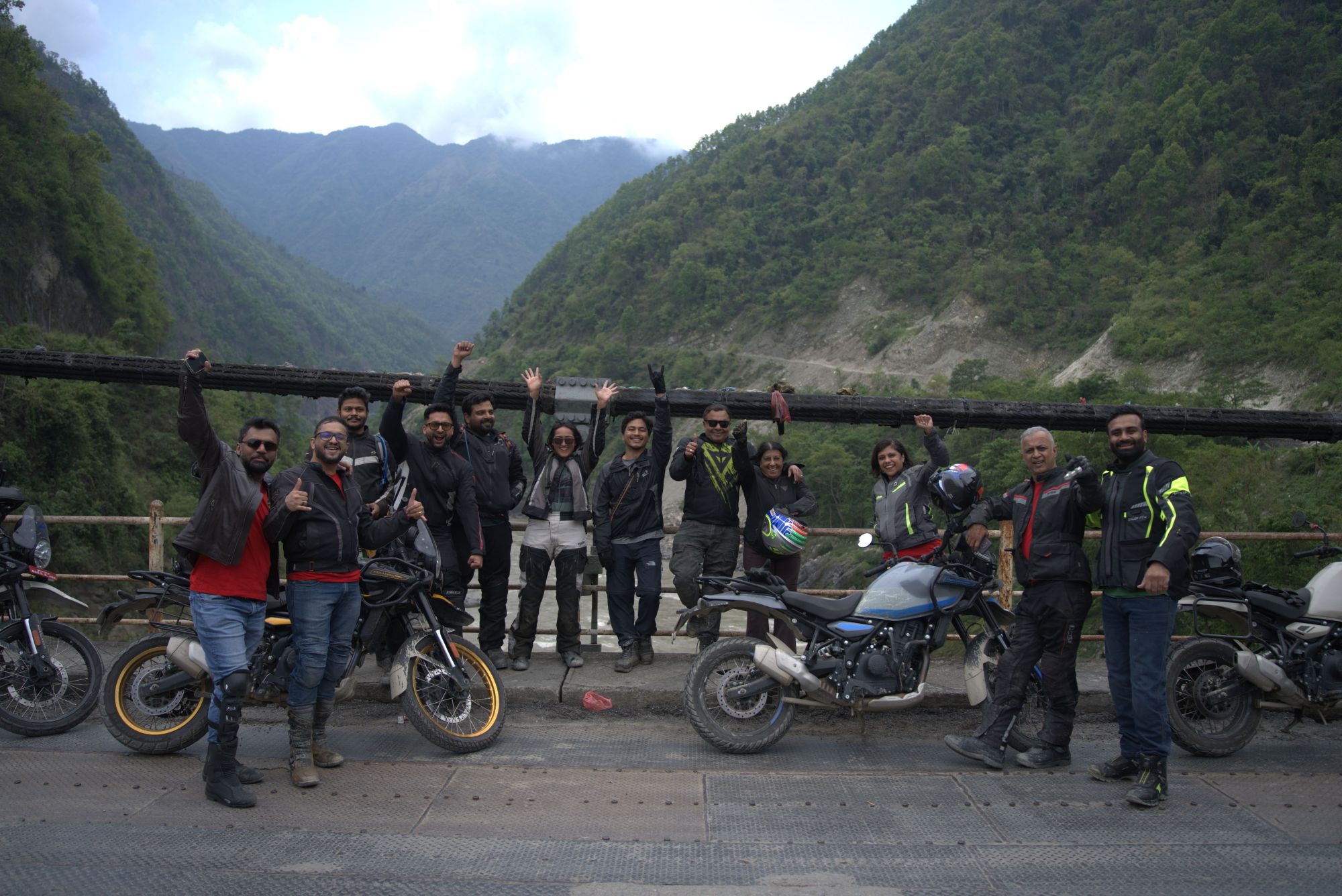
Muktinath is one of the most visited pilgrimage sites for Indian travellers in Nepal, and a growing number of them now reach it on their own motorcycles. In fact, this is one of the bucket lists for riders coming on a motorcycle trip to Nepal. The route from the border at Sunauli to the temple at 3,710 metres is about 360 kilometres of mixed road, most of it paved, with a long climb up the Kali Gandaki gorge. The paperwork is easier than for most international rides from India, and the riding is demanding enough to need real planning.
This guide covers the documents, the border process under the 2026 rules, the permits, the route, a day-by-day plan, and what to expect at the temple.
At a Glance
|
Item |
Detail |
|
Route |
Sunauli border, Butwal, Tansen, Pokhara, Beni, Jomsom, Kagbeni, Muktinath |
|
Distance from Sunauli |
About 360 km one way |
|
Time from the border |
7 to 9 days for the round trip at a comfortable pace |
|
Elevation at the temple |
3,710 metres |
|
Visa |
Not required for Indian citizens |
|
Travel document |
Original passport or Voter ID |
|
Permits |
ACAP, plus TIMS depending on route. No Restricted Area Permit needed |
|
Best months |
October, November, March, April, May |
Why Muktinath, and Why by Bike
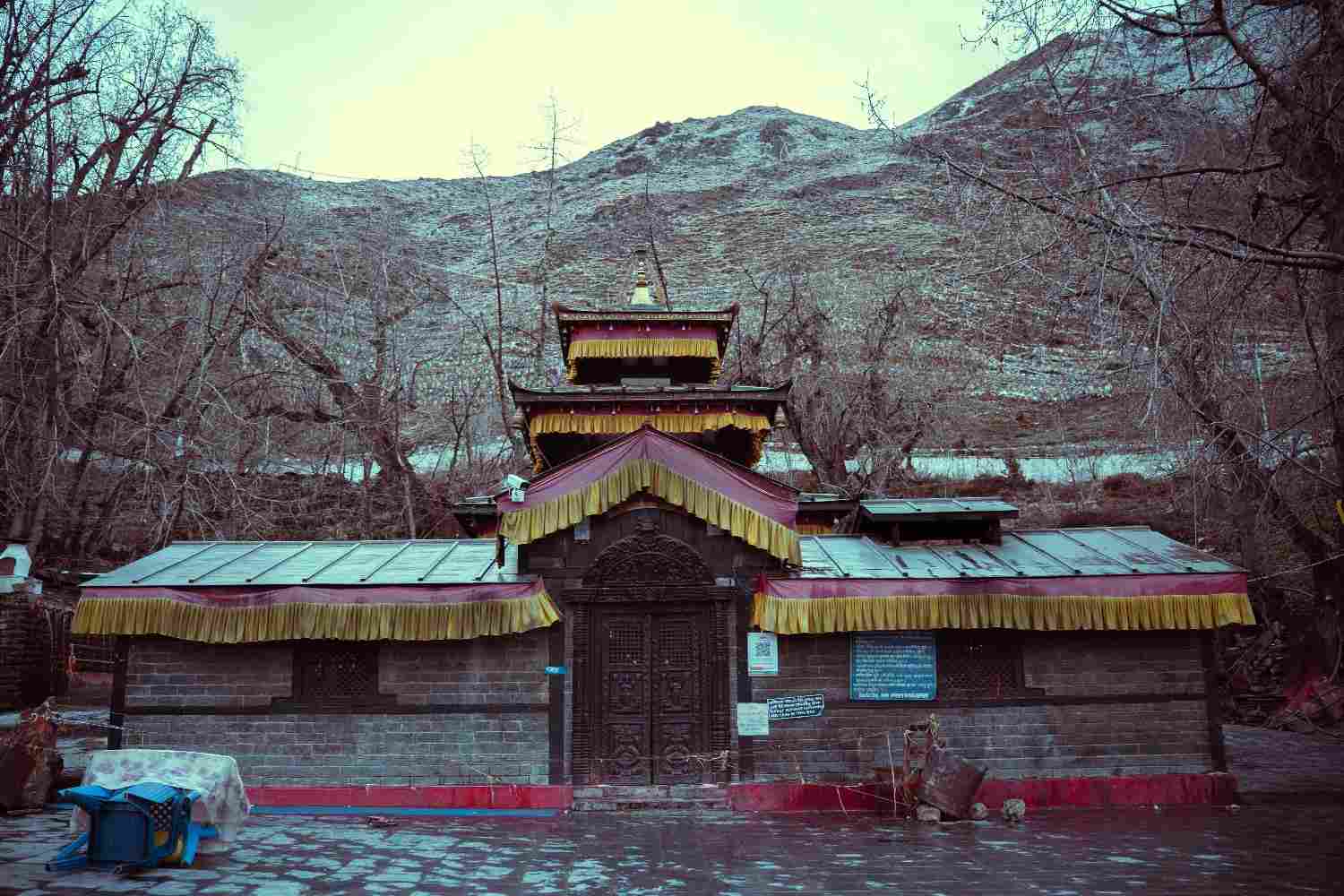
Muktinath is sacred to both Hindus and Tibetan Buddhists. For Vaishnava Hindus, it is one of the 108 Divya Desams and the only one outside the Indian subcontinent. The temple complex holds 108 water spouts, a natural flame at the Jwala Mai shrine, and the main Vishnu temple. The Muktinath temple guide covers the history and what to see.
Indian visitors have been heading here in large numbers. The Kathmandu Post reported in June 2026 that more than 2,000 Indian vehicles enter Nepal every day through six border points, and that Muktinath and Pokhara remain among the most popular destinations for them.
Doing it by bike gives you control over the pace and the stops. It also means you feel the road: the Siddhartha Highway climbing out of the plains, the gorge wind, and the switchbacks up from Kagbeni. That adds effort, so the rest of this guide spends time on how to manage it.
Two Ways to Do It
Ride Your Own Bike
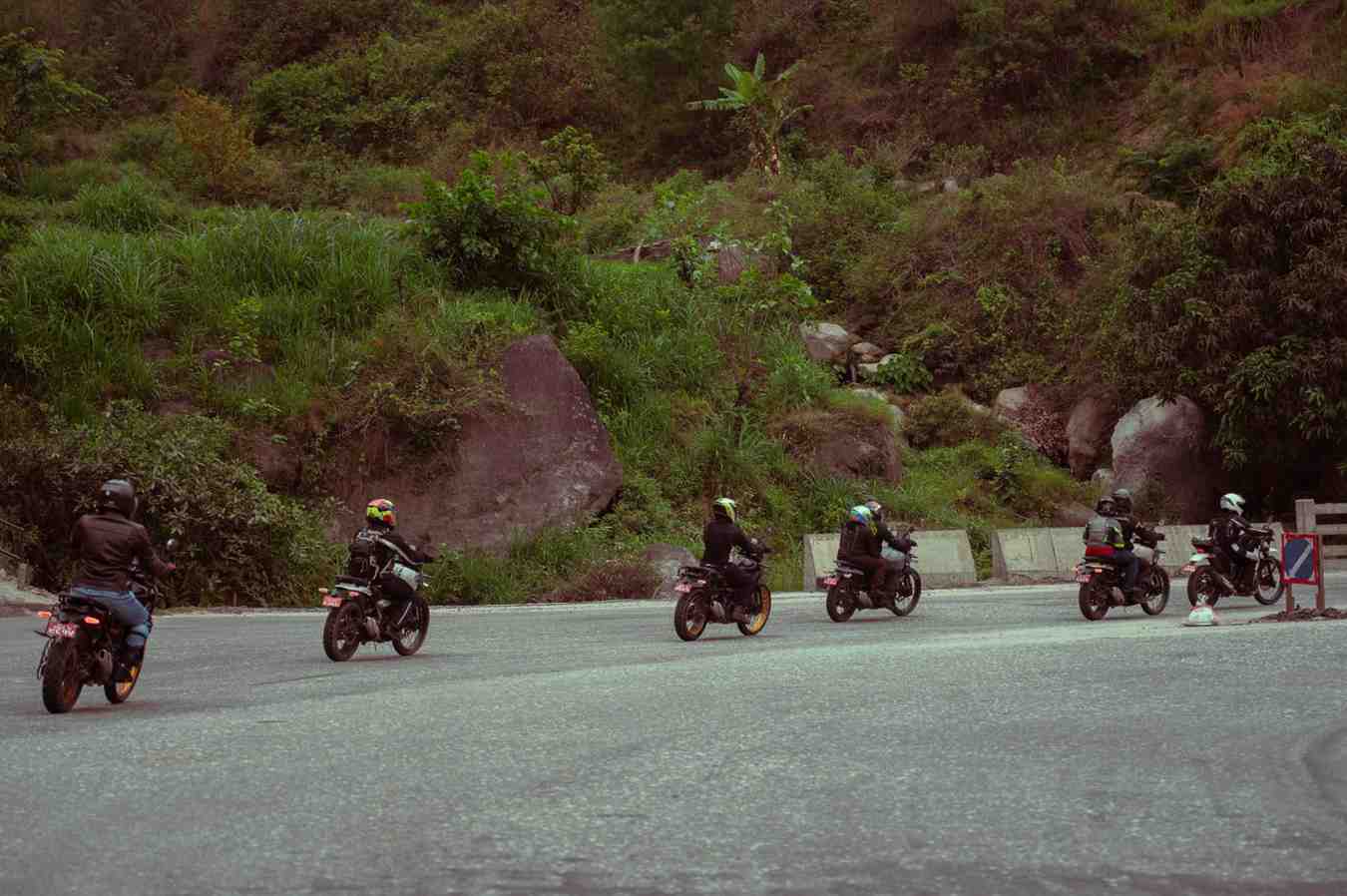
Your own bike is familiar, and you can ride straight from home. The costs are the customs process at the border, the Nepal insurance, the annual entry limits, and the risk of a breakdown far from your usual mechanic. Small commuter bikes are a poor match for this road, so be honest about whether yours can handle a loaded two-up climb to 3,700 metres.
Rent in Nepal
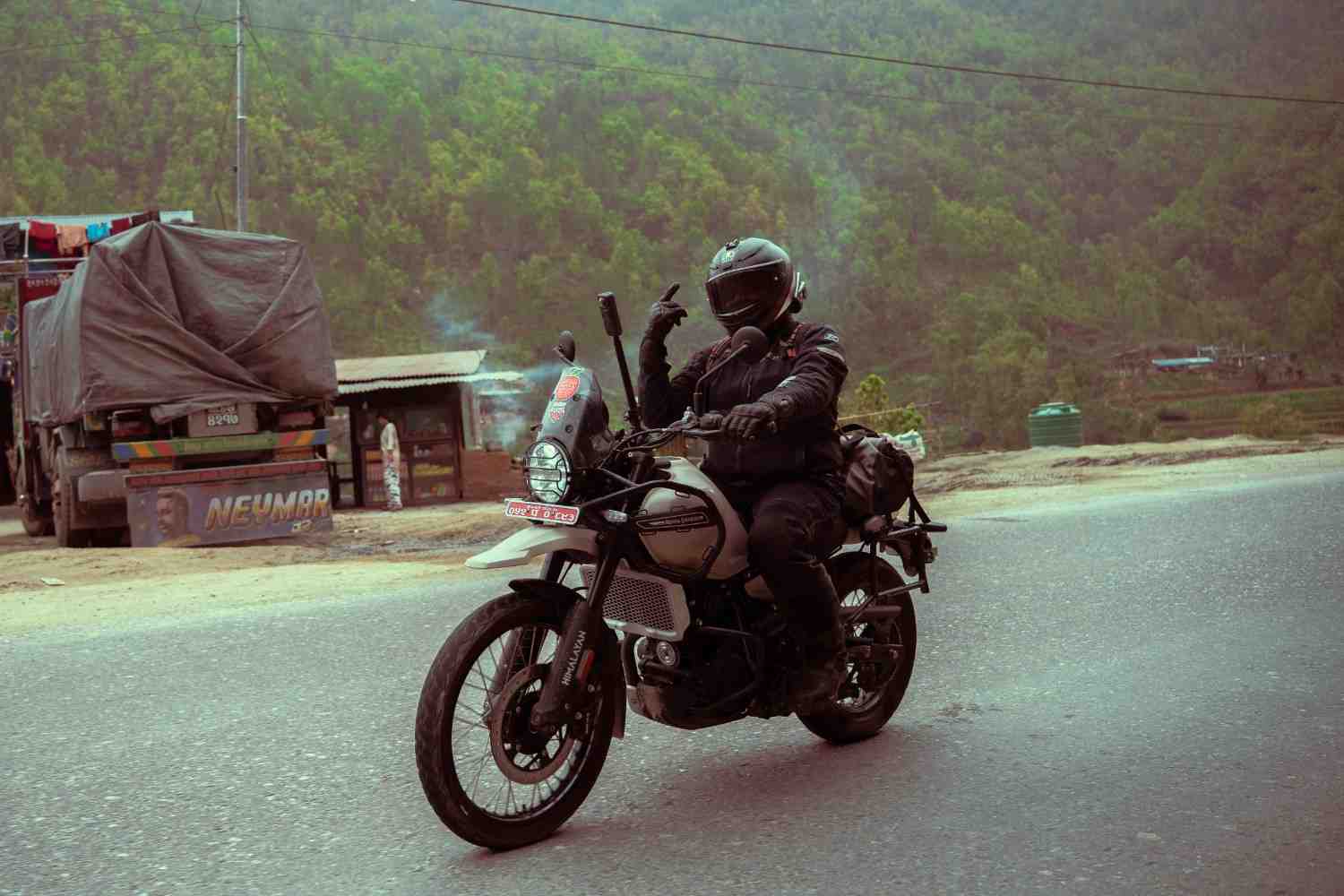
Many Indian riders now take a train or bus to the border, cross on foot, and rent a bike in Nepal. This removes the vehicle paperwork entirely. Nepal Moto Tours rents from Butwal, close to the Sunauli and Bhairahawa crossing, and from Pokhara. The site lists the Royal Enfield Himalayan 411 at USD 39 per day, the Classic 350 at USD 35, and the Hero Xpulse 200 at USD 30. Confirm current rates when you book.
Documents You Need
For You
Indian citizens do not need a visa for Nepal. You need an original proof of citizenship, either a valid passport or an original Voter ID. A passport is the safer choice, because some permit offices prefer it. Photocopies and phone photos are not accepted at the border.
For the Bike
Carry the original Registration Certificate, an original Indian driving licence covering motorcycles, and your Indian insurance papers. An International Driving Permit is not required for Indian nationals.
Nepal Insurance
Indian motor insurance does not cover Nepal. Nepal requires third-party insurance for vehicles on its roads, and border-town providers sell short-term policies for a modest fee. Buy it before you ride out of the border town, and carry the document with the Bhansar pass.
The Border and the Bhansar in 2026
The Bhansar is the customs pass that lets a foreign-registered vehicle enter Nepal temporarily. The rules shifted in 2026, and sources do not fully agree, so read this section carefully.
Online Registration
Nepal launched an online registration service for foreign tourist vehicles entering by road in May 2026. The Kathmandu Post reported in June that authorities now require Indian vehicles to complete online registration before entering Nepal.
The safe approach is to register on the Department of Customs website before you leave, save the QR code and confirmation, and print a copy. Mobile data at border towns can be poor, and a printed backup avoids a stuck queue. Still go to the Bhansar counter on arrival. Check oot our blog for Bhansar Permit for Indian Motorcycles in Nepal
Fees
The Kathmandu Post quotes the Bhairahawa customs chief as saying Indian motorcycles pay Rs200 per day and cars Rs600 per day. Older guides and a Hindi news report cite lower figures of NPR 100 to 150 per day for two-wheelers, and the Post notes a different rate at one other crossing. Rates are set locally and change. Confirm the current figure at the counter or on the Customs portal, and budget for the higher number.
Entry and Stay Limits
Indian vehicles may stay in Nepal for a maximum of 30 days. A Hindi news report from May 2026 adds that a vehicle can enter at most 30 times a year, with QR-code tracking at border points, and that the 30 days are counted across the year. A single yatra uses a small fraction of that, but count your days if you have already visited this year.
Overstay Penalties
The Kathmandu Post gives overstay penalties of Rs1,002 per day for motorcycles and Rs2,500 per day for cars. Another report puts the figure at Rs2,500 for all vehicles. Treat the penalty as steep either way, and exit on time.
Cash
Nepal restricts how much cash travellers can carry across the border, and the Post reports that visitors who exceed the limit risk seizure and legal action. Check the current limit and permitted denominations before you leave. Carry only what you need, and do not count on UPI or cards above Jomsom.
Permits for the Muktinath Road
The road to Muktinath is not part of the Upper Mustang restricted area. The checkpoint at Kagbeni guards the road north into Upper Mustang, and the Muktinath road branches off before it. You do not need a Restricted Area Permit.
You do need the Annapurna Conservation Area Permit, because the whole Mustang district sits inside the conservation area. Indian nationals pay the lower SAARC rate of NPR 1,000. Depending on your route, a TIMS card may also be checked. Both can be arranged at the offices near Pokhara Lakeside, and processing is usually the same day. Offices close on Saturdays.
Both riders on one bike need their own ACAP.
Choosing a Border Crossing
Most Indian riders heading for Muktinath use Sunauli and Bhairahawa, because the Siddhartha Highway runs from there straight to Pokhara. Raxaul and Birgunj make sense if you are coming from Bihar and plan to include Kathmandu. For the route in this guide, Sunauli is the practical choice.
Arrive before noon. Customs, insurance, and cash exchange take time, and you want daylight for the first leg.
The Route Stage by Stage
Sunauli to Pokhara
The Siddhartha Highway covers about 200 kilometres in four to five hours. It leaves the plains at Butwal, climbs through the hills to Tansen, an old Newari hill town worth a stop, and continues to Pokhara. Lumbini, the Buddha's birthplace, lies about 22 kilometres east of Bhairahawa, and many pilgrims include it. The Nepal Moto Tours Chitwan Lumbini Pokhara Motorbike Tour covers this part of the country if you want a guided option.
Pokhara to Jomsom
From Pokhara, the road follows the Kali Gandaki through Beni and Tatopani and up the gorge to Jomsom, about 145 kilometres in total. Most riders split it over two days. The wind in the gorge builds from mid-morning, so start early. Tatopani has hot springs and makes a good first night. Marpha, a whitewashed Thakali apple village, is a good alternative on the second night, and it is calmer than Jomsom.
Jomsom to Kagbeni to Muktinath
From Jomsom, Kagbeni is about 10 kilometres north. From Kagbeni, the road to Muktinath climbs roughly 900 metres over about 10 to 12 kilometres. The lower switchbacks are sealed, and the upper section is gravel. Fuel up at Jomsom, because Muktinath village has no fuel.
A Day-by-Day Plan
This plan counts days from the border and leaves one buffer day. Add your travel time to and from the border.
Day 1: Border to Pokhara. Collect ACAP and TIMS if you did not get them earlier.
Day 2: Pokhara to Tatopani. Soak in the hot springs.
Day 3: Tatopani to Marpha or Jomsom. Leave early to beat the wind.
Day 4: Jomsom to Muktinath. Spend the afternoon and night at the temple village for an early darshan.
Day 5: Early morning at the temple, then back down to Jomsom or Marpha.
Day 6: Down to Tatopani or Beni.
Day 7: Back to Pokhara. Rest.
Day 8: Pokhara to the border.
Add a day in Pokhara or Lumbini if you want to rest. A fixed return date makes the landslide buffer more important, since the Kali Gandaki road can close for hours or days.
At Muktinath

Arrive in the morning if you can. Staying overnight in the village puts you at the temple early, before the jeep convoys from Jomsom arrive. Allow two to three hours for the complex.
The water at the 108 spouts is very cold, close to freezing in the early morning. Many pilgrims bathe in it as part of the ritual, and others touch it or sprinkle it. Bring a towel and a change of dry clothes, and keep them in a bag you can reach. Dress modestly, remove footwear at the temple and Jwala Mai shrine, and follow the priests' instructions on offerings and queues.
For the wider site, including the flame at Jwala Mai and the monastery next door, see the full Muktinath guide. Leave Muktinath for the descent before the wind peaks in the afternoon.
Altitude and Health
Muktinath is at 3,710 metres. Pokhara is at about 800 metres, so you climb about 2,900 metres in two or three riding days. Most healthy riders manage with a rest at Jomsom or Marpha and plenty of water. Headache, nausea, and poor sleep are early warning signs, and if they worsen, descend.
Older pilgrims and anyone with a heart, lung, or blood pressure condition should talk to a doctor before the trip. A pillion rider cannot see how steep the climb is and may feel the altitude more. If a family member is not comfortable on a bike at this altitude, a jeep for part of the route is a sensible alternative.
The Bike: What Works and What to Check
A bike with at least 150cc and good ground clearance suits this road better than a small commuter. A 350 to 450cc Royal Enfield, a Himalayan, or a similar adventure bike handles the gorge and the upper gravel. Carburetted and fuel-injected bikes both lose power at altitude, so expect the engine to feel slower above 3,000 metres.
Before you leave, service the bike and check the chain, brakes, tyres, and lights. Carry a puncture kit, spare cables, and a basic tool set. Load the bike lightly, since a heavy load makes the gravel sections harder. Nepal drives on the left, as India does, so there is nothing to relearn there.
When to Go
October and November give the clearest skies and the most stable weather. March to May is the second window. Indian holiday periods in May and June bring heavy traffic and full lodges, so book rooms ahead during those weeks. December to February is cold, with ice on the upper switchbacks in the mornings. The monsoon brings landslides to the lower valley, though Jomsom and the upper valley get less rain than Pokhara.
The when to visit page on the Nepal Moto Tours site has more on seasons.
Fixed Costs at a Glance
|
Item |
Amount |
|
Bhansar for a motorcycle |
Reported at Rs200 per day. Confirm at the counter |
|
ACAP (SAARC rate) |
NPR 1,000 per person |
|
TIMS card |
NPR 1,000 independent, NPR 500 via an agency, per person |
|
Nepal third-party insurance |
A modest fee, usually under NPR 1,500 |
Add fuel, lodging, and food. Mountain lodges are simple, and rooms range from a few hundred to a few thousand rupees depending on the village and season.
Mistakes to Avoid
Do not assume your Indian insurance covers Nepal. Do not skip the online registration and arrive at the border with only a phone photo of your RC. Do not plan the return for the last possible day. Do not carry more cash than the border limit allows. Do not push to Muktinath in a single day from Pokhara, because the gorge wind and the altitude make it a hard day.
Frequently Asked Questions
Do I need a passport, or is Voter ID enough?
An original Voter ID is accepted at the border. A passport is safer, because some permit offices prefer it.
Do I need a Restricted Area Permit for Muktinath?
No. The permit is only for the road north of Kagbeni into Upper Mustang.
Can I take a small commuter bike?
It is not advisable. A loaded two-up climb to 3,700 metres is hard on a small engine.
Can I rent a bike in Nepal instead?
Yes. This avoids the Bhansar and the annual entry limits. See the Butwal and Pokhara rental pages above.
How long does the yatra take?
Seven to nine days from the border, with a rest or buffer day.
Planning a Muktinath yatra by bike from India? Nepal Moto Tours can arrange rentals in Butwal or Pokhara, or run the full route as the seven-day Jomsom Muktinath Motorbike Tour from Kathmandu. Get in touch with your dates and how many people are riding.