
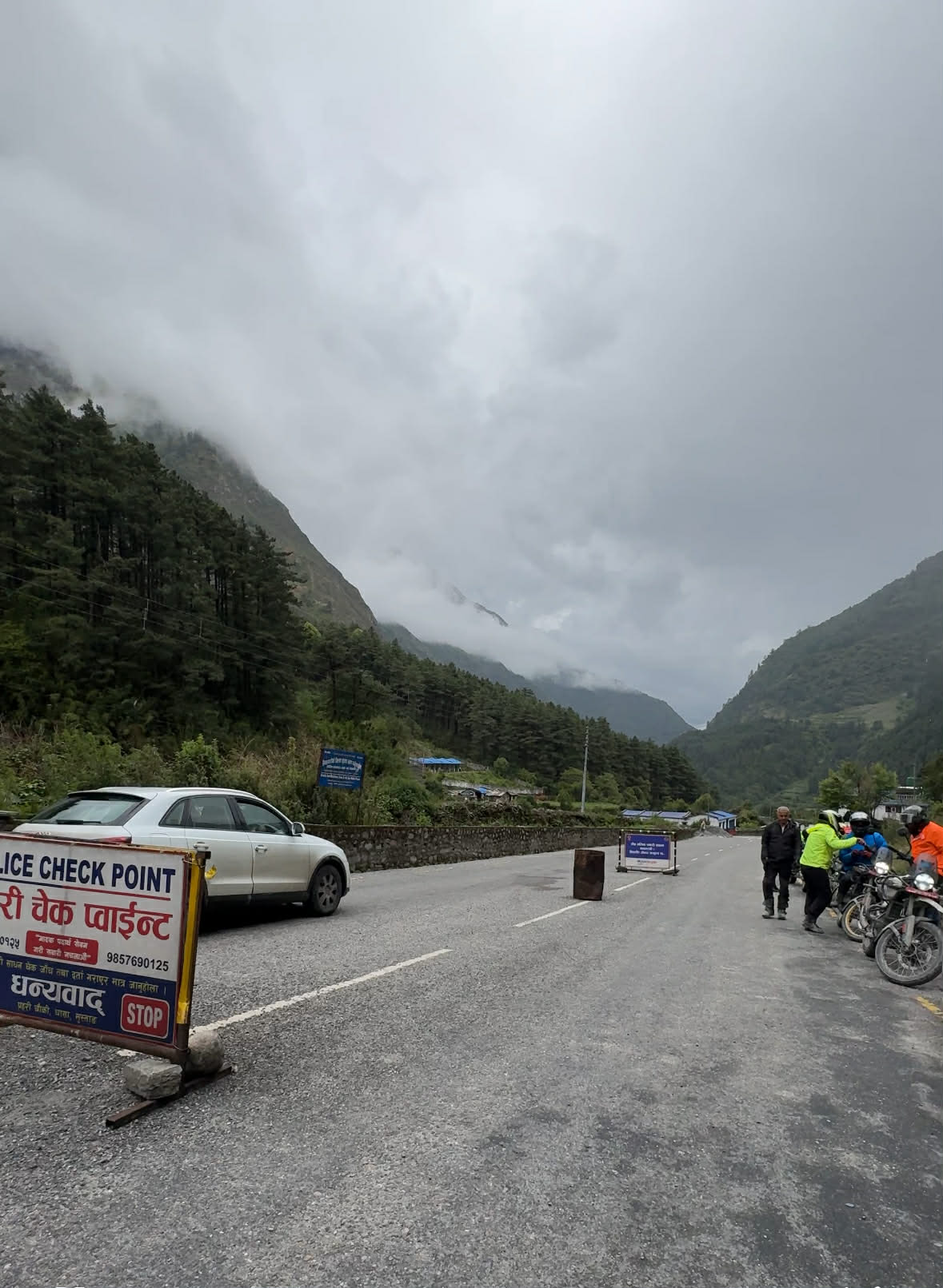
Indian riders planning a motorcycle trip to Upper Mustang have a genuine advantage over riders from most other countries. No visa. No currency conversion hassle at the border. A daily bike entry fee that costs less than a roadside meal. What they do need, and what this article covers in full, is the specific permit stack that Upper Mustang requires, how much each permit costs in 2026, what changed recently with Nepal's fee structure, and the practical logistics of getting your bike across the border and riding all the way to Lo Manthang.
The Big Change You Need to Know About First
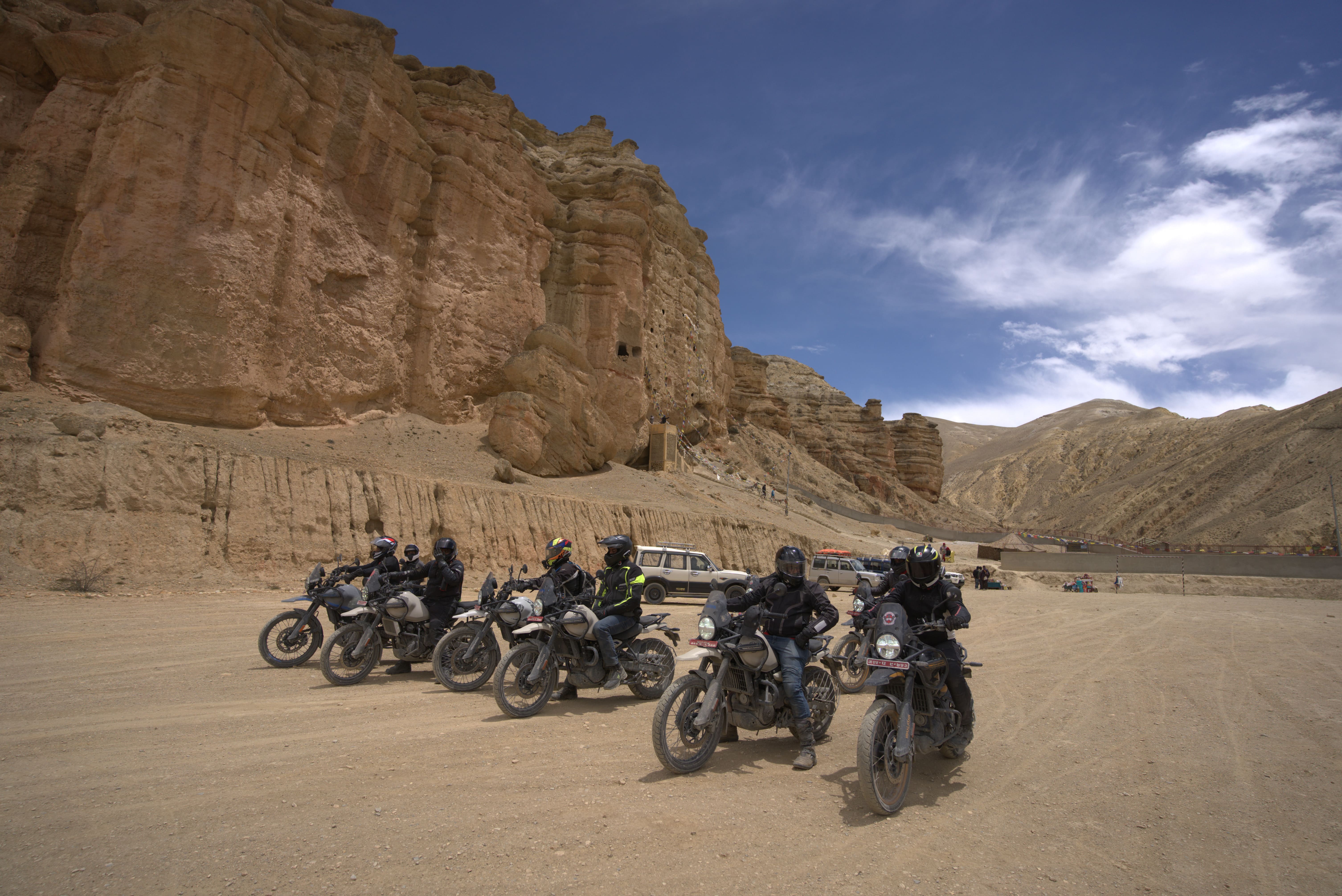
For years, Upper Mustang operated on a flat-rate permit system that charged every international visitor USD 500 for the first ten days, regardless of whether they stayed three days or ten. For Indian riders planning a compact circuit, this was the single biggest deterrent.
In November 2025, Nepal's Cabinet amended Schedule 12 of its Immigration Regulations and replaced the flat fee with a per-day rate. As of November 19, 2025:
The Restricted Area Permit now costs USD 50 per person per day inside the restricted zone north of Kagbeni. This rate applies to all international visitors, including Indian nationals.
The minimum ten-day commitment is gone. You pay only for the days you are physically inside the restricted area, counted from entry at the Kagbeni checkpoint to exit at the same point.
For a typical Indian rider doing the standard Mustang motorcycle circuit, this change is significant. Most riders spend three days in the restricted zone: one day riding from Kagbeni to Lo Manthang, one day exploring Lo Manthang and the surrounding plateau, and one day riding back to Kagbeni and continuing south. Three days inside the restricted area means the RAP costs USD 150. Under the old system that exact same trip cost USD 500.
That is the real-world impact of the change for Indian motorcycle riders.
Also from March 2026, the two-person minimum rule was scrapped. You can now ride into Upper Mustang solo with a licensed guide rather than needing another traveller to join.
What the Standard Three-Day Restricted Area Circuit Looks Like
Understanding the permit cost starts with understanding how the days are counted. The restricted area begins at the Kagbeni checkpoint. Every day you spend north of that checkpoint counts toward your RAP fee.
A typical Indian rider's Upper Mustang motorcycle circuit from Pokhara looks like this:
Day 1: Pokhara to Jomsom via Beni and the Kali Gandaki gorge. Overnight in Jomsom at 2,720 metres. Not in the restricted area. No RAP fee applies.
Day 2: Jomsom to Kagbeni, permit checkpoint, then ride to Chuksang or Ghami. First night inside the restricted area. RAP Day 1 begins.
Day 3: Ride to Lo Manthang. Overnight inside the restricted area. RAP Day 2.
Day 4: Explore Lo Manthang, the monasteries, and the plateau. Overnight in Lo Manthang. RAP Day 3.
Day 5: Ride back south through Ghami and Chuksang, exit Kagbeni checkpoint, overnight in Jomsom or Marpha. RAP ends on exit. Total: 3 RAP days.
Day 6: Jomsom back to Pokhara.
Total RAP cost for this circuit: 3 days at USD 50 = USD 150.
Riders who stop overnight in Chuksang on the way up add one more RAP day, bringing the total to USD 200. Riders who push hard can occasionally close out in two restricted area days, though this leaves almost no time in Lo Manthang itself. Three days is the realistic standard for a circuit that is being ridden properly rather than rushed.
What Permits Does an Indian Rider Actually Need
Restricted Area Permit (RAP)
The primary permit for entering the restricted zone north of Kagbeni. Issued by Nepal's Department of Immigration and processed only through a registered Nepali trekking or tour agency. You cannot obtain it at the border or at the checkpoint. The agency submits the application on your behalf, requiring your passport or Voter ID, passport-size photographs, and your itinerary.
Current cost: USD 50 per person per day. This rate applies to all international visitors including Indian nationals. No SAARC discount applies to the RAP.
For a standard three-day restricted area circuit: USD 150 total.
Processing time is three to five business days normally, up to seven days during peak season in October and May. Build this into your departure planning.
Annapurna Conservation Area Permit (ACAP)
The entire Mustang district sits within the Annapurna Conservation Area. Every rider from Kagbeni upward needs this permit as well. It is a one-time fee covering the full duration of your visit, not a daily charge.
This is where the SAARC advantage applies. Indian nationals pay NPR 1,000 per person. Non-SAARC international visitors pay NPR 3,000. At current exchange rates the difference is roughly USD 15 saved.
Obtainable at the Annapurna Conservation Area Project office in Jomsom or through your operator in Pokhara before departure.
TIMS Card
The Trekkers' Information Management System card is primarily a trekking requirement, but many Nepal motorcycle tour operators include it for motorcycle riders following the same corridor. The cost for SAARC nationals is NPR 2,000. Confirm with your operator whether your specific motorcycle itinerary requires it.
Permit Cost Summary: What an Indian Rider Actually Pays
|
Permit |
Cost |
|
Restricted Area Permit (3 days at USD 50/day) |
USD 150 |
|
Annapurna Conservation Area Permit (SAARC rate) |
NPR 1,000 (approx. USD 7.50) |
|
TIMS Card (SAARC rate) |
NPR 2,000 (approx. USD 15) |
|
Total permit cost |
Approx. USD 172 |
Agency service fee for processing: typically NPR 2,000 to NPR 5,000 extra.
If you add a fourth restricted area day, such as an overnight in Chuksang on the way up, the RAP rises to USD 200. Five days brings it to USD 250. The old flat-fee system charged USD 500 for all of these. The new system saves an Indian rider between USD 250 and USD 350 depending on exactly how many days they spend north of Kagbeni.
Where Indian Riders Still Have a Clear Advantage
The RAP rate is equal across all international nationalities, but Indian riders hold several practical advantages that riders from most other countries do not.
No visa and no visa fee. Indian citizens enter Nepal without a visa. Nationals from most other countries pay USD 30 to USD 125 for a Nepal visa depending on duration.
Voter ID accepted. Indian nationals can use an original Voter ID card as their travel document for Nepal entry and for permit processing. A passport is not required.
Lower ACAP cost. NPR 1,000 instead of NPR 3,000. Small in isolation, part of a meaningfully lower total cost stack.
Cheaper bike entry at the border. Indian-registered motorcycles enter Nepal on a daily road tax of approximately NPR 100 per day, making the border crossing affordable for riders bringing their own machine.
Closer geography. Riders from Uttar Pradesh, Bihar, Uttarakhand, and West Bengal can reach Nepal's border crossings by road and continue on the same bike to Pokhara and the Mustang circuit, removing the airfare that most international visitors must absorb.
Do Indian Riders Need a Visa for Nepal
No. Indian citizens do not require a visa to enter Nepal. At the border, present either a valid Indian passport or an original Voter ID card. Your trekking or tour operator will need copies of whichever document you carry when processing your permits.
Keep your driving licence current. Nepal requires a valid licence to ride a motorcycle. Your Indian licence covering geared motorcycles is the document you need. If there is any doubt about its validity for Nepal, an International Driving Permit removes that uncertainty entirely.
Bringing Your Own Motorcycle from India
The Vehicle Entry Pass
Indian-registered motorcycles enter Nepal on a temporary import pass obtained at the border customs post, called the Bhansar pass. The road tax is approximately NPR 100 per day, collected at the border customs office.
Maximum single-permit stay is 30 days. Extensions are available at Nepal Customs offices within the country. Riders planning a ten-day circuit from Pokhara and back are well within the 30-day window.
Documents to Carry for Your Bike
Bring the original Registration Certificate. Nepal border customs records the vehicle details on the entry permit. Also carry your insurance documents. Many Indian riders purchase a short-term Nepal insurance policy from providers near the border crossing.
Main Border Crossings for the Mustang Circuit
Sunauli-Bhairahawa in Uttar Pradesh is the most practical crossing for riders heading toward Pokhara and Upper Mustang. From Sunauli the Siddhartha Highway runs directly to Pokhara, around 200 kilometres, a manageable first riding day on predominantly paved road.
Raxaul-Birgunj in Bihar connects to the Prithvi Highway corridor toward Kathmandu and then Pokhara, suited for riders coming from central India.
Kakarbhitta-Mechi in West Bengal works for riders from the northeast.
Renting in Nepal Instead
Many Indian riders choose to fly to Pokhara and rent locally rather than riding from India. The Royal Enfield Himalayan is the standard machine for the Mustang circuit, available through established Pokhara operators. Daily rental rates run approximately NPR 3,000 to NPR 4,500 per day depending on the model and operator, which works out to INR 30,000 to INR 45,000 for a ten-day rental. Renting locally removes the border logistics entirely and puts you on a machine that mechanics along the route have been working on for years.
The Route and What to Expect
The Mustang circuit from Pokhara follows the Kali Gandaki River northward. The road is paved to Jomsom and transitions to maintained gravel and dirt track above it. Above Kagbeni the track becomes loose river gravel, exposed rock sections, and river crossings that require basic off-road confidence rather than expert technique.
The Kali Gandaki gorge wind is a real factor, not a travel writing cliche. It builds from mid-morning and peaks in the early afternoon on most days. Leave early, complete the day's riding before the wind peaks, and do not plan long afternoon distances in the gorge section.
Altitude becomes a consideration above Kagbeni at 2,810 metres. Lo Manthang sits at 3,840 metres. Riders who have crossed Rohtang or Khardung La will have some acclimatisation experience to draw on, but sustained nights above 3,500 metres are a different demand from a single pass crossing done in daylight and returned from the same day. A rest day in Jomsom before entering the restricted area costs nothing extra in permits and gives your body time to adjust before the plateau approaches.
Permit Processing: Practical Steps for Indian Riders
Contact a registered Nepali trekking or tour operator at least one week before your planned Kagbeni crossing. During October and May, allow two weeks because processing queues lengthen with peak season demand.
Submit copies of your passport or Voter ID, passport-size photographs, and your itinerary including the dates you plan to enter and exit at Kagbeni. The operator submits the application to the Department of Immigration.
Carry the original permit documents at all times on the circuit. The Kagbeni checkpoint inspects them on entry and again on exit. Riders without the correct paperwork at the checkpoint cannot proceed into the restricted area regardless of how far they have already ridden to reach it.
Full Cost Breakdown: Ten-Day Circuit from Pokhara
The table below covers realistic total costs for an Indian rider doing a ten-day Pokhara-based Upper Mustang motorcycle circuit with three days inside the restricted zone, renting a Royal Enfield Himalayan locally.
|
Cost Item |
Estimated Cost (INR approx.) |
|
Flight to Pokhara from Delhi, return |
INR 12,000 to INR 18,000 |
|
Motorcycle rental (10 days, Royal Enfield Himalayan) |
INR 30,000 to INR 45,000 |
|
Restricted Area Permit (3 days at USD 50) |
INR 12,450 |
|
ACAP Permit (SAARC rate) |
INR 600 |
|
TIMS Card (SAARC rate) |
INR 1,200 |
|
Accommodation (10 nights, tea house standard) |
INR 12,000 to INR 20,000 |
|
Food (10 days) |
INR 8,000 to INR 15,000 |
|
Fuel |
INR 3,000 to INR 5,000 |
|
Guide (per day) |
INR 2,500 to INR 4,500 per day |
|
Total estimated range |
INR 87,000 to INR 1,35,000 |
Exchange rate used: approximately INR 1.50 per NPR and INR 83 per USD. Confirm current rates before budgeting.
Riders bringing their own motorcycle from India save the rental cost entirely and add only NPR 100 per day bike entry fee plus fuel from home, which brings the total down considerably for riders based in border states like UP, Bihar, and Uttarakhand.
Frequently Asked Questions
How many days does a typical Upper Mustang motorcycle circuit take inside the restricted area?
Three days is the standard. Day one riding from Kagbeni to Lo Manthang via Ghami, day two exploring Lo Manthang and the plateau, day three returning south to Kagbeni. Some riders add a night in Chuksang on the way up, making it four restricted area days. Under the new per-day system you pay only for what you use.
Is the RAP cheaper for Indian riders than for other nationalities?
No. The RAP is USD 50 per day for all international visitors including Indians. The SAARC discount applies only to the ACAP permit, where Indian riders pay NPR 1,000 compared to NPR 3,000 for non-SAARC visitors.
Do I need a guide?
Yes. A licensed guide is mandatory inside the restricted area regardless of nationality. As of March 2026 you can ride solo rather than needing a second traveller, but the guide requirement itself has not changed.
Can I use my Voter ID instead of a passport?
Yes. Original Voter ID card is accepted for both Nepal entry and permit processing. Carry the original, not a photocopy.
How far in advance should I apply?
One week minimum. Two weeks during October and May peak season.
Can I extend my stay inside the restricted area if I want more time?
Yes. Additional days are charged at the same USD 50 rate. Contact your operator before your original permit dates expire.
What is the best time for Indian riders to visit?
May for the Tiji Festival in Lo Manthang, the most concentrated cultural event in the Upper Mustang calendar. October for post-Monsoon clarity and the best mountain visibility of the year. Both months require earlier booking for permits and accommodation.
The Bottom Line
For a standard three-day restricted area circuit, Indian riders now pay USD 150 in RAP fees rather than the USD 500 the old system required. That saving is the most practically significant outcome of Nepal's November 2025 permit change for Indian motorcycle riders.
The SAARC discount does not reduce the RAP itself, but it does apply to the ACAP, and Indian riders hold the additional advantages of no visa, Voter ID acceptance, NPR 100 per day bike entry at the border, and road access from home that most international visitors do not have.
The logistics are manageable. Contact a Pokhara operator, allow a week for permit processing, carry your original documents, and leave Kagbeni before the Kali Gandaki wind builds each morning.
Lo Manthang is three days from Pokhara. Three days inside the restricted zone now costs USD 150. The trip has never been more financially accessible for Indian riders than it is right now.